Key Points
- Real-Time Edge Classification: Utilizing NPU-accelerated gateways and Small Language Models (SLMs) eliminates scan-wait-route lag by tagging data packets with privacy metadata at the source.
- Automated Jurisdictional Routing: eBPF technology enables kernel-level stream inspection, routing data directly to sovereign clouds to bypass standard ETL bottlenecks and satisfy global residency laws.
- Democratized Compliance Logic: Low-code platforms empower privacy officers to visually design and deploy complex routing rules, removing the dependency on high-cost DevOps engineers.
Table of Contents
The Hidden Cost of Manual Data Triage
Imagine a local bakery scaling its digital orders through automated messaging, only to realize that storing customer phone numbers alongside inventory data violates regional privacy laws. Now multiply that headache by a million for an enterprise developer managing high-velocity sensor data across continents. The scale of the problem changes, but the core friction remains identical.
The regulatory bottleneck is creating massive operational latency and legal risk. Manual classification of high-velocity IoT streams prevents organizations from meeting strict data residency requirements.
This outdated approach also causes excessive egress costs in hybrid-cloud environments. Sending unclassified data back and forth across borders drains bandwidth and budgets at an alarming rate.
Enter Privacy-Aware Multi-Cloud IoT Stream Routing. This is the ultimate solution to reclaim time, eliminate manual errors, and scale operations seamlessly.
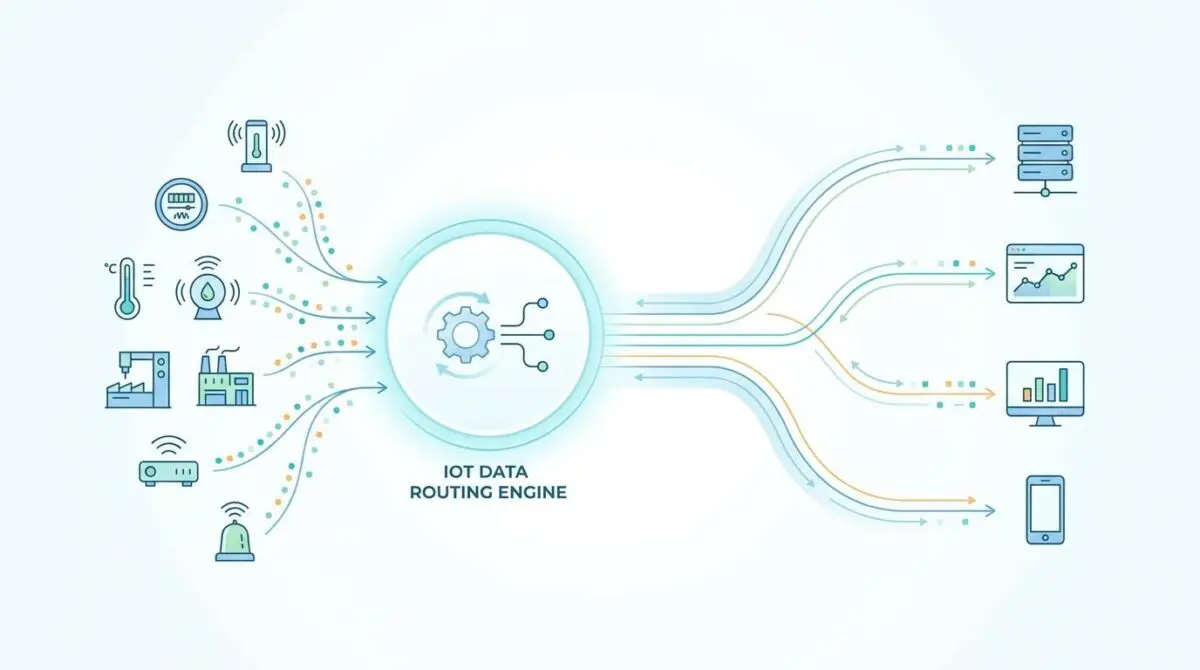
By embedding intelligence at the edge, data packets route themselves instantly to the correct cloud environments based on real-time privacy classifications.
This means no more waiting for centralized servers to decide where a piece of data belongs. The workflow becomes entirely autonomous, freeing up human operators to focus on strategic growth rather than manual triage.
The Financial Reality of Privacy Workflows
Market Intelligence & Data
Median Privacy ROI
According to the 2025 Cisco Data Privacy Benchmark Study, 96% of organizations report that the benefits of investing in privacy automation outweigh the costs, yielding a 60% return.
Manual Request Costs
Electro IQ reported in early 2026 that the average cost to manually process a single data subject request has reached $1,524, making automated privacy routing a financial necessity.
High-Budget Privacy Adoption
A 2026 Cisco report indicates that 38% of global enterprises now spend over $5 million annually on privacy programs, nearly triple the percentage recorded in early 2025.
Global Population Coverage
As of mid-2026, 179 jurisdictions have enacted data protection frameworks, effectively protecting the data of 80% of the world’s population according to data verified by Secureframe.
Achieving a 1.6x median privacy ROI is no longer a theoretical benchmark but a baseline survival metric for modern businesses. As highlighted by the Cisco Data Privacy Benchmark Study, organizations now see that automating privacy routing drastically outpaces the initial investment. This return stems directly from eliminating manual data inspection and reducing the massive cloud egress fees associated with moving unclassified data across borders. Organizations that embrace this automation instantly transform their compliance departments from cost centers into efficiency engines.
The staggering $1,524 cost to manually process a single data subject request acts as a financial anchor for scaling enterprises. When IoT streams are manually classified, finding and extracting specific user data becomes a forensic nightmare that drains engineering resources. By implementing automated routing, companies instantly categorize and store data by privacy level, dropping retrieval costs to fractions of a cent. This financial leverage allows companies to reallocate funds toward product development rather than legal firefighting.
A massive shift in enterprise spending shows that 38% of global organizations are now dedicating over $5 million annually to privacy programs. This tripling of high-budget adoption underscores a critical realization in the boardroom. Companies are no longer paying for compliance consultants; they are investing heavily in edge computing infrastructure and intelligent routing pipelines to future-proof their data flows. The message is clear that throwing human capital at a data volume problem is an unsustainable financial strategy.
Navigating a world where global frameworks protect 80% of the population requires dynamic, automated compliance frameworks. For instance, California’s DROP (Delete Request and Opt-out Platform) has forced companies to implement standardized API-driven data routing for consumer IoT streams. Centralized global data lakes are now a massive compliance liability, making sovereign, localized data routing an absolute necessity. Companies that fail to adapt to these automated routing mandates will find themselves priced out of global markets by compliance fines alone.
The Daily Friction
Industrial IoT operators frequently struggle with massive data graves. Terabytes of unclassified sensor data sit in monolithic storage, creating a ticking time bomb of compliance risks.
Without automated sorting, finding a specific piece of sensitive information is like searching for a needle in a digital haystack. The real-world friction lies in the scan-wait-route lag.
Post-processing classification takes hours, which completely destroys the ability to make real-time edge decisions. By the time the data is cleared for use, its operational value has often expired.
Today, tools like AWS IoT Core and Azure IoT Hub are being augmented with real-time classification engines. Platforms such as Lepide Identify act as the first line of defense at the network perimeter.
This intelligent layer prevents sensitive information from leaking into public cloud buckets by classifying and routing data the millisecond it hits the gateway. The result is a perfectly organized data stream that is compliant by default.
AI-Agent Integration
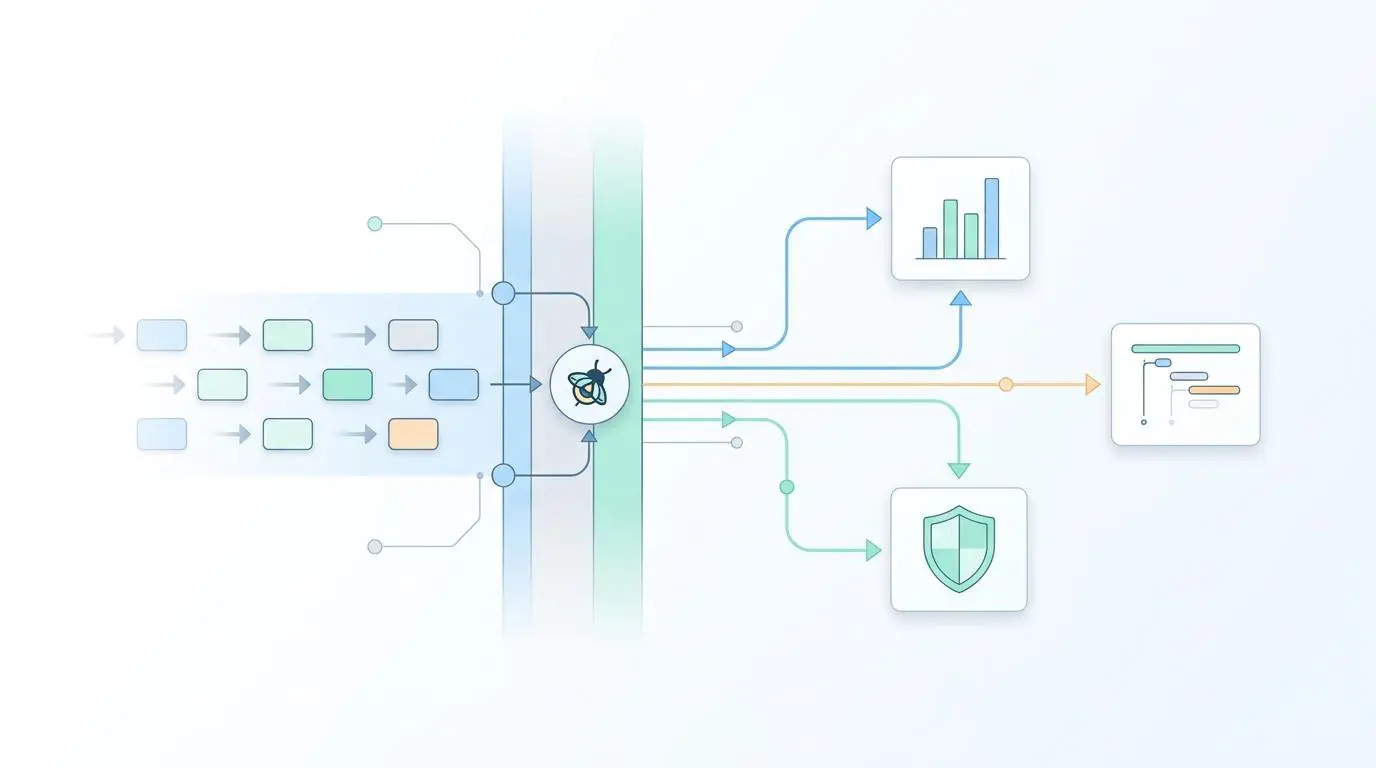
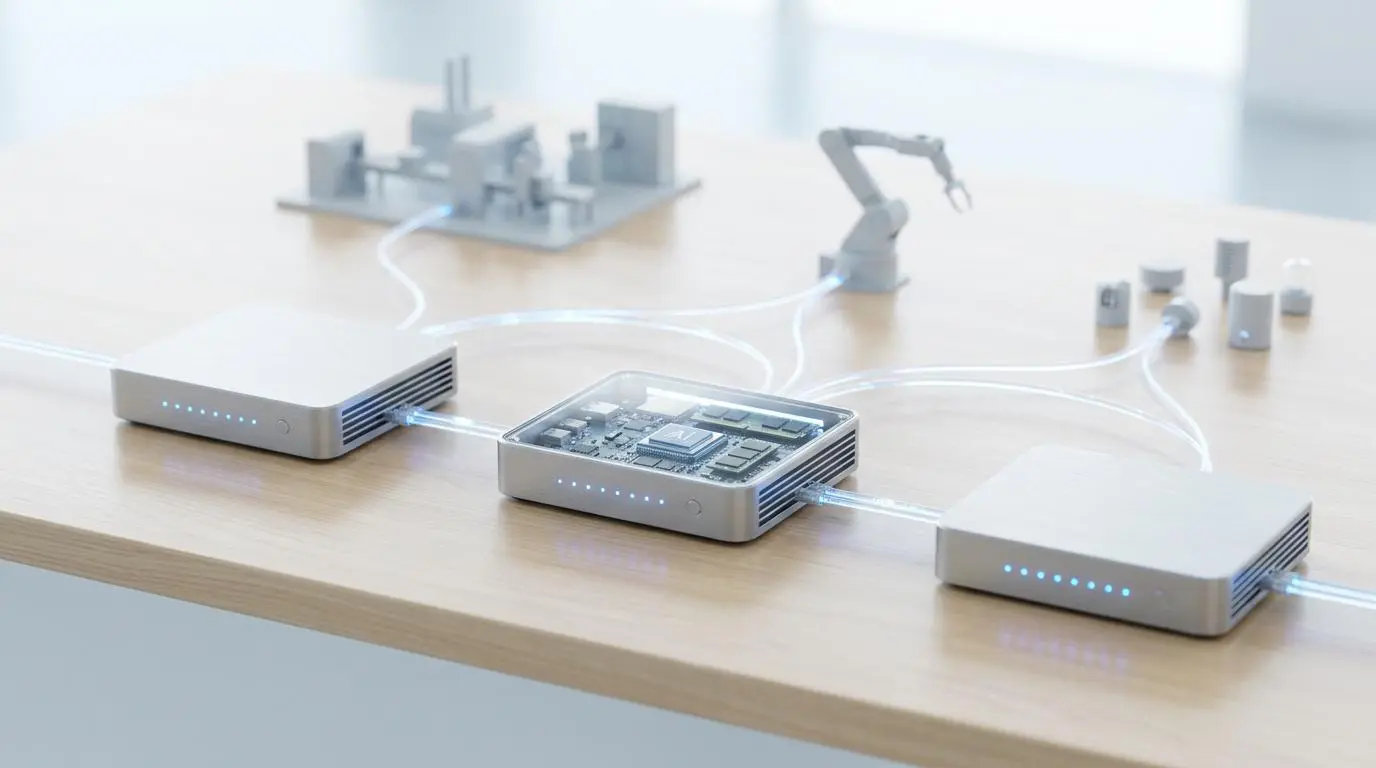
The year 2026 marks the definitive rise of physical AI at the network edge. Accelerated edge gateways from manufacturers like Qualcomm and NVIDIA are transforming how we process incoming telemetry.
These devices are no longer just dumb pipes forwarding data to a central server. They are highly intelligent nodes capable of making complex routing decisions on the fly.
Historically, the high latency and cost of sending unstructured data to a central language model for classification made real-time privacy impossible. Sending every packet to the cloud for inspection drained bandwidth and budgets.
Now, these advanced gateways run localized small language models to tag data packets with privacy metadata directly at the source. This enables agentic routing decisions without ever needing cloud-side inspection.
By keeping the analytical workload at the edge, companies drastically reduce their cloud compute bills. More importantly, they ensure that sensitive data never leaves the physical device unless it is explicitly authorized to do so.
Data Synchronization & Pipelines
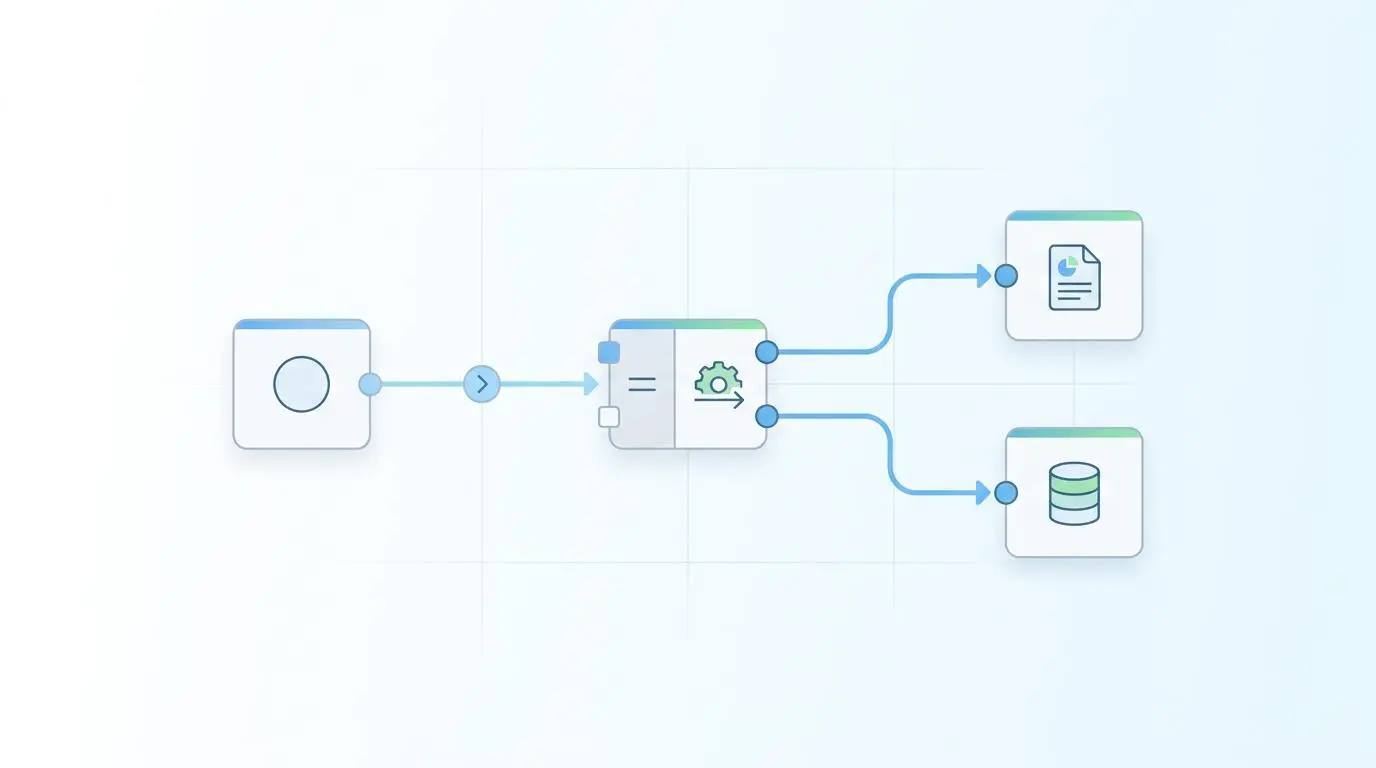
Modern data pipelines are undergoing a massive architectural shift to handle the complexities of global data residency laws. The fragmentation across 179 jurisdictions makes centralizing data a massive legal liability.
Building a single, global data lake is no longer a viable strategy for multinational corporations. To combat this, engineering teams utilize extended Berkeley Packet Filter technology at the edge.
This allows systems to inspect and route data streams at the kernel level with near-zero latency. The routing logic happens so fast that it introduces virtually no delay to the overall system performance.
Data is routed directly to sovereign cloud providers based entirely on jurisdictional metadata. For example, health data generated in Berlin is instantly routed to T-Systems, while commercial data in Paris goes to OVHcloud.
This completely bypasses standard ETL bottlenecks and ensures that regional data stays within its legal borders. The entire synchronization process becomes a fluid, automated pipeline.
The No-Code & Low-Code Revolution
The barrier to entry for complex data routing has been completely shattered by visual automation platforms. Historically, updating routing logic required expensive DevOps engineers to write complex code every time a privacy law changed.
This created a massive bottleneck between the legal team and the engineering department. Platforms like n8n and Securiti have introduced intuitive, logic-based connectors to bridge this gap.
These visual builders empower non-technical privacy officers to design sophisticated data flows. A compliance officer can now simply create a rule stating that sensitive regional data must automatically route to local storage.
This democratizes data governance and drastically speeds up compliance adaptations. When a new regulation drops, the routing logic can be updated in minutes via a drag-and-drop interface.
Organizations no longer need to halt production to push a compliance update. The workflow automation handles the complexity behind the scenes.
Security, Privacy & Compliance
With the strict enforcement cycle of the EU AI Act, privacy-by-design has transitioned from a best practice to a hard technical requirement for all IoT deployments.
Regulatory bodies are no longer accepting retroactive compliance measures. Companies face potential fines exceeding previous regulatory levels if they fail to document and control the origin and residency of their AI training streams.
Ignorance of data lineage is no longer a viable defense in a court of law. Automated classification is now the standard mechanism to ensure high-risk AI training data remains within specific digital boundaries.
By tagging and routing data instantly, organizations maintain a pristine, auditable trail of their entire data ecosystem. Every packet of data carries a cryptographic signature detailing its origin and authorized destination.
This level of granular control ensures that enterprise AI models are trained exclusively on legally compliant datasets. It mitigates the risk of catastrophic algorithmic disgorgement down the line.
The Future Horizon
The strategic shift toward sovereign AI factories defines the next decade of data architecture. This movement ensures that edge intelligence is processed locally to keep economic value domestic.
Nations are increasingly demanding that the data generated by their citizens is used to train local AI models. Many enterprises previously fell into the sovereign trap, where storing data in foreign clouds locked them into proprietary, non-compliant toolsets.
Breaking free from this trap requires a fundamental rethinking of how data flows across borders. By the end of 2026, IoT data routing will transition to a zero-trust data plane.
Data packets will be self-describing and carry embedded privacy policies that instruct cloud gateways to accept or reject them based on real-time jurisdictional geo-fencing. The network itself becomes the compliance enforcer.
Navigating the intersection of technology, workflows, and operational efficiency requires a sharp strategy. To future-proof your business architecture and scale with precision, connect with Andres at Andres SEO Expert.
Frequently Asked Questions
What is the median ROI for investing in privacy automation?
According to the 2025 Cisco Data Privacy Benchmark Study, the median return on investment (ROI) for privacy automation is 1.6x, with 96% of organizations reporting that the benefits of investing in privacy automation outweigh the costs.
How much does manual data subject request processing cost enterprises?
Research from Electro IQ indicates that the average cost to manually process a single data subject request reached $1,524 by early 2026, making automated privacy-aware routing a financial necessity for scaling businesses.
How does edge computing facilitate real-time privacy classification?
Advanced edge gateways from manufacturers like Qualcomm and NVIDIA run localized small language models (SLMs) to tag data packets with privacy metadata directly at the source, enabling autonomous routing without the latency or cost of cloud-side inspection.
What role does eBPF play in modern data residency compliance?
Engineering teams utilize extended Berkeley Packet Filter (eBPF) technology to inspect and route data streams at the kernel level with near-zero latency, ensuring that data is instantly directed to sovereign cloud providers based on jurisdictional requirements.
How many global jurisdictions have enacted data protection frameworks?
As of mid-2026, 179 jurisdictions have enacted data protection frameworks, effectively protecting the data of 80% of the global population and requiring organizations to adopt dynamic, automated compliance frameworks.
What is a zero-trust data plane in IoT architecture?
A zero-trust data plane uses self-describing data packets with embedded privacy policies that instruct cloud gateways to accept or reject them based on real-time jurisdictional geo-fencing, effectively turning the network into the compliance enforcer.