Key Points
- Transition from single-platform content creation to a Multimodal Generative Creator Ecosystem to eliminate the content velocity gap and prevent creator burnout.
- Leverage advanced cinematic AI video tools and synthetic twins to achieve global reach with dynamic camera control and real-time multilingual lip-syncing.
- Mitigate the AI reputation penalty by shifting generative tools to backend strategic roles like trend analysis and custom fan-engagement software development.
Table of Contents
- The Relentless Grind of the Content Velocity Gap
- The Economics of Synthetic Influence
- Escaping the Single-Platform Trap
- Achieving Cinematic Continuity at Scale
- The ROI of Virtual Talent
- Bridging Content and Interactive Software
- Navigating the Hidden Reputation Penalty
- Deploying Synthetic Twins for Global Reach
- The Rise of the Autonomous Creator Agency
The Relentless Grind of the Content Velocity Gap
The invisible tax of modern digital influence is not just server hosting or expensive camera gear. It is the soul-crushing toll of the content velocity gap. Creators are now expected to be everywhere at once, feeding a relentless algorithm that never sleeps.
Audiences demand high-quality, engaging media across five or more platforms simultaneously 24 hours a day. This impossible standard leads directly to severe creator burnout. It also fuels the proliferation of low-quality AI slop that ultimately damages long-term brand trust.
To survive this digital arms race, brands must adopt a Multimodal Generative Creator Ecosystem. This is not about generating cheap filler content to spam social feeds. It is about engineering a highly sophisticated, interconnected software architecture that scales your unique creative voice.
By centralizing production through intelligent automation, you can maintain a premium brand presence everywhere without sacrificing your mental health. The best AI tools for content creators and influencers act as your digital infrastructure, turning a solo operation into a global media powerhouse.
The Economics of Synthetic Influence
Market Intelligence & Data
Virtual Influencer Valuation
According to a 2026 report by The Business Research Company, the virtual influencer segment has reached a valuation of $11.74B, surpassing previous projections.
Engagement Ratio Superiority
Data from HypeAuditor in 2026 shows that virtual influencer campaigns average a 5.67% engagement rate, which is 3x higher than the 1.89% average for human creators.
Daily AI Workflow Integration
A 2026 Influencer Marketing Hub benchmark report found that 82% of marketing teams now use AI tools in their daily operations to manage creator partnerships.
Synthetic Media Fraud Losses
According to 2026 research from Sumsub, influencer fraud losses reached $4.8B this year, with AI-driven synthetic fraud accounting for $2.1B of that total.
The staggering $11.74 billion valuation of the virtual influencer segment proves that synthetic media is no longer a fringe experiment. Brands are aggressively reallocating their budgets toward digital personas because they offer unprecedented reliability and scalability.
Unlike traditional human talent, a virtual entity never sleeps, never renegotiates contracts mid-campaign, and can be deployed across multiple global markets simultaneously. This financial shift highlights a fundamental restructuring in how digital marketing capital is deployed.
Beyond mere cost savings, synthetic creators are actually outperforming their human counterparts in audience interaction. This shift in consumer behavior is heavily supported by recent industry data, which illustrates that virtual influencer campaigns achieve engagement rates three times higher than average. Audiences are increasingly drawn to the novel, highly polished, and interactive narratives that digital personas can sustain over long periods without breaking character.
Operational integration of these technologies has also reached a tipping point within corporate environments. A recent Influencer Marketing Hub benchmark report highlights that 82% of marketing teams now embed artificial intelligence into their daily workflow. This means the infrastructure required to manage, deploy, and analyze creator partnerships has fundamentally transitioned from manual spreadsheets to automated, algorithmic platforms.
However, this rapid technological adoption brings significant security vulnerabilities that businesses must address. The $4.8 billion lost to influencer fraud reveals the dark side of synthetic media, where deepfakes and automated bot farms drain marketing budgets. Securing a Multimodal Generative Creator Ecosystem requires robust verification protocols and cryptographic content credentials to ensure brand safety in an increasingly deceptive digital landscape.
Escaping the Single-Platform Trap

Creators today face immense pressure to maintain an active presence on TikTok, Instagram, YouTube, and Substack simultaneously. Scaling from a single channel to a cross-platform brand traditionally requires hiring a full production agency. This financial bottleneck keeps many talented voices locked into a single ecosystem.
Modern software solutions are actively dismantling this barrier to entry. Platforms like Seedance 2.0, running on Pollo AI, and Nano Banana are redefining the concept of content scaling. These systems allow a solo creator to generate over 1,000 video variations in just ten days.
This solves the friction of single-platform lock-in by automating the tedious tasks of platform-native resizing and tone adjustments. A single core message can now be effortlessly fragmented, optimized, and distributed across the entire digital spectrum without manual editing.
Achieving Cinematic Continuity at Scale
Early automated video generators suffered from a severe lack of continuity and cinematic control. Characters would morph unpredictably, and backgrounds would shift randomly between frames. This made it impossible to tell a cohesive visual story without heavy manual intervention.
The latest iterations of video generation engines, such as Kling AI 2.6 and Sora, have fundamentally solved this architectural flaw. They have shifted the paradigm from simple text-to-video prompting to sophisticated image-to-video and precise camera-angle control.
Creators can now generate a single scene from three different camera angles simultaneously. This unlocks dynamic cinematic editing capabilities that previously required a Hollywood-sized crew and an extensive production budget.
The ROI of Virtual Talent
Traditional influencer marketing is fraught with high human talent costs and unpredictable scandal risks. Brands invest millions into a single human creator, only to face total campaign destruction if that individual makes a poor public decision. This fragility is driving a massive shift in corporate strategy.
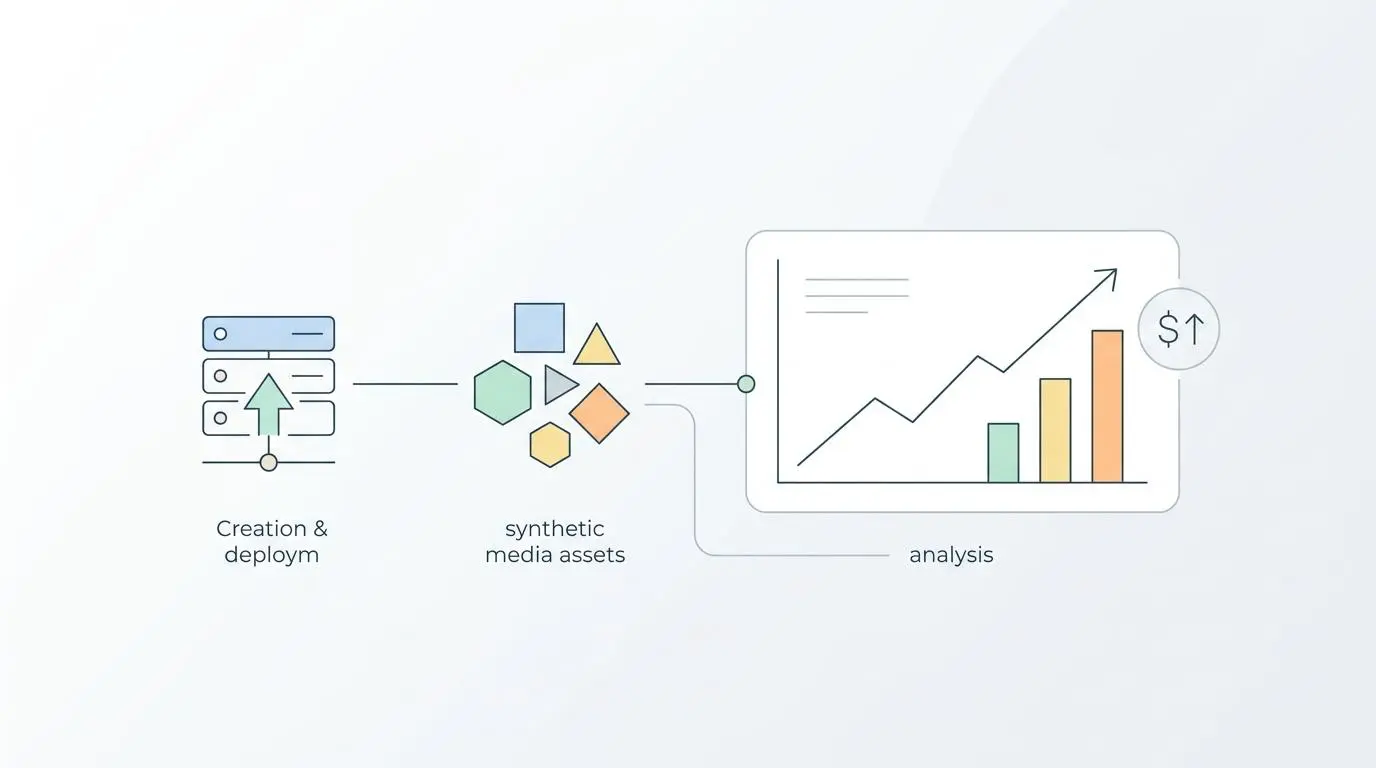
Virtual influencers like Lu do Magalu are now generating upwards of $2.5 million annually. These synthetic entities offer total brand safety, predictable output, and flawless execution of corporate messaging. They represent a secure, highly profitable asset class for modern enterprises.
Current data indicates that brands pushing above a 25% AI-allocation threshold in their influencer budgets report a 41% higher ROI compared to traditional human-only campaigns. The financial math heavily favors the adoption of a fully controlled, synthetic media fleet.
Bridging Content and Interactive Software
Historically, there has been a steep technical learning curve required for creators to build digital products beyond static videos or blog posts. Transitioning from an entertainer to a software entrepreneur meant learning to code or hiring expensive developers. This gap left massive amounts of audience monetization on the table.
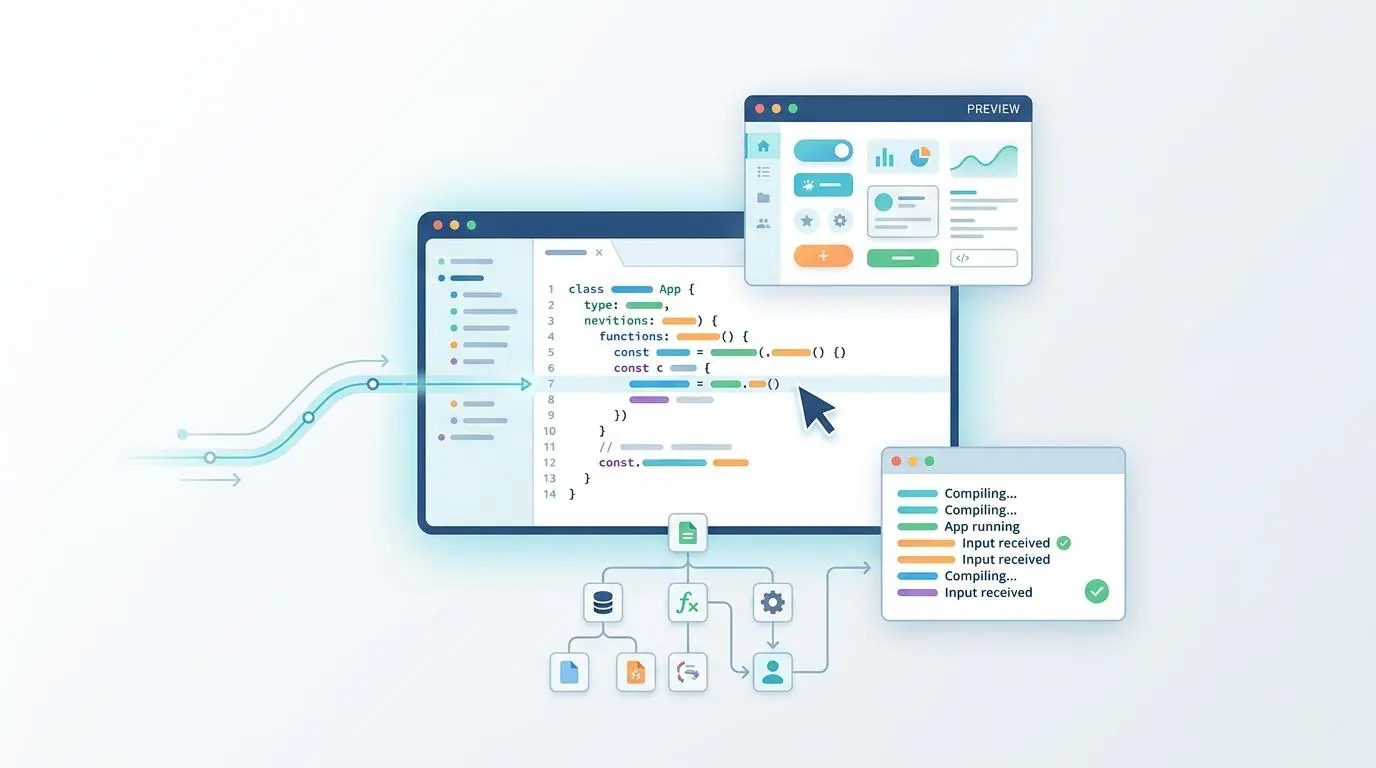
Development environments like Claude Code and Cursor have completely bridged the gap between content creation and software engineering. These tools empower non-technical creators to build custom interactive applications simply by describing them in plain English.
Whether it is a personalized habit tracker or a dedicated fan-engagement app, the barrier to software creation has been eliminated. Creators can now seamlessly transition into tech founders, offering highly interactive digital products to their loyal audiences.
Navigating the Hidden Reputation Penalty
A persistent myth in the industry is that utilizing automated generation is always viewed as a cheap shortcut. However, a recent study by Florida International University found that creators face a significant reputation penalty upon disclosing algorithmic assistance. Even top-tier professionals saw a decline in perceived creative competence when their work was labeled as assisted.
This bias persists even when the output quality is identical to human-only work. A notable study demonstrated that even Hans Zimmer’s prestigious name could not shield a soundtrack from negative bias once its synthetic origins were revealed. Audiences still mourn the perceived loss of creative soul.
To navigate this friction, smart brands are pivoting their strategy. Instead of using these systems for raw content generation, they are deploying them as powerful backend support. Automated tools are now primarily used for deep trend analysis, audience segmentation, and workflow optimization, keeping the human element front and center.
Deploying Synthetic Twins for Global Reach
Human physical limitations and language barriers have always prevented truly global, 24/7 influence. A creator can only speak so many languages and film for so many hours a day. This biological bottleneck restricts international market penetration.
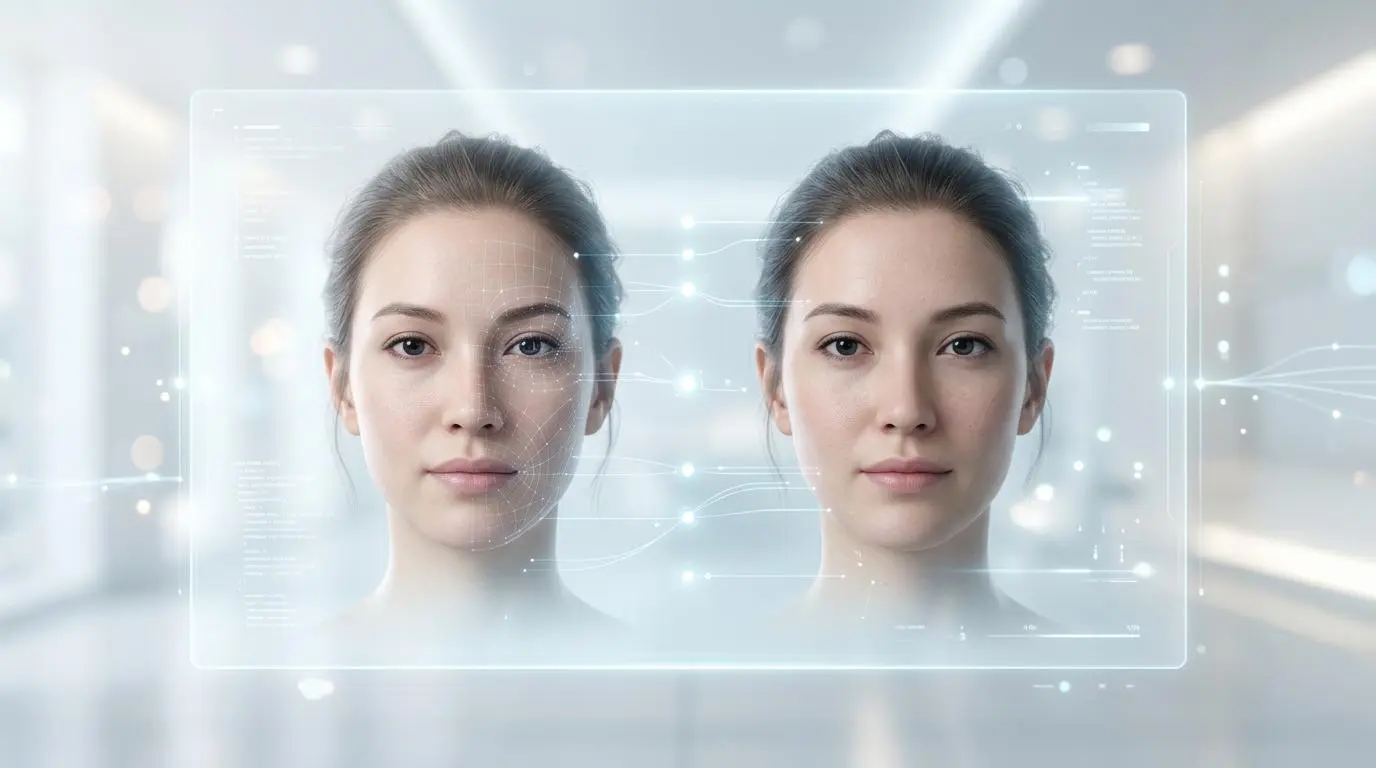
By late 2026, hyper-realistic synthetic twins will become the industry standard. These digital clones of human influencers operate continuously, breaking through geographic and temporal limitations. They allow a localized brand to instantly become a global phenomenon.
These advanced systems feature real-time multilingual lip-syncing that adapts to over 100 local accents automatically. A creator in New York can simultaneously pitch products in fluent Japanese, regional Hindi, and colloquial Brazilian Portuguese without ever stepping in front of a camera.
The Rise of the Autonomous Creator Agency
The market is rapidly pivoting from viewing this technology as a mere creation engine to treating it as a strategic agent. We are witnessing the birth of the autonomous creator agency. In this new paradigm, intelligent agents handle everything from trend-spotting and scriptwriting to automated publishing and direct-message sales.
This evolution effectively turns solo creators into the CEOs of their own synthetic media fleets. By embracing the Multimodal Generative Creator Ecosystem, businesses can achieve unprecedented scale, operating complex media empires without the overhead of traditional human agencies.
Navigating the intersection of modern technology, software architecture, and business growth requires a sharp strategy. To future-proof your tech stack and scale with precision, connect with Andres at Andres SEO Expert.
Frequently Asked Questions
What is the content velocity gap in digital marketing?
The content velocity gap refers to the disparity between the high volume of multi-platform media required by modern algorithms and the physical capacity of human creators to produce it. This gap leads to burnout and the proliferation of low-quality content, necessitating the use of Multimodal Generative Creator Ecosystems to maintain brand presence.
Are virtual influencers more effective than human creators?
According to 2026 data, virtual influencers achieve a 5.67% engagement rate, which is three times higher than the 1.89% average for human creators. Their ability to maintain consistent narratives and scale without human limitations makes them highly effective for brand partnerships.
What is the ROI of using AI in influencer marketing?
Brands that allocate more than 25% of their influencer marketing budgets to AI and synthetic talent report a 41% higher ROI compared to traditional human-only campaigns. This is driven by lower talent costs, reduced scandal risk, and 24/7 operational capability.
How do creators use synthetic twins to reach global audiences?
Synthetic twins are hyper-realistic digital clones of human influencers that operate continuously across geographic boundaries. They utilize real-time multilingual lip-syncing to adapt to over 100 local accents, allowing creators to engage international markets without language barriers or physical presence.
Is there a reputation risk when disclosing AI assistance in content?
Yes, research from Florida International University suggests that creators face a significant reputation penalty upon disclosing AI assistance, including a decline in perceived creative competence. To avoid this bias, many creators use AI primarily for backend workflow optimization rather than raw content generation.
What tools are used to scale content across multiple platforms?
Modern creators use advanced software such as Seedance 2.0, Pollo AI, and Nano Banana to scale content. These systems allow for the generation of over 1,000 video variations in just ten days, automating the process of platform-native resizing and tone adjustments for TikTok, Instagram, and YouTube.