Key Points
- Edge-Side Interception: Deploying Cloudflare Workers to inject links via CoinGecko’s API modifies the HTML stream at the CDN layer, bypassing database latency and preserving TTFB.
- Contract-Level Mapping: Utilizing unique contract addresses rather than volatile ticker symbols eliminates link hallucination and ensures precise PageRank flow.
- Liquidity-Weighted Sculpting: Automatically boosting internal link density for high-volume tokens while stripping links from delisted assets optimizes crawl budget in real-time.
Table of Contents
The Phantom Equity Drain
The invisible cost of manual SEO execution is a silent hemorrhaging of link equity toward dead assets. Cryptocurrency markets operate with ruthless volatility, hosting millions of tokens that shift dominance daily. Static internal linking architectures become mathematically obsolete within hours of deployment.
This architectural lag creates massive orphan page risks across enterprise domains. It triggers a phenomenon known as stale authority, where precious link equity flows relentlessly to defunct assets while emerging narratives starve. The ultimate solution to this chaos is dynamic programmatic internal link injection.
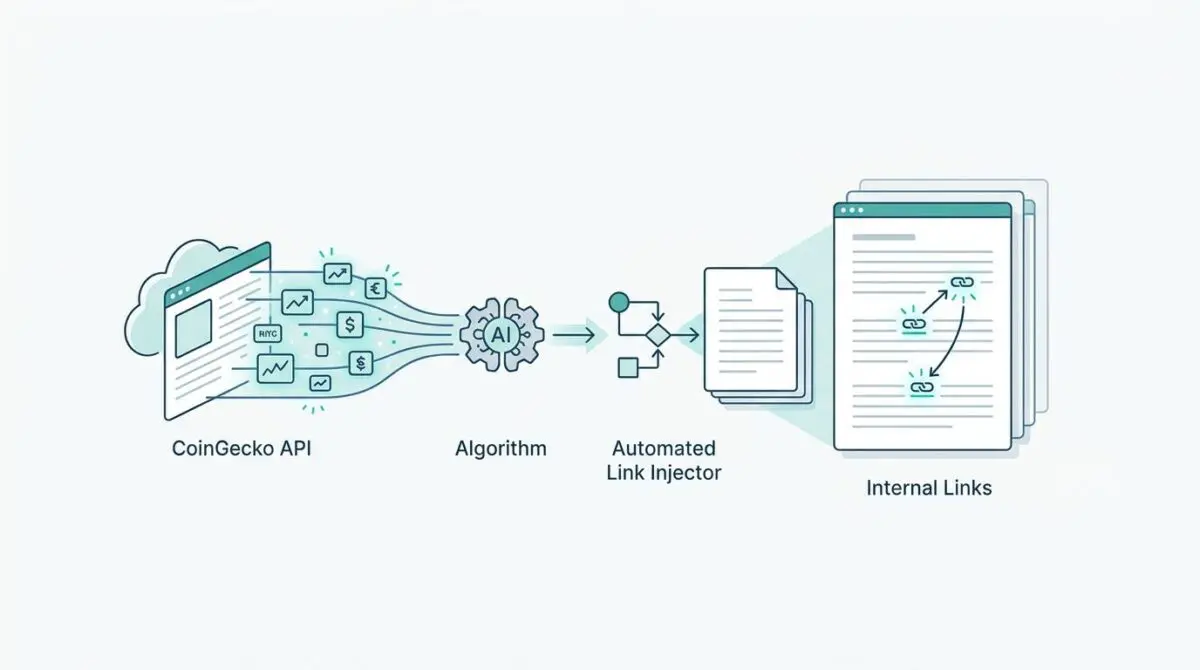
By decoupling internal links from the static CMS database and moving them to an automated API layer, engineering teams can route authority in real-time. This transforms a rigid website into a fluid entity that reacts instantly to market conditions.
Quantifying the Crawl Efficiency Paradox
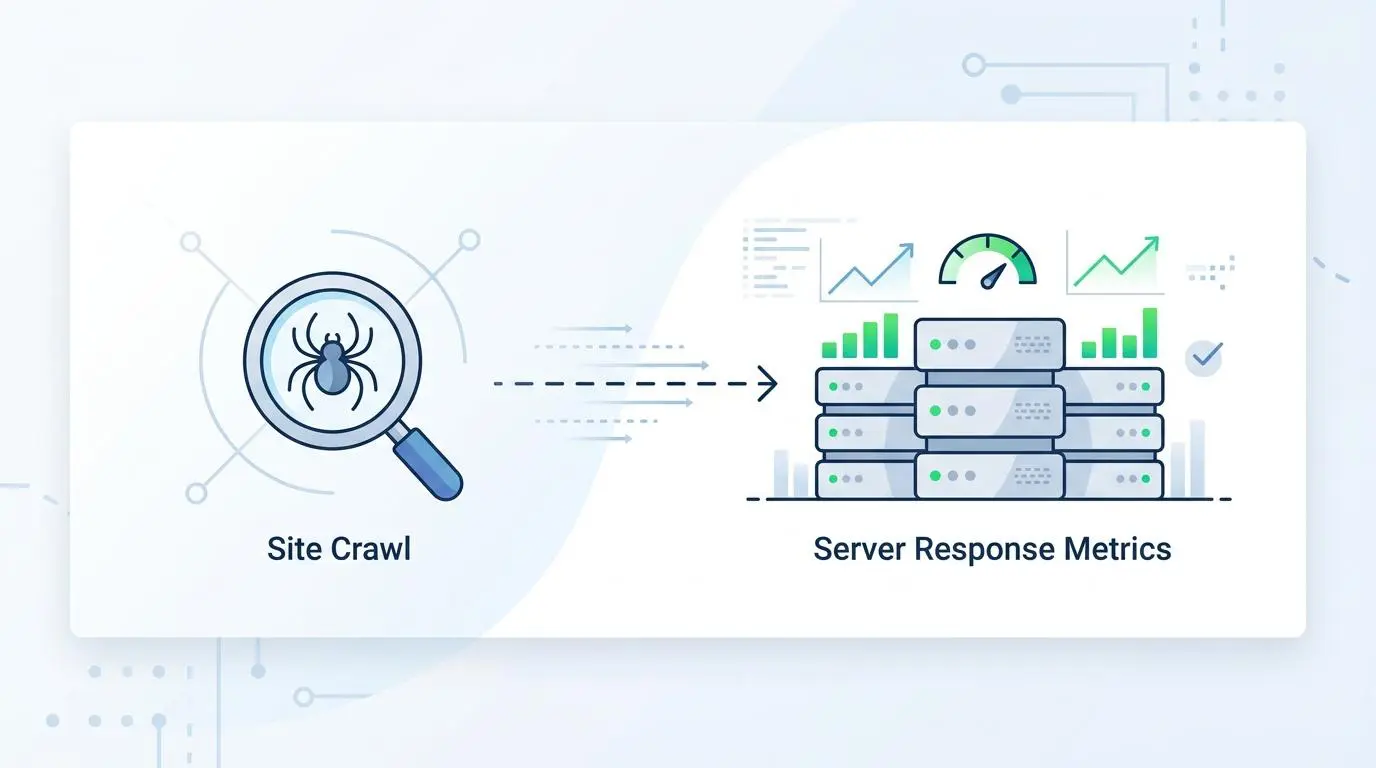
Recent industry studies reveal that sites using AI-powered semantic link discovery and automated injection see massive improvements in crawl efficiency. This dramatic increase occurs because search engine bots no longer waste time traversing deep, irrelevant pagination to find newly minted token pages. Instead, the most critical URLs are dynamically surfaced to the top of the internal crawl graph.
Reducing server response time by just a fraction of a second allows for a significant increase in the number of pages crawled per session. Injecting links at the application layer often triggers cache-purging cascades that crash your Time to First Byte. Edge-side injection solves this by modifying the HTML stream in the CDN layer without hitting the central CMS.
This serverless approach aligns perfectly with modern search engine guidelines for crawl budget management. It ensures maximum indexation velocity without compromising server stability.
CDN-Level Interception and Routing
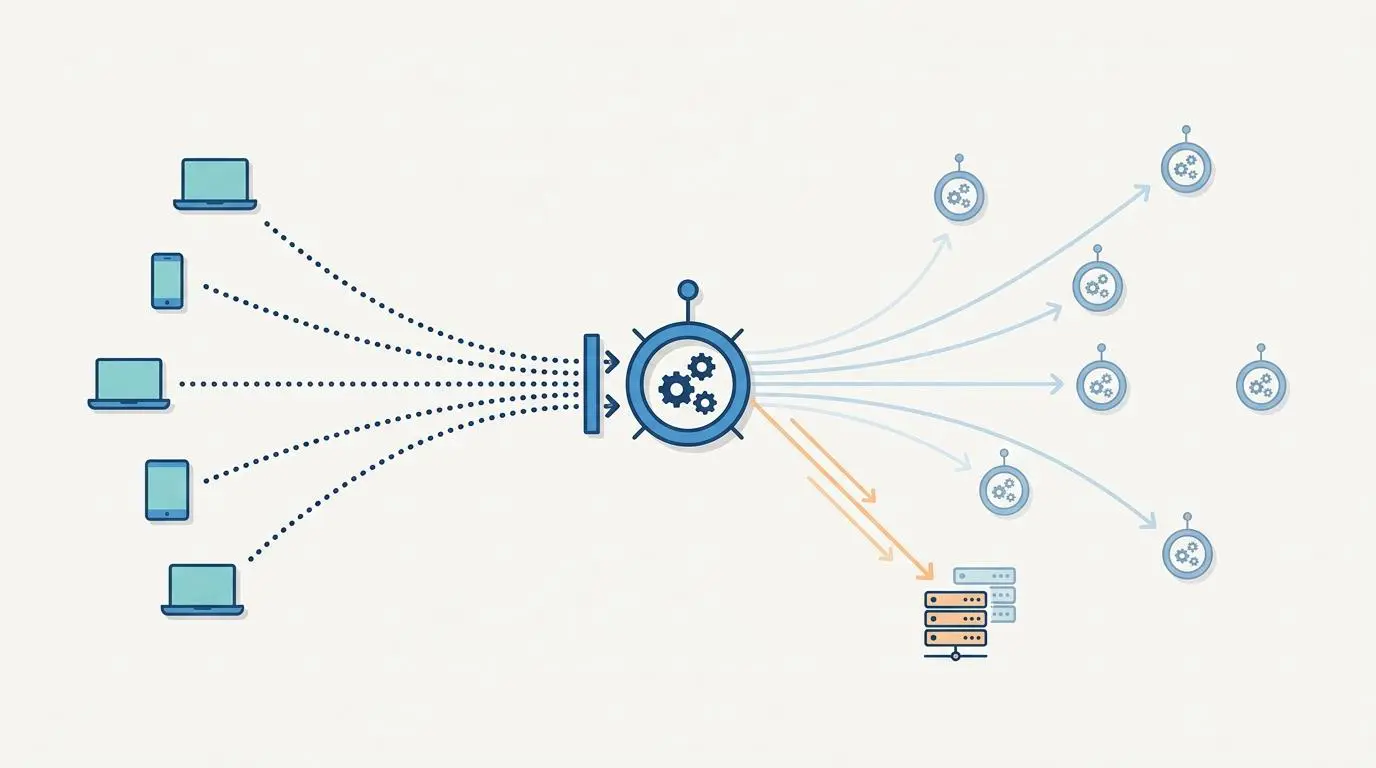
Traditional CMS link injection requires database queries that add severe rendering latency. Every time a new trending token emerges, updating global sidebars forces a massive cache purge across the entire infrastructure. This cache invalidation cascade frequently crashes server response times and severely throttles bot crawling.
The modern engineering fix involves deploying edge computing solutions to intercept HTTP requests. These serverless environments inject contextual links via financial REST APIs on the fly. The logic executes in milliseconds directly at the network edge.
By bypassing the origin server database entirely, you achieve real-time link updates based on trending market endpoints. The HTML response is modified before it reaches the client. This preserves your CMS cache while serving highly dynamic internal links.
Resolving Token Ambiguity at Scale
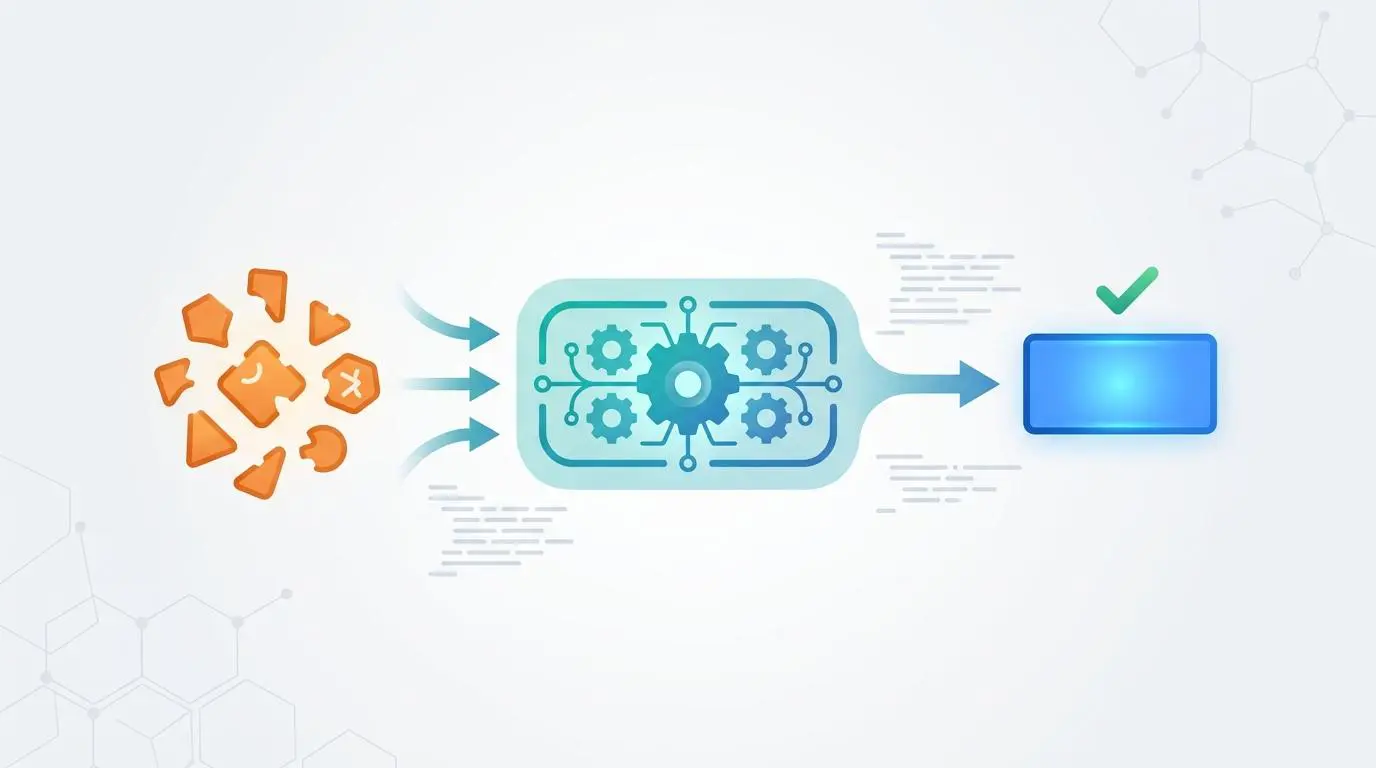
Ticker symbol ambiguity is a silent killer in cryptocurrency SEO architectures. A single symbol might refer to dozens of entirely different tokens across various competing blockchains. This causes link hallucination, where programmatic systems funnel valuable PageRank to incorrect or malicious entities.
To solve this programmatic friction, advanced architectures utilize dedicated API endpoints for automated token-to-post mapping. Leading systems rely exclusively on unique contract addresses to cross-reference CMS databases. This removes all guesswork from the injection logic.
This strict mapping layer ensures that any mention of a specific asset always links to the correct high-authority sub-page, regardless of ticker collisions. The result is a mathematically precise internal link graph that never leaks authority to duplicate tokens.
Fluid PageRank Sculpting via Market Signals
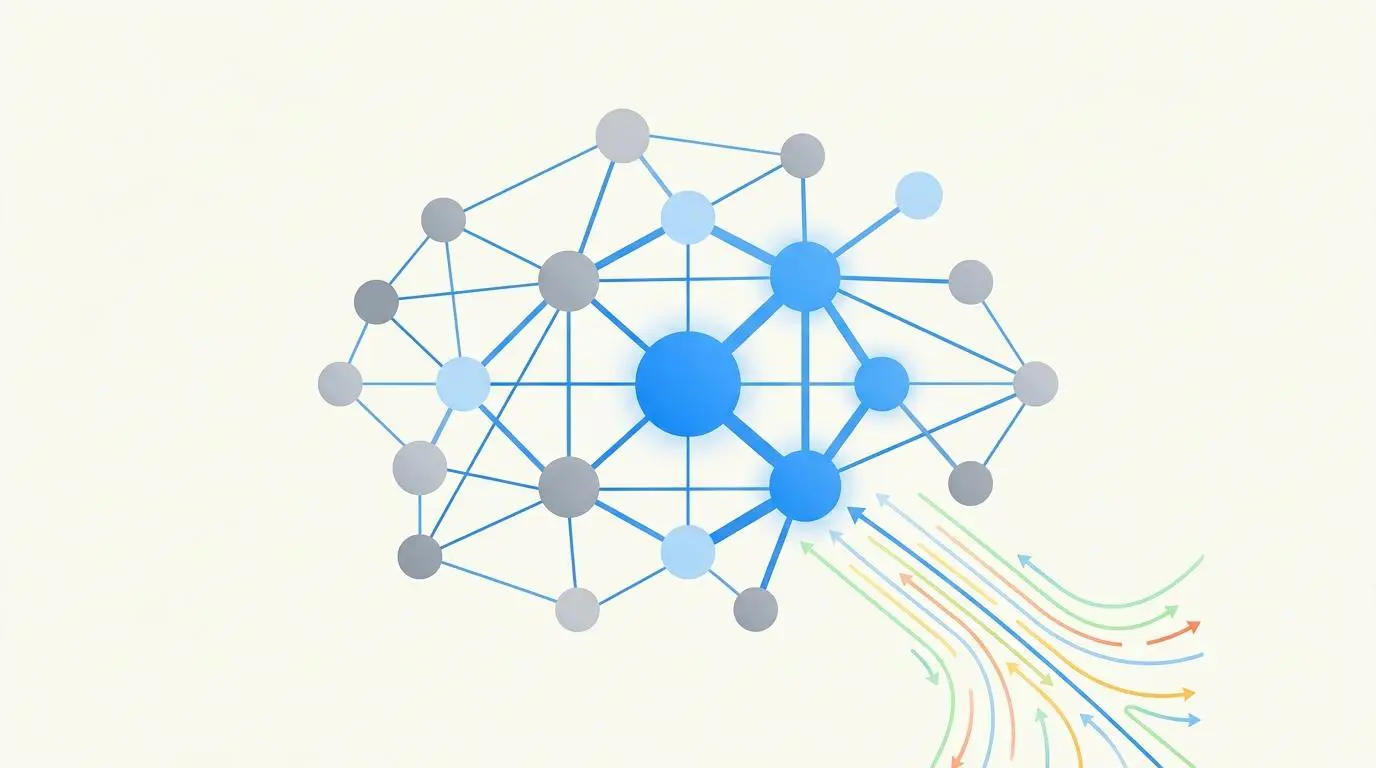
Traditional SEO tools cannot calculate PageRank in real-time for architectures spanning hundreds of thousands of dynamic URLs. Static link sculpting fails because it cannot adapt to sudden liquidity crashes or market delistings. Automation must rely on external market signals to prioritize the internal crawl graph dynamically.
Modern algorithms now weight internal link density by real-time market capitalization or trading volume metrics fetched via API. High-volume tokens receive boosted injection across global sidebars and high-traffic editorial pages. This funnels maximum equity to the pages generating the most search demand.
Conversely, delisted or low-liquidity tokens are automatically stripped of internal links to preserve precious crawl budget. A lesser-known strategy involves using category endpoints to build thematic link silos automatically.
When a specific sector starts trending, the automation re-clusters all internal links to favor that specific category. This allows enterprise aggregators to dominate topical authority without manual intervention.
Synchronizing Structured Data with Volatility
Injecting dynamic links without updating the underlying page metadata creates a dangerous discrepancy for search engines. Schema that contradicts the visible user interface data quickly leads to manual penalties for spammy structured data. The context of the link must perfectly match the code behind it.
Automated injection of financial schema using live market data objects eliminates this risk entirely. This synchronizes critical fields directly within the JSON-LD payload. The update happens simultaneously with the link injection.
By piping the exact same API response into both the link anchor context and the structured data, you ensure complete parity. Search engines are provided with structured, mathematically verified evidence of the link’s relevance to boost semantic trust.
The Shift Toward Agentic Linking
The SEO industry is shifting aggressively from rule-based injection to agentic linking. Autonomous AI agents will continuously monitor decentralized liquidity pools and raw social sentiment. These agents will possess the capability to re-route an entire enterprise site’s internal link equity in real-time.
This means authority will flow toward emerging narratives and micro-trends before they even register on traditional search metrics. The internal link graph will become a living, breathing financial entity that anticipates search demand rather than reacting to it.
Navigating the intersection of technical SEO, programmatic architecture, and workflow automation requires a sharp strategy. To future-proof your site’s architecture and scale with precision, connect with Andres at Andres SEO Expert.
Frequently Asked Questions
What is dynamic programmatic internal link injection for SEO?
It is a technical strategy that decouples internal links from a static CMS database, moving them to an automated API layer. This allows for real-time routing of link equity based on live market conditions, preventing “stale authority” where SEO value flows to dead or low-liquidity assets.
How does CDN-level link injection improve website performance?
By using serverless edge computing like Cloudflare Workers or Fastly Compute@Edge, links are injected directly into the HTML stream before it reaches the client. This bypasses the origin server’s database, preserving the CMS cache and significantly reducing Time to First Byte (TTFB) compared to traditional query-based injection.
Why is ticker symbol ambiguity a risk for cryptocurrency SEO?
Ticker symbols (like ‘GOLD’) are not unique and can refer to multiple assets across different blockchains. To prevent “link hallucination” and leaking PageRank to incorrect entities, technical architectures use unique contract addresses or specific API IDs to map links accurately to the correct high-authority pages.
How do market signals like trading volume impact internal link sculpting?
Modern SEO automation weights internal link density using real-time metrics such as Market Cap or 24-hour Trading Volume. High-volume tokens receive “Boosted Injection” to funnel PageRank toward high-demand pages, while delisted assets are stripped of links to conserve crawl budget.
Can automated internal linking improve Google crawl efficiency?
Yes. Studies show that AI-powered semantic link discovery and automated injection can improve crawl efficiency by up to 47%. By dynamically surfacing critical URLs to the top of the internal crawl graph, search engine bots spend less time on irrelevant pagination and more time indexing high-value pages.
How do you synchronize structured data with volatile market prices?
Automated systems use market data API objects to update both the visible link anchor and the underlying JSON-LD Schema simultaneously. This ensures 100% parity between what the user sees and what the search engine parses, avoiding “Spammy Structured Data” penalties.