Executive Summary
- Indexation is the definitive stage where a search engine adds a URL to its database (the index) after the crawling phase.
- Presence in the index is a prerequisite for ranking; content that is not indexed cannot appear in search engine results pages (SERPs).
- Technical control over indexation is managed through meta robots tags, X-Robots-Tags, and canonical declarations.
What is Indexation?
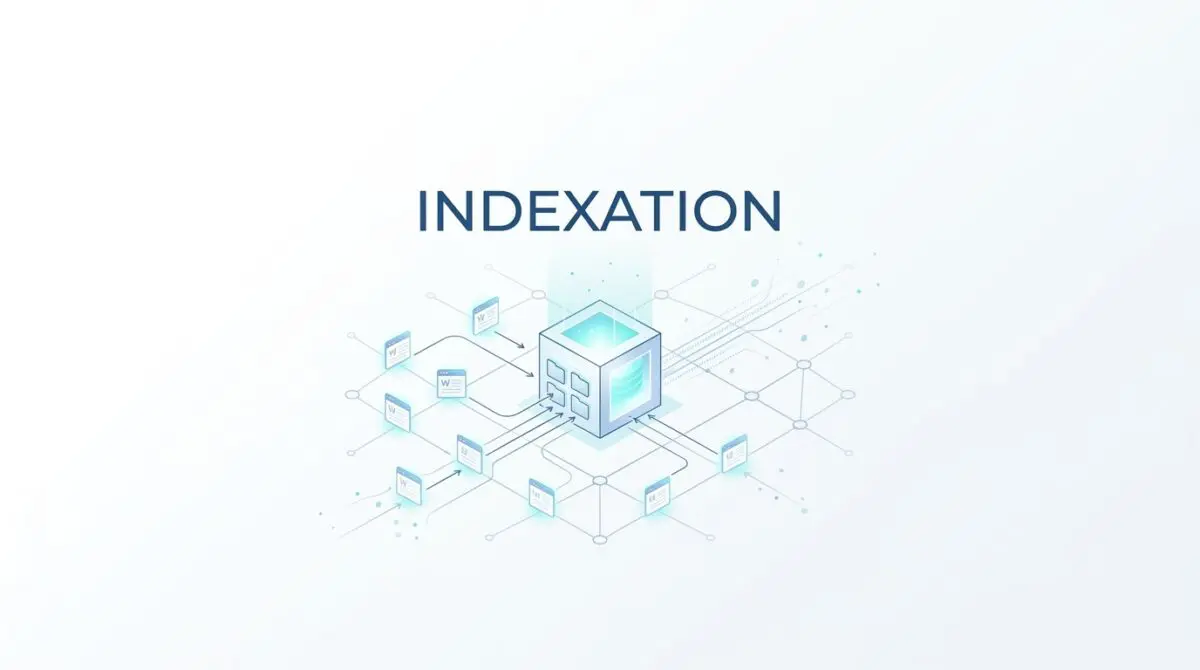
Indexation is the technical process by which search engines, such as Google or Bing, organize and store information from the web in a massive database known as a search index. This process occurs after the crawling phase, where search bots (spiders) discover content. During indexation, the search engine parses the HTML, analyzes the content, and evaluates signals such as metadata, structured data, and visual elements to understand the page’s context and relevance.
Once a page is indexed, it is eligible to be retrieved and displayed in response to user queries. The index functions as an inverted index, mapping specific keywords and concepts to the URLs where they appear. It is important to distinguish indexation from crawling; while crawling is the discovery of the URL, indexation is the formal inclusion of that URL into the searchable database. Not all crawled pages are indexed, as search engines may exclude pages due to low quality, duplicate content, or specific technical directives.
The Real-World Analogy
Imagine a massive university library containing millions of books. Crawling is the equivalent of a librarian walking through the aisles and noticing new books arriving on the loading dock. Indexation, however, is the process of the librarian reading those books, categorizing them, and adding their details to the library’s digital catalog. If a book is in the building but hasn’t been entered into the catalog, a student searching the computer system will never find it. In the digital world, your website is the book, and the search engine’s index is that searchable catalog.
Why is Indexation Important for SEO?
Indexation is the fundamental gateway to organic visibility. If a URL is not indexed, it effectively does not exist in the eyes of the search engine, regardless of how well-optimized the content or backlink profile may be. Consequently, indexation directly impacts a site’s ability to generate organic traffic and revenue. For large-scale enterprise websites, managing the “indexation coverage” is critical to ensure that high-value pages are prioritized while low-value or redundant pages are excluded to preserve crawl budget and maintain site authority.
Best Practices & Implementation
- Submit XML Sitemaps: Regularly update and submit XML sitemaps via Google Search Console to provide a direct roadmap of URLs that you intend to have indexed.
- Optimize Internal Linking: Ensure that important pages are well-linked within the site architecture, as strong internal signals help search engines identify and prioritize key content for indexation.
- Monitor Index Coverage Reports: Use tools like Google Search Console’s Indexing report to identify “Crawled – currently not indexed” or “Excluded” statuses and resolve underlying technical issues.
- Use Canonical Tags Correctly: Implement self-referencing canonical tags to signal the preferred version of a page, preventing indexation bloat caused by duplicate URL parameters.
- Manage Directives: Utilize the
noindexmeta tag for utility pages (e.g., thank-you pages, internal search results) to ensure the index remains focused on high-quality, relevant content.
Common Mistakes to Avoid
A frequent error is the misuse of robots.txt to prevent indexation. While robots.txt blocks crawling, it does not necessarily prevent a page from being indexed if it is linked to from other sources. Another common mistake is “index bloat,” where thousands of low-value, thin, or duplicate pages are allowed into the index, which can dilute the overall perceived quality of the domain and waste crawl resources.
Conclusion
Indexation is the critical bridge between content discovery and search visibility. Mastering the technical controls of the index ensures that your most valuable assets are available to users and search engines alike.