


Key Takeaways
- Workers Cache is a tiered cache that sits in front of every Worker entrypoint, configured with one line in Wrangler.
- Uses standard Cache-Control headers and supports stale-while-revalidate, Vary, and multi-tenant cache keys via ctx.props.
- Cache hits incur no CPU time, dramatically reducing cost and latency for server-rendered applications.
Table of Contents
The End of Serverless Rendering Penalties
Cloudflare has fundamentally altered the economics of serverless computing with the launch of Workers Cache on July 6, 2026. This tiered cache sits directly in front of every Worker entrypoint, allowing cached responses to be served without any CPU execution from the Worker. For server-rendered applications—where every request previously required a full render—this eliminates the latency and cost tax that made dynamic pages expensive. The setup is minimal: one line of Wrangler configuration and standard Cache-Control headers transform any Worker into a high-performance, cache-first origin.
Inside Workers Cache: How One Line of Config Transforms Edge Performance
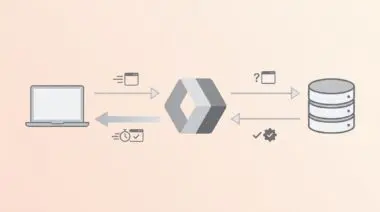
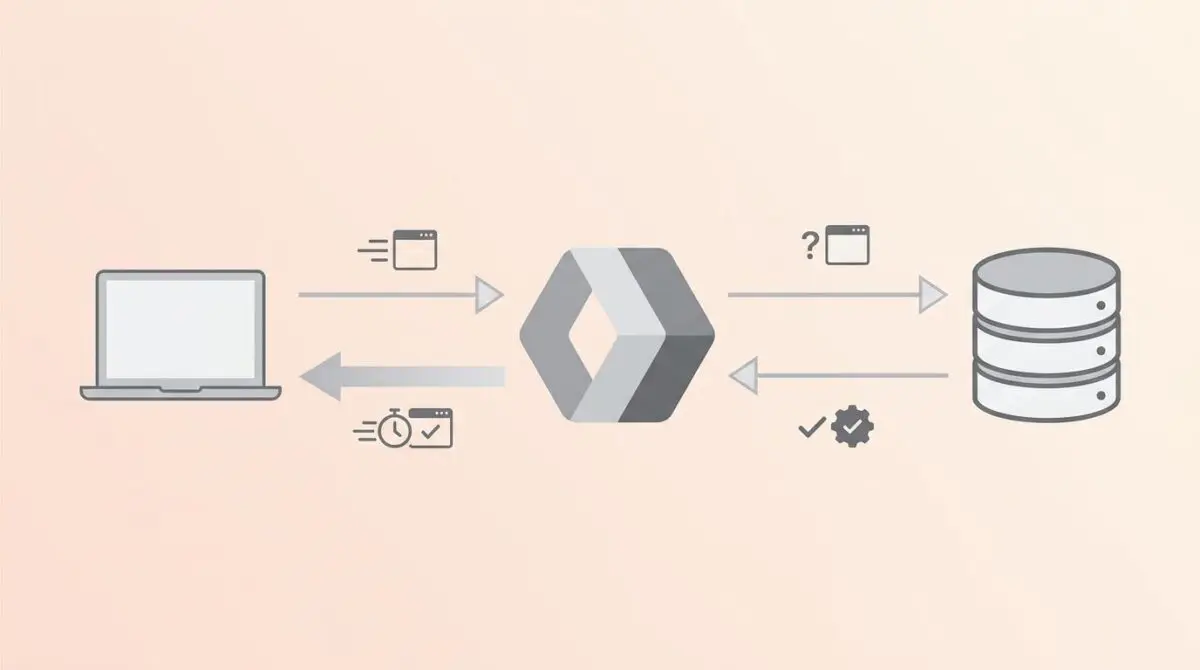
Workers Cache is not just another CDN knob—it is a architectural shift. The cache operates in two tiers: a lower tier in each Cloudflare data center and an upper tier that aggregates globally. On a hit, the response is served from the nearest lower tier; on a miss, the lower tier queries the upper tier. Only if both miss does the Worker actually execute, and its response populates both tiers. This regional tiering dramatically improves hit ratios across the globe.
The entire API is header-driven. Developers control caching with Cache-Control directives like public, max-age=300, stale-while-revalidate=3600. The stale-while-revalidate directive is the breakthrough: it allows instant delivery of stale content while the Worker refills the cache in the background. No user ever waits for a cold start.
For multi-representation content, Vary headers work as specified by RFC 9110. Workers Cache stores separate variants per distinct request header combinations. There is no allowlist; any header can be varied. Compared to incumbent CDNs, this compliance is a breath of fresh air for developers who need content negotiation.
Perhaps the most understated feature is per-entrypoint caching. With Wrangler’s exports map, you can disable caching on gateway entrypoints and enable it on backend ones. The cache becomes a composable layer within a single Worker. Combined with ctx.props for tenant isolation, Workers Cache enables patterns like gateway + cached backend without external proxies.
Strategic Implications: Why Workers Cache Reshapes the CDN and Serverless Landscape
As detailed in the official technical release, the launch of Workers Cache closes a gap that has made serverless computing less efficient than its potential. Real-time analysis from early adopters, captured in public forums, highlights both the opportunity and a nuanced cost consideration. On Reddit, users compare it to other CDNs: ‘Compare that to another CDN I work with, where the response from their edgeworker is cached and we don’t pay any execution cost on a cache hit.’ While Workers Cache eliminates CPU time on hits, it still charges the standard request rate—a distinction that matters for high-volume traffic.
According to recent research from the Cloudflare Workers docs (published six days ago), the Cache API now enables fine-grained control of reading and writing from the global network cache. This granularity gives developers the ability to pin specific responses, avoid cache stampedes, and implement complex invalidation strategies. Industry analysts see this as a direct challenge to platforms like Fastly and Akamai, which have offered edge caching for compute for years but often with complex configuration.
The strategic win for Cloudflare is the integration: cache is not a separate product but a runtime primitive. It composes with Smart Placement, Durable Objects, and service bindings. This means developers can build apps where parts run near users and parts run near data, with caching as the seam. No other major platform offers this level of composition in a single deployable unit.
The Future of Edge Architecture: Cache as Code
Workers Cache is more than a performance feature—it is a paradigm shift in how we think about edge compute. By making caching an intrinsic part of the Worker runtime, Cloudflare enables developers to treat caching as code: configurable, composable, and granular. The boundaries between CDN and compute blur; every Worker can now act as both origin and cache node.
For performance professionals, the takeaway is clear: server-rendered applications no longer have to choose between freshness and speed. With Workers Cache, you get the best of both worlds—static-speed delivery with dynamic content generation, at a fraction of the CPU cost.
Staying ahead in the rapidly shifting landscape of Performance requires precision. To future-proof your digital strategy and scale effortlessly, you need a foundation built on precision. Optimize your site with advanced speed engineering, secure your infrastructure in high-performance hosting environments, and streamline your entire workflow through autonomous AI pipelines. If you are ready to elevate your systems, Connect with Andres at Andres SEO Expert to build your ultimate architecture.
Frequently Asked Questions
What is Workers Cache and how does it reduce serverless rendering costs?
Workers Cache, launched July 6, 2026, is a tiered cache that sits in front of every Worker entrypoint. On a cache hit, responses are served without any CPU execution from the Worker, eliminating latency and cost associated with dynamic page rendering. It requires only one line of Wrangler config and standard Cache-Control headers.
How does the two-tier cache architecture improve global hit ratios?
Workers Cache has two tiers: a lower tier in each data center and an upper tier that aggregates globally. On a hit, the response is served from the nearest lower tier; on a miss, it queries the upper tier. Only if both miss does the Worker execute, and the response populates both tiers, dramatically improving hit ratios worldwide.
What is the role of the stale-while-revalidate directive in Workers Cache?
The stale-while-revalidate directive allows instant delivery of stale content while the Worker refills the cache in the background. This ensures no user ever waits for a cold start, combining freshness with speed.
How does Workers Cache handle content negotiation with Vary headers?
Workers Cache uses Vary headers as specified by RFC 9110, storing separate variants per distinct request header combinations. There is no allowlist; any header can be varied, simplifying content negotiation for multi-representation content.
What is per-entrypoint caching and how does it enable composable cache layers?
With Wrangler’s exports map, you can disable caching on gateway entrypoints and enable it on backend ones. This makes the cache a composable layer within a single Worker, enabling patterns like gateway + cached backend without external proxies, and combined with ctx.props for tenant isolation.
How does Workers Cache differ from other CDNs in terms of cost and execution?
Workers Cache eliminates CPU time on cache hits, but still charges the standard request rate—a distinction for high-volume traffic. Unlike other CDNs that require complex configuration, Cloudflare integrates cache as a runtime primitive, composing with Smart Placement, Durable Objects, and service bindings, offering a level of composition not found elsewhere.