Executive Summary
- CDNs utilize a geographically distributed network of Point of Presence (PoP) locations to minimize Round Trip Time (RTT) and network latency.
- By caching static and dynamic assets at the network edge, CDNs significantly reduce the computational load on the origin server, improving Time to First Byte (TTFB).
- Modern CDNs provide advanced performance optimizations including Brotli compression, HTTP/3 multiplexing, and automated image transformation at the edge.
What is Content Delivery Network?
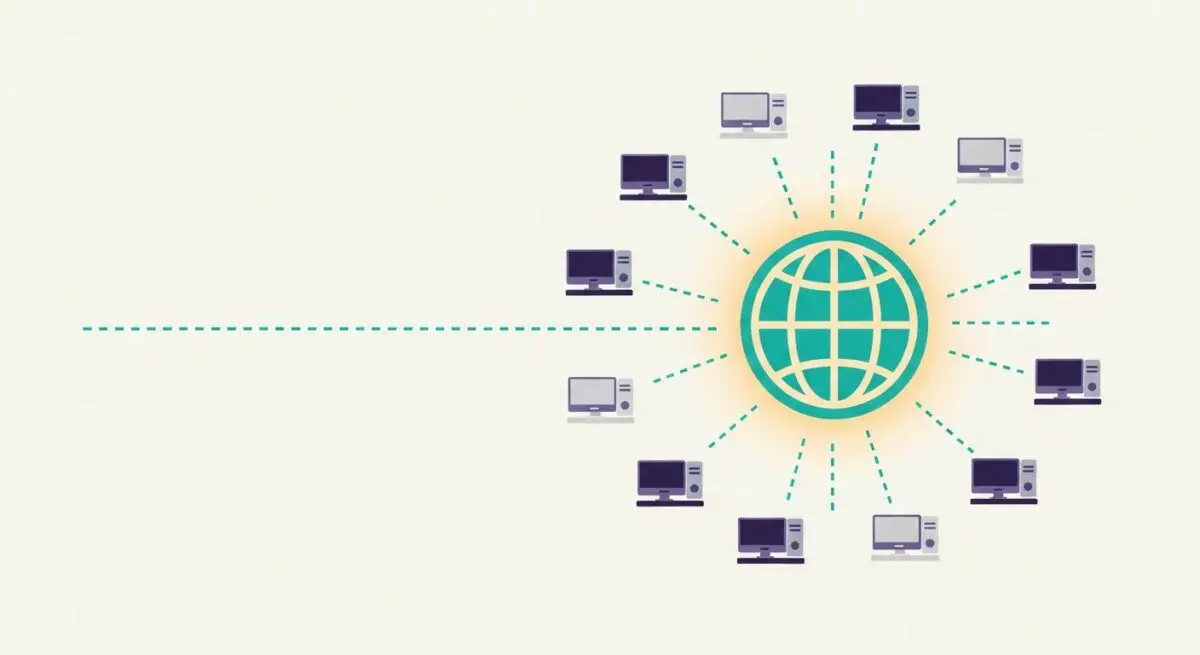
A Content Delivery Network (CDN) is a geographically distributed group of servers—often referred to as edge servers or Points of Presence (PoPs)—that work together to provide rapid delivery of Internet content. By caching assets such as HTML pages, JavaScript files, stylesheets, and images in multiple locations worldwide, a CDN ensures that a user’s request is fulfilled by the server physically closest to them. This architecture minimizes the physical distance data must travel, effectively reducing network latency, jitter, and packet loss.
Beyond simple caching, modern CDNs function as a sophisticated application delivery layer. They handle SSL/TLS termination, provide Web Application Firewalls (WAF), and execute edge computing logic. By offloading these resource-intensive tasks from the origin infrastructure, a CDN enhances both the scalability and security of a web application, ensuring consistent performance during traffic spikes or distributed denial-of-service (DDoS) attacks. We at Andres SEO Expert consider a robust CDN configuration the foundation of any enterprise-grade performance strategy.
The Real-World Analogy
Imagine a global pizza chain that only has one single kitchen located in New York City. If a customer in Tokyo orders a pizza, it must be prepared in New York and flown across the ocean, arriving cold and stale. A Content Delivery Network is like that same pizza chain establishing local kitchens in every major city. When the Tokyo customer orders, the pizza is prepared and delivered from the Tokyo kitchen. The product is identical, but the delivery is significantly faster because the resources are stored and distributed closer to the end consumer.
Why is Content Delivery Network Critical for Website Performance and Speed Engineering?
In the context of Core Web Vitals, a CDN is the primary tool for optimizing Largest Contentful Paint (LCP) and Time to First Byte (TTFB). By serving the hero image or the main HTML document from an edge server, the browser can begin rendering the page much sooner. Furthermore, CDNs reduce the TCP and TLS handshake overhead by terminating connections at the edge, which is vital for users on high-latency mobile networks where every round trip adds hundreds of milliseconds to the load time.
Speed engineering relies on the CDN’s ability to perform Edge Side Includes (ESI) and advanced caching of dynamic content. This allows personalized or frequently changing data to be assembled at the edge rather than waiting for a round-trip to the origin database. Additionally, features like Early Hints (103) and Brotli compression at the edge ensure that the payload size is minimized and the browser’s discovery of critical resources is accelerated, directly impacting the Speed Index and Total Blocking Time (TBT).
Best Practices & Implementation
- Implement Granular Cache-Control Headers: Precisely define TTL (Time to Live) values for different asset types to ensure the CDN serves fresh content while maximizing cache hit ratios and reducing origin egress.
- Enable HTTP/3 and 0-RTT: Utilize the latest transport protocols to reduce connection setup times and improve performance on unstable mobile networks through UDP-based multiplexing.
- Leverage Edge Image Optimization: Use the CDN to automatically convert images to next-gen formats like WebP or AVIF and dynamically resize them based on the user’s device viewport and Client Hints.
- Configure Origin Shielding: Implement an intermediate caching layer between the edge PoPs and the origin server to further protect the origin from traffic surges and consolidate requests.
Common Mistakes to Avoid
One frequent error is failing to implement a proper cache purging strategy, leading to users seeing outdated content after a deployment. Another common mistake is misconfiguring the CDN to cache private user data or failing to cache the HTML document itself, which negates the TTFB benefits. Finally, many brands neglect to monitor their Cache Hit Ratio (CHR), failing to realize that a misconfigured CDN acts as a transparent proxy with no performance benefit.
Conclusion
A Content Delivery Network is an indispensable component of modern web architecture, essential for reducing latency and optimizing Core Web Vitals at a global scale. Proper implementation ensures high availability and superior server response times for distributed user bases.