



Executive Summary
- The robots meta tag provides granular, page-level instructions to search engine crawlers, overriding or supplementing site-wide robots.txt directives.
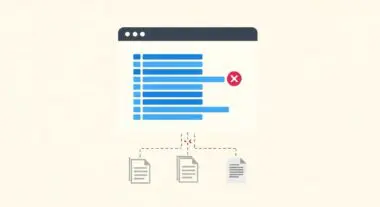
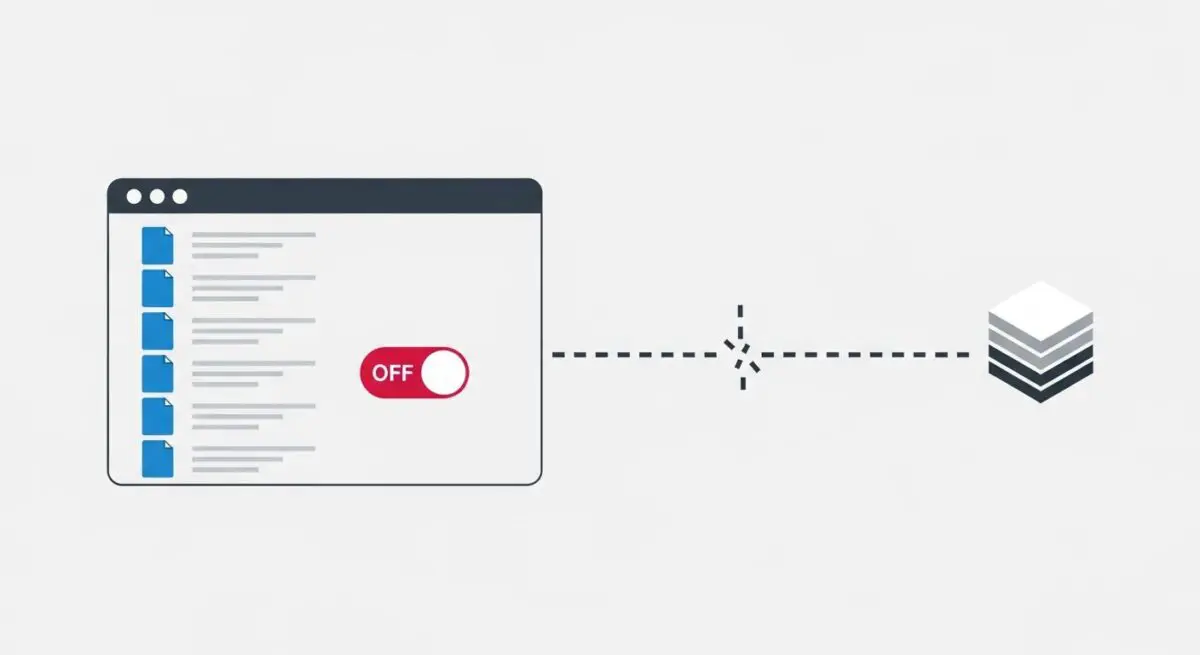
- Primary directives include noindex to prevent page indexing and nofollow to stop crawlers from passing equity through links.
- Proper implementation is critical for crawl budget optimization and preventing the indexation of thin, duplicate, or sensitive content.
What is Robots Meta Tag?
The robots meta tag is a specific HTML element located within the <head> section of a webpage. It serves as a direct communication channel between webmasters and search engine crawlers (user-agents). Unlike the robots.txt file, which manages crawling behavior at the directory or site level, the robots meta tag provides page-specific instructions regarding how a document should be indexed and displayed in search engine results pages (SERPs).
Technically, the tag utilizes the name="robots" attribute to apply to all crawlers, or specific attributes like name="googlebot" to target individual search engines. The content attribute contains the directives, such as index, noindex, follow, and nofollow. These directives are essential for managing a site’s search footprint and ensuring that only high-value pages are eligible for ranking.
The Real-World Analogy
Imagine a large office building (your website) that is open to the public. The robots.txt file is like the security guard at the front gate telling visitors which hallways they can walk down. The robots meta tag, however, is like a sign placed specifically on an individual office door. Even if the guard let the visitor into the hallway, the sign on the door might say “No Photography Allowed” or “Private: Do Not Enter.” It provides specific, localized rules for that exact room, regardless of the general building rules.
Why is Robots Meta Tag Important for SEO?
The robots meta tag is a fundamental tool for technical SEO because it directly influences crawl budget and index bloat. By using the noindex directive, SEO professionals can prevent low-quality pages—such as internal search results, filter parameters, or staging environments—from appearing in search results. This ensures that search engines focus their resources on the most authoritative and relevant content.
Furthermore, the nofollow directive allows for the management of link equity. While it is generally better to use rel="nofollow" on individual anchor tags, the meta-level directive can be a safeguard for pages with numerous untrusted or user-generated links. Advanced directives like nosnippet and max-image-preview also give developers control over how their content is represented in AI-search summaries and rich results, which is increasingly vital in the era of Generative Engine Optimization (GEO).
Best Practices & Implementation
- Prioritize Indexing Control: Use
content="noindex, follow"for pages that provide value to users but should not appear in search results, such as “Thank You” pages or PPC landing pages. - Avoid Redundancy: Do not block a page in robots.txt if you have applied a
noindexmeta tag. If the crawler is blocked by robots.txt, it will never see the meta tag, and the page may remain in the index. - Use Specific User-Agents: If you need to restrict Google while allowing Bing to index a page, use
name="googlebot"andname="bingbot"tags separately to achieve granular control. - Leverage Advanced Directives: Utilize
noarchiveto prevent search engines from showing cached versions of your site, which is useful for frequently updated or sensitive data.
Common Mistakes to Avoid
One frequent error is the accidental inclusion of a noindex tag in a production environment after migrating from a staging server. This leads to an immediate drop in organic visibility. Another common mistake is assuming that nofollow prevents a page from being indexed; nofollow only instructs crawlers not to follow the links on that page, not to ignore the page itself.
Conclusion
The robots meta tag is a precise instrument for controlling search engine behavior at the document level. Mastery of its directives is essential for maintaining a clean index and optimizing the technical health of complex web architectures.