Executive Summary
- The SERP has evolved from a static list of ten blue links into a complex ecosystem of rich features, including Featured Snippets, Knowledge Panels, and AI-generated overviews.
- Organic Click-Through Rate (CTR) is heavily influenced by ‘pixel depth’ and the presence of zero-click features that provide immediate answers to user queries.
- Technical SEO must prioritize structured data implementation and intent-based content alignment to capture diverse SERP real estate and maintain visibility.
What is SERP (Search Engine Results Page)?
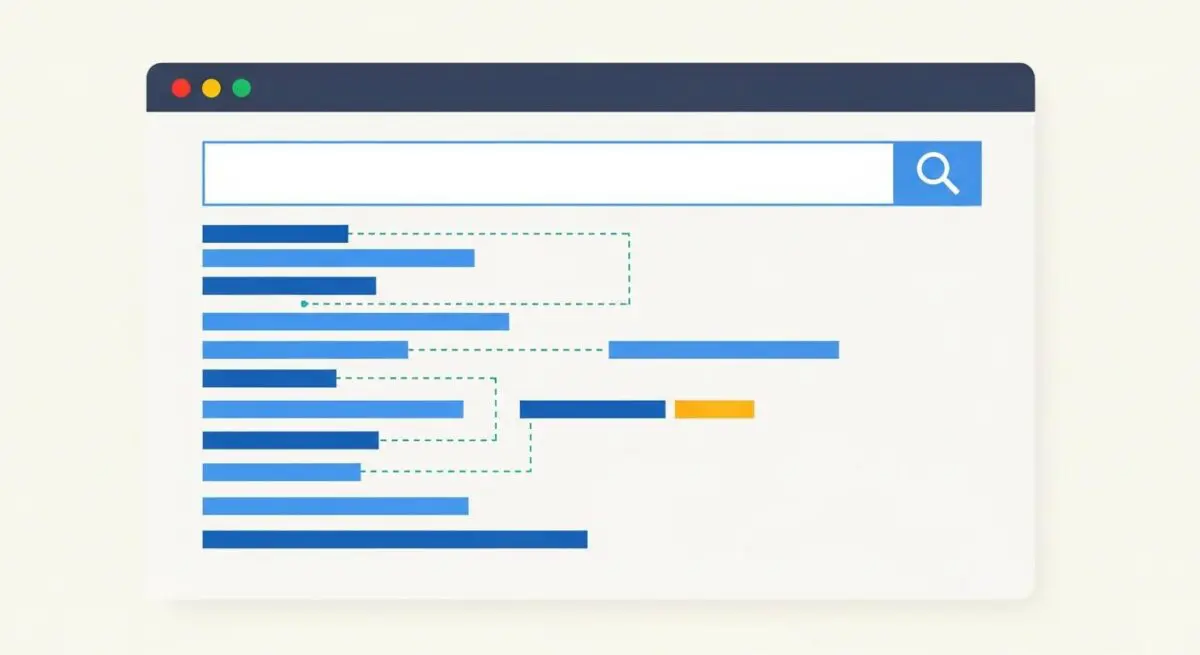
A Search Engine Results Page (SERP) is the dynamic interface generated by a search engine, such as Google or Bing, in response to a specific keyword query. It functions as a sophisticated delivery mechanism for the engine’s index, utilizing complex algorithms to rank and display content based on relevance, authority, and user intent. Modern SERPs are no longer uniform; they are highly personalized and volatile, often changing based on the user’s device, geographic location, and search history.
Technically, a SERP is a composite of multiple data sources. It integrates traditional web crawling data with specialized vertical search results (images, news, video) and Knowledge Graph entities. For SEO professionals, understanding the anatomy of a SERP is critical for calculating the ‘share of voice’ and identifying the specific features—such as Featured Snippets or Local Packs—that dominate a particular keyword landscape. Every element on the page is designed to reduce friction between the user’s question and the most accurate answer.
The Real-World Analogy
Think of a SERP (Search Engine Results Page) as the digital equivalent of a high-end concierge directory in a massive shopping mall. When you ask the concierge for ‘running shoes,’ they do not just give you a list of store names. Instead, they show you a map of the closest store (Local Pack), a display case with the top-rated shoe (Featured Snippet), a list of current sales (Paid Ads), and a guidebook of expert reviews (Organic Results). The concierge organizes this information so you can find exactly what you need without having to visit every single store in the building.
Why is SERP (Search Engine Results Page) Important for SEO?
The SERP is the primary battlefield for organic visibility. Its importance lies in the direct correlation between SERP positioning and Click-Through Rate (CTR). As search engines introduce more ‘Zero-Click’ features—where the answer is provided directly on the page—the available real estate for traditional organic links shrinks. This necessitates a shift from merely ranking in the top ten to optimizing for ‘Position Zero’ and other rich features that capture user attention before they scroll.
Furthermore, SERP analysis provides deep insights into user intent. If a SERP is dominated by video content, it indicates that the search engine perceives the user’s intent as visual or instructional. Aligning content strategy with the specific features present on a target SERP ensures that technical SEO efforts translate into actual traffic and conversions, rather than just theoretical rankings. Monitoring SERP volatility also allows webmasters to detect algorithmic shifts in real-time.
Best Practices & Implementation
- Implement Structured Data: Use JSON-LD schema markup to qualify for rich snippets, such as FAQs, reviews, and product data, which increase the visual footprint of a listing and improve CTR.
- Optimize for Featured Snippets: Structure content using clear headers and concise, factual paragraphs (typically 40-60 words) to target ‘Position Zero’ for informational queries.
- Monitor Pixel Depth: Use technical SEO tools to measure how many pixels down the page an organic result appears, accounting for the displacement caused by ads and SERP features.
- Analyze Intent-Based Layouts: Before content production, audit the SERP to determine if Google prefers long-form text, lists, videos, or local results for the target keyword.
Common Mistakes to Avoid
One frequent error is ignoring the mobile SERP layout, which often differs significantly from desktop and may prioritize different features like ‘People Also Ask’ boxes or image carousels. Another mistake is failing to account for ‘SERP Volatility,’ where algorithmic updates or seasonal trends cause rapid shifts in feature types, rendering a static optimization strategy ineffective. Finally, many webmasters neglect structured data, missing opportunities for enhanced visibility.
Conclusion
The SERP is a dynamic, multi-faceted environment that requires constant technical monitoring and strategic adaptation to maintain organic search dominance and maximize user engagement.