



Executive Summary
- Reduces initial payload size by partitioning JavaScript into asynchronous chunks.
- Optimizes the main thread by deferring the execution of non-critical scripts.
- Directly improves Core Web Vitals metrics, specifically LCP, TBT, and INP.
What is Code Splitting?
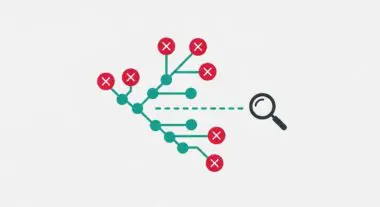
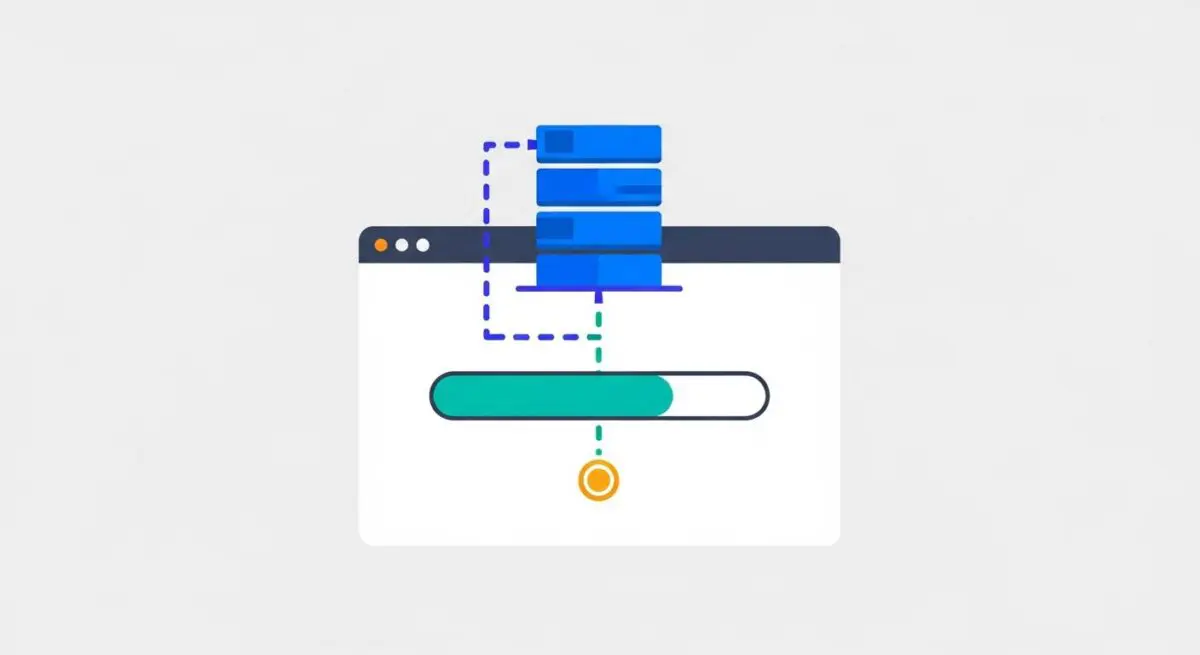
Code splitting is a sophisticated architectural technique employed in modern web development to decompose a monolithic JavaScript bundle into smaller, manageable assets known as “chunks.” By utilizing module bundlers such as Webpack, Rollup, or Vite, developers can isolate specific dependencies or application routes into separate files. This ensures that the browser only downloads, parses, and executes the code necessary for the current view, rather than the entire application logic at once.
At its core, code splitting leverages dynamic imports and asynchronous loading patterns. This mechanism is essential for Single Page Applications (SPAs) where the total codebase can grow exponentially. By strategically partitioning the code, we at Andres SEO Expert ensure that the critical rendering path remains unencumbered by non-essential scripts, thereby facilitating a more efficient execution environment for the browser’s JavaScript engine.
The Real-World Analogy
Consider the process of assembling a piece of complex modular furniture. If the manufacturer sent you every single tool, screw, and panel for ten different furniture models in one massive, disorganized crate, you would spend hours sorting through it before you could even begin. Code splitting is like receiving only the specific parts and instructions for the chair you are currently building. The parts for the table and the bookshelf remain at the warehouse, ready to be delivered only when you decide to start those specific projects. This allows you to complete the chair much faster and with significantly less initial clutter.
Why is Code Splitting Critical for Website Performance and Speed Engineering?
Code splitting is a fundamental pillar of speed engineering because it directly addresses the “cost of JavaScript.” Large scripts are expensive; they require significant network bandwidth to download and substantial CPU cycles to parse and compile. By reducing the initial bundle size, code splitting significantly lowers Total Blocking Time (TBT) and Interaction to Next Paint (INP), as the main thread is not occupied by processing code that isn’t immediately needed.
Furthermore, it enhances the Largest Contentful Paint (LCP) by allowing the browser to prioritize the fetching of critical assets, such as the hero image or primary layout styles, over secondary functional scripts. In the context of AI-Search and GEO, search engines favor pages that exhibit high interactivity and low latency, making code splitting a vital component of technical SEO and user experience optimization.
Best Practices & Implementation
- Implement Route-Level Splitting: Use dynamic
import()statements to load code only when a user navigates to a specific route, ensuring the initial entry point remains lightweight. - Utilize Component-Level Lazy Loading: For heavy components like charts, maps, or complex forms, load them asynchronously only when they are scrolled into the viewport or triggered by user interaction.
- Optimize Vendor Bundles: Separate third-party libraries into a dedicated vendor chunk to leverage browser caching, as these dependencies change less frequently than application code.
- Monitor Chunk Size: Avoid “over-splitting,” which can lead to an excessive number of HTTP requests; aim for a balance between granularity and network overhead.
- Leverage Prefetching and Preloading: Use
<link rel="prefetch">for chunks likely to be needed in the near future to minimize perceived latency during navigation.
Common Mistakes to Avoid
One frequent error is the creation of too many small chunks, which can lead to network congestion and increased overhead due to the sheer volume of HTTP/2 or HTTP/3 requests. Another common pitfall is failing to properly handle the loading state of asynchronous components, resulting in a poor user experience or layout shifts. Finally, developers often neglect to analyze their bundle composition, inadvertently including large, unused libraries in the main entry point.
Conclusion
Code splitting is an indispensable optimization strategy that balances resource delivery with execution efficiency. By strategically partitioning JavaScript, we ensure rapid interactivity and superior performance across all device types.