Executive Summary
- Automates the distribution of inbound data payloads to specific endpoints based on logic-driven criteria.
- Reduces latency in the ‘speed-to-lead’ metric by eliminating manual triage through stateless API integrations.
- Ensures data integrity by normalizing JSON payloads before they enter the CRM or downstream databases.
What is Lead Routing?
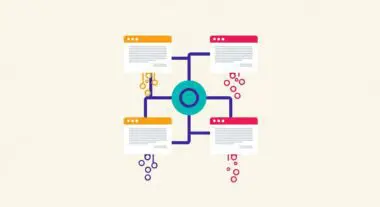
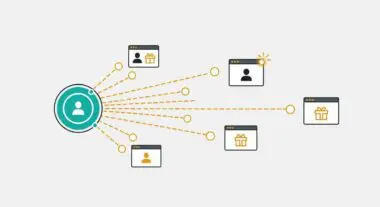
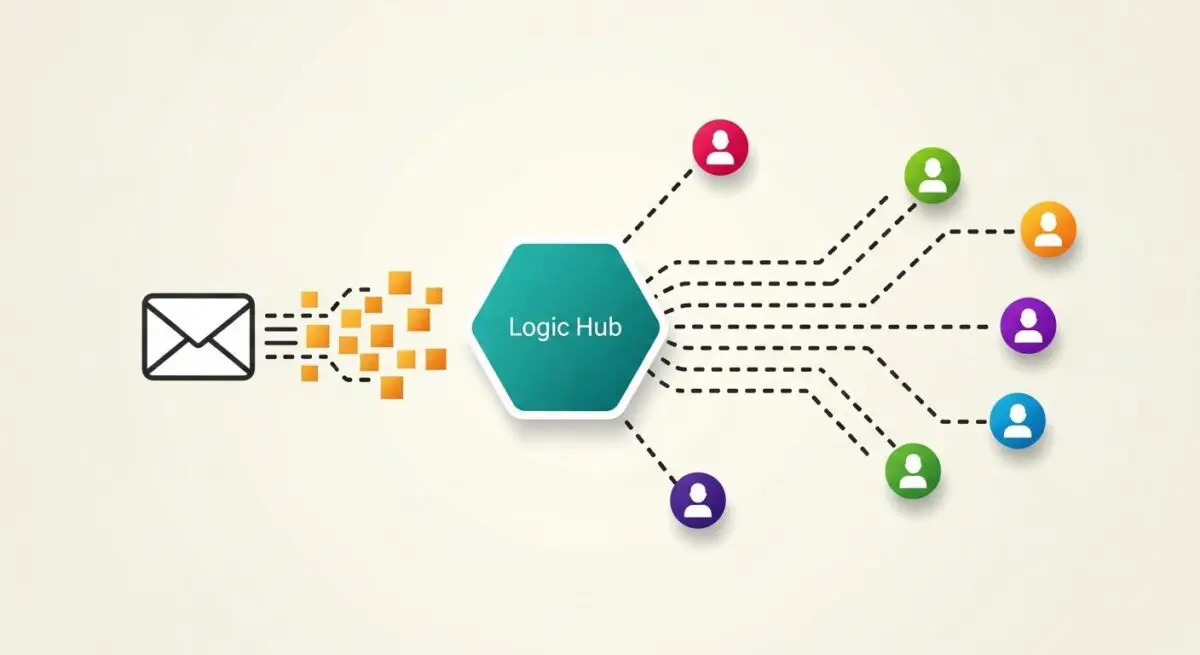
Lead routing is the algorithmic process of categorizing and distributing inbound prospect data to the most appropriate internal resource or system. In the context of modern automation, this involves capturing data via webhooks or API calls, parsing the JSON payload, and applying conditional logic—such as geographic location, company size, or product interest—to determine the final destination. This process is fundamental to building scalable, autonomous sales and marketing engines.
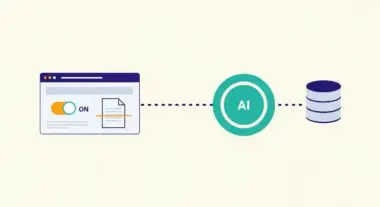
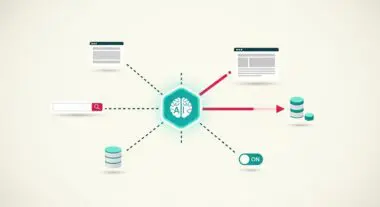
Technically, lead routing functions as a middleware layer between lead generation sources (e.g., landing pages, ad platforms) and the system of record (CRM). By utilizing stateless automation workflows, organizations can handle high-concurrency lead spikes without manual intervention, ensuring that every data point is processed according to strict business rules and governance standards.
The Real-World Analogy
Imagine a massive international airport’s automated baggage handling system. When a suitcase is checked in, it receives a barcode (the lead data). As it moves along the conveyor belt, scanners (the routing logic) read the destination, weight, and priority status. Instead of a human manually moving every bag, the system automatically flips mechanical gates to send the suitcase to the exact gate for its specific flight. Lead routing is that digital conveyor belt, ensuring every prospect reaches the right gate without getting lost or delayed.
Why is Lead Routing Critical for Autonomous Workflows and AI Content Ops?
In autonomous workflows, lead routing is the primary mechanism for managing data flow and reducing operational friction. It enables stateless automation, where each incoming lead is treated as an independent event that triggers a specific set of actions without requiring persistent server memory. This is essential for scaling programmatic SEO and AI-driven content operations, where lead volume can fluctuate significantly.
Furthermore, efficient lead routing optimizes API payload delivery. By filtering and enriching data at the routing stage, organizations can minimize redundant API calls to their CRM, reducing costs and preventing rate-limiting issues. In AI content operations, routing ensures that high-intent leads are immediately funneled into personalized AI-driven nurture sequences, maximizing the conversion potential of every inbound signal.
Best Practices & Implementation
- Implement Data Normalization: Ensure all incoming data is cleaned and formatted (e.g., standardizing country codes or industry names) before the routing logic is applied to prevent logic failures.
- Establish Fallback Logic: Always include a “catch-all” route or default assignee to ensure no lead is lost if it fails to meet specific criteria or if an API endpoint is unreachable.
- Utilize Asynchronous Processing: Use message queues or webhooks to process leads asynchronously, ensuring that the source system receives a 200 OK response immediately while the routing logic executes in the background.
- Monitor Latency and Throughput: Regularly audit the time it takes for a lead to move from capture to the final endpoint to identify bottlenecks in the automation stack.
Common Mistakes to Avoid
One frequent error is hardcoding routing rules directly into the application code rather than using a dynamic, configuration-based approach, which makes the system difficult to update as business needs evolve. Another common mistake is failing to account for API rate limits of downstream systems, leading to dropped leads during high-traffic periods. Finally, many organizations neglect lead enrichment at the routing stage, missing the opportunity to provide sales teams with the necessary context for immediate engagement.
Conclusion
Lead routing is the backbone of high-performance automation, turning raw data into actionable intelligence through precise, logic-based distribution. Mastering this concept is essential for any organization looking to scale its AI-driven operations and maintain a competitive edge in lead response efficiency.