Executive Summary
- Lexical analysis is the foundational process of converting raw character streams into discrete tokens for computational processing.
- In the context of AI search, it dictates how Large Language Models (LLMs) and retrieval systems segment and interpret source content.
- Effective lexical optimization ensures higher precision in Retrieval-Augmented Generation (RAG) and Generative Engine Optimization (GEO).
What is Lexical Analysis?
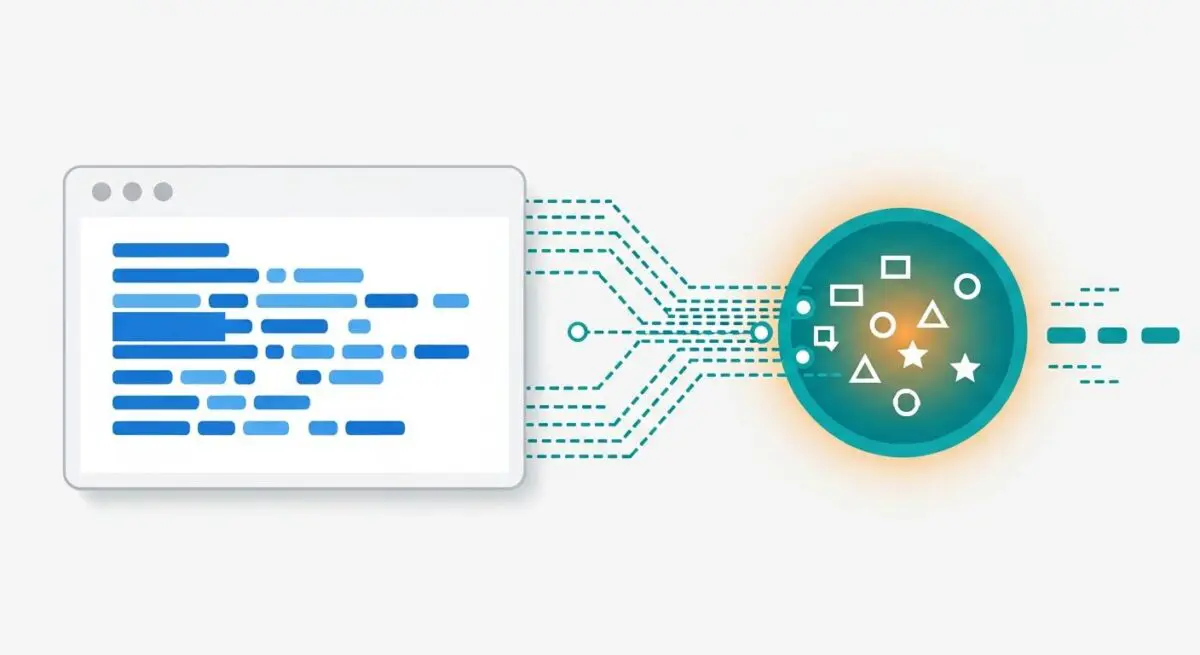
Lexical analysis, often referred to as tokenization or scanning, is the initial phase of a compiler or a Natural Language Processing (NLP) pipeline. It involves the systematic conversion of a raw stream of characters into a sequence of meaningful symbols called tokens. These tokens represent the smallest units of meaning, such as keywords, identifiers, operators, or punctuation, which are then passed to the syntax analysis (parsing) phase. In modern AI architectures, lexical analysis is the mechanism by which Large Language Models (LLMs) decompose input text into numerical representations that the neural network can process.
At its core, a lexical analyzer (or lexer) scans the source text, identifies patterns based on predefined rules or regular expressions, and categorizes them into lexemes. For example, in a search query, the lexer identifies individual words and removes extraneous whitespace or formatting. This process is critical because the quality of the tokens generated directly determines the accuracy of the subsequent semantic and syntactic layers. Without precise lexical analysis, an AI system cannot reliably establish the relationships between entities or the intent behind a user’s query.
The Real-World Analogy
Imagine a professional chef receiving a complex, handwritten recipe for a multi-course meal. Before the chef can begin cooking (semantic analysis) or organizing the kitchen staff (syntax analysis), they must first perform a lexical analysis: they read the script to identify individual ingredients, measurements, and specific tools mentioned. If the chef cannot distinguish between ‘salt’ and ‘sugar’ because the characters are blurred or the units are undefined, the entire culinary process fails. In AI, lexical analysis is that first step of identifying the ‘ingredients’ of a sentence so the system knows exactly what components it has to work with.
Why is Lexical Analysis Important for GEO and LLMs?
In the era of Generative Engine Optimization (GEO), lexical analysis serves as the gatekeeper for content visibility. LLMs like GPT-4 or Claude utilize subword tokenization methods (such as Byte Pair Encoding or WordPiece) to manage their vocabulary. If your content uses highly idiosyncratic terminology or non-standard formatting, the lexical analyzer may fragment your key terms into meaningless sub-tokens, diluting your Entity Authority and making it harder for the model to associate your content with specific search intents.
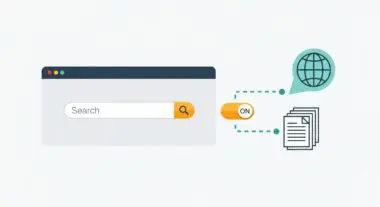
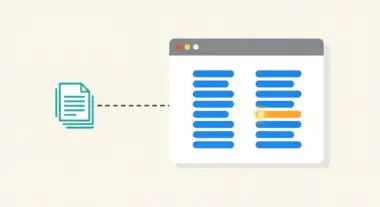
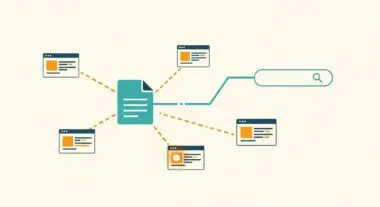
Furthermore, for Retrieval-Augmented Generation (RAG) systems, lexical analysis is vital for the initial retrieval stage. Many vector databases still utilize lexical search (like BM25) alongside semantic search to ensure precision. If the lexical tokens in your content do not align with the tokens generated by a user’s query, your content may be excluded from the retrieval window, regardless of its semantic relevance. Proper lexical structuring ensures that AI agents can efficiently index, retrieve, and cite your data as a primary source.
Best Practices & Implementation
- Standardize Technical Terminology: Use industry-standard nomenclature to ensure the lexer maps your content to the correct high-probability tokens within an LLM’s vocabulary.
- Optimize for Token Efficiency: Avoid excessive fluff and redundant character strings that increase token counts without adding information density, as this can lead to truncation in context windows.
- Maintain Structural Integrity: Use clear punctuation and standard HTML semantics to assist the lexer in identifying sentence boundaries and logical breaks.
- Monitor Subword Fragmentation: Test how your brand names or unique product IDs are tokenized; if they are split into too many fragments, consider using more phonetically or morphologically standard alternatives.
Common Mistakes to Avoid
One frequent error is the use of ‘invisible’ characters or non-standard Unicode symbols for aesthetic purposes, which can confuse a lexical scanner and lead to indexing failures. Another mistake is ignoring the impact of stop-word removal in legacy lexical systems; while modern LLMs process most words, older search components in a hybrid RAG pipeline may still discard essential functional words, altering the perceived intent of the content.
Conclusion
Lexical analysis is the essential first step in the AI data pipeline, transforming raw text into the structured tokens required for advanced search and generative tasks. Mastering this layer is fundamental for any GEO strategy aiming for maximum AI visibility.