



Executive Summary
- Algorithmic prioritization of prospects based on multi-dimensional data points including behavioral triggers and firmographic attributes.
- Integration of real-time data enrichment APIs to reduce latency in lead qualification within autonomous sales pipelines.
- Implementation of dynamic weighting systems that adjust scores based on historical conversion patterns and machine learning feedback loops.
What is Lead Scoring?
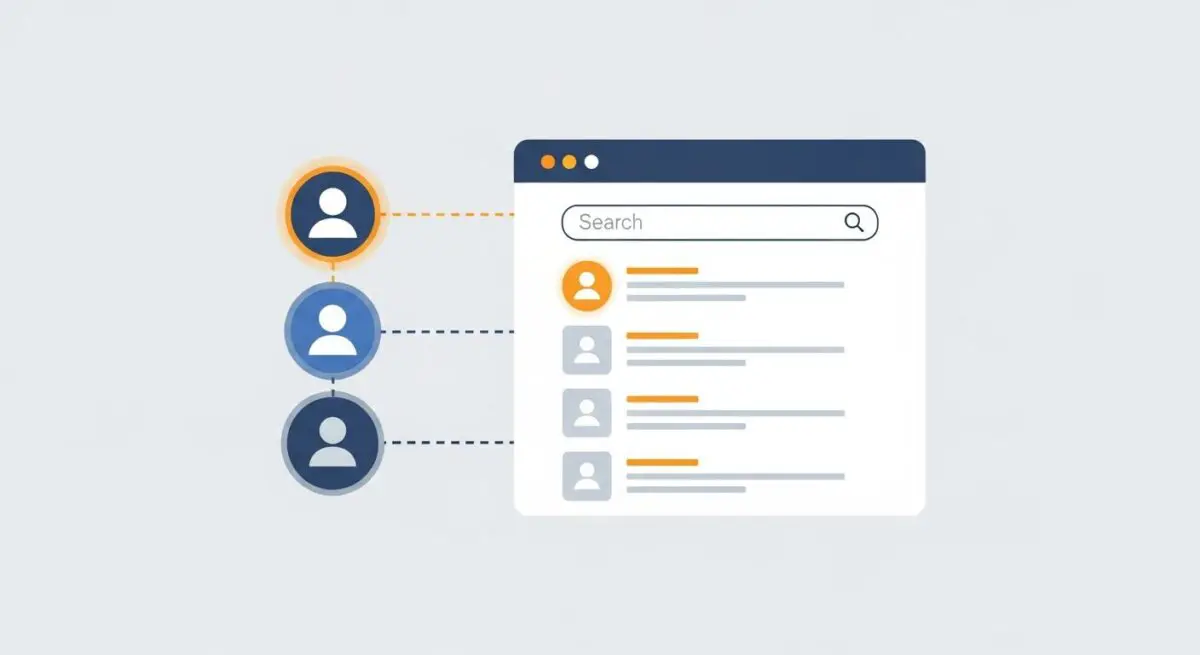
Lead scoring is a quantitative methodology used to evaluate the sales readiness of prospects by assigning numerical values based on specific behaviors, demographic data, and firmographic attributes. In the context of AI automations and modern data pipelines, lead scoring functions as a logic gate within a stateless architecture. It processes incoming JSON payloads from webhooks—containing data such as page views, email interactions, and form submissions—to calculate a real-time score that dictates the subsequent path in an automated workflow.
Advanced lead scoring systems leverage machine learning models to move beyond static, rule-based heuristics. By analyzing historical conversion data, these systems identify high-correlation variables that signify intent. This allows for predictive lead scoring, where the automation engine dynamically adjusts weights for different attributes, ensuring that the sales team or downstream AI agents focus resources on entities with the highest probability of conversion.
The Real-World Analogy
Imagine a high-end restaurant with a limited number of tables and a massive waiting list. Instead of seating people on a first-come, first-served basis, the maître d’ uses a specific set of criteria to prioritize guests. They look at whether the guest has a previous history of high spending (firmographics), if they are currently standing at the door ready to eat (behavioral intent), and if they have called multiple times to check availability (engagement). Lead scoring is that maître d’, ensuring the most valuable guests are seated immediately while others are placed in a nurturing queue.
Why is Lead Scoring Critical for Autonomous Workflows and AI Content Ops?
In autonomous workflows, lead scoring acts as the primary filtering mechanism for API payload efficiency. Without a robust scoring logic, automation platforms would trigger expensive downstream processes—such as AI-driven personalized video generation or high-compute LLM drafting—for every low-quality lead, leading to significant resource depletion. By implementing a scoring threshold at the edge of the workflow, organizations can ensure that high-compute tasks are only executed for leads that meet a specific Sales Qualified (SQL) criteria.
Furthermore, lead scoring is essential for programmatic SEO and content operations. It allows for the dynamic delivery of content based on a user’s current score. For instance, a lead with a low score might receive educational top-of-funnel content via an automated email sequence, while a high-scoring lead might trigger a webhook that notifies a sales representative in Slack and generates a custom landing page using real-time data enrichment.
Best Practices & Implementation
- Implement Real-Time Data Enrichment: Use APIs like Clearbit or 6sense within your automation stack to append firmographic data to the lead profile before the scoring logic executes.
- Establish a Decay Function: Programmatically decrease lead scores over time if no new engagement is detected to ensure that stale leads do not clutter high-priority queues.
- Normalize Scoring Scales: Ensure all data inputs are normalized to a standard scale (e.g., 0-100) to prevent a single outlier attribute from disproportionately skewing the total lead value.
- Sync Bi-Directionally with CRM: Ensure the calculated score is pushed back to the CRM via API and that any manual adjustments by sales reps are fed back into the automation logic.
Common Mistakes to Avoid
One frequent error is relying solely on demographic data while ignoring behavioral signals, which often leads to false positives where a lead looks good on paper but has zero intent. Another mistake is failing to iterate on the scoring model; lead scoring is not a static process. Markets shift, and the attributes that defined a high-quality lead six months ago may no longer be relevant today.
Conclusion
Lead scoring is the critical logic layer that transforms raw data into actionable intelligence, enabling autonomous systems to allocate resources with surgical precision. By integrating algorithmic weighting into your API-driven workflows, you maximize both operational efficiency and conversion rates.