



Executive Summary
- Second-party data is essentially another organization’s first-party data, acquired through direct, transparent partnerships rather than anonymous aggregators.
- It provides a high-fidelity alternative to third-party data, offering superior accuracy for audience expansion and predictive modeling in a cookieless environment.
- Successful implementation relies on secure data-sharing architectures, such as Data Clean Rooms, to ensure GDPR/CCPA compliance and data integrity.
What is Second-Party Data?
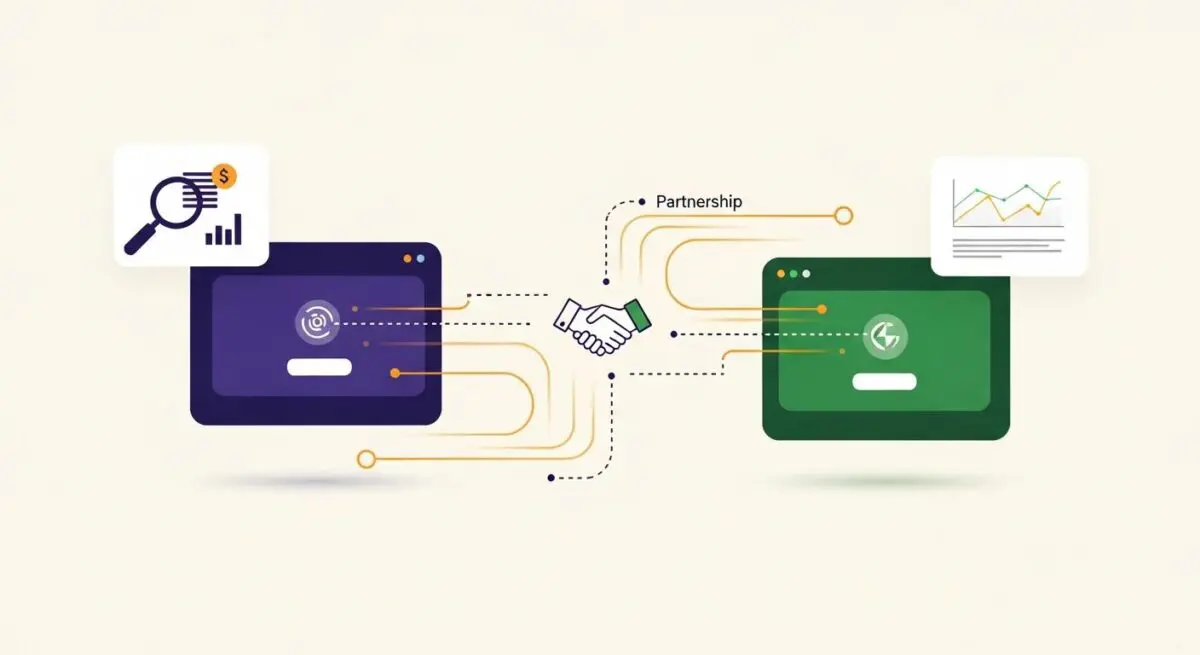
Second-party data is defined as first-party data that is shared or sold directly between two non-competing organizations. Unlike third-party data, which is aggregated from disparate sources by a provider with no direct relationship to the consumer, second-party data maintains a clear lineage and high level of accuracy. In the modern MarTech stack, it functions as a strategic asset for organizations looking to enrich their internal datasets with high-quality behavioral, transactional, or demographic insights sourced from a trusted partner.
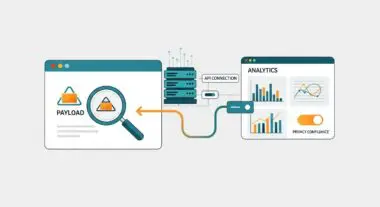
From a technical perspective, second-party data is often exchanged through secure APIs or integrated within a Customer Data Platform (CDP). By leveraging a partner’s first-party insights, companies can achieve a more granular understanding of customer segments that would otherwise remain opaque. This data is particularly valuable for Search Engine Optimization (SEO) and Generative Engine Optimization (GEO) professionals who require precise intent signals to train LLMs or optimize content for specific, high-value audience cohorts.
The Real-World Analogy
Imagine a high-end boutique hotel and a luxury luggage manufacturer. The hotel has a first-party list of guests who frequently stay in executive suites. The luggage brand has a first-party list of customers who purchase premium travel gear. By forming a second-party data partnership, the hotel shares its guest list directly with the luggage brand. The luggage brand isn’t buying a generic, unverified list of “travelers” from a data broker; they are receiving verified, high-intent data directly from the source. It is like borrowing a trusted friend’s curated contact list rather than buying a phone book from a stranger.
How Second-Party Data Impacts Marketing ROI & Data Attribution?
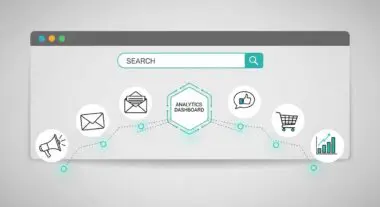
Second-party data significantly enhances Marketing ROI by reducing the waste associated with broad-match targeting. Because the data is sourced directly from a partner, the signal-to-noise ratio is substantially higher than that of third-party datasets. This precision leads to lower Customer Acquisition Costs (CAC) and higher conversion rates, as marketing efforts are directed toward audiences with proven affinities. In the context of data attribution, second-party data provides the missing links in complex multi-touch journeys, allowing for more accurate modeling of how partner interactions influence the final conversion.
Furthermore, second-party data is a critical component in building robust predictive models. By integrating external first-party signals, data scientists can refine Lifetime Value (LTV) projections and churn propensity scores. This level of data depth allows for more sophisticated programmatic bidding strategies, where the bid price is dynamically adjusted based on the verified attributes provided by the data partner, ensuring that capital is allocated to the highest-probability opportunities.
Strategic Implementation & Best Practices
- Utilize Data Clean Rooms: Implement neutral technical environments where both parties can join datasets without exposing personally identifiable information (PII), ensuring privacy and security.
- Establish Clear Data Governance: Define strict protocols for data usage, storage duration, and sharing limitations within a formal legal framework to maintain regulatory compliance.
- Prioritize Data Normalization: Ensure that the partner’s data schema aligns with your internal CDP or CRM architecture to prevent data silos and facilitate seamless integration.
- Focus on Complementary Partnerships: Select partners whose audience segments overlap with your target demographic but do not directly compete for the same market share.
Common Pitfalls & Strategic Mistakes
One frequent error is the failure to verify the data collection methods of the partner, which can lead to compliance risks under GDPR or CCPA. If the partner did not obtain proper consent for data sharing, the receiving organization may be legally liable. Another common pitfall is the lack of a standardized data taxonomy; when two organizations use different naming conventions for the same attributes, the resulting dataset becomes fragmented and difficult to activate for automated marketing campaigns.
Conclusion
Second-party data represents a powerful, privacy-compliant bridge for audience expansion and enrichment in a post-cookie landscape. By fostering direct data partnerships, enterprises can secure high-fidelity insights that drive measurable improvements in marketing efficiency and strategic attribution.