Executive Summary
- Automates the procurement of digital advertising inventory through Real-Time Bidding (RTB) protocols and programmatic direct deals.
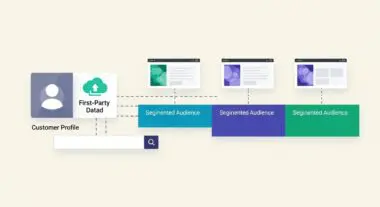
- Integrates with Data Management Platforms (DMPs) and Customer Data Platforms (CDPs) to leverage granular audience segmentation and first-party data.
- Optimizes Customer Acquisition Cost (CAC) by utilizing machine learning algorithms for bid shading and predictive conversion modeling.
What is Demand-Side Platform?
A Demand-Side Platform (DSP) is a sophisticated software system used by advertisers and agencies to purchase digital advertising inventory in an automated, data-driven manner. Unlike traditional manual negotiations, a DSP allows for the centralized management of multiple ad exchange and data exchange accounts. At its core, the DSP functions as the buyer-side interface of the programmatic advertising ecosystem, facilitating the purchase of display, video, mobile, and search ads through Real-Time Bidding (RTB). The technical architecture of a DSP typically includes a bidder, an ad server, a user profile store, and a reporting interface, all designed to process millions of bid requests per second with sub-100-millisecond latency.
Within a modern MarTech stack, the DSP serves as the execution layer for audience-based targeting. It connects to Supply-Side Platforms (SSPs) and ad exchanges to evaluate available impressions against specific campaign parameters such as bid price, target demographics, geographic location, and behavioral data. By utilizing sophisticated algorithms, the DSP determines the optimal value of each impression in real-time, ensuring that marketing budgets are allocated toward the most relevant users. This level of automation is essential for scaling digital marketing efforts in an environment where inventory is fragmented across millions of websites and applications.
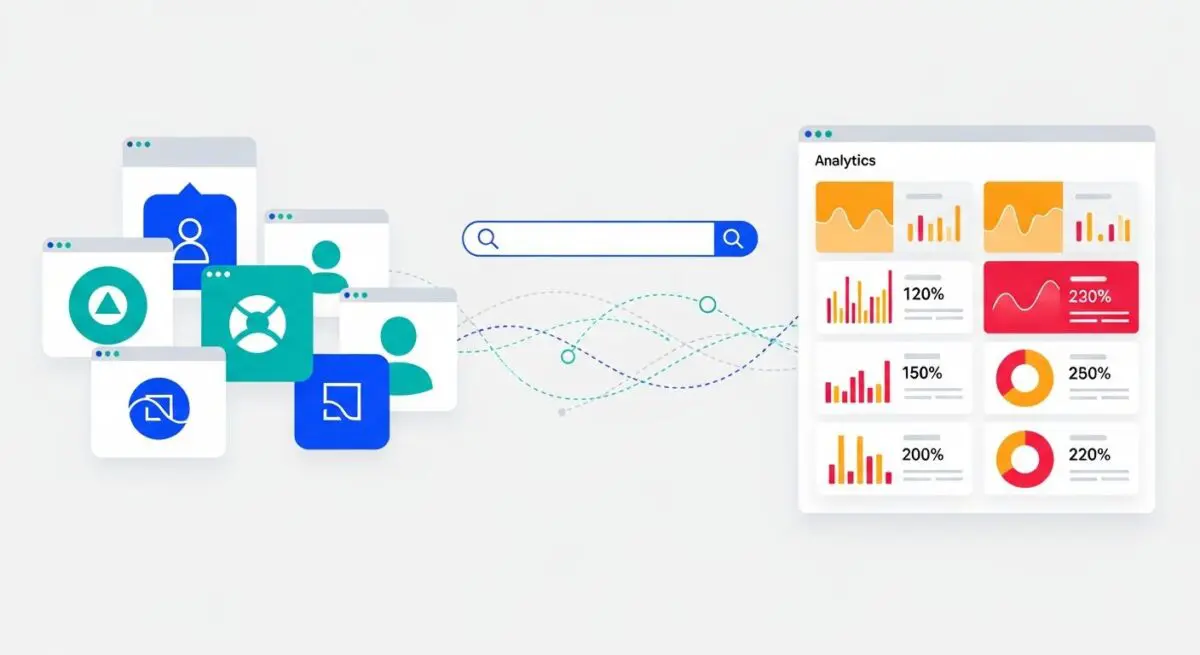
From a data analytics and SEO/GEO perspective, the DSP provides a wealth of information regarding user intent and content performance. While primarily a tool for paid media, the insights derived from DSP performance—such as high-converting keywords, audience segments, and placement efficiency—directly inform organic search strategies and Generative Engine Optimization (GEO). By understanding which environments yield the highest engagement, SEO professionals can better align their content clusters with the actual behavior of their target audience, creating a synergistic relationship between paid and organic channels.
The Real-World Analogy
To understand a Demand-Side Platform, consider the operation of a high-frequency automated stock trading platform. In this analogy, the ad impressions are the individual stocks, and the ad exchanges are the stock markets (like the NYSE or NASDAQ). An advertiser is like an institutional investor who wants to buy specific types of stocks at the best possible price. Instead of a human trader calling a floor broker to place an order, the investor uses a high-speed algorithm—the DSP—to scan the entire market in milliseconds. The algorithm knows exactly which stocks (impressions) meet the investor’s criteria (audience data) and what the maximum price (bid) should be. It executes thousands of trades per second, ensuring the investor gets the most valuable portfolio (campaign reach) without overpaying or wasting time on manual transactions.
How Demand-Side Platform Impacts Marketing ROI & Data Attribution?
The implementation of a DSP significantly enhances Marketing ROI by eliminating the inefficiencies of bulk ad buying. Traditional media buying often involves purchasing large blocks of impressions on specific websites, many of which may be served to irrelevant users. A DSP shifts the focus from “buying placements” to “buying audiences.” By using algorithmic bidding, the platform ensures that every dollar spent is directed toward an impression that has a high probability of conversion. This precision reduces waste, lowers the effective Cost Per Acquisition (CPA), and maximizes the return on ad spend (ROAS).
Data attribution is another area where DSPs provide immense value. Because DSPs track the entire journey of an ad impression—from the moment it is served to the final click or conversion—they offer granular data that is vital for multi-touch attribution (MTA) models. Marketers can see how different channels and creatives interact to drive a user down the funnel. This technical transparency allows for incrementality testing, where advertisers can measure the true lift provided by their programmatic efforts compared to a control group. Furthermore, by integrating DSP data with a CRM, brands can close the loop between digital impressions and offline sales, providing a comprehensive view of the customer lifetime value (LTV) generated by programmatic campaigns.
Strategic Implementation & Best Practices
- Integrate with a Unified Data Layer: Ensure your DSP is bi-directionally synced with your Customer Data Platform (CDP) or Data Management Platform (DMP). This allows for the use of first-party data to build lookalike audiences and execute precise retargeting campaigns, reducing reliance on depreciating third-party cookies.
- Implement Rigorous Brand Safety and Fraud Filters: Utilize third-party verification tools (such as Integral Ad Science or DoubleVerify) within the DSP to protect your brand equity. Set strict parameters for Invalid Traffic (IVT) detection and block-list categories that do not align with your corporate values.
- Leverage Bid Shading Algorithms: In first-price auction environments, use the DSP’s bid shading features to prevent overpaying for impressions. These algorithms analyze historical auction data to find the optimal bid price that secures the win without hitting the maximum ceiling.
- Utilize Dynamic Creative Optimization (DCO): Connect your DSP to a DCO tool to serve personalized ad creative in real-time based on the user’s profile, location, and previous interactions. This technical alignment between data and creative significantly boosts engagement rates.
- Establish Frequency Capping at the Global Level: To prevent ad fatigue and budget depletion, set frequency caps across all channels within the DSP. This ensures a single user is not bombarded with the same ad, maintaining a positive brand perception and optimizing reach.
Common Pitfalls & Strategic Mistakes
One of the most frequent errors in DSP management is the failure to account for “hidden fees” within the programmatic supply chain. Advertisers often overlook the “tech tax”—the percentage of the bid that goes to the DSP, SSP, and data providers—which can significantly erode the actual working media budget. Another common mistake is over-segmentation; by creating audience segments that are too narrow, advertisers limit the DSP’s machine learning capabilities, leading to high CPMs and poor delivery. Lastly, many brands fail to update their attribution windows, leading to misattribution where the DSP is credited for conversions that would have occurred organically, thereby inflating perceived ROI.
Conclusion
A Demand-Side Platform is a critical component of a modern, data-driven marketing architecture, providing the automation and precision necessary to optimize media spend at scale. By integrating deep audience insights with real-time execution, DSPs enable brands to achieve superior ROI and maintain a competitive edge in an increasingly complex digital landscape.