



Executive Summary
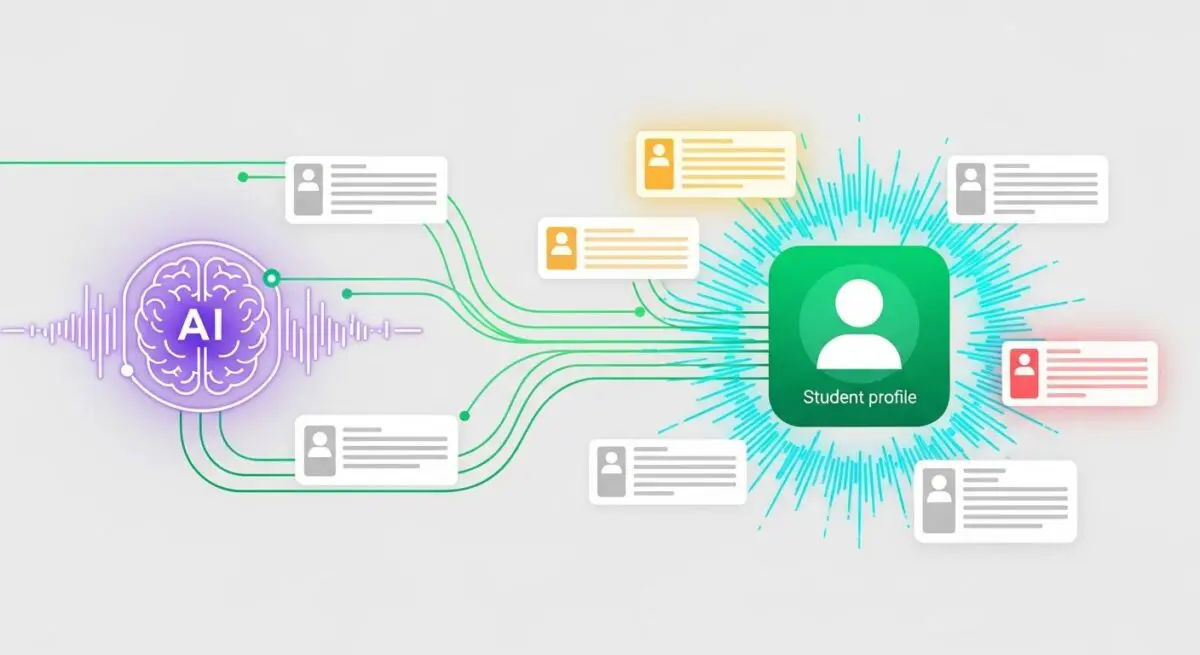
- Algorithmic Personalization: Utilizes machine learning to adjust instructional content in real-time based on individual learner performance.
- Efficiency Optimization: Reduces time-to-competency by identifying and bypassing pre-existing knowledge areas to focus on skill gaps.
- Data-Driven Insights: Provides granular analytics on cognitive load and retention patterns to inform broader organizational strategy.
What is Adaptive Learning?
Adaptive learning is a data-driven educational methodology that utilizes computer algorithms to orchestrate the interaction with the learner. It delivers customized resources and learning activities to address the unique needs of each individual based on their real-time performance data.
In a modern tech stack, adaptive learning systems function as intelligent middleware between content repositories and user interfaces. These systems leverage machine learning models to analyze response patterns, latency in task completion, and cognitive load indicators to adjust the difficulty and sequence of instructional material.
This technology is critical for enterprise-scale training and development, where static curricula often fail to account for diverse baseline competencies. By integrating with existing Learning Management Systems (LMS) via xAPI or LTI protocols, adaptive learning creates a dynamic feedback loop that continuously refines the educational path.
The Real-World Analogy
Think of adaptive learning as a sophisticated GPS navigation system for a complex cross-country journey. A traditional curriculum is like a printed paper map that provides a single, rigid route regardless of road closures, traffic congestion, or the driver’s specific vehicle capabilities.
An adaptive learning system, however, functions like a real-time satellite navigation tool that monitors every turn and speed adjustment. If the driver misses an exit or encounters a bottleneck, the system instantly recalculates the most efficient path to the destination, ensuring the traveler arrives as quickly as possible based on current conditions.
How Adaptive Learning Drives Strategic Growth & Market Competitiveness?
Adaptive learning directly influences organizational growth by significantly reducing the time-to-competency for new hires and existing staff. By eliminating redundant training on concepts already mastered, enterprises can reallocate thousands of labor hours toward high-value strategic initiatives.
From a financial perspective, this efficiency lowers the Customer Acquisition Cost (CAC) indirectly by optimizing the performance of sales and support teams. When personnel are trained through precision-targeted modules, their ability to navigate complex product ecosystems improves, leading to higher conversion rates and better client retention.
Furthermore, the granular data generated by adaptive systems provides leadership with predictive insights into workforce skill gaps. This data-driven approach allows for proactive talent management and strategic resource allocation, ensuring the organization remains agile in rapidly shifting technological landscapes.
Strategic Implementation & Best Practices
- Granular Content Tagging: Ensure all instructional assets are decomposed into micro-learning units and tagged with precise metadata to allow the algorithm to serve the most relevant content fragment.
- API-First Integration: Utilize Experience API (xAPI) to capture learning data across multiple platforms, ensuring a unified view of user progress outside the traditional LMS environment.
- Continuous Feedback Loops: Implement real-time assessment mechanisms that provide immediate corrective feedback to the learner while simultaneously updating the underlying predictive model.
Common Pitfalls & Strategic Mistakes
One frequent error is the creation of data silos where learning performance is not integrated with actual business KPIs. Without connecting training data to CRM or ERP outputs, organizations cannot accurately measure the ROI of their adaptive learning investments.
Another mistake is over-automating the learning path without maintaining high-quality content standards. An advanced algorithm cannot compensate for poorly designed instructional material, leading to efficiently teaching incorrect or irrelevant information to the workforce.
Conclusion
Adaptive learning represents a shift from static instruction to dynamic, algorithmic knowledge transfer. This approach ensures maximum cognitive retention and operational efficiency in high-growth business environments.