



Key Points
- Context-aware security automation prevents deployment delays by filtering out non-exploitable vulnerabilities.
- AI agents transition DevSecOps from mere detection to autonomous remediation directly within CI/CD pipelines.
- Next-generation self-healing pipelines will automatically rebuild container images using verified-secure base layers.
Table of Contents
- The Invisible Tax of Broken Deployments
- The True Cost of Pipeline Vulnerabilities
- Surviving the Alert Fatigue Epidemic
- Transitioning to Autonomous Remediation Agents
- Overcoming Rigid Fail-on-High Rules
- Enforcing Zero Trust at the Build Stage
- Accelerating Time-to-Remediate for Massive ROI
- The Dawn of Self-Healing Pipelines
- The Next Frontier of Hyper-Autonomous Operations
The Invisible Tax of Broken Deployments
Picture this: your engineering team just finalized a massive feature sprint. Right as the code hits the CI/CD pipeline, a barrage of critical vulnerability alerts halts the entire deployment.
The release window is closing rapidly while stakeholders demand updates. Your lead developers are suddenly forced to dig through hundreds of obscure dependency warnings.
This scenario plays out daily across modern software teams. It transforms what should be a seamless automated delivery process into a highly stressful, manual triage nightmare.
The friction of context-blind security checks drains engineering morale. It also severely bottlenecks overall business velocity.
To reclaim this lost time and restore deployment sanity, organizations must implement automated CI/CD build-gate scanners. These intelligent systems act as the ultimate solution to bridge the gap between rapid development and rigorous security.
By automatically filtering out noise and blocking only genuine threats, teams can scale operations. They achieve this with absolute confidence and unprecedented speed.
The True Cost of Pipeline Vulnerabilities
Market Intelligence & Data
Incident Exposure Rate
According to the Red Hat 2026 State of Cloud-Native Security report, nearly all surveyed organizations experienced at least one cloud-native security event in the preceding 12 months.
DevSecOps Market Value
A 2026 market analysis by Straits Research projects the global DevSecOps market to reach this valuation this year, driven by the urgent need for automated pipeline security.
Automation Cost Savings
Based on data from the 2025 IBM Cost of a Data Breach Report, organizations that maximize security automation save significantly more per incident than their manual counterparts.
Deployment Delay Rate
The 2026 State of Cloud-Native Security Report indicates that over two-thirds of organizations have intentionally slowed or delayed deployments specifically due to container security concerns.
The modern development ecosystem is fraught with hidden dangers, evidenced by a staggering 97% incident exposure rate. According to recent industry reports, nearly all organizations have faced a cloud-native security event in the past year alone.
This near-universal exposure highlights a critical failure in traditional, manual security checkpoints. These outdated methods simply cannot keep pace with automated deployment speeds.
To combat this escalating threat landscape, the industry is heavily investing in robust infrastructure. This drive pushes the global DevSecOps market to a projected $11.41 billion valuation.
This massive capital influx is a direct response to the urgent need for automated pipeline security. Companies realize that bolting security on at the end of a sprint is no longer a viable operational strategy.
The financial justification for overhauling these outdated workflows is undeniable when examining automation cost savings. Recent data proves that organizations utilizing security AI and automation save an average of over $2.2 million per breach.
This dramatic reduction in financial risk compared to manual interventions is staggering. It makes the integration of intelligent scanning tools an absolute business imperative.
Despite these clear benefits, many teams still struggle with the friction of poorly tuned security protocols. Research shows that 67% of organizations have intentionally delayed deployments due to container security concerns.
This operational gridlock occurs when scanners lack situational context. It forces developers to halt progress and manually triage vulnerabilities that pose no actual threat to the runtime environment.
Surviving the Alert Fatigue Epidemic
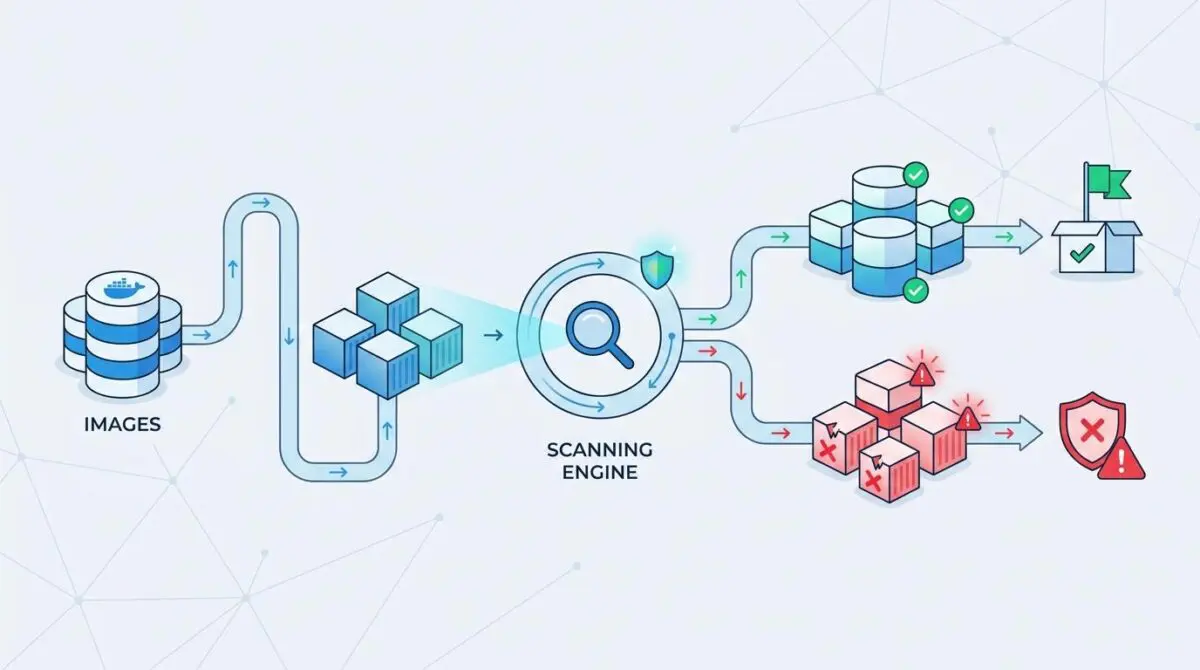
Engineering teams currently use tools like Docker Scout and Snyk Container to automate shift-left security protocols. However, the primary friction remains an overwhelming sense of alert fatigue that paralyzes development velocity.
By 2026, security professionals are managing an average of 4,484 alerts daily. This creates an impossible workload for even the most well-resourced teams.
Shockingly, over 67% of these alerts are ignored due to a complete lack of situational context within the scanning tools. Developers are frequently forced to stop their creative work for security scans that lack true reachability analysis.
This means builds are blocked for vulnerabilities that exist in the codebase but remain harmless. They are simply not exploitable in the target runtime environment.
This continuous interruption creates a toxic cycle of ignored warnings, developer frustration, and delayed feature releases. Automated CI/CD build-gate scanners must evolve beyond simple signature matching to solve this crisis.
They need to deeply understand the architectural context of the code. This allows them to distinguish between a theoretical risk and a genuine, exploitable threat.
Transitioning to Autonomous Remediation Agents
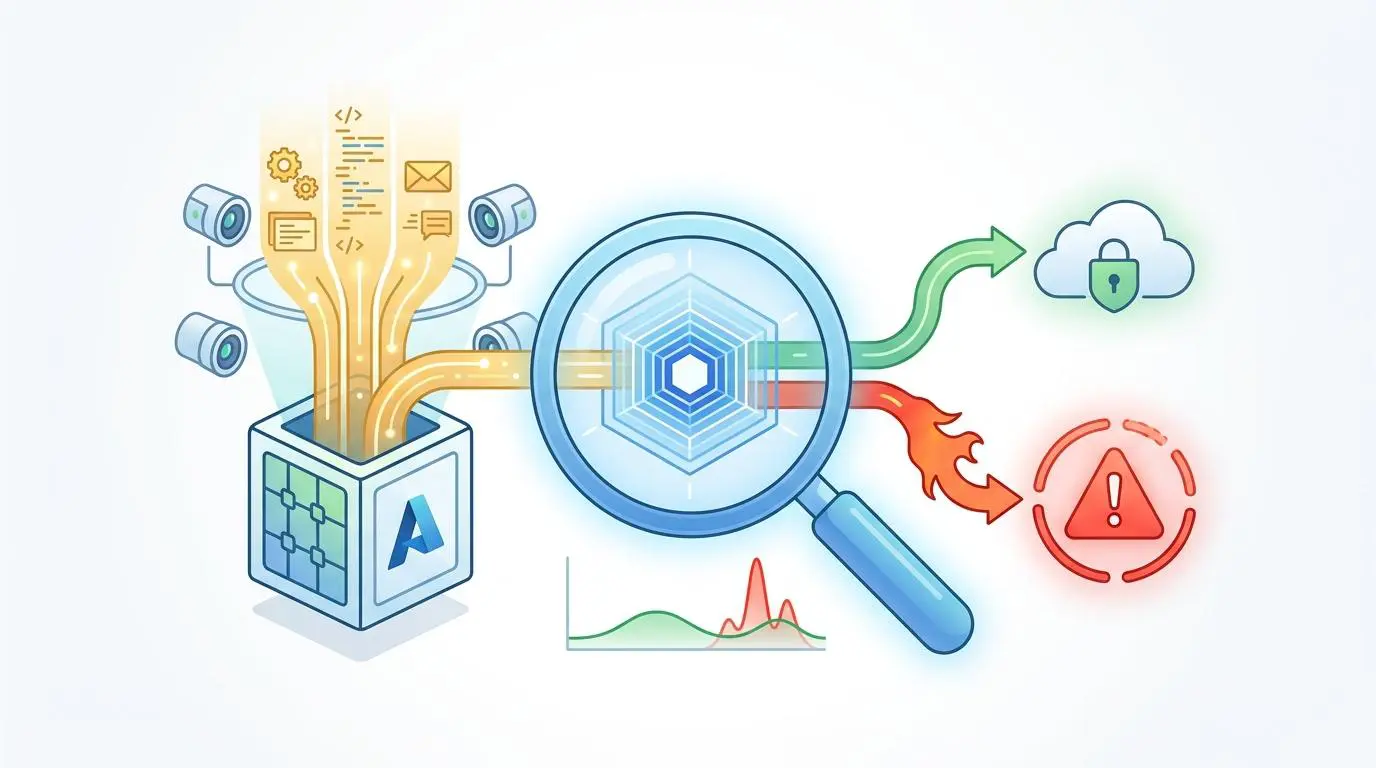
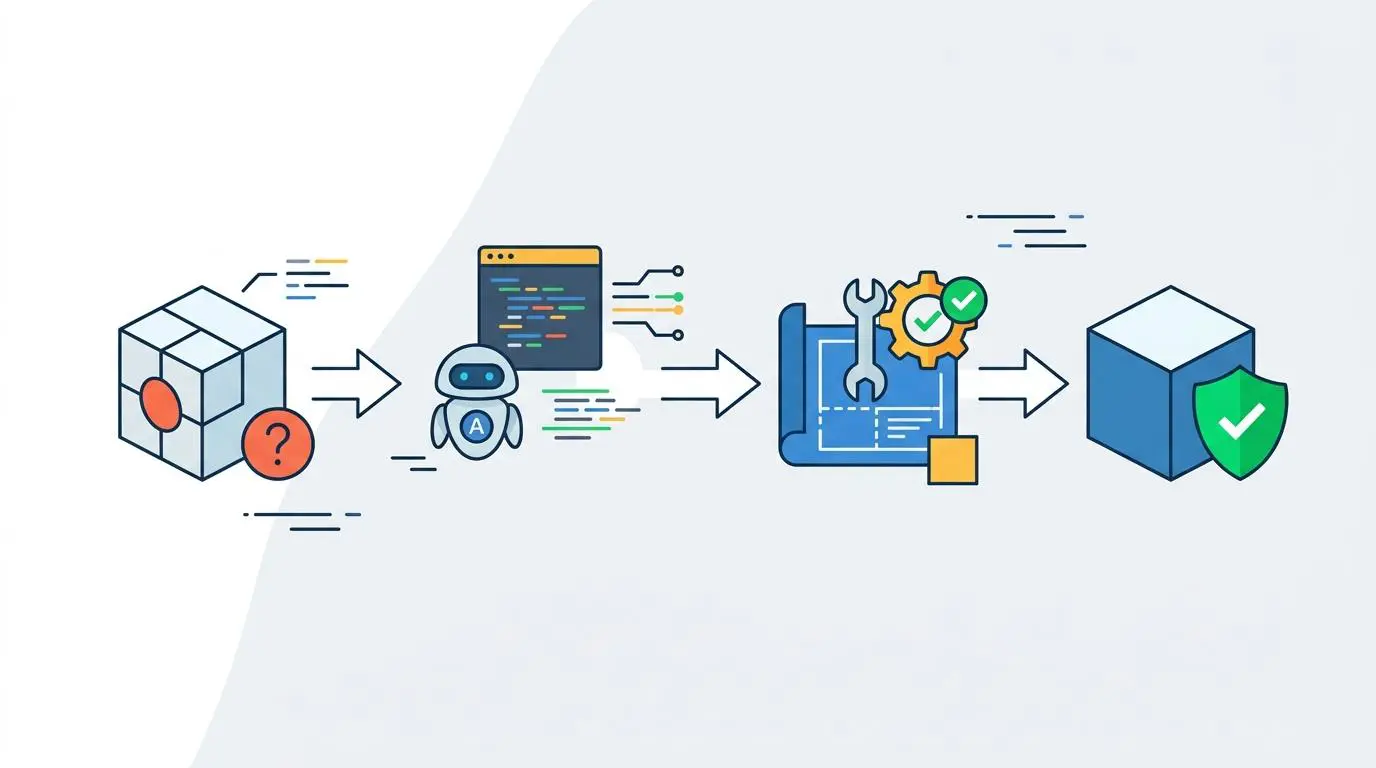
The landscape of pipeline security is rapidly shifting from passive detection to active, autonomous remediation. Agentic AI tools have fundamentally changed how teams handle vulnerable code.
These intelligent agents now automatically generate highly accurate fix pull requests for vulnerable base images. This happens directly within the CI pipeline workflow.
This technological leap eliminates the need for developers to manually hunt down patches for complex Dockerfile misconfigurations. Traditional scanners excel at identifying problems but still require heavy manual human intervention.
AI agents remove this manual rework entirely. They patch vulnerable layers in real-time before the build process even finishes.
The capabilities of these agents are expanding at a breathtaking pace, pushing the boundaries of what automated systems can achieve. Frontier AI models are now capable of autonomously discovering and chaining multiple CVEs to exploit container environments.
Recent research briefs show these models successfully identifying tens of thousands of vulnerabilities within weeks. This proves that defensive AI must operate at the exact same autonomous speed to remain effective.
Overcoming Rigid Fail-on-High Rules
A major failure point in modern deployment pipelines is the frustrating phenomenon of over-sensitive blocking. CI/CD pipelines are frequently configured with binary fail-on-high rules.
These rules trigger catastrophic build failures for completely non-critical dependencies. This rigid approach creates massive operational friction, blocking business-critical updates for vulnerabilities found in entirely unused code paths.
This lack of nuance leads to operational paralysis where teams spend more time arguing over scanner results than actually shipping features. To combat this inefficiency, advanced tools now utilize deep behavioral profiling.
This innovative approach prevents false-positive build breaks. It achieves this by analyzing how the application actually behaves when deployed in a staging environment.
By shifting away from static, rule-based blocking, organizations can maintain incredibly high security standards without sacrificing deployment speed. Automated CI/CD build-gate scanners equipped with behavioral insights ensure that only genuinely risky code is halted.
This intelligent filtering restores crucial trust between security teams and engineering departments.
Enforcing Zero Trust at the Build Stage
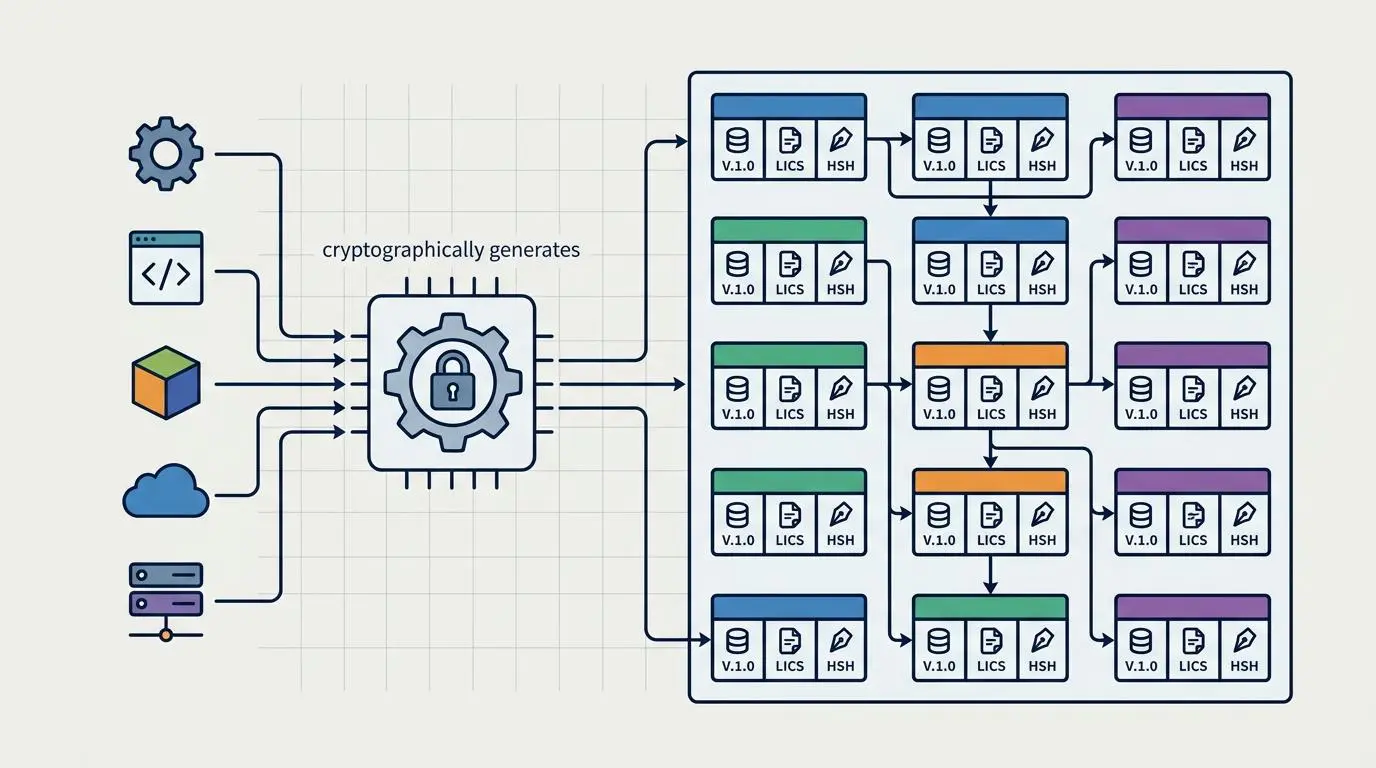
The modern security landscape is heavily dominated by mandatory software bill of materials generation across all enterprise environments. Alongside this requirement, OIDC-based identity for build runners has become the absolute gold standard.
These protocols maintain pipeline integrity at the highest level. Advanced tools are now heavily utilized to enforce strict zero trust principles directly at the build stage.
This strict enforcement ensures that only cryptographically signed, thoroughly verified images can ever reach a live production environment. To achieve this level of security, organizations are standardizing on three core automated practices:
- Cryptographic Signing: Ensuring every container image is mathematically verified before deployment.
- SBOM Generation: Creating an immutable ledger of every software component within the build.
- OIDC Identity: Authenticating build runners to prevent unauthorized pipeline access.
When these automated checks are absent, compliance drift between development and production environments becomes a massive corporate liability. This drift frequently leads to late-stage security failures that easily bypass initial perimeter defenses.
The financial consequences of these late-stage failures are devastating, costing organizations millions per incident. Implementing rigorous, automated gatekeeping hardens the software supply chain from the very first commit.
Accelerating Time-to-Remediate for Massive ROI
The financial return on intelligent pipeline automation is completely reshaping how executives view DevSecOps investments today. Automation platforms are delivering massive returns by drastically reducing the critical time-to-remediate metric.
What used to take engineering teams weeks of manual triage and testing is now fully resolved in a matter of hours.
Manual security reviews currently add significant delays to every single sprint cycle across the industry. This hidden tax on engineering resources is an unsustainable cost in a hyper-competitive, ship-fast economy.
Organizations can simply no longer afford to pay highly skilled developers to perform repetitive, manual vulnerability patching.
By utilizing extensive security AI and automation, forward-thinking companies are reclaiming thousands of lost engineering hours every quarter. This newfound efficiency accelerates time-to-market and significantly reduces burnout among overworked development teams.
The operational ROI is crystal clear. Automate the gatekeeping processes, or lose your competitive edge to agile startups that do.
The Dawn of Self-Healing Pipelines
Looking toward the near future, the most exciting trend in DevSecOps is the rapid emergence of self-healing pipelines. Future systems will no longer just scan and block deployments when they detect a critical software flaw.
Instead, they will autonomously rebuild container images using verified-secure alternative base layers. This entire process will execute without requiring any human oversight.
This unprecedented level of automation achieves SLSA Level 4 integrity entirely in the background while developers continue working. The current delay between vulnerability discovery and patch deployment is simply too long for modern threat landscapes.
Future automation will reduce this dangerous exposure gap to absolute zero. It will auto-remediate issues before the build process even completes.
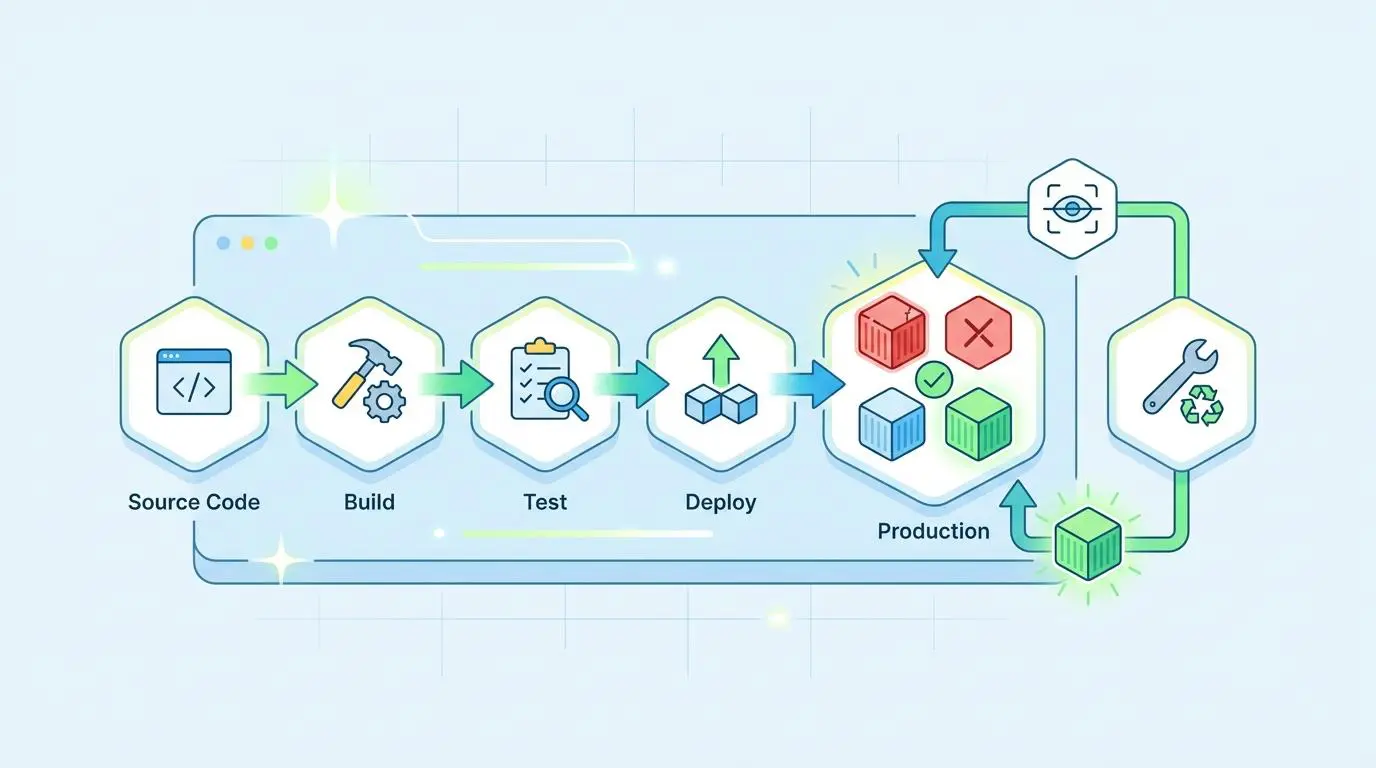
The next evolution is hyper-autonomous remediation, which will fundamentally change the role of the modern security engineer. AI agents operating at the kernel level will identify runtime threats instantly as they occur.
They will then automatically trigger a CI/CD build to patch and redeploy the affected container. This creates a perfectly closed-loop, self-sustaining security system.
The Next Frontier of Hyper-Autonomous Operations
The era of manual vulnerability triage and rigid, context-blind security blocking is rapidly coming to a definitive end. As cloud-native architectures grow exponentially more complex, the reliance on human intervention for routine security patching has become a critical operational bottleneck.
Embracing intelligent, context-aware gatekeeping is the only viable way forward. It allows teams to scale software development without compromising runtime integrity.
The future unequivocally belongs to organizations that treat security not as a hurdle, but as a seamlessly integrated, autonomous workflow. By deploying intelligent agents that truly understand code context, businesses can finally eliminate alert fatigue.
This allows them to ship products with absolute confidence. The transition from manual gatekeeping to self-healing infrastructure is the ultimate competitive advantage in the modern tech landscape.
Navigating the intersection of technology, workflows, and operational efficiency requires a sharp strategy. To future-proof your business architecture and scale with precision, connect with Andres at Andres SEO Expert.
Frequently Asked Questions
What are Automated CI/CD Build-Gate Scanners?
Automated CI/CD Build-Gate Scanners, or DevSecOps gatekeeping systems, are intelligent security tools integrated into the delivery pipeline. They act as automated filters that identify and block genuine security threats in real-time, preventing vulnerable code from reaching production while minimizing false positives through context-aware analysis.
How does security automation impact the cost of data breaches?
Research from the 2025 IBM Cost of a Data Breach Report shows that organizations utilizing security AI and automation save an average of $2.22 million per incident. By automating the detection and remediation process, businesses significantly reduce financial risk and the operational overhead associated with manual security triage.
Why do traditional Fail-on-High security rules cause deployment delays?
Traditional ‘Fail-on-High’ rules often lack situational context, leading to a 67% deployment delay rate. These rigid protocols trigger build failures for vulnerabilities found in unused code paths or non-critical dependencies, forcing developers to stop work and manually verify threats that have no actual exploitability in the runtime environment.
What is the role of autonomous remediation agents in DevSecOps?
Autonomous remediation agents represent a shift from detection to active correction. These AI-driven tools can automatically generate fix PRs for vulnerable base images and patch Dockerfile misconfigurations within the CI pipeline, allowing vulnerabilities to be resolved in real-time without manual human intervention.
How does reachability analysis help reduce alert fatigue?
Reachability analysis solves alert fatigue by determining if a detected vulnerability is actually accessible and exploitable within the target runtime architecture. By focusing only on ‘reachable’ threats, scanners can filter out the noise of non-exploitable code, allowing engineering teams to focus on critical security priorities.
What are the requirements for enforcing Zero Trust at the build stage?
Enforcing Zero Trust during the build stage requires three core automated practices: cryptographic signing of container images to verify integrity, mandatory SBOM (Software Bill of Materials) generation for component transparency, and OIDC-based identity for build runners to prevent unauthorized access.
What is a self-healing pipeline in modern software delivery?
A self-healing pipeline is an advanced system that autonomously remediates security flaws during the build process. Instead of just blocking a deployment, the pipeline can automatically swap vulnerable base layers for secure alternatives or trigger auto-remediation workflows to achieve SLSA Level 4 integrity without human oversight.