



Key Points
- Attribution Resolution: Implementing Generative Search Synthesis (GSS) Orchestration bridges the critical analytics gap caused by LLMs synthesizing brand data without passing referral headers.
- Entity Alignment: Dynamic schema injection and automated entity-refresh cycles are now mandatory to prevent LLM hallucinations and secure visibility in AI Overviews.
- Agentic Transition: Search architectures are shifting from traditional HTML crawling to indexing site-specific APIs, paving the way for Personal Search Agents (PSAs) by 2027.
Table of Contents
- The Invisible Cost of the Attribution Gap
- Analyzing the Impact of Agentic Retrieval Metrics
- Multi-Modal Grounding in AI Overviews
- Engineering High-Entropy Citation Pipelines
- Mitigating Overhead with Granular Bot Directives
- Scaling Entity Resolution for Knowledge Graphs
- The Rise of Personal Search Agents
The Invisible Cost of the Attribution Gap
The hidden tax of modern search visibility is currently being paid in lost analytics data. Large Language Models (LLMs) are aggressively synthesizing brand data without passing standard referral headers back to the source. This creates a massive disconnect between AI-driven discovery and traditional session-based analytics platforms.
Without clear referral data, marketing and engineering teams cannot accurately measure the ROI of their content. The solution to this critical bottleneck lies in Generative Search Synthesis (GSS) Orchestration. This architectural framework aligns your raw data with the retrieval mechanisms of AI engines.
By structuring data specifically for LLM ingestion, brands can regain control over how their entities are cited. This orchestration ensures that when an AI agent synthesizes an answer, it pulls from verified endpoints rather than fragmented web scrapes. Ultimately, GSS Orchestration connects semantic search visibility back to measurable business outcomes.
Analyzing the Impact of Agentic Retrieval Metrics

Recent analysis of millions of queries confirms that one-quarter of all Google searches now trigger an AI-generated synthesis above the fold. This high AI Overview prevalence means search engines are frequently bypassing standard blue links entirely. To secure visibility in these synthesized results, technical teams must validate entity connections at the code level, heavily relying on the use of ‘SameAs’ tags for Wikidata and Knowledge Graph alignment.
Furthermore, AI-referred traffic converts at over five times the rate of traditional organic search. This staggering efficiency is driven by pre-filtered user intent within the conversational layer of the search engine. Users arriving via AI citations have already had their nuanced questions answered, moving them much closer to the point of transaction.
However, capturing this high-converting traffic requires balancing crawler access with server stability. Engineering teams are rapidly adopting advanced robots.txt directives to manage bot overhead while retaining indexing rights. Mastering these metrics is no longer optional, as it forms the baseline for surviving the shift toward agentic search.
Multi-Modal Grounding in AI Overviews

Google AI Overviews now trigger for a majority of US search queries. These advanced systems leverage native multi-modal grounding for real-time synthesis. The engine is no longer just reading text, as it actively cross-references video, audio, and structured data simultaneously.
The real-world friction here is the rise of fragmented atomic content interfaces. Answers are consumed entirely on the search results page, resulting in high impression volume but extremely low organic click-through rates. Users get what they need without ever visiting the source domain.
To combat this, GSS Orchestration focuses on structuring content so that it cannot be fully resolved without a transactional click. Brands must engineer strategic information gaps within their semantic structures. This forces the LLM to provide a foundational answer while citing the brand’s domain as the mandatory destination for the final purchase.
Engineering High-Entropy Citation Pipelines
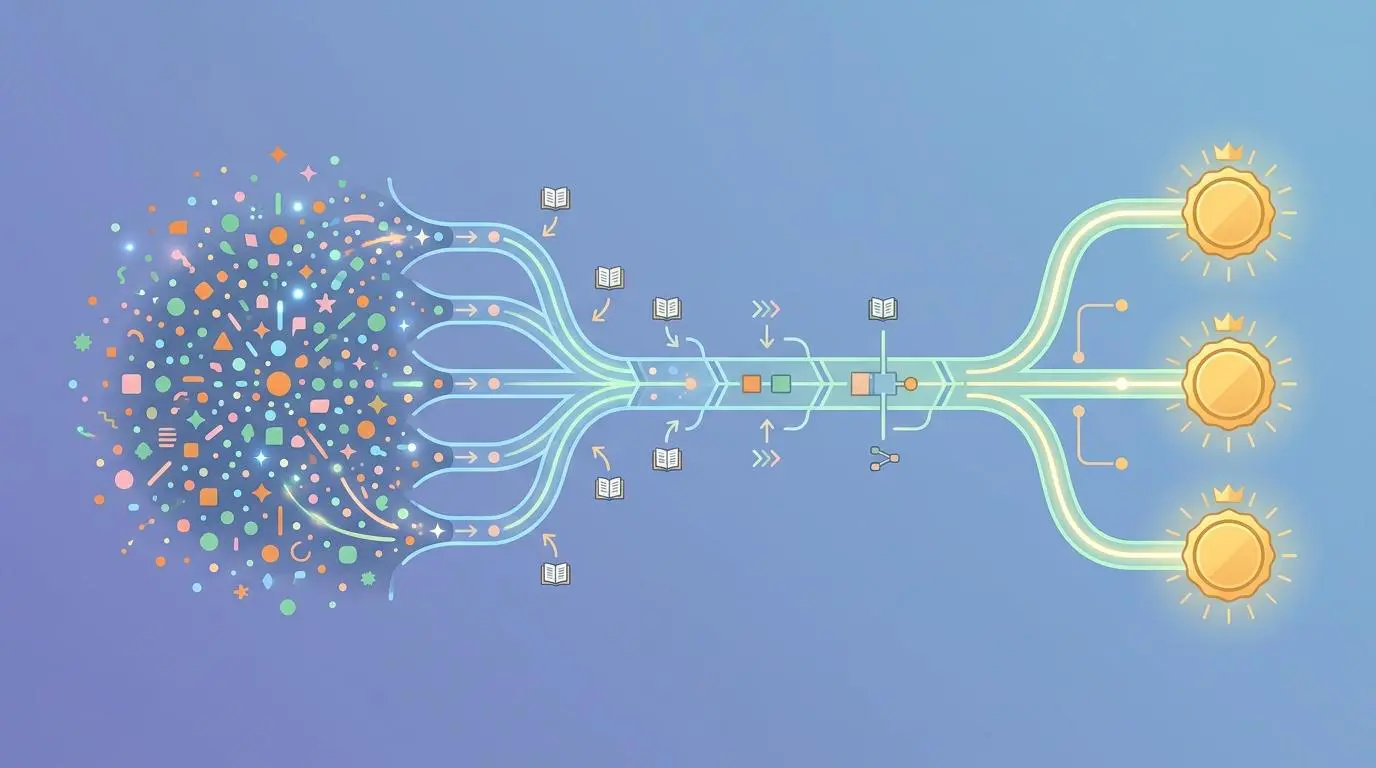
In the near future, the vast majority of AI citations will be derived from earned third-party media rather than brand-owned domains. AI engines are prioritizing external authority signals to build robust trust layers for their LLM outputs. A brand simply stating a fact on its own website is no longer sufficient for generative inclusion.
Traditional backlink volume has been entirely de-prioritized by these modern systems. Instead, search architectures look for high-entropy mention density across authoritative news networks and community hubs. The algorithm measures the velocity and semantic sentiment of brand mentions across the web.
Building a citation pipeline requires a pivot from traditional public relations to semantic entity seeding. Brands must ensure their core technical features and executive insights are deeply embedded in the platforms that LLMs actively scrape for real-time consensus.
Mitigating Overhead with Granular Bot Directives
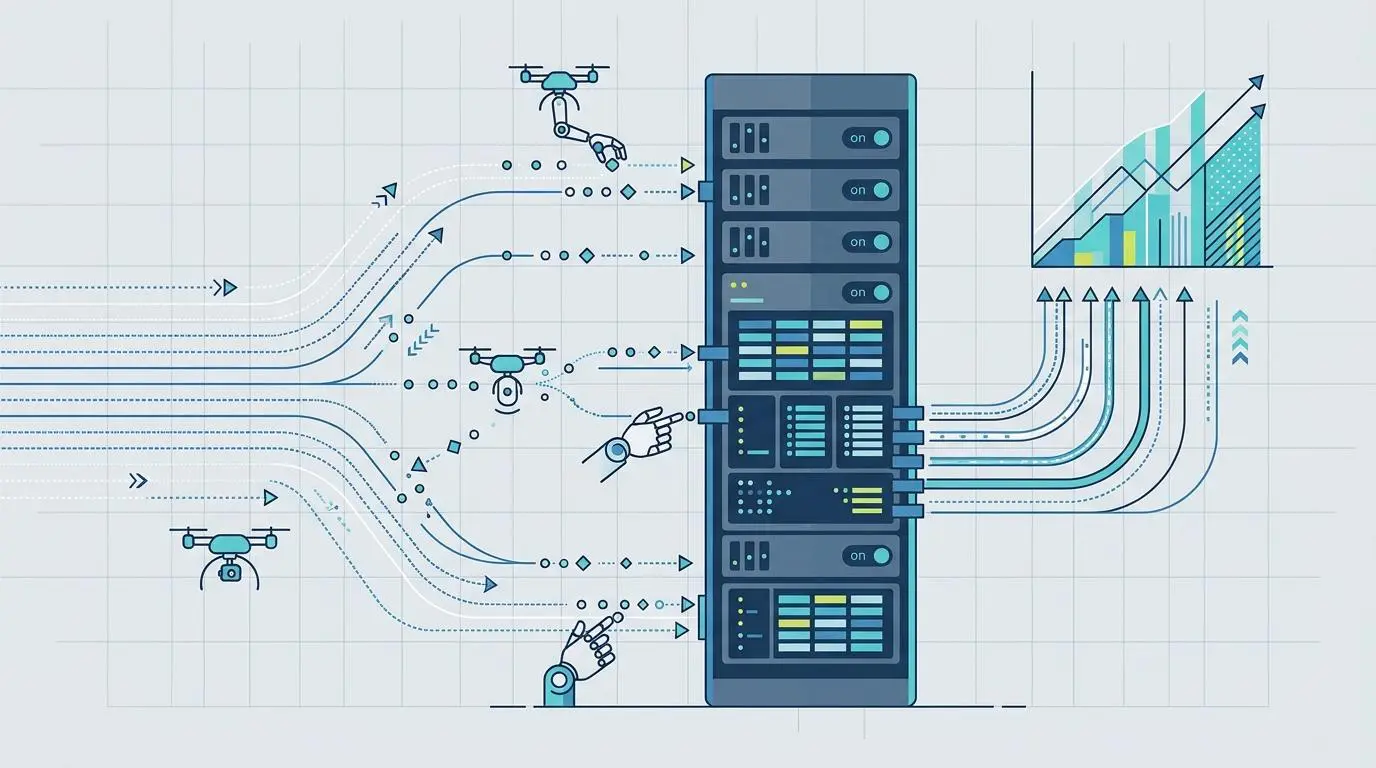
Aggressive and non-standardized scraping by second-tier LLM agents is causing severe infrastructure strain. Engineering teams are seeing massive increases in server resource overhead without gaining any attribution value. These rogue crawlers are extracting training data while offering zero referral traffic in return.
The standardization of specific text protocols is becoming a critical defense mechanism for modern websites. These files allow for granular control over semantic training versus real-time search retrieval. They tell ethical AI agents exactly where to find the synthesized data they need, reducing unnecessary crawl depth.
Implementing these directives ensures that your server resources are reserved for high-value transactional users and primary search engines. It is a necessary technical boundary that protects site performance while maintaining compliance with major AI search orchestrators.
Scaling Entity Resolution for Knowledge Graphs
Dynamic schema injection via JSON-LD is now mandatory for GSS visibility. Search engines rely on this structured data to instantly understand the relationships between your brand, your products, and the broader digital ecosystem. Manual schema maintenance is failing to scale in the era of multi-agent search.
Automated entity-refresh cycles are absolutely required to avoid LLM hallucinations during query synthesis. If a search engine detects conflicting data between your site and a third-party directory, it will simply omit your brand from the AI Overview to protect user trust.
Engineering teams must deploy automated pipelines that sync product inventory, pricing, and entity definitions directly from their core databases into their markup. This ensures that the Knowledge Graph always reflects the absolute truth of the brand’s current state.
The Rise of Personal Search Agents
The rise of agentic retrieval marks the definitive end of traditional crawling. Search engines are rapidly shifting from indexing HTML documents to indexing site-specific API endpoints for direct data retrieval. This architectural shift fundamentally changes how information is surfaced and consumed.
In the coming years, the focus will shift entirely toward personal search agents. These agents will bypass public user interfaces entirely to query private brand APIs for personalized product configuration and instant checkout. The search experience will become a seamless, invisible negotiation between AI agents.
Navigating the intersection of Generative Engine Optimization, AI search architecture, and workflow automation requires a sharp strategy. To future-proof your brand’s visibility in LLMs and scale with precision, connect with Andres at Andres SEO Expert.
Frequently Asked Questions
What is Generative Search Synthesis (GSS) Orchestration?
GSS Orchestration is the architectural framework that aligns raw brand data with the retrieval mechanisms of AI engines, ensuring accurate entity citation and connecting semantic visibility to measurable outcomes.
Why is there an attribution gap in AI-driven search discovery?
The attribution gap occurs when Large Language Models (LLMs) synthesize brand data without passing standard referral headers back to the source, making it difficult for traditional analytics platforms like GA4 to measure ROI.
How does ‘SameAs’ schema alignment improve AI Overview visibility?
By using ‘SameAs’ tags to link a domain to Wikidata and Knowledge Graph entries, technical teams validate entity connections at the code level, which helps search engines accurately identify and cite the brand in synthesized AI results.
Why does AI-referred traffic have a significantly higher conversion rate?
AI-referred traffic converts at over 5x the rate of organic search (approximately 14.2%) because the conversational layer filters user intent, answering complex questions before the user even clicks through to the transaction point.
How do high-entropy citation pipelines differ from traditional SEO?
Unlike traditional SEO which focuses on backlink volume, high-entropy citation pipelines prioritize mention-density and semantic sentiment across authoritative third-party networks and community hubs to build trust layers for LLM outputs.
What role does llms.txt play in managing crawler infrastructure?
The llms.txt protocol provides granular directives that tell AI agents where to find synthesized data, helping engineering teams reduce server resource overhead caused by aggressive, non-standardized scraping.
Why is automated entity resolution necessary for Knowledge Graphs?
Automated entity-refresh cycles via JSON-LD injection prevent LLM hallucinations by ensuring data consistency; if search engines detect conflicting data between a site and third-party directories, they may omit the brand from AI Overviews.