




Key Points
- Transition from optimizing for user clicks to engineering Model Trust and maximizing Citation Probability within LLM inference cycles.
- Implement semantic chunking into 200-500 word units and prioritize static HTML delivery to bypass JS rendering bottlenecks and accelerate Time to Citation.
- Adopt granular, edge-level bot routing strategies to allow real-time AI agents access while protecting proprietary data from bulk training scrapers.
Table of Contents
The Indexing-to-Inference Chasm
The invisible cost of manual AI search optimization is currently staggering. Brands are bleeding visibility by optimizing for an internet that no longer exists. We have officially entered the Indexing-to-Inference Gap.
Traditional search visibility metrics have lost their predictive value almost overnight. AI engines like Google Gemini and SearchGPT no longer just retrieve links for users. Instead, they synthesize answers internally using complex retrieval-augmented generation pipelines.
The mandate for modern engineering teams is absolutely clear. We must shift our architectural focus from driving mere clicks to engineering model trust and citation probability. This paradigm shift is the foundation of Generative Engine Optimization and Agentic Discovery Architecture.
By mastering LLM ingestion and semantic entity resolution, brands can reclaim their digital footprint. The ultimate goal is to transform passive web pages into active data payloads that AI agents actively want to consume.
Quantifying the Zero-Click Reality
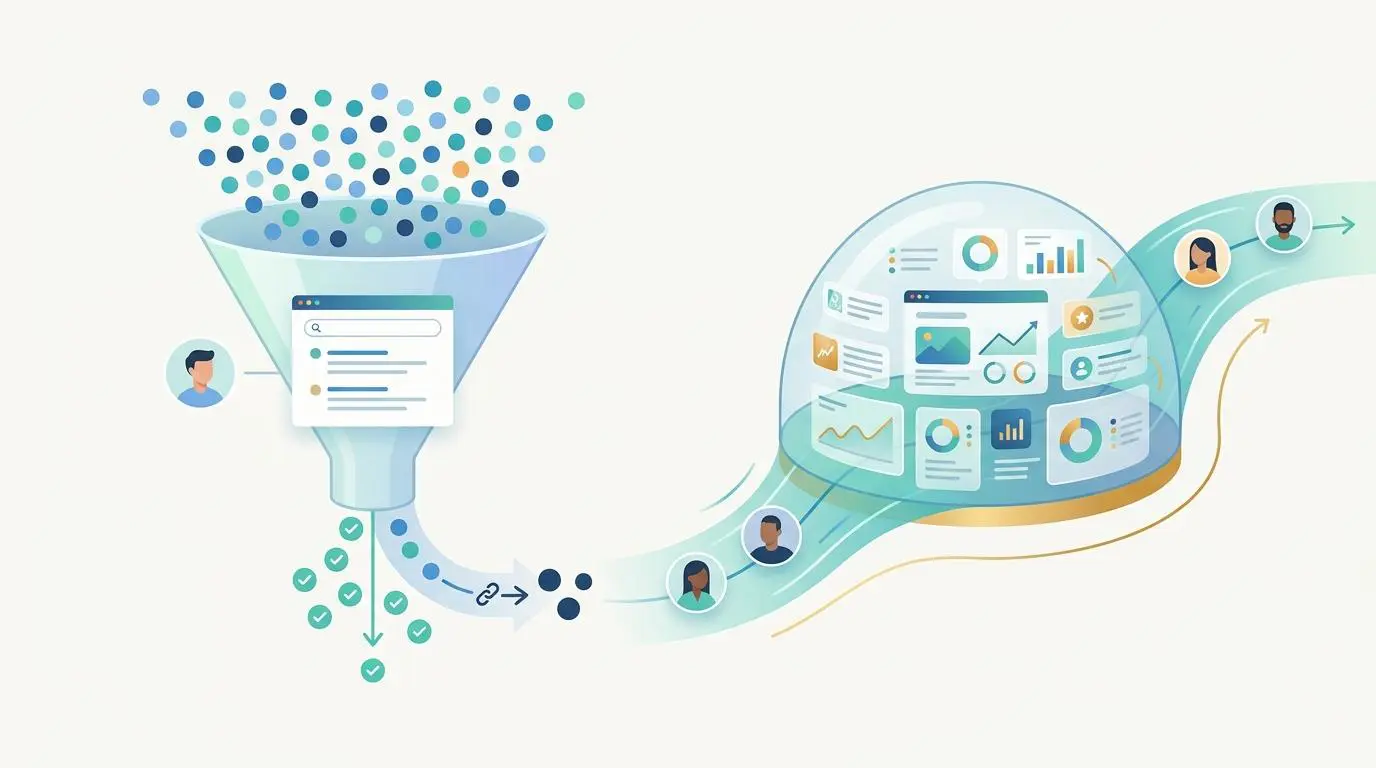
Recent industry analyses confirm that AI Overviews have scaled rapidly across the web. They now trigger for more than a quarter of all Google searches. This represents a fundamental rewiring of the entire discovery ecosystem.
This algorithmic shift has permanently altered user behavior at the top of the funnel. Nearly 60% of user queries are now fully satisfied within the AI overview interface. This means the user never initiates an external site visit, creating a frictionless but closed loop.
Consequently, informational search queries are experiencing a sharp 61% decline in organic click-through rates. Traffic-based ROI models for top-of-funnel content are now technically obsolete.
Engineers must stop measuring success by sessions and start measuring it by inclusion rates. If your brand is not the foundational entity within the AI Overview, you effectively do not exist for that query.
The speed at which these AI Overviews are generated relies heavily on low-latency data retrieval. If your server response time lags during a real-time fetch, the LLM simply skips your domain. Optimizing your server response time is now a critical requirement for inclusion in the synthesis layer.
Orchestrating Model Council Visibility

Google AI Overviews now trigger in a massive percentage of queries depending on the vertical. Simultaneously, platforms like Perplexity have deployed a sophisticated model council architecture. This multi-agent system fundamentally changes how truth is verified online.
This council analyzes hundreds of real-time sources per complex query. To penetrate this synthesis layer, your content must act as a high-density factual anchor. Fluff and marketing jargon are actively penalized by modern ingestion algorithms.
The engineering challenge is feeding this council exactly what it expects via optimized data structures. You can no longer rely on broad thematic relevance or keyword density. You must deliver high-fidelity entity relationships that the council can mathematically verify.
To achieve this mathematical verification, engineering teams must think in terms of vector embeddings. When your text is converted into high-dimensional vectors, the spatial proximity of your concepts determines relevance. Structuring your site architecture to mirror these semantic clusters ensures the model council easily maps your expertise.
Semantic entity resolution is now the primary battleground for search visibility. By structuring your content to explicitly define relationships, you reduce the cognitive load on the LLM. This directly increases your chances of surviving the ruthless filtering process.
Engineering Reference-Grade Pipelines
There is a severe lack of platform consensus in the current AI landscape. Brands are forced to manage separate citation profiles for each major language model. This fragmentation is creating massive operational overhead for search strategists.
A dominant presence in one AI engine absolutely does not correlate with visibility in another. Citation frequency benchmarks reveal that major platforms share very little domain overlap in their cited sources. This inconsistency requires a unified approach to data structuring.
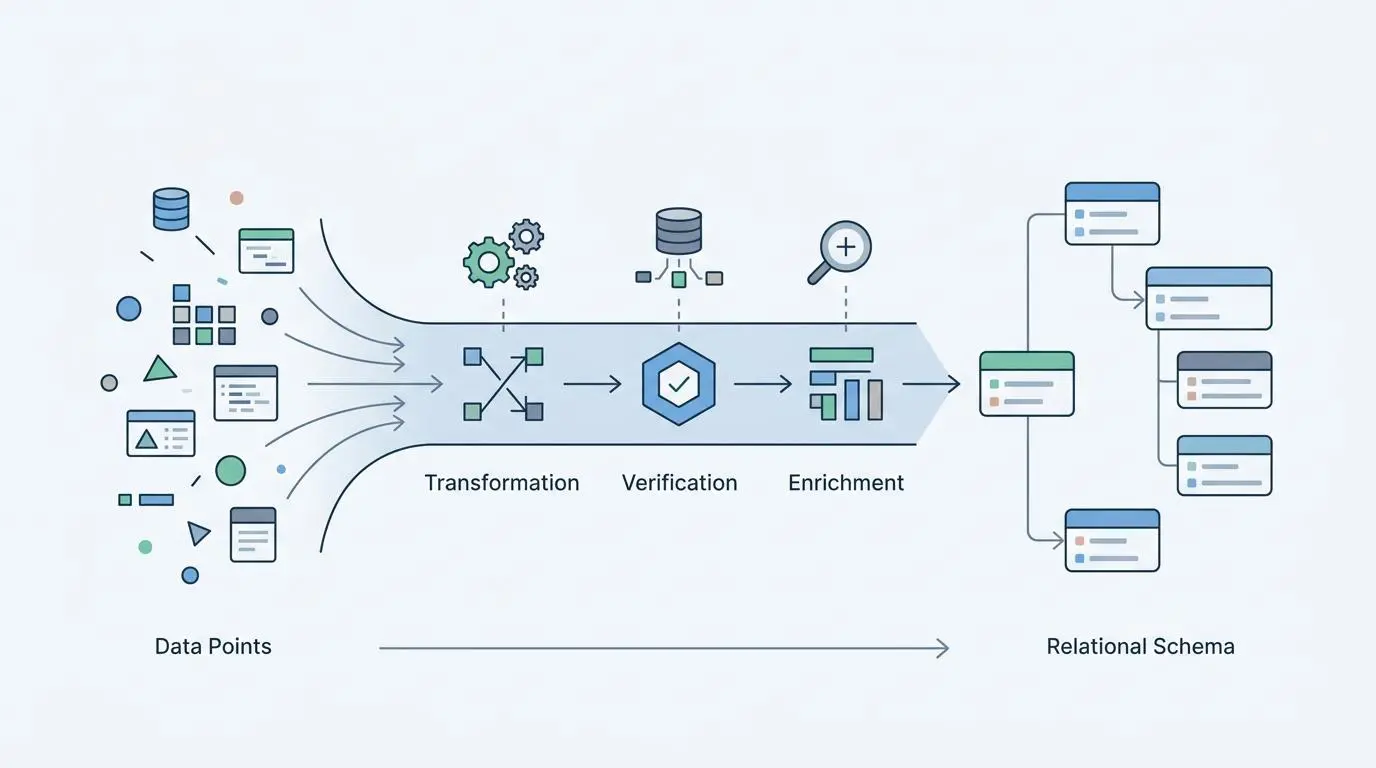
The solution is structuring content as reference-grade data pipelines. By incorporating unique statistics, named sources, and strict schema, you create a universal language for AI crawlers. These reference-grade pipelines receive significantly more citations in modern retrieval cycles.
Deploying advanced schema markup goes far beyond basic rich snippets. You must map your entire corporate ontology into a machine-readable format. When LLMs can parse your proprietary data without relying on natural language processing, your citation probability skyrockets.
Automating these pipelines requires a deep understanding of data efficiency. When your information is delivered in clean and structured formats, LLMs can ingest it with minimal token expenditure. This efficiency makes your brand the path of least resistance for automated citation.
The Crawler Dilemma and Agentic Routing
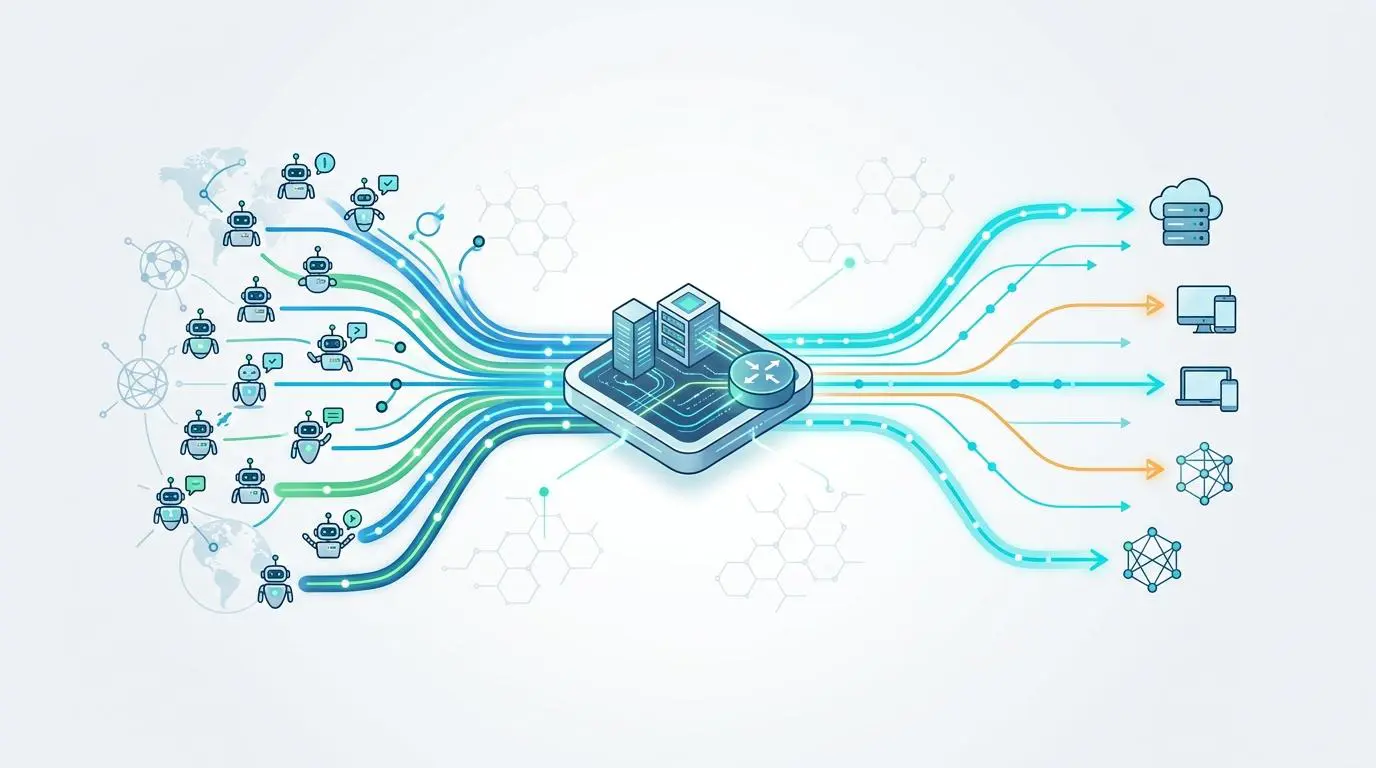
Recent updates to search engine crawlers introduced user-triggered fetchers that routinely bypass legacy directives. This reflects a broader systemic shift in web consumption and automated data extraction. The old rules of crawler management are officially dead.
In fact, agentic bot traffic now accounts for 57.4% of total internet traffic. Bots performing searches on behalf of humans have officially surpassed human browsing. This milestone marks the beginning of the machine-first web.
Architects now face an agonizing dilemma at the server level. Blocking AI training bots via traditional methods often breaks the discovery required for real-time retrieval. This accidentally cripples your visibility in live AI engines.
Managing IP reputation for these incoming agents is absolutely crucial. Edge workers can be programmed to dynamically serve optimized payloads based on the intent of the user agent. This ensures that valuable inference bots receive zero-friction access while malicious scrapers hit a firewall.
Granular edge-level routing is required to distinguish between aggressive scrapers and real-time inference agents. By deploying intelligent bot management at the CDN level, you can feed inference engines while starving unauthorized training models.
Semantic Payloads and RAG Latency
Modern AI crawlers heavily prioritize static HTML over JavaScript-heavy frameworks. A vast majority of enterprise sites possess technical barriers that outright block AI agent ingestion. Improper caching or unrendered scripts are the primary culprits.
When agents encounter these rendering roadblocks, the result is high-latency retrieval. If your data is not immediately parsable, the language model will simply abandon the fetch. It will bypass your source in favor of a faster and more structured competitor.
To mitigate this, content must be semantically chunked into modular units. This approach aligns perfectly with vector database ingestion limits. It ensures your payloads are lightweight, scannable, and highly retrievable during rapid inference.
Engineers must also consider the strict token limits imposed by retrieval architectures. If an AI agent only has a limited context window, bloated pages become a massive liability. Delivering concise and information-dense chunks guarantees that your core messaging makes it into the final prompt.
Semantic chunking also preserves the contextual integrity of your data. When an LLM extracts a chunk, it pulls a complete and self-contained thought. This drastically reduces the risk of brand hallucinations and inaccurate syntheses.
Liquid Indexing and the Autonomous Future
The web is rapidly evolving into a liquid indexing ecosystem. In this fluid environment, AI agents will negotiate usage royalties and access rights in real time. The concept of static search engine results pages will soon be entirely obsolete.
Industry forecasts predict that most B2B procurement will soon be intermediated by autonomous agents. This paradigm shift moves the technical priority away from traditional user experience. The new imperative is agent-specific semantic payload delivery.
Navigating the intersection of Generative Engine Optimization, AI search architecture, and workflow automation requires a sharp strategy. To future-proof your brand visibility in language models and scale with precision, connect with Andres at Andres SEO Expert.
Frequently Asked Questions
What is the Indexing-to-Inference Chasm?
The Indexing-to-Inference Chasm represents the growing gap between traditional search engine indexing and the way modern AI models synthesize information. To bridge this gap, brands must shift their focus from traditional SEO metrics to engineering Model Trust and Citation Probability within retrieval-augmented generation pipelines.
How do AI Overviews impact organic search traffic?
AI Overviews significantly reduce organic click-through rates, with informational queries seeing a decline of approximately 61%. Because nearly 60% of users have their queries satisfied directly within the AI interface, the traditional traffic-based ROI model is being replaced by inclusion-based visibility metrics.
What is a Model Council in AI search architecture?
A Model Council is a multi-agent system, such as that used by Perplexity, where various LLMs (like GPT-5 and Claude) work together to verify facts across hundreds of real-time sources. Content must be structured as high-density factual anchors to be successfully verified and cited by these councils.
Why is there low citation overlap between ChatGPT and Perplexity?
There is only an 11% domain overlap between the sources cited by major LLMs because each platform uses different RAG cycles and citation benchmarks. This fragmentation requires engineering teams to build separate citation profiles and Reference-Grade data pipelines for each major AI ecosystem.
How does semantic chunking improve visibility in AI agents?
Semantic chunking breaks content into modular units of 200-500 words, which fits the ingestion limits of vector databases. This reduces RAG latency and ensures that brand information can be easily retrieved and synthesized within the restricted token windows of AI inference agents.
How should developers handle modern AI crawler traffic?
With agentic bot traffic exceeding 57% of the web, developers should move beyond simple robots.txt files and implement edge-level routing via CDNs. This allows for the delivery of optimized semantic payloads to beneficial inference agents while filtering out unauthorized training scrapers.