


Key Points
- Semantic Skill Graphing eliminates the resume black hole by understanding the context of candidate experience rather than relying on rigid Boolean keyword searches.
- Algorithmic Liability is mitigated through auditable bias-shield logs that ensure compliance with strict regulations like the EU AI Act and NYC Local Law 144.
- Human-in-the-Loop Architecture bridges the candidate trust deficit by pairing a tenfold increase in recruiter productivity with visible human oversight for final decisions.
Table of Contents
- The Triage Crisis in Modern Recruitment
- The Data Driving the Recruitment Shift
- Escaping the Resume Black Hole
- Moving Beyond Boolean with Semantic Skill Graphing
- Navigating Algorithmic Liability and Bias Audits
- The Economics of Automated Screening
- Bridging the Algorithmic Trust Gap
- Democratizing the Hiring Dashboard
- The Dawn of Agentic Recruitment
The Triage Crisis in Modern Recruitment
The invisible cost of manual resume screening is quietly draining operational budgets and burning out talent acquisition teams.
A staggering 93% surge in application volume has collided with a 14% reduction in HR headcount across the industry.
This dynamic has triggered a massive triage crisis where a mere 0.5% of applicants ever reach the offer stage.
To survive this bottleneck, organizations are rapidly adopting AI-native Applicant Tracking Systems (ATS) equipped with semantic candidate matching.
These platforms replace outdated keyword scanners with intelligent systems that genuinely understand human experience.
The Data Driving the Recruitment Shift
Market Intelligence & Data
Enterprise AI Adoption
According to an April 2026 report by DemandSage, 87% of global organizations have now fully integrated AI-driven tools into their core recruitment workflows.
Time-to-Hire Reduction
Verified 2026 data from Homans indicates that AI hiring tools have successfully reduced the average corporate recruitment cycle by 50% compared to 2024 levels.
Recruiter Productivity Multiplier
A 2026 SelectSoftware Reviews study found that recruiters using AI matching agents can screen 500+ candidates per day, a tenfold increase over manual screening capacity.
Candidate Trust Deficit
A 2026 Greenhouse Candidate AI Report reveals that 66% of job seekers will actively avoid companies that use AI for final hiring decisions without visible human oversight.
The transition from legacy systems to intelligent platforms is no longer a fringe movement. 87% of global organizations have now fully integrated AI-driven tools into their daily operations.
This massive adoption rate highlights a fundamental shift in how businesses view talent acquisition infrastructure. Companies are realizing that manual triage simply cannot scale with modern application volumes.
Speed is the ultimate competitive advantage in securing top-tier talent. Verified 2026 data from Homans indicates that these intelligent hiring tools have successfully reduced the average corporate recruitment cycle by 50% compared to 2024 levels.
This acceleration means critical roles are filled faster, minimizing the operational drag of vacant positions. Faster pipelines also prevent top candidates from accepting competing offers.
The impact on individual team members is equally transformative. A 2026 SelectSoftware Reviews study found that recruiters using AI matching agents can screen 500+ candidates per day, a tenfold increase over manual screening capacity.
This productivity multiplier frees up human recruiters to focus on high-value tasks like relationship building and behavioral interviewing. The technology handles the heavy lifting of initial data processing.
Despite these massive operational gains, a critical friction point remains regarding human perception. A 2026 Greenhouse Candidate AI Report reveals that 66% of U.S. candidates say they will not apply for a job if they know AI makes the final hiring decision without human review.
This candidate trust deficit forces companies to balance algorithmic efficiency with visible human empathy. Transparent communication about how these tools are used is now a mandatory element of employer branding.
Escaping the Resume Black Hole
Modern recruiters are drowning in manual triage.
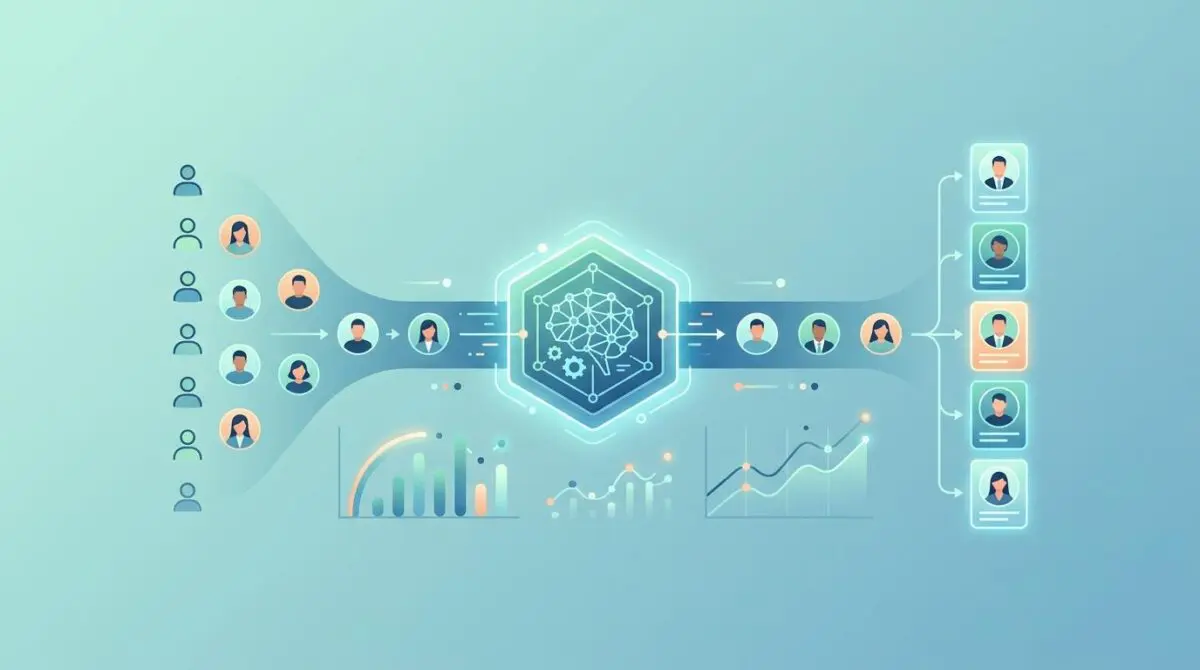
According to 2026 benchmarks from Gem, recruiters face the near-impossible task of filtering thousands of AI-generated resumes for a single role.
This relentless flood of documents inevitably leads to severe resume blindness.
Qualified human candidates end up lost in a sea of algorithmic noise, creating a frustrating resume black hole.
To combat this, tools like Ashby and Greenhouse now implement neural filtering.
These advanced algorithms process massive volumes instantly to surface the most relevant talent.
This shift allows talent teams to focus on interviewing rather than endless scrolling.
Moving Beyond Boolean with Semantic Skill Graphing
Legacy Boolean search strings are fundamentally broken.
They routinely miss 30-40% of qualified talent simply because candidates use non-standard job titles.
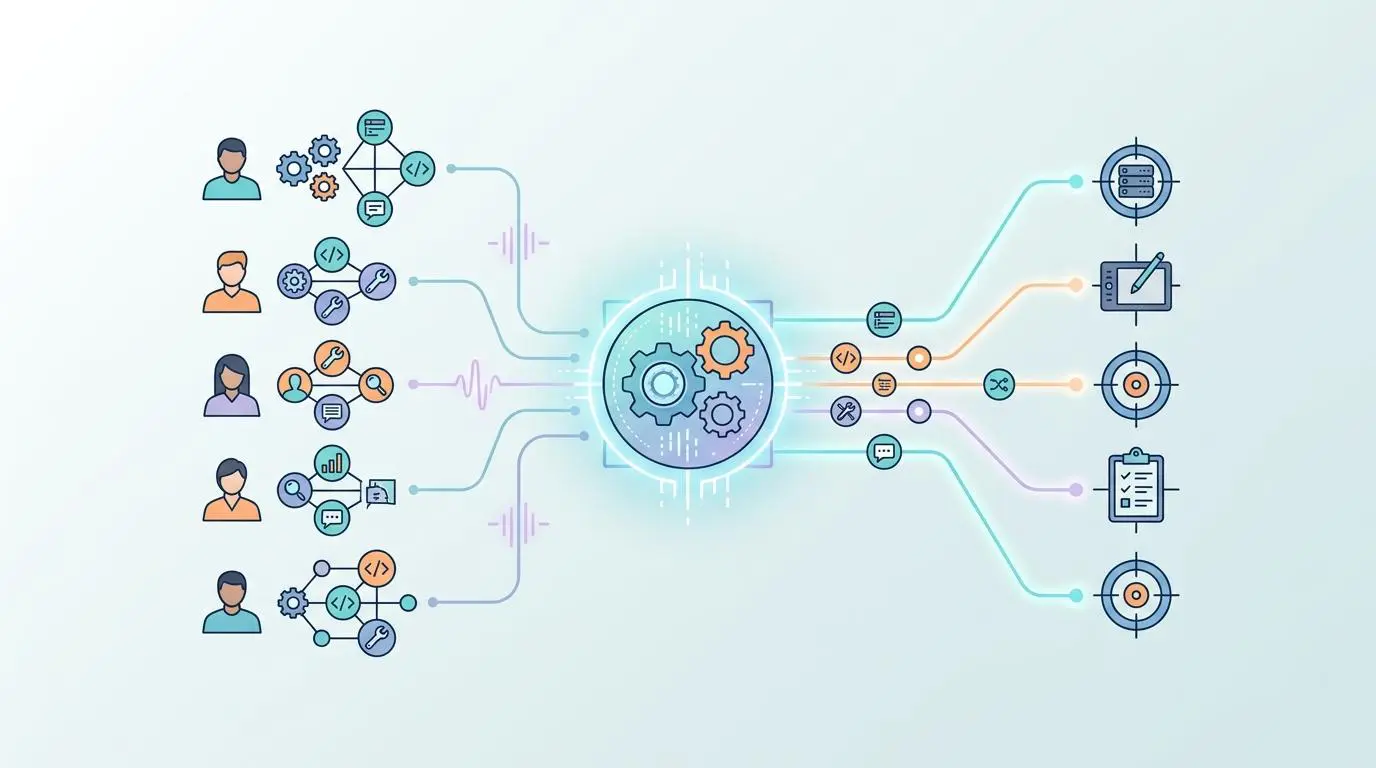
Platforms like Workday, following their HiredScore acquisition, have shifted entirely to semantic skill graphing.
SmartRecruiters’ Winston assistant also utilizes this technology to interpret the actual context of a candidate’s experience.
Instead of rigidly scanning for exact buzzwords, the system understands adjacent skills and career trajectories.
Furthermore, a 2026 recruitment arms race has emerged, completely altering the landscape.
According to the Truffle 2026 AI Recruitment Report, 50% of job seekers now use specialized generative AI to reverse-engineer ATS filters.
This is forcing vendors to pivot away from resume analysis entirely, moving toward live behavioral assessments and verified skill-based credentials.
Navigating Algorithmic Liability and Bias Audits
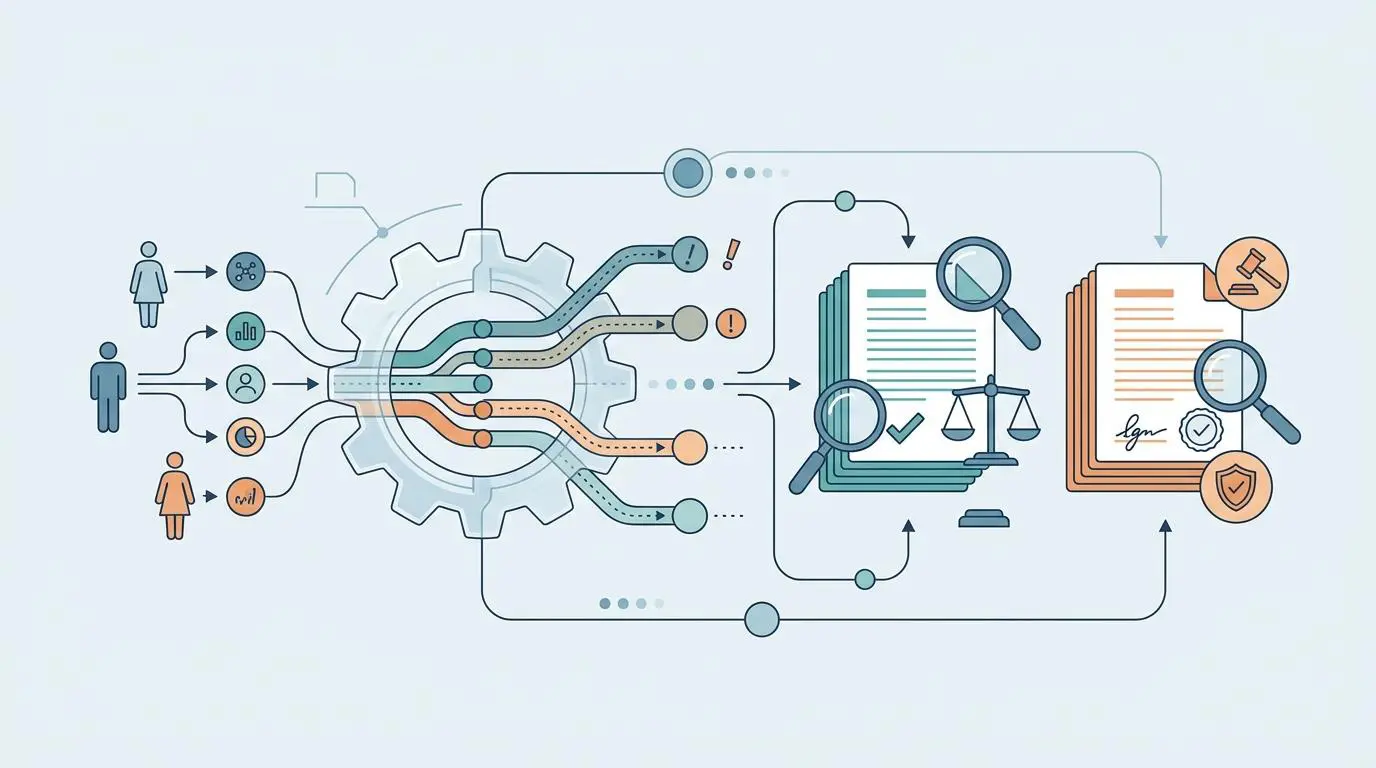
Deploying automated employment decision tools carries significant legal and ethical weight.
The enforcement of the EU AI Act in August 2026 has completely rewritten the compliance playbook.
Similarly, NYC Local Law 144 now requires mandatory annual bias audits and candidate notifications.
Companies face severe legal liability and heavy fines for unintentional algorithmic discrimination against protected groups.
To mitigate this risk, vendors like Eightfold AI now provide auditable bias-shield logs.
These transparent reporting mechanisms prove that hiring decisions are based on objective skill data.
Maintaining this level of compliance is critical for any enterprise operating across multiple jurisdictions.
The Economics of Automated Screening

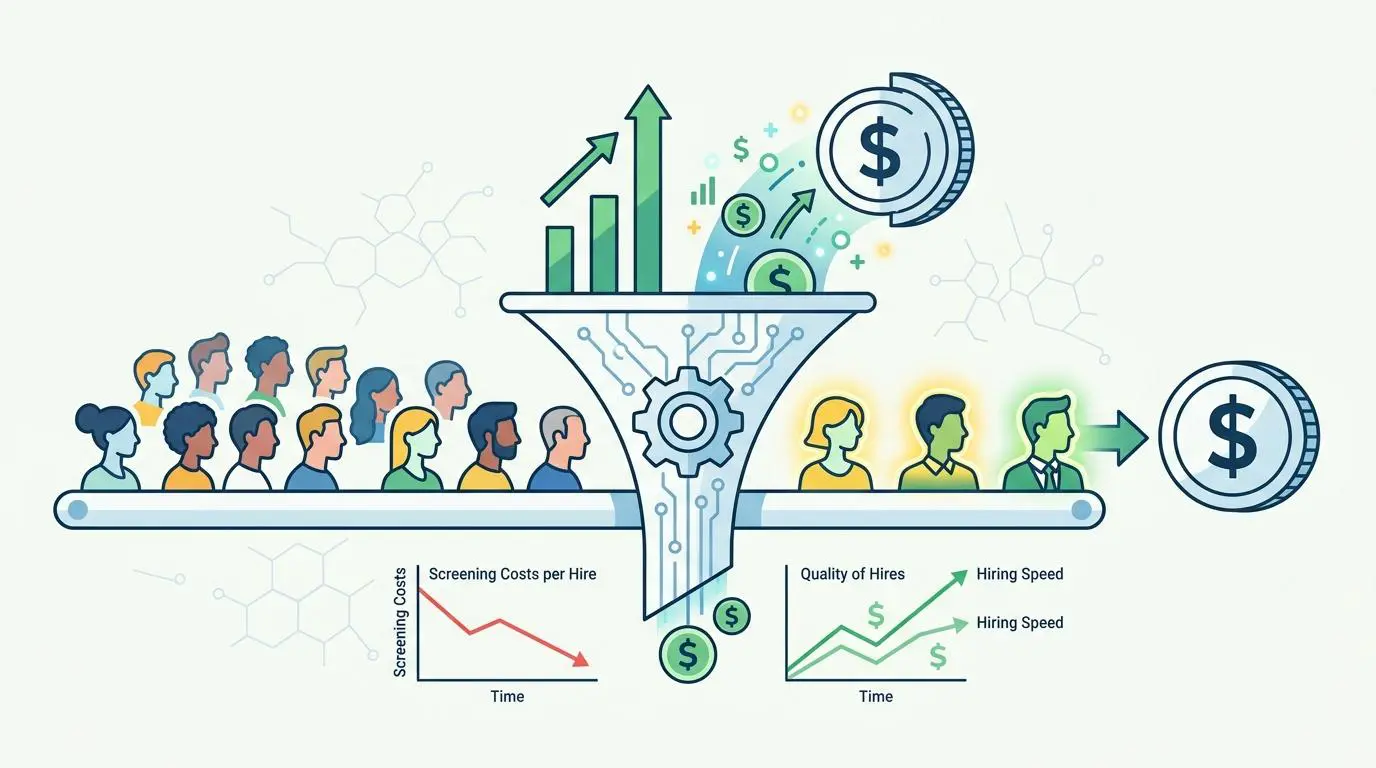
The financial argument for modernizing your recruitment stack is undeniable.
Internal screening delays often lead to excessive vanguard spending on external headhunters.
By implementing AI-driven recruiting, companies cut time-to-hire by up to 50-70%.
This drastic reduction lowers the average cost-per-hire from $4,700 to approximately $3,290.
Platforms like Pin and Homans report massive productivity gains for talent acquisition teams.
A single recruiter can now confidently screen 500 applications daily instead of struggling through 50.
These savings directly impact the bottom line while simultaneously elevating the quality of new hires.
Bridging the Algorithmic Trust Gap
Efficiency cannot come at the cost of candidate experience.
There is a massive trust gap between employers utilizing automation and the talent they wish to attract.
Candidate abandonment and brand damage are real risks if the hiring process feels overly robotic or soulless.
Job seekers want the assurance that their unique experiences are being evaluated by a real person.
Leading platforms are now forced to use human-in-the-loop indicators within their interfaces.
These HITL features reassure applicants that human oversight remains the ultimate authority.
Balancing automation with authentic human connection is the only way to win top-tier talent.
Democratizing the Hiring Dashboard
Even the most powerful software is useless if hiring managers refuse to use it.
Low software adoption rates plague traditional enterprise platforms due to complex, clunky interfaces.
Modern systems are prioritizing user experience to ensure widespread internal adoption.
The Sapien design system used by Darwinbox and MokaHR is a prime example of this shift.
It simplifies complex AI scoring into highly intuitive talent maps.
Non-technical hiring managers can understand these visual dashboards instantly without specialized training.
This democratization of data ensures that everyone involved in the hiring process is perfectly aligned.
The Dawn of Agentic Recruitment
The market is rapidly shifting toward agentic recruitment models.
Autonomous AI agents will soon do much more than simply match candidates to job descriptions.
They will perform real-time identity verification and conduct preliminary technical evaluations.
This evolution is necessary to eliminate the projected 15% surge in AI-generated fake candidate profiles.
The future of talent acquisition belongs to organizations that embrace intelligent, verifiable automation.
Navigating the intersection of modern technology, software architecture, and business growth requires a sharp strategy. To future-proof your tech stack and scale with precision, connect with Andres at Andres SEO Expert.
Frequently Asked Questions
What is semantic candidate matching in AI recruitment?
Semantic candidate matching is an AI-native technology that interprets the context of a candidate’s experience rather than just scanning for keywords. Unlike legacy Boolean systems, semantic matching understands adjacent skills and career trajectories, preventing recruiters from missing the 30-40% of qualified talent who may use non-standard job titles.
How does AI impact the recruitment time-to-hire and costs?
According to 2026 data, AI-driven hiring tools reduce corporate recruitment cycles by 50-70%. This efficiency lowers the average cost-per-hire from $4,700 to approximately $3,290 and allows individual recruiters to screen over 500 candidates per day, representing a tenfold increase in productivity over manual methods.
What are the compliance requirements for AI hiring under the EU AI Act?
The EU AI Act, enforced in August 2026, along with NYC Local Law 144, requires organizations to conduct mandatory annual bias audits and provide candidate notifications. Companies must use transparent reporting mechanisms, like Bias-Shield logs, to prove hiring decisions are based on objective data and avoid legal liability for algorithmic discrimination.
Why is there a candidate trust deficit with AI-driven hiring?
A 2026 Greenhouse report shows that 66% of job seekers will avoid companies that use AI for final hiring decisions without visible human oversight. To bridge this trust gap, leading platforms now implement Human-in-the-loop (HITL) indicators to reassure applicants that their unique experiences are being evaluated by humans.
What is agentic recruitment and how does it combat fake profiles?
Agentic recruitment utilizes autonomous AI agents to perform real-time identity verification and preliminary technical evaluations. This evolution is a direct response to a 15% surge in AI-generated fake candidate profiles, ensuring that talent acquisition remains verifiable and secure through intelligent automation.
What is semantic skill graphing in modern Applicant Tracking Systems (ATS)?
Semantic skill graphing is a method used by platforms like Workday and SmartRecruiters to map the relationship between different skills and experiences. Instead of rigid keyword searches, it uses neural filtering to surface relevant talent based on the actual context and complexity of a candidate’s professional background.