Key Points
- Predictive Telemetry: Continuous monitoring of granular user behavior flags subtle engagement drops to prevent silent cancellations.
- Prescriptive Playbooks: Large Action Models automatically generate targeted recovery strategies and draft outreach emails to save at-risk accounts.
- Sentiment Integration: Analyzing unstructured dark data from chat logs and support tickets increases churn prediction accuracy by 40 percent.
Table of Contents
- The Invisible Revenue Drain
- Quantifying the Impact of Predictive Retention
- Beyond Static Spreadsheets and Basic CRMs
- Prescriptive Analytics and Large Action Models
- Translating Dark Data into Actionable Insights
- Turning Retention into a Revenue Engine
- Eliminating Administrative Burnout
- Designing the Command Center for Urgency
- The Era of Autonomous Account Management
The Invisible Revenue Drain
The hidden tax of operating a modern software business is the slow, quiet erosion of user engagement. This silent drain often goes completely unnoticed until renewal day. Your account managers are likely fighting fires with blindfolds on, relying on basic login metrics that reveal nothing about true product adoption.
By the time a support ticket is filed or an executive reaches out, the decision to cancel was already made weeks ago. This reactive cycle forces your team to negotiate from a position of weakness. They end up desperately offering discounts to save accounts doomed by outdated tracking methods.
To break this cycle, forward-thinking organizations are deploying AI-driven customer success platforms with predictive behavioral modeling. These advanced systems replace fragmented spreadsheets with continuous, granular telemetry. They monitor exactly how users interact with your software in real time.
These platforms act as an early warning radar for your retention team. They detect the subtle behavioral shifts that precede a cancellation long before the customer realizes they are dissatisfied.
Quantifying the Impact of Predictive Retention
Market Intelligence & Data
AI Intervention Success
According to the 2026 State of SaaS Retention Report, 82% of enterprises using predictive AI successfully identified at-risk accounts at least 90 days before contract expiration.
Average Saved Revenue
A 2025 Gartner study revealed that mid-market SaaS companies saved an average of $2.1 million in annual recurring revenue by implementing automated churn alerts.
Predictive ROI
Forrester Research reported in early 2026 that for every $1 spent on advanced Customer Success Platforms, enterprises see a 12.5x return through improved NRR and reduced churn.
CSM Productivity Boost
Data from the 2026 Cloud Software Association shows that AI-integrated CSPs have reduced manual data entry for CSMs by 68% compared to 2024 levels.
The 82 percent success rate of artificial intelligence intervention fundamentally changes how organizations approach the silent churn phenomenon. Accurately identifying at-risk accounts 90 days prior to contract expiration shifts the dynamic from reactive panic to strategic relationship management.
This three-month buffer provides ample time to deploy targeted educational campaigns and executive check-ins. It also allows teams to offer personalized product training to re-engage users effectively.
Saving an average of $2.1 million in annual recurring revenue highlights the raw financial power of predictive analytics in the mid-market sector. This retained capital directly funds product development and aggressive market expansion rather than constantly plugging a leaky bucket.
By leveraging predictive churn flags and automated next-best-action tasks, companies ensure high-value clients are nurtured exactly when engagement dips.
A 12.5x return on investment proves that modern customer success infrastructure is no longer a cost center. It has evolved into a powerful revenue multiplier for enterprise organizations. Every dollar invested pays massive dividends by protecting the existing baseline and uncovering hidden upsell opportunities.
This impressive level of return is achieved because intelligent platforms dramatically reduce acquisition costs. They do this by maximizing the lifetime value of every signed contract.
Reducing manual data entry by 68 percent gives account managers their most valuable resource back. Uninterrupted time allows them to focus on what truly matters. Instead of spending hours compiling health reports and updating static fields, professionals can dedicate their energy to strategic consulting.
This shift toward complex problem-solving directly correlates with higher employee satisfaction. It ultimately fosters stronger, more authentic client relationships.
Beyond Static Spreadsheets and Basic CRMs

For years, retention teams have operated in the dark, relying on static spreadsheets to manage hundreds of complex enterprise accounts. These legacy systems typically track superficial metrics like the last time a user logged in. This provides a dangerously incomplete picture of overall account health.
This outdated approach forces managers into a cycle of reactive firefighting. They end up only speaking to clients when a critical support ticket is filed or a renewal date looms.
Modern platforms completely dismantle this reactive workflow by continuously monitoring granular telemetry across your entire software ecosystem. Industry-leading systems establish a unique baseline for healthy engagement by mapping the specific features your clients use daily.
When a power user’s activity drops by a specific percentage, the platform instantly flags the account for immediate review.
This automated oversight allows your team to intervene and correct the course proactively. You can resolve issues before the customer even realizes they are dissatisfied with the product. It transforms the role of the account manager from a passive observer into an active architect of the customer journey.
Prescriptive Analytics and Large Action Models
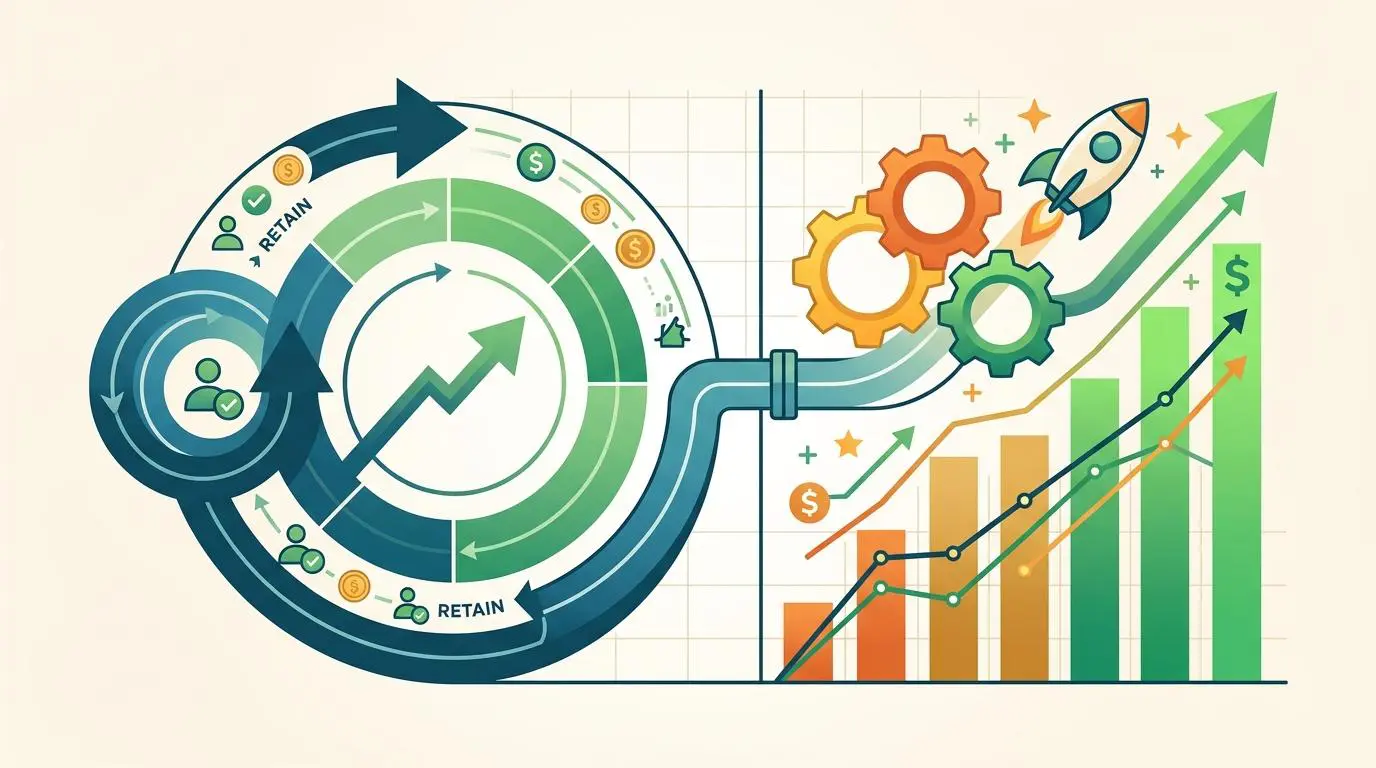
Having access to massive amounts of telemetry often leads to a new operational bottleneck known as data overload. Account managers can easily become paralyzed by endless dashboards, unsure of what specific action will actually save a declining account.
By 2026, the most advanced platforms have solved this critical issue. They have evolved beyond simple health scores into the realm of prescriptive analytics.
These modern systems utilize Large Action Models to not just predict cancellations, but to actively orchestrate the recovery process. When a feature gap is identified, the platform automatically generates a personalized re-engagement playbook. This playbook is perfectly tailored to that specific client’s usage history.
This automated orchestration includes several key capabilities:
- Drafted Email Sequences: The system writes highly specific outreach messages based on the exact features the client is neglecting.
- Targeted Resource Delivery: Automated workflows send relevant documentation and video tutorials directly to the struggling user.
- Strategic Task Assignment: The platform assigns prioritized follow-up tasks to the appropriate account manager.
This technological shift transforms retention from an analytical guessing game into a precise, execution-focused discipline.
Translating Dark Data into Actionable Insights
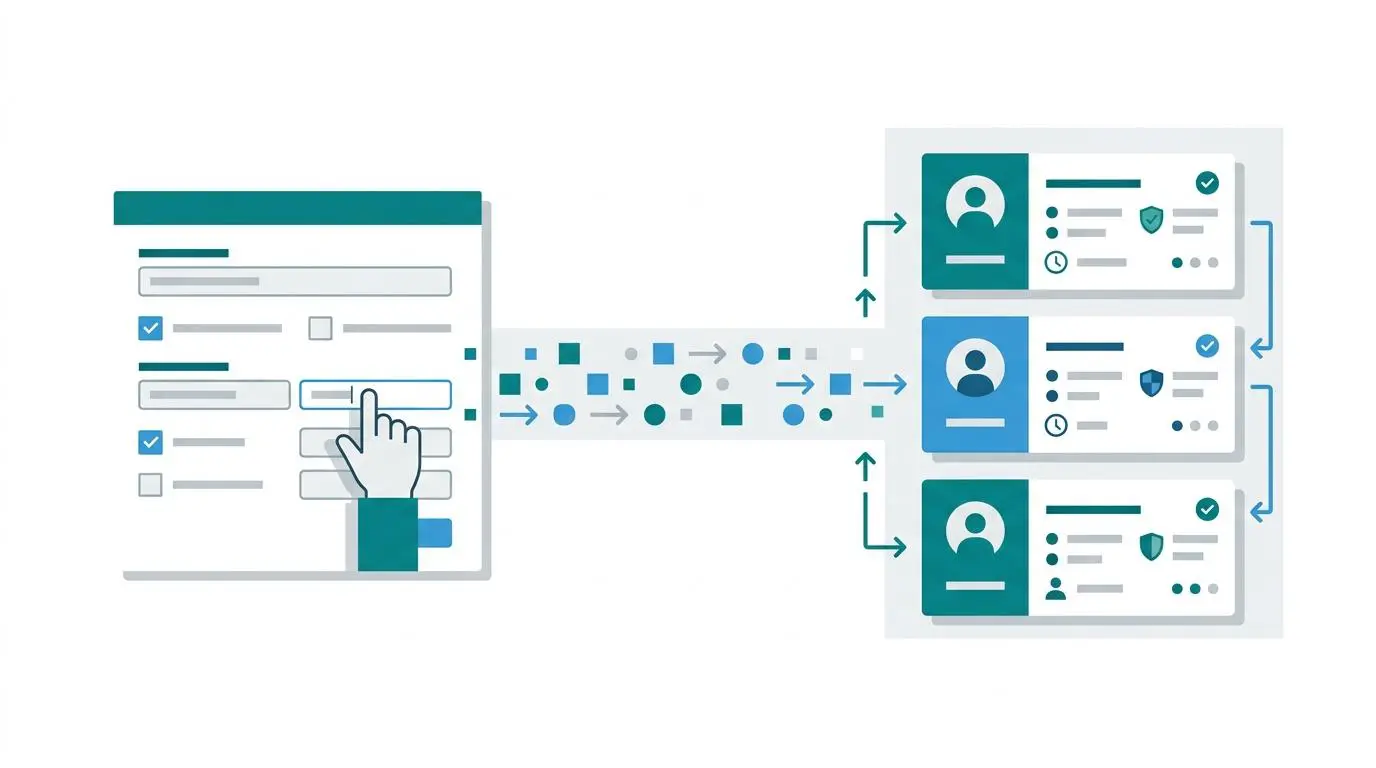
The most valuable customer insights are rarely found in structured databases or clean reporting fields. They are buried deep within dark data, scattered across fragmented communication silos like email threads, help desk tickets, and casual chat channels.
Historically, this fragmentation made it impossible to gauge the true emotional temperature of an enterprise client.
Today’s advanced platforms ingest this unstructured dark data to create a highly accurate, multi-dimensional health score ranging from 1 to 100. They parse conversational text, analyze the tone of support tickets, and even process video transcript sentiment. This helps teams understand exactly how the customer feels about your service.
A 2026 industry study by the Customer Success Collective found that this sentiment-based prediction is highly effective. It is now 40 percent more accurate at forecasting cancellations than traditional usage metrics alone.
By consolidating millions of unstructured data points into a single grade, these platforms eliminate critical blind spots. This comprehensive visibility prevents the sudden surprises that lead to unexpected churn.
Turning Retention into a Revenue Engine

The financial mechanics of modern software businesses dictate that replacing a lost customer is exponentially more expensive than retaining an existing one. High customer acquisition costs make it financially unsustainable to rely solely on new sales to drive organizational growth.
Shifting from a baseline of 95 percent gross retention to 105 percent net revenue retention is the primary driver for adopting advanced platforms.
Predictive tools do much more than just identify flight risks across your portfolio. They actively identify accounts exhibiting expansion readiness by analyzing when a client’s health score peaks and their feature adoption maximizes.
The platform then automatically alerts the sales team that the account is primed for a strategic upsell conversation.
This intelligent routing effectively turns the customer success department from a defensive support mechanism into a proactive revenue generator.
Eliminating Administrative Burnout
The human element of account management has been severely compromised by the sheer volume of administrative overhead required to maintain legacy systems. Many managers spend up to 60 percent of their day on robotic tasks like manual data entry, compiling usage reports, and updating account statuses.
This heavy administrative burden leads directly to widespread burnout and high turnover within client-facing departments.
Artificial intelligence is specifically designed to absorb these repetitive, low-value tasks so your team never has to touch them again. By automating the extraction and formatting of account data, the platform frees up human managers to focus entirely on high-value strategic consulting.
They can finally dedicate their time to executive business reviews, complex problem solving, and authentic relationship building.
When the software handles the heavy lifting of data processing, the humans can finally handle the nuanced needs of the customer.
Designing the Command Center for Urgency
Even the most powerful software is entirely useless if the internal team refuses to adopt it into their daily workflow. Historically, retention tools suffered from low internal adoption because they were perceived as clunky, isolated systems that created extra work.
The newest 2026 interfaces completely reimagine the user experience to function as a seamless extension of the manager’s existing environment.
These modern platforms emphasize command center designs that prioritize accounts by urgency rather than alphabetical order. This ensures that the most critical, at-risk accounts are always front and center when a manager starts their day.
It removes the guesswork from daily planning and forces immediate action on high-priority items.
Furthermore, deep integrations with collaborative tools allow managers to update statuses, review health scores, and trigger playbooks without ever leaving their primary communication app. This frictionless experience transforms the platform from a mandatory chore into an indispensable productivity booster.
The Era of Autonomous Account Management
The evolution toward autonomous customer success represents a fundamental shift in how software companies will scale their operations over the next decade. We are rapidly approaching a future where intelligent agents independently handle low-tier account renewals, basic onboarding sequences, and routine health checks.
This autonomous layer ensures a perfect coverage rate across the entire customer base, leaving absolutely no account ignored.
By delegating routine maintenance to intelligent systems, human managers are liberated to exclusively handle high-touch enterprise accounts that require deep strategic alignment. This hybrid approach is the definitive blueprint for scaling retention without linearly scaling headcount.
It represents the ultimate fusion of machine efficiency and human empathy.
Navigating the intersection of modern technology, software architecture, and business growth requires a sharp strategy. To future-proof your tech stack and scale with precision, connect with Andres at Andres SEO Expert.
Frequently Asked Questions
What is predictive behavioral modeling in customer success?
Predictive behavioral modeling uses continuous telemetry and AI to monitor granular user interactions with software. Unlike static login data, it detects subtle shifts in engagement to forecast potential churn months before a customer decides to cancel.
How does AI help identify silent churn before contract expiration?
AI platforms analyze dark data, such as sentiment in emails and support tickets, to identify at-risk accounts. According to industry reports, these systems can successfully flag at-risk enterprises at least 90 days before their contract expires.
What is the financial impact of implementing a Customer Success Platform (CSP)?
Enterprises implementing advanced CSPs see an average ROI of 12.5x through improved net revenue retention. Mid-market SaaS companies have reported saving an average of $2.1 million in annual recurring revenue by using automated churn alerts.
What are Large Action Models (LAMs) in retention strategies?
Large Action Models go beyond predictive health scores to provide prescriptive analytics. They automatically orchestrate recovery playbooks, including drafting specific outreach emails and assigning prioritized tasks to account managers to save declining accounts.
How does AI automation improve Customer Success Manager productivity?
AI-integrated platforms reduce manual data entry by approximately 68%. This automation allows managers to move away from administrative tasks and spend more time on high-value activities like strategic consulting and relationship building.
Can AI platforms identify expansion and upsell opportunities?
Yes. Predictive tools analyze health score peaks and feature adoption levels to determine when an account is primed for growth. The system then alerts sales teams to strategic upsell opportunities, turning retention efforts into a revenue engine.