

Key Points
- Edge-Native Processing: Deploying AI agents directly at the pump eliminates latency and prevents mechanical cavitation caused by rapid viscosity shifts.
- Automated VFD Calibration: Integrating inline viscometers with variable frequency drives cuts energy consumption by up to 50 percent during partial load operations.
- Decentralized Fluid Networks: Moving away from centralized PLCs toward autonomous fluid swarms prevents single points of failure across complex industrial pipelines.
Table of Contents
The Invisible Drag on Industrial Pipelines
Picture this: deep within a chemical processing plant, a massive industrial pump fights a losing battle against a batch of fluid that just thickened unexpectedly. The motor whines, the temperature spikes, and the entire production line shudders under the strain of mechanical stress. This is the daily reality for facilities relying on static pump set-points that blindly push fluids without understanding what they are actually moving.
Static configurations fail miserably when confronted with fluctuating fluid viscosity. They force pumps to work against the physics of the material, causing excessive energy waste and severe mechanical cavitation. Over time, this blind force destroys expensive seals and shatters impellers, leading to catastrophic downtime.
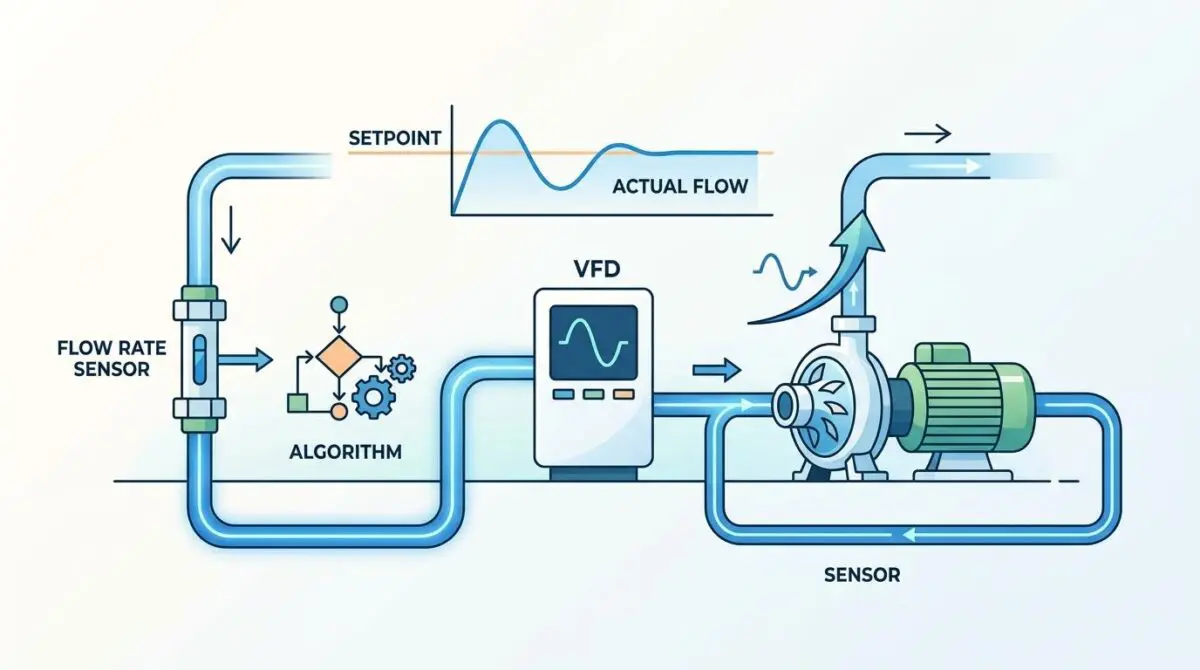
The ultimate solution to this operational nightmare is dynamic closed-loop VFD speed modulation. By integrating live rheological data directly into the motor’s control loop, facilities can transform dumb iron into highly responsive, self-regulating fluid engines. This automation eliminates the guesswork, reclaims lost hours of manual calibration, and protects the mechanical integrity of the entire processing infrastructure.
Quantifying the Flow Metrics
To truly understand the impact of real-time pump modulation, we must look at the hard data driving industrial adoption. The shift from manual oversight to dynamic automation is reshaping operational budgets across the globe.
Market Intelligence & Data
Energy Savings Potential
A 2026 guide by iFluids Engineering confirms that reducing pump speed to 80% capacity via VFDs can cut total energy consumption in half.
Viscosity Market Value
Spherical Insights reported in June 2026 that the global market for industrial viscosity measurement reached this valuation in 2025 due to IoT integration.
O&G Operational Savings
Intel Market Research data for 2026 indicates that oil and gas operators deploying smart pump speed modulation have achieved energy efficiency gains of up to one-fifth.
Edge Control Latency
According to the 2026 Shift to Edge AI report by Oxmaint, edge-native automation provides sub-5ms feedback loops critical for real-time pump adjustments.
The staggering 50 percent reduction in energy consumption is not just a theoretical maximum; it is a daily reality for modernized plants running at partial loads. A recent breakthrough in mechanistic modeling for submersible pumps now allows engineers to calculate boosting pressure under high-viscosity flow. This correlates recirculation losses with velocity triangle mismatches to maximize efficiency.
This push for efficiency explains why the industrial viscosity measurement market has exploded to a $3.85 billion valuation. Facilities are rushing to integrate IoT sensors because you simply cannot automate what you cannot measure. Real-time visibility into fluid dynamics is no longer a luxury; it is the foundational requirement for modern manufacturing.
In the high-stakes world of oil and gas, saving 15 to 20 percent on operational costs is a massive competitive advantage. Advanced edge agents process multi-modal vibration and thermal data to predict fluid thickness changes before they reach the pump intake. This predictive capability is what secures such massive operational savings in harsh, unforgiving environments.
Finally, the requirement for sub-5ms edge control latency highlights the speed at which modern systems must operate. When a slug of thick material hits a pump, the Variable Frequency Drive must react instantly to prevent motor overload. Milliseconds are the difference between a smooth operation and a blown seal.
Calibrating the Current
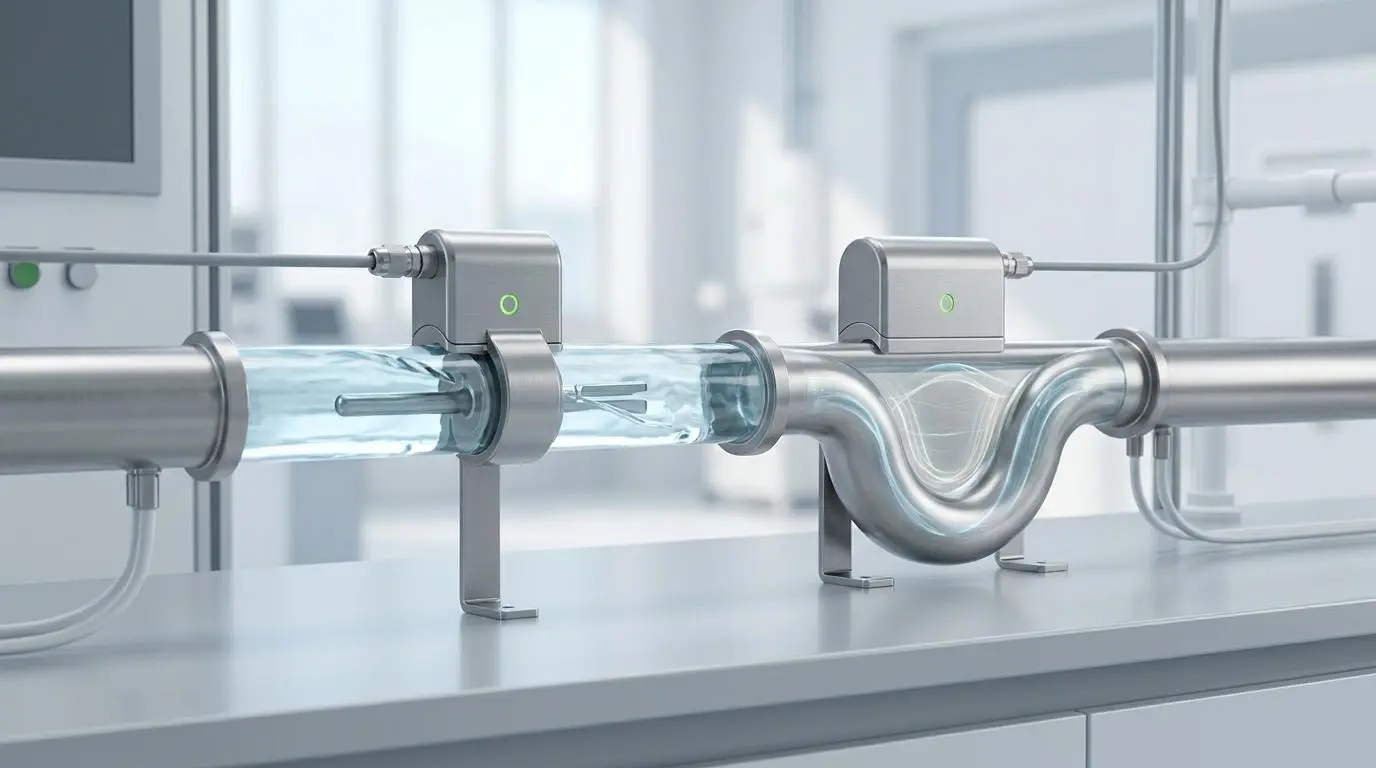
Fluctuating fluid viscosity in chemical and food processing creates a relentless daily friction for operators. Traditionally, this requires constant manual calibration of Variable Frequency Drives just to prevent the motors from overloading and tripping offline. Human operators simply cannot adjust dials fast enough to match the complex rheology of mixing vats.
Manual speed adjustments almost always lag behind real-time changes in the fluid. This hesitation leads to severe batch inconsistencies, ruined product yields, and sudden energy spikes that trigger utility penalties. The entire workflow is inherently reactive and deeply inefficient.
To solve this, modern integrated systems deploy inline viscometers alongside Coriolis flow meters to create a continuous data stream. This sensor fusion allows the control system to automate set-point changes dynamically, perfectly matching the pump’s output to the exact physical state of the fluid at any given second.
Edge Intelligence Deployment
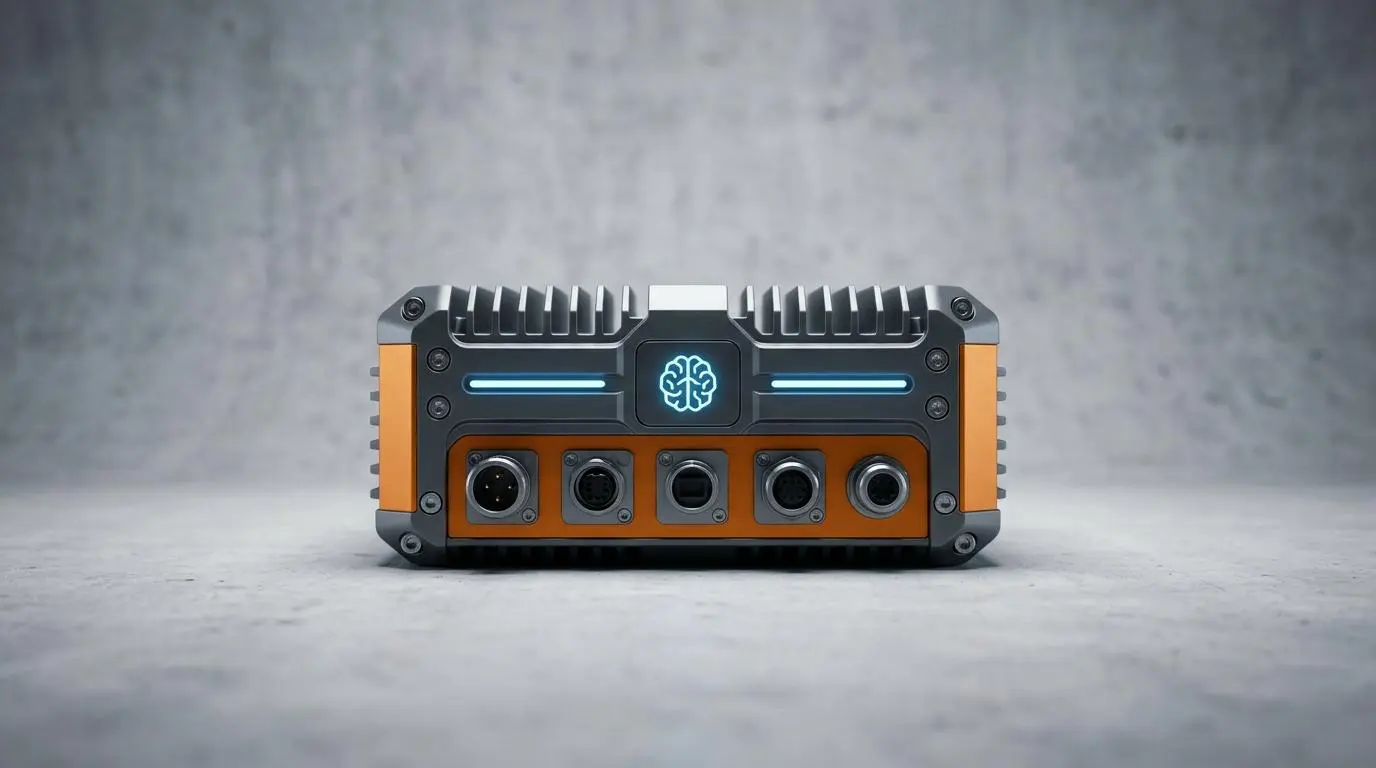
Think of a traditional PID controller like a cruise control system that only looks at the speedometer, completely blind to the fact that the car just drove into a thick swamp. Traditional controllers cannot account for non-linear viscosity shifts. They react too late and correct too aggressively.
This is where edge-deployed AI agents, running on ruggedized hardware like Siemens Industrial Edge or NVIDIA Jetson, change the game entirely. These localized brains sit right next to the pump, analyzing multi-modal vibration and thermal data without waiting for cloud processing. They act as predictive cognitive agents for the machinery.
By predicting fluid thickness changes before they even reach the pump intake, these AI models can smoothly ramp the VFD speed curve up or down. This eliminates the harsh mechanical shocks associated with sudden load changes and ensures a perfectly stabilized flow rate.
Preventing Control Hunting
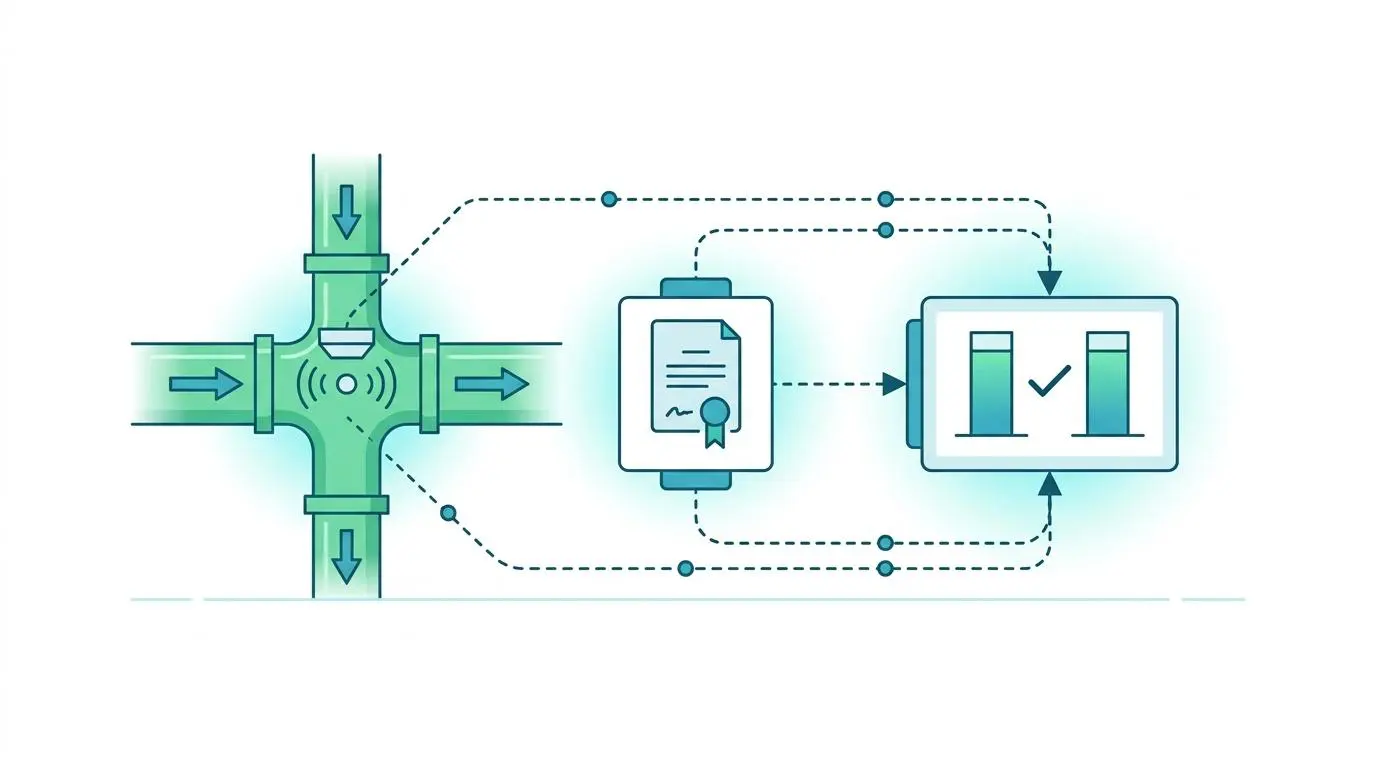
Harsh industrial environments are notorious for destroying sensitive equipment. Sensor fouling and electrical signal noise frequently corrupt the data being fed to the VFD. When this happens, the system experiences control hunting, a dangerous state where the pump wildly oscillates between high and low speeds.
Erroneous sensor data triggers these rapid speed cycles, which act like a hammer against the internal components of the pump. This constant revving and braking causes extreme mechanical stress, leading directly to premature seal failure and costly fluid leaks. The automation meant to save the system ends up destroying it.
To prevent this broken flow, engineers now build intelligent fallback logic into the automation pipeline. Modern systems utilize clamp-on ultrasonic sensors to independently verify flow consistency. If the primary inline viscometer data looks erratic, the system instantly cross-references the ultrasonic data to stabilize the VFD until the noise clears.
Maximizing Asset Lifespans
The high cost of industrial electricity and emergency maintenance labor makes manual pumping operations economically unsustainable. Running a pump at full speed against a thick fluid is the fastest way to burn cash on a factory floor. Every wasted rotation is money pulled directly from the bottom line.
Automated pump speed matching solves this by ensuring the motor only draws the exact amount of current needed for the specific fluid viscosity. This precision reduces energy consumption by up to 50 percent when the system is running at partial load.
Beyond the power bill, this gentle operation dramatically extends the life of the hardware. Enterprise platforms like SAP Asset Manager have correlated dynamic speed modulation with a 15 percent increase in Mean Time Between Failures. Less mechanical stress translates directly to fewer emergency repair shifts.
Sub-Second Data Pipelines
Data latency in an industrial pipeline is like a conductor receiving the sheet music three seconds after the orchestra has already started playing. Latency in data transmission between remote sensors and motor controllers causes delayed speed adjustments. This delay dramatically increases the risk of fluid bypass and pressure spikes.
To eliminate this lag, modern automation workflows rely on high-speed MQTT and Sparkplug B protocols. These lightweight messaging systems are purpose-built for the factory floor, stripping out the bloat of traditional IT networks.
By synchronizing sub-second sensor data across the facility directly to the VFD controller, these pipelines ensure less than 15 milliseconds of latency. The pump adjusts its speed almost instantaneously, reacting to fluid changes in true real-time.
Autonomous Fluid Networks
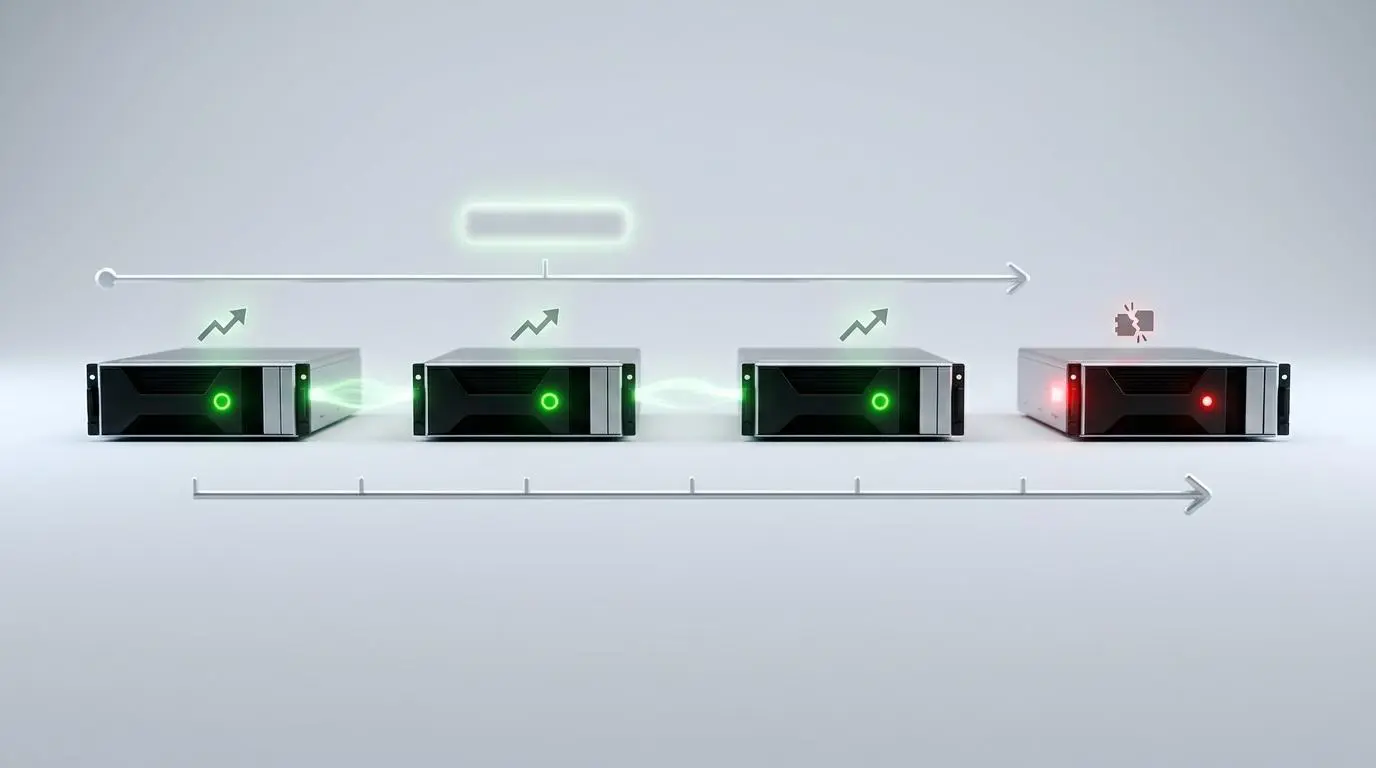
Historically, industrial automation relied heavily on centralized Programmable Logic Controllers to dictate every action on the floor. However, centralized control systems create massive single points of failure. A single network outage or PLC fault can instantly halt entire production lines, costing thousands of dollars per minute.
The architecture is now shifting rapidly toward decentralized edge intelligence. Instead of waiting for a master controller to issue commands, individual pumps and sensors communicate directly with one another in a peer-to-peer mesh network.
This evolution into autonomous fluid swarms allows facilities to coordinate complex flow rates across entire networks seamlessly. If one sector of the plant experiences an issue, the surrounding pumps autonomously adjust their speeds to compensate, keeping the process alive without human intervention.
Software-Defined Fluidics
The next evolution in industrial automation moves beyond physical hardware constraints and into the realm of software-defined fluidics. By analyzing motor back-EMF and torque signatures, next-generation pumps can self-calculate fluid viscosity without relying on external physical sensors at all.
This sensorless approach enables autonomous operation in the most extreme, corrosive environments where traditional probes would dissolve or foul instantly. It represents the ultimate convergence of mechanical engineering and artificial intelligence, creating systems that are entirely self-aware and self-optimizing.
Navigating the intersection of technology, workflows, and operational efficiency requires a sharp strategy. To future-proof your business architecture and scale with precision, connect with Andres at Andres SEO Expert.
Frequently Asked Questions
How much energy can be saved by using VFDs for pump speed modulation?
Implementing Variable Frequency Drives (VFDs) for dynamic speed modulation can reduce total energy consumption by up to 50%. According to industrial data from 2026, reducing pump speed to just 80% capacity is sufficient to cut energy usage in half compared to static, full-load operations.
Why do static pump configurations fail when fluid viscosity changes?
Static pump configurations fail because they cannot adapt to the physics of fluctuating material density. This misalignment causes mechanical cavitation, excessive energy waste, and severe mechanical stress that destroys seals and impellers, leading to unplanned downtime.
How does edge AI improve industrial pump control and fluid management?
Edge AI agents provide sub-5ms control latency by processing vibration and thermal data locally. This allows the system to predict viscosity changes before they reach the pump intake, enabling proactive speed adjustments that eliminate mechanical shocks and maintain stabilized flow rates.
What is control hunting in industrial pumping systems and how is it prevented?
Control hunting is a state where a pump wildly oscillates between speeds due to corrupted or noisy sensor data. It is prevented by building intelligent fallback logic into the automation pipeline, often using secondary sensors like clamp-on ultrasonic devices to verify flow consistency and stabilize the VFD.
How does automated pump speed matching extend the lifespan of industrial assets?
By ensuring a motor only draws the exact current required for a fluid’s specific viscosity, automated speed matching reduces mechanical wear. Industry benchmarks show that this dynamic modulation can increase the Mean Time Between Failures (MTBF) by approximately 15%.
Can industrial pumps measure fluid viscosity without physical sensors?
Yes, through software-defined fluidics, next-generation pumps can self-calculate fluid viscosity by analyzing motor back-EMF and torque signatures. This sensorless approach is ideal for extreme or corrosive environments where traditional physical probes would foul or dissolve instantly.