Key Points
- Dynamic PageRank Routing: Utilize GA4’s Data API and Make.com to shift internal link equity to pages with high conversion velocity.
- Edge-Side DOM Injection: Bypass CMS database locking by executing link injections at the CDN edge for sub-200ms latency.
- Automated Indexing Pipelines: Force immediate search engine re-crawls of newly linked nodes via programmatic webhook triggers.
Table of Contents
The Static Link Tax
The invisible cost of manual SEO execution is the massive revenue lost while legacy content hoards your domain’s PageRank. You spend months building authority for informational guides and top-of-funnel assets. Yet, when a new commercial landing page shows a sudden conversion spike, it remains orphaned deep within the site architecture.
This phenomenon is known as the static linking bottleneck. Hardcoded internal linking structures create severe link equity stagnation across your domain. They actively prevent real-time ranking adjustments for pages exhibiting high key event rates.
To survive modern search algorithms, enterprise sites must adopt automated internal link equity orchestration. This architectural shift ensures that authority flows dynamically to the nodes driving revenue exactly when they need it most.
Algorithmic Shifts and Crawl Metrics
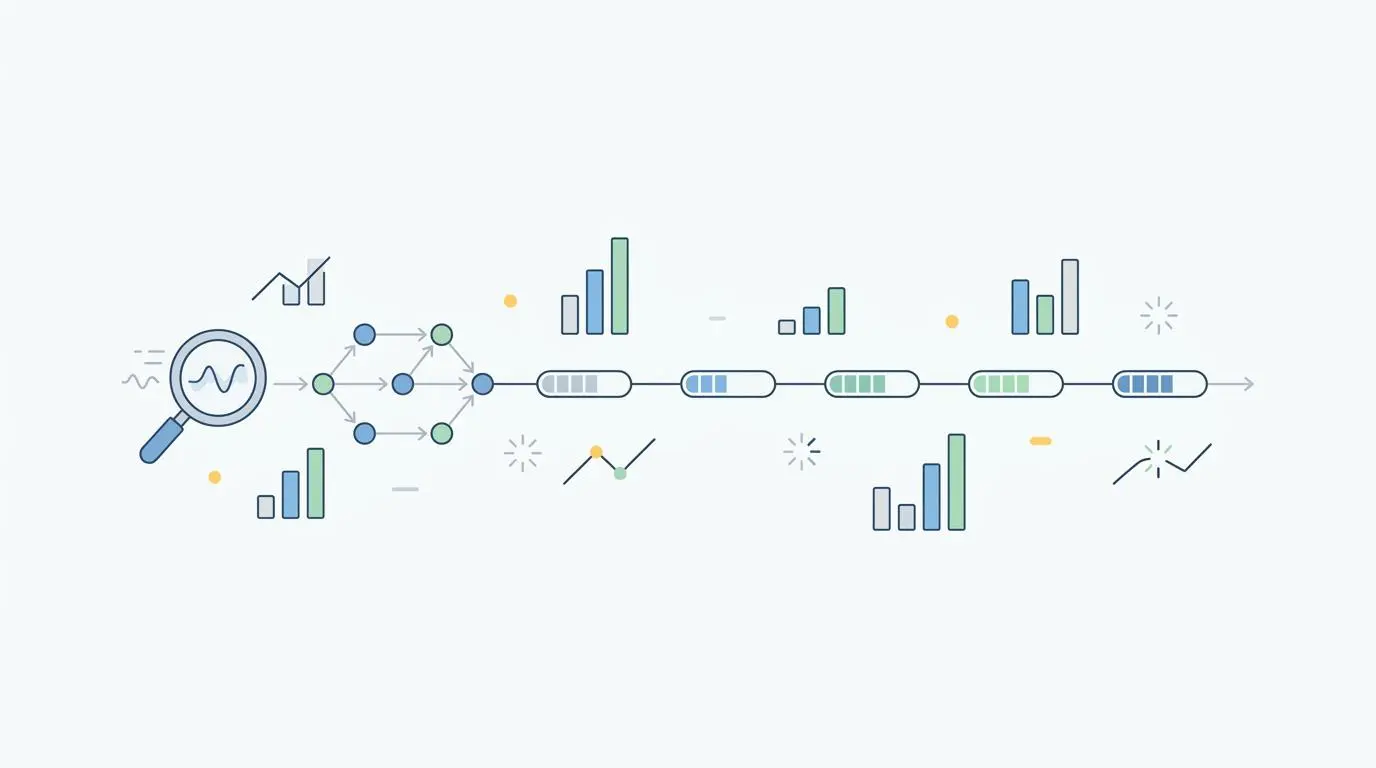
Google’s recent conversion-first algorithmic shift fundamentally changes how authority is evaluated across a domain. The search engine now utilizes user engagement signals from the GA4 Measurement Protocol to dynamically adjust internal link weights. This essentially devalues links originating from pages with high bounce rates, regardless of their traditional PageRank.
When sites align their internal architecture with these engagement signals, bot crawl behavior changes drastically. Industry research shows that sites using automated internal link routing based on conversion signals experience a massive increase in crawl frequency for high-intent URLs. Search engine bots clearly prioritize crawl paths that users find inherently valuable.
Furthermore, recent reports indicate that brands cited in AI Overviews receive significantly more organic clicks per impression. This visibility is directly facilitated by dense, conversion-focused internal linking structures. Achieving this massive click-through rate lift requires technical agility at the server level.
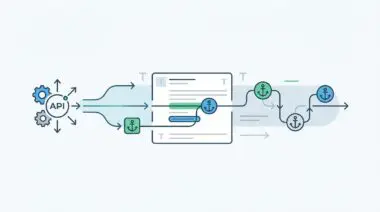
Scaling this agility means moving away from manual CMS edits entirely. Instead, architects are relying on the real-time injection of <a> tags into the DOM to sculpt authority instantly.
However, injection alone is not enough to secure top rankings. You must force the search engines to recognize the architectural change immediately. This is why a robust automation system pings the IndexNow API via a webhook the exact moment the link graph updates.
Architecting Dynamic PageRank Sculpting
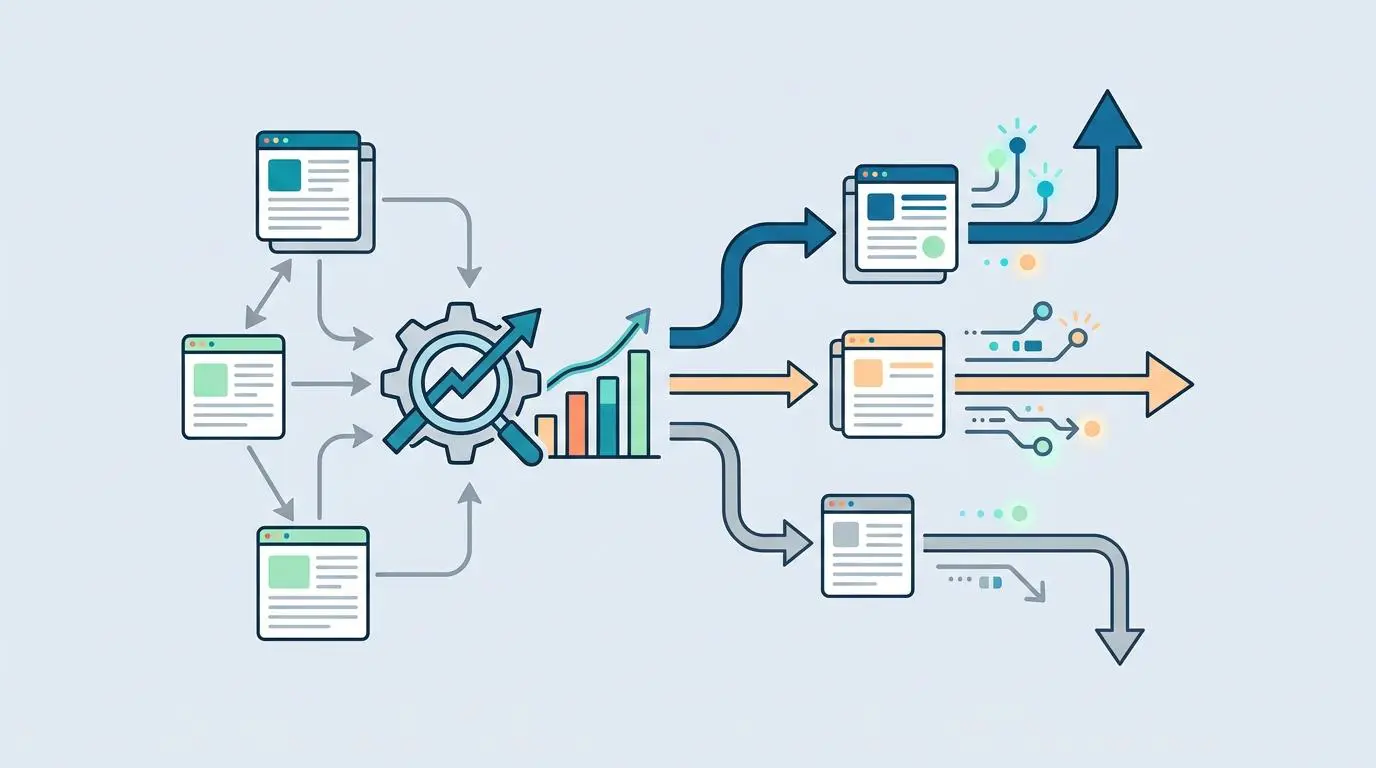
The manual auditing of internal link maps on a massive enterprise site takes weeks of human effort. By the time changes are pushed live, seasonal conversion trends have already shifted. This renders your carefully planned link sculpting obsolete before Google even crawls the updated URLs.
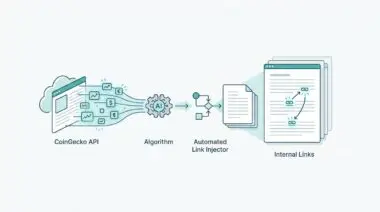
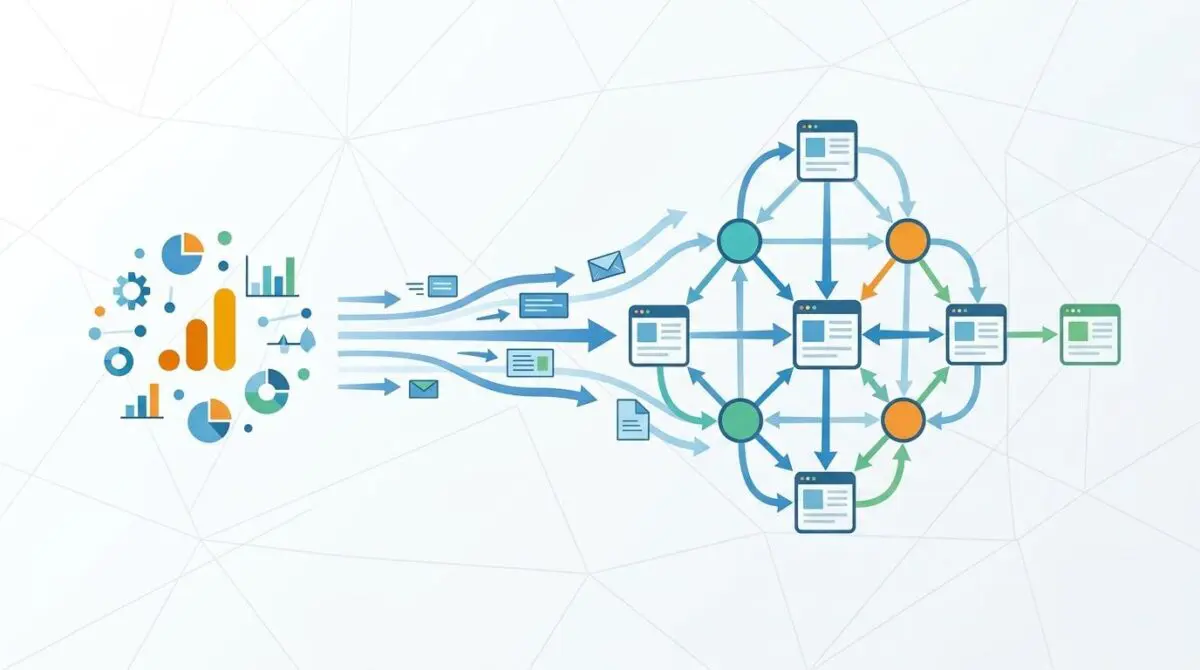
We solve this latency by integrating the GA4 Data API directly with Make.com. The automation queries the session key iteration rate for all landing pages on a rolling 24-hour basis. Make.com then ingests this data and calculates a proprietary relevance-conversion index.
Once the system identifies a surging commercial node, Make.com calls an SEO platform API to analyze metrics. The workflow identifies the highest PageRank pages on your domain that remain contextually relevant. It then pairs the high-authority source with the high-converting target to prepare the link payload for deployment.
Edge SEO and Server-Side Injection
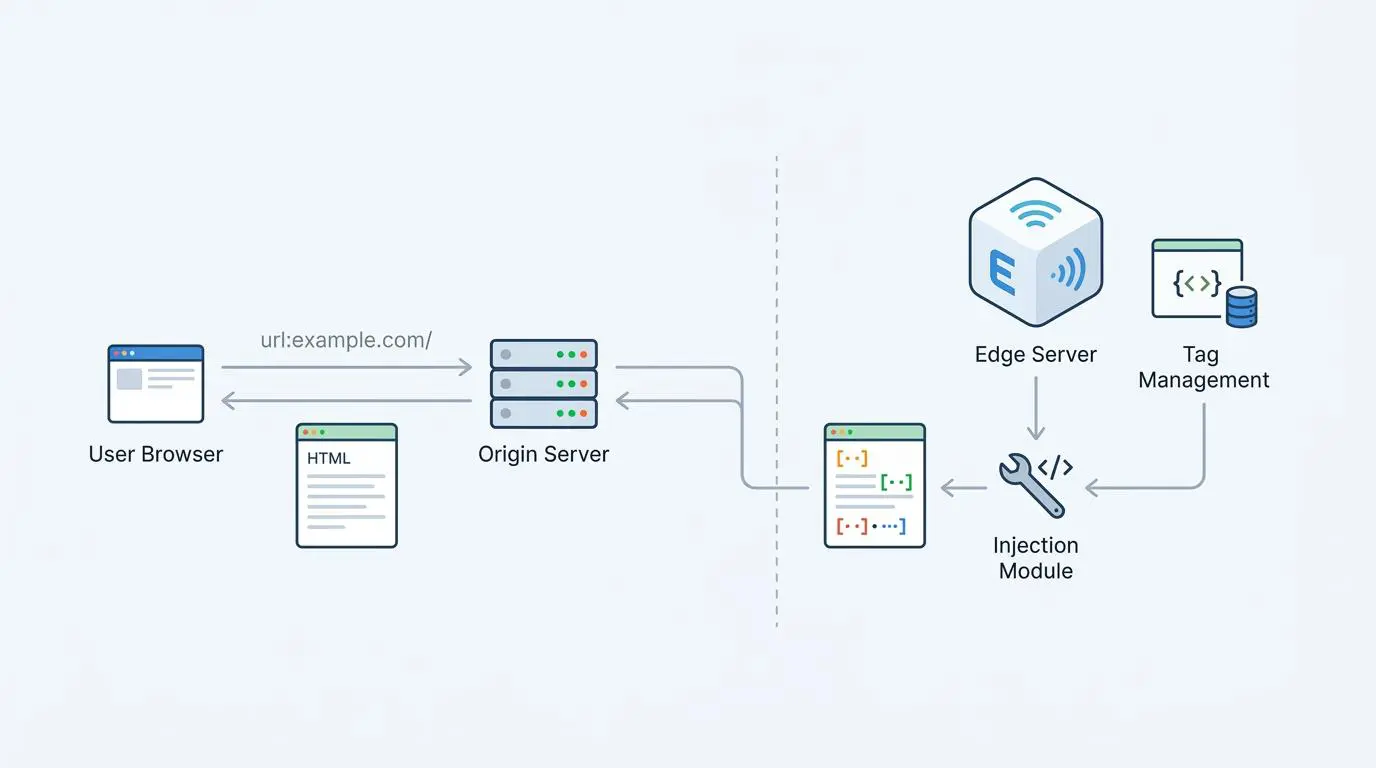
Traditional CMS platforms often struggle under the heavy weight of programmatic link updates. They frequently suffer from database locking issues or slow backend overhead when updating internal links at scale. This latency degrades the user experience and severely slows down server response times.
Edge SEO bypasses the origin server entirely to maintain a lightning-fast time to first byte. Implementation via edge computing allows for immediate DOM manipulation without ever touching the CMS database.
Make.com acts as the central controller in this modern serverless architecture. It sends a JSON payload containing the new source-target link pairs directly to an edge key-value store. The edge worker reads this store upon a user request and modifies the HTML on the fly, injecting the optimized internal links before the page reaches the browser.
Programmatic Architecture and Event Sync
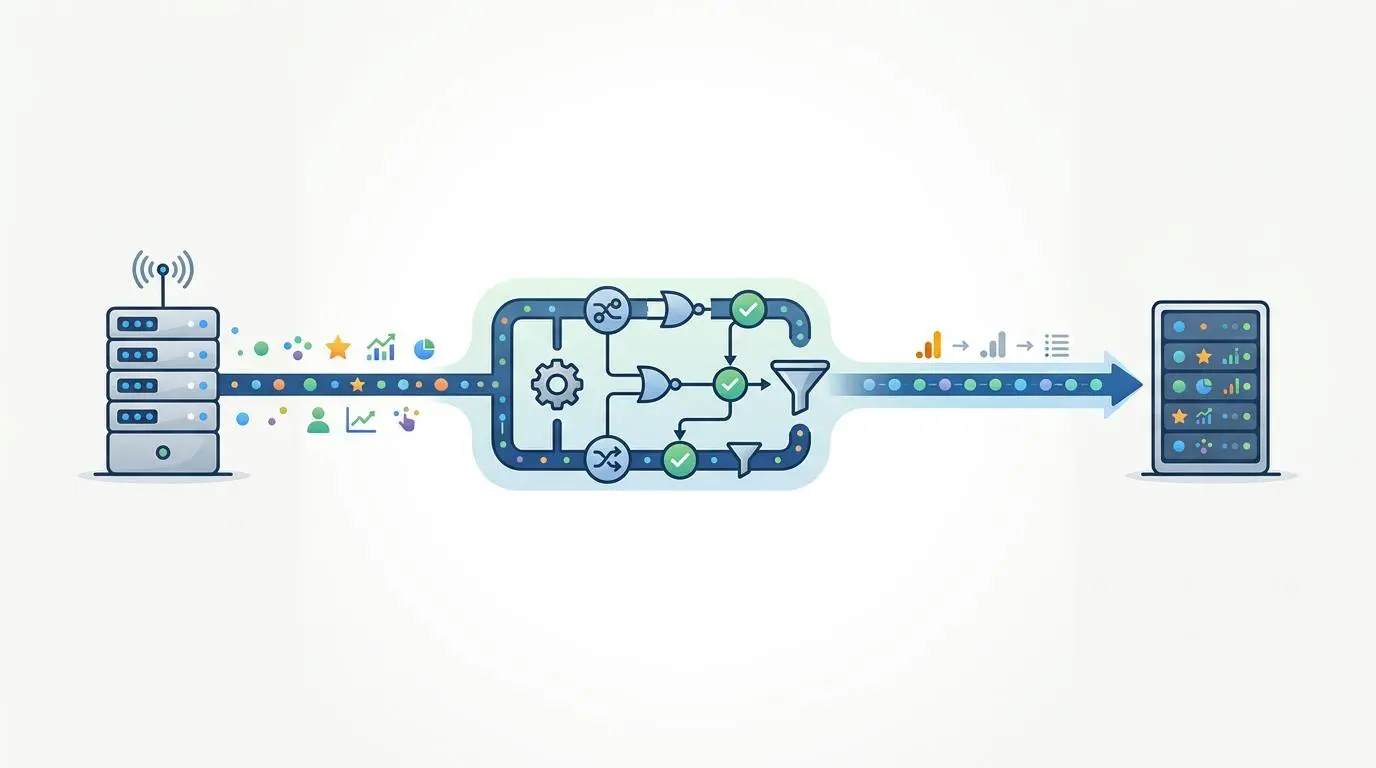
Browser-based tracking loss is a massive hurdle for automated link equity systems today. With significant data loss caused by privacy-first browser standards, relying on client-side cookies is incredibly dangerous. It often results in inaccurate conversion data, leading to the misdirection of link equity toward false positive high-performers.
To combat this, architects are integrating advanced GA4 APIs to enable resilient server-to-server event synchronization. By routing conversion data directly from your backend to GA4, the PageRank routing logic is fueled by pristine first-party data.
This server-side pipeline completely bypasses ad-blockers and strict privacy-centric browser limitations. It ensures your automated internal linking calculations remain mathematically sound and are based on true revenue metrics.
Accelerating Indexing Pipelines
Without automated indexing pings, search engines may take weeks to re-crawl deep-linked URLs. This creates a frustrating latency gap between your technical execution and the actual ranking results. It ultimately results in a delayed revenue lift despite the technical link optimization being live on the edge.
To close this gap, the automation architecture requires a final and critical module. Make.com is configured to trigger an indexing payload the exact moment the edge worker updates the link graph.
This ensures that search engines prioritize the re-crawling of the receiver pages immediately. By forcing the bots to recognize the new equity boost, you compress the SEO return on investment timeline from weeks to mere hours.
Predictive Equity Shifting
In the near future, PageRank routing will evolve far beyond reactive conversion metrics. We are rapidly entering the era of predictive equity shifting. AI agents will analyze real-time search demand trends to accurately anticipate user intent.
These autonomous systems will proactively route link juice to specific pages well before a predicted conversion surge even occurs. The domain architecture will become a living, breathing entity that adapts to market forces before they peak.
Navigating the intersection of technical SEO, programmatic architecture, and workflow automation requires a sharp strategy. To future-proof your site’s architecture and scale with precision, connect with Andres at Andres SEO Expert.
Frequently Asked Questions
What is the “Static Link Tax” in modern SEO?
The “Static Link Tax” is the invisible revenue loss caused by manual, hardcoded internal linking structures. It occurs when high-authority legacy pages hoard PageRank instead of dynamically passing that equity to newer, high-converting commercial pages that need it to rank effectively.
How does Google’s 2026 Conversion-First shift affect internal linking?
The 2026 algorithmic shift uses GA4 engagement signals to weight internal links. Links originating from pages with high bounce rates are devalued, while pages aligned with high conversion signals see a significant increase in crawl frequency—up to 42% for high-intent URLs according to industry research.
What role does Edge SEO play in link equity orchestration?
Edge SEO uses serverless technologies like Cloudflare Workers to inject internal links directly into the DOM at the edge. This bypasses CMS database constraints and server-side latency, allowing for real-time link updates and a sub-200ms Time to First Byte (TTFB).
Why is server-side event synchronization critical for automated SEO?
With the rise of privacy-centric browser standards, client-side tracking often loses 30% or more of conversion data. Server-side synchronization via the GA4 Data Manager API ensures that automated internal linking logic is fueled by accurate, first-party data that bypasses ad-blockers.
How does the IndexNow API accelerate SEO return on investment?
The IndexNow API allows a site to instantly ping search engines when the internal link graph changes. This forces bots to prioritize re-crawling optimized pages immediately, compressing the typical 14-30 day indexing delay down to just a few hours.
What is Predictive Equity Shifting in search architecture?
Predictive Equity Shifting is an AI-driven strategy where systems analyze search demand via APIs like Google Trends to anticipate intent surges. This allows the domain architecture to proactively route link juice to relevant pages 48 hours before a conversion peak occurs.