



Key Points
- Variable Gating: Mitigate the massive crawl-to-referral gap by deploying dynamic edge routing to protect server infrastructure from unprofitable AI scraping.
- Answer Capsules: Stabilize AI Overview citation volatility by structuring content into machine-parsable 250-word definition blocks and dense data tables.
- Sentiment Delta: Programmatically monitor LLM hallucination probabilities to execute real-time correction pings against synthetic competitor comparisons.
Table of Contents
The Collapse of the Blue Link Economy
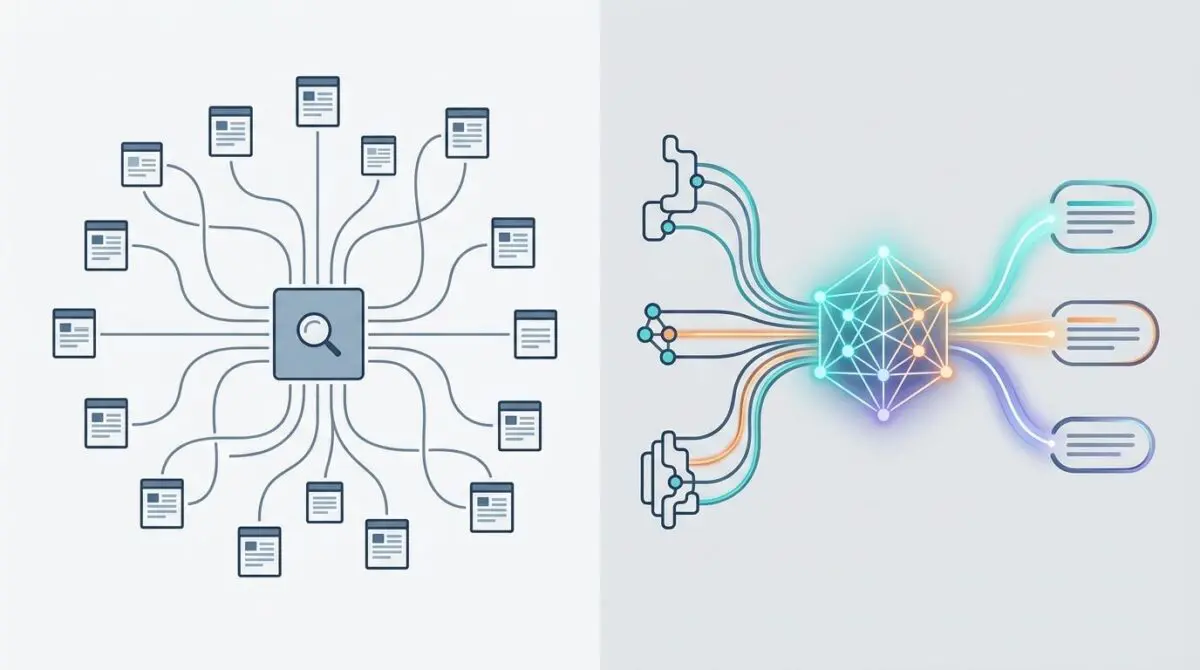
The traditional organic click is dying a highly documented, mathematical death. Search engines are no longer waypoints facilitating digital journeys. They have mutated into final destination portals.
This architectural shift exposes a critical vulnerability in legacy SEO frameworks. These outdated systems rely entirely on lexical matching.
Brands are currently pouring millions into defending blue-link rankings. Meanwhile, AI crawlers systematically strip-mine their data without returning user traffic. The asymmetric referral gap is widening every single day.
ClaudeBot and OAI-SearchBot consume data at unprecedented scales. They ingest up to 11,000 pages per referral. Simultaneously, traditional click-through rates for informational queries have collapsed by 61%.
To survive this paradigm shift, engineering teams must pivot their infrastructure. The new standard is Generative Engine Visibility Optimization (GEVO). GEVO is not about ranking URLs in a linear list.
Instead, it focuses on structuring semantic entities. These entities must become the inescapable foundational truth within high-dimensional vector spaces.
By architecting your content for machine-parsable fact density, you ensure your brand survives. This marks the transition from search engine to answer engine. You are no longer optimizing for human readability first.
Instead, you are optimizing for LLM ingestion and embedding models. Semantic entity resolution is now the primary objective.
Quantifying the Asymmetric Referral Gap
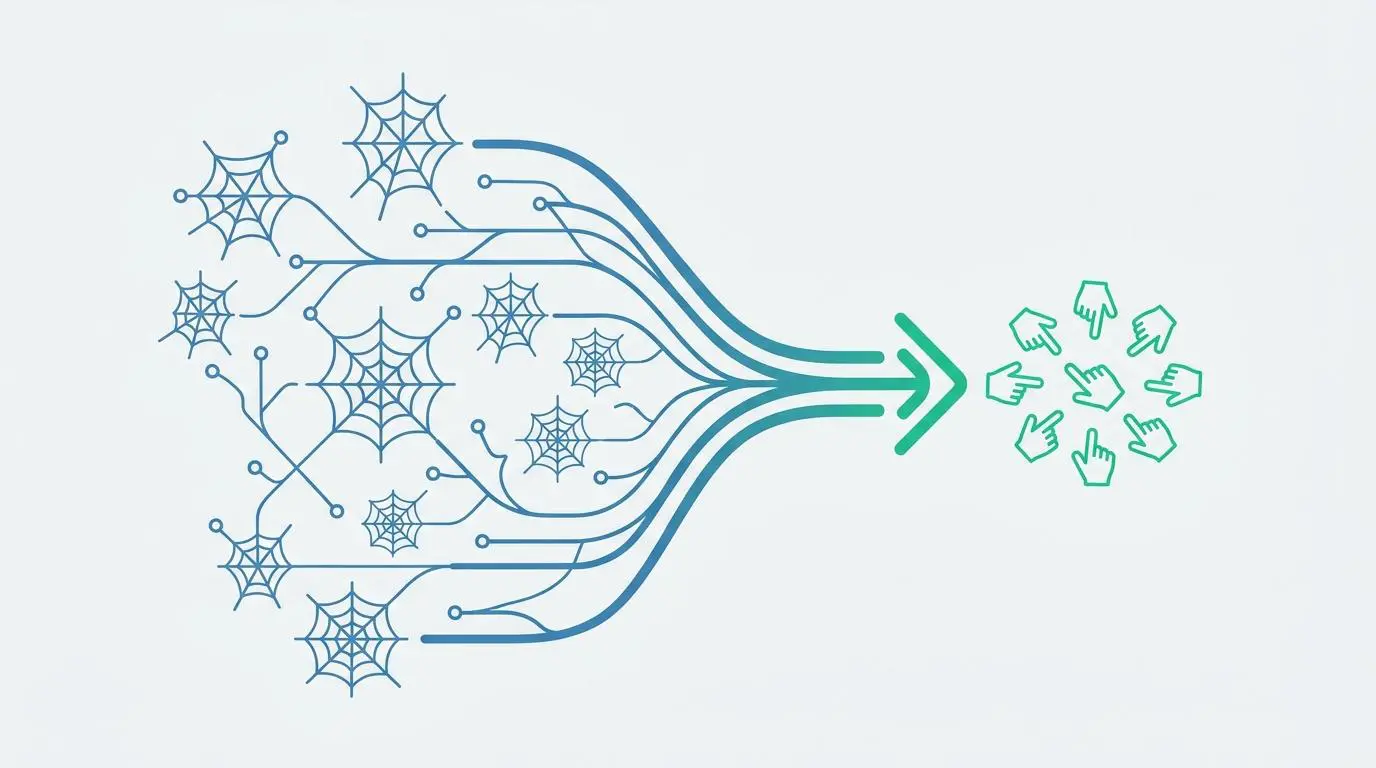
The mathematics behind AI search traffic reveal a brutal reality. Server infrastructure and crawl budgets are under immense pressure. AI-agent traffic now accounts for a massive 45% of server logs across enterprise domains.
Yet, this aggressive data consumption rarely translates into measurable human eyeballs. Top-of-funnel acquisition remains largely unaffected by this bot activity.
We are currently observing an astronomical 11,122:1 ClaudeBot crawl-to-referral ratio in the wild. Cloudflare Radar data on AI bots, training, and referrals indicates a staggering trend. Anthropic’s crawler consumes over eleven thousand pages just to yield a single inbound human visit.
This is the exact definition of an asymmetric referral gap. It turns commercial websites into unpaid training grounds for trillion-dollar models.
However, the fractional traffic that does leak through the Retrieval-Augmented Generation (RAG) pipeline is incredibly potent. Visitors arriving via conversational retrieval exhibit a 23.0x AI referral conversion multiplier. This is a massive leap compared to legacy organic traffic.
This occurs because the LLM acts as a high-friction intent filter. It delivers only hyper-qualified users who have already synthesized their research phase.
The visibility of these citations is expanding rapidly. Furthermore, BrightEdge data reveals AI Overviews now trigger on nearly half of all tracked queries. Newer models even show triggers approaching 99.9% for purely informational intents.
This level of saturation fundamentally alters the unit economics of content creation. Brands must adapt quickly to maintain visibility.
This brings strategic architects to the 40% Inflection Point. AI-cannibalized organic clicks are projected to hit 40% of total volume by Q3 2027. At this stage, brands must entirely abandon legacy SEO defense strategies.
The only viable path forward is capturing high-intent AI citations. This requires rigorous, API-driven GEVO implementation.
Architectural Deep Dives into AI Search
Transitioning to a GEVO framework requires dismantling legacy SEO practices. You must rebuild your tech stack around semantic APIs. The following methodologies dictate how modern technical architects must interface with AI search engines.
Engineering for the Answer Capsule
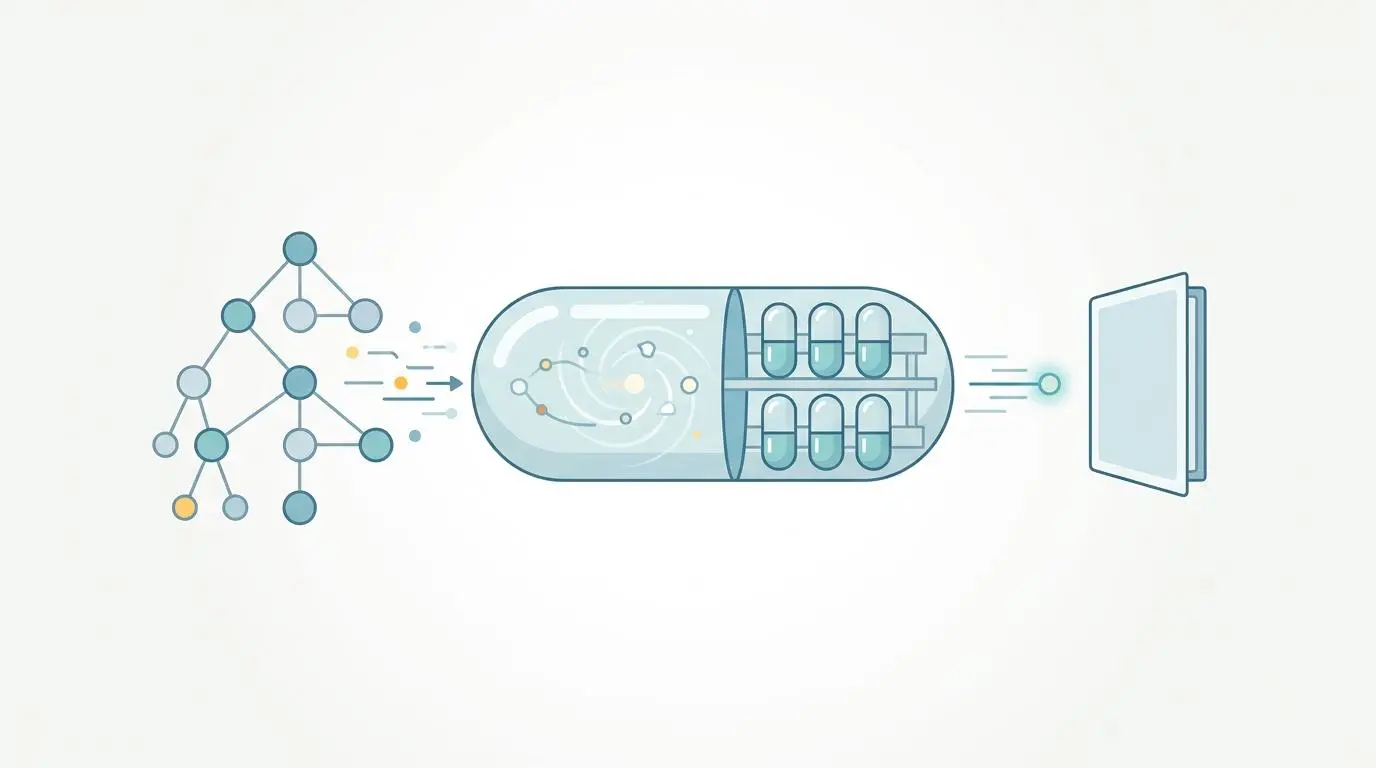
Google AI Overviews now dominate the absolute top of the SERP for informational queries. They act as an impenetrable ceiling for traditional blue links. Optimizing for this surface requires continuous testing against the Gemini 1.5 Flash and Pro APIs.
This testing helps reverse-engineer Google’s internal logic. The retrieval logic heavily favors structured data tables and highly concise, 250-word definition blocks.
The primary friction point in this ecosystem is extreme citation volatility. According to recent indexing studies, AI Overview citations for the exact same query shift 70% of the time. This is based on temporal freshness and recent entity-linking updates.
The LLM is constantly recalculating vector distances. Its goal is to serve the most contextually relevant node at any given moment.
To stabilize your presence in the answer capsule, your architecture must continuously feed fresh, structured data into the index. Think of it as maintaining a persistent heartbeat of relevance. The embedding model simply cannot ignore this consistent data flow.
If your factual density decays, the LLM will instantly swap your citation. It will replace you with a fresher, more structurally sound competitor.
Injecting Authority into the RAG Pipeline
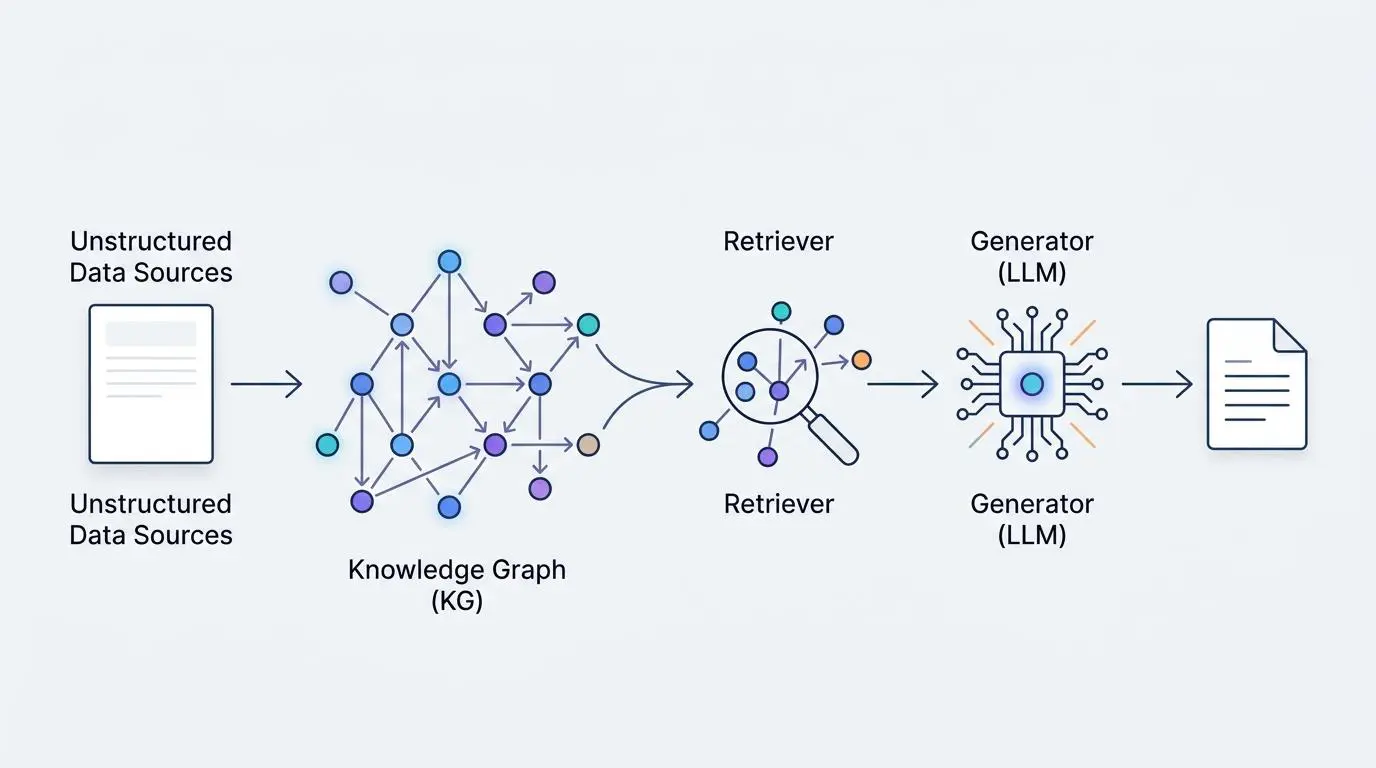
Over half of all AI citations now originate from community platforms like Reddit, Quora, and Wikipedia. They no longer come primarily from brand domains. Modern automation pipelines must pivot toward entity-injection into these high-weight surfaces.
This requires sophisticated API-driven mention monitoring. You must identify exact insertion vectors where your brand can be semantically linked.
Websites lacking reference-grade content face total brand isolation in the new search ecosystem. If your data is not structured specifically for RAG ingestion, you are systematically excluded from AI responses.
Traditional Domain Authority metrics are entirely irrelevant to an LLM. These models are only seeking pristine, machine-readable nodes of factual information.
To bridge this gap, engineering teams must build robust knowledge graphs. These graphs must mirror the ontology of their target LLMs. This alignment is crucial for visibility.
You must map your proprietary data to established semantic entities on community platforms. This forces the RAG pipeline to retrieve your brand as the definitive source of truth.
Calibrating the Sentiment Delta
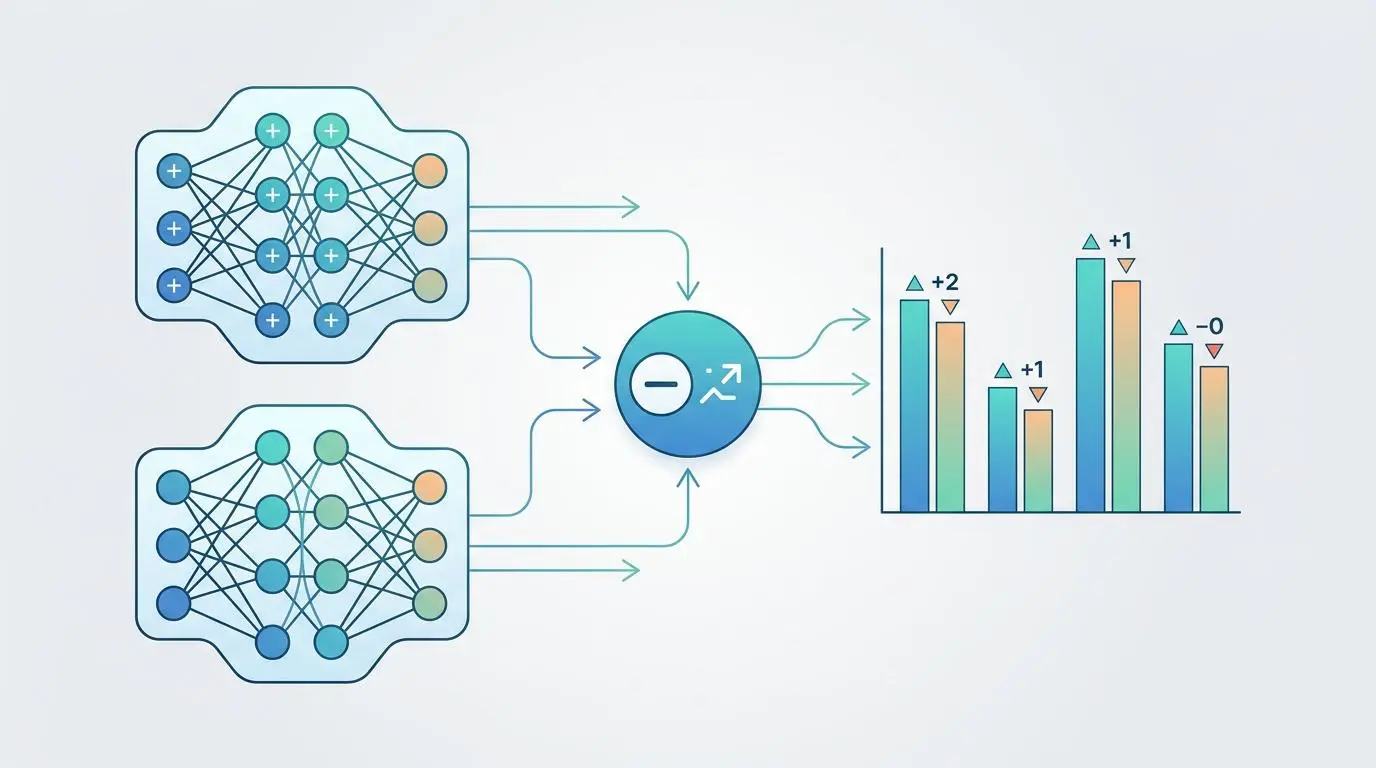
Enterprise tools like Semrush One and Surfer AI now monitor hundreds of millions of global LLM prompts in real-time. Technical GEO demands tracking the sentiment delta across these interactions.
This metric represents a critical mathematical variance. It measures the difference between your factual brand data and the synthesized hallucination probability in an LLM’s output.
Brands suffer massive reputational damage from hallucinated comparisons. These errors often pit them against competitors using outdated or entirely synthetic data.
LLMs generate responses probabilistically, blending historical facts with predictive text. This creates a false consensus reality that users often accept as absolute truth.
Mitigating this risk requires establishing real-time correction pings to LLM feedback APIs. You must programmatically correct the model’s weights to maintain accuracy.
Feed highly structured, contradictory facts directly into the crawler’s path. This must be done before the hallucination permanently infects the vector database.
Variable Gating for Agentic Traffic
Dynamic routing at the edge is now mandatory for handling aggressive scrapers. Bots like Google-Extended, GPTBot, and ClaudeBot require strict management. Technical architects are deploying variable gating via Cloudflare Workers and reverse proxies.
This strategy protects vital server resources. It ensures high-value, proprietary data is only indexed by engines providing a verifiable referral return on investment.
Without variable gating, enterprise domains face catastrophic crawl budget exhaustion. AI-agent traffic often consumes bandwidth without yielding human clicks.
When this happens, your infrastructure becomes a subsidized utility for AI developers. You end up paying the server costs to train the very models cannibalizing your traffic.
Selectively routing bot traffic is essential. By analyzing user-agent behavior and historical referral metrics, you force LLMs to value your critical data endpoints.
You can serve lightweight, heavily structured JSON-LD payloads to bots. Meanwhile, you reserve rich media and interactive DOM elements strictly for human visitors.
The Dawn of Agentic Execution
By late 2027, the digital landscape will transition entirely. We will move from generative search to agentic execution. Platforms like SearchGPT and Perplexity Computer will natively complete transactional tasks.
These agents will handle bookings, purchases, and data migrations on behalf of the user. The traditional web browser will become an invisible middleware layer.
In this future, websites will cease to be destination portals designed for human navigation. Instead, they will evolve into headless API endpoints serving autonomous agents.
Your architecture must seamlessly handshake with an AI agent to execute transactions. If it cannot, your business will simply cease to exist in the digital economy.
Navigating the intersection of Generative Engine Optimization and AI Search architecture requires a sharp strategy. Workflow automation is also a critical component of this transition.
To future-proof your brand’s visibility in LLMs and scale with precision, expert guidance is essential. Connect with Andres at Andres SEO Expert to secure your digital future.
Frequently Asked Questions
What is Generative Engine Visibility Optimization (GEVO)?
GEVO is an architectural framework that prioritizes structuring semantic entities for LLM ingestion and vector space positioning. Unlike legacy SEO, it focuses on machine-parsable fact density to ensure a brand becomes a foundational truth within high-dimensional AI models.
How does the asymmetric referral gap impact digital marketing?
The asymmetric referral gap represents the imbalance where AI crawlers ingest thousands of pages for every single inbound referral. This turns websites into unpaid training grounds, necessitating a shift in strategy to capture high-intent citations rather than just volume.
Why are traditional blue-link rankings losing value?
Search engines have mutated into destination portals where AI Overviews satisfy user intent directly on the SERP. This has led to a collapse in informational click-through rates, making traditional ranking positions less relevant than being the source for RAG-based citations.
What is the benefit of injecting brand authority into RAG pipelines?
By mapping proprietary data to semantic entities on high-weight community platforms, brands ensure they are cited as definitive sources by LLMs. This prevents brand isolation and ensures presence in AI-generated responses that utilize Retrieval-Augmented Generation.
How does variable gating protect enterprise server infrastructure?
Variable gating uses dynamic routing to serve lightweight, structured data to AI bots while reserving high-bandwidth media for human visitors. This mitigates crawl budget exhaustion caused by aggressive scrapers like ClaudeBot and GPTBot.
What is agentic execution in the context of future search?
Agentic execution is a shift where AI agents complete transactional tasks like bookings and purchases on behalf of users. In this ecosystem, websites evolve into headless API endpoints designed to handshake with autonomous agents rather than humans.