Key Points
- Billionaire collectors are experiencing a vibrational void, actively pivoting away from pure EVs to seek the mechanical theater of hybrid and ICE vehicles.
- Legacy brands face massive brand dilution risks, forcing hypercar manufacturers to pivot strategies to protect multi-million dollar resale values.
- The future of luxury hypercars lies in diversified powertrains and experiential assets, such as direct corporate access bundled with vehicle purchases.
Table of Contents
- The Silent Void of the Billionaire Garage
- Quantifying the Electric Exotic Market
- Digital Horology and the Trophy Asset Dilemma
- The Psychology Behind Silent Power
- High-Voltage Rivalries and Brand Warfare
- The Financial Reality of the Tactical Retreat
- The Vibrational Heritage Horizon
- The Future of Automotive Exclusivity
The Silent Void of the Billionaire Garage
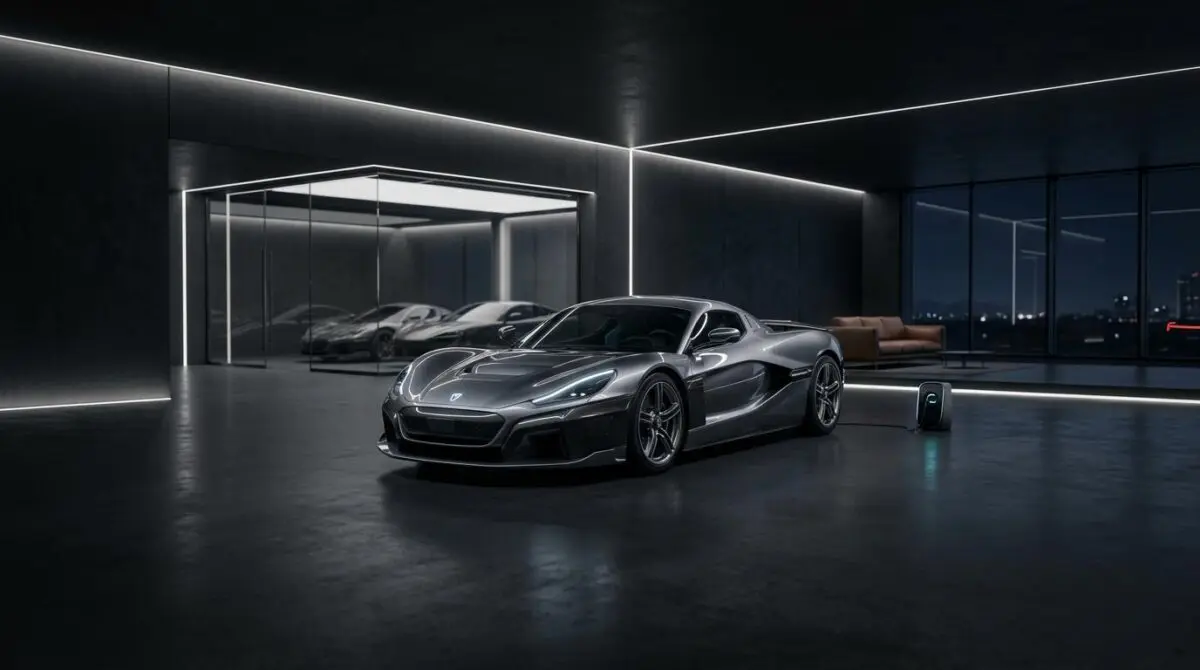
Picture this: you have just wired over two million dollars for a masterpiece of modern engineering. Yet, the moment you press the accelerator, you are met with nothing but the faint whir of a vacuum cleaner.
This is the stark reality facing today’s ultra-wealthy collectors. They bought into the electric revolution, only to realize the visceral roar of a combustion engine has been replaced by a deafening silence. At the center of this cultural shift are UHNW Electric Hypercars, a class of vehicles that promised to redefine the absolute pinnacle of automotive achievement.
However, what was supposed to be the ultimate flex of sustainable dominance has instead triggered a massive identity crisis. The world’s most demanding buyers are feeling entirely disconnected from their silent machines, sparking a dramatic pivot back to analog emotion.
Quantifying the Electric Exotic Market
Market Intelligence & Data
Luxury EV Market Cap
The global luxury electric vehicle market is projected to reach this value in 2026, according to a March 2026 report by Global Market Insights.
Ferrari Luce Entry Price
According to Bloomberg data from May 2026, this is the starting price for Ferrari’s controversial first-ever fully electric model.
0-60 MPH Benchmark
The Rimac Nevera R set this new acceleration record for production electric hypercars in early 2026, as verified by ElectroIQ.
UHNWI Wealth Growth
The 2026 Capgemini World Wealth Report indicates that global ultra-high-net-worth wealth grew to $98.3 trillion by the end of 2025, providing the liquidity for high-end automotive trophy hunting.
The staggering valuation of the luxury electric vehicle sector highlights a massive influx of institutional capital. Automakers poured billions into research and development, assuming the world’s wealthiest buyers would blindly transition to silent powertrains. This immense market cap reflects the initial optimism that high-end consumers would prioritize environmental optics over traditional mechanical theater.
Ferrari’s foray into this space with their controversial new model marks a watershed moment for legacy automotive brands. Pricing an unproven, silent vehicle at such a premium is a massive gamble for a company built entirely on the emotional resonance of a screaming engine. It forces collectors to decide if the famous prancing horse badge is worth the cost of admission without its signature soundtrack.
The engineering benchmarks achieved by these modern battery-powered land missiles are nothing short of breathtaking. However, despite breaking every conceivable acceleration record, the novelty of sheer straight-line speed is wearing off rapidly among the elite. In fact, industry insiders note that buyers are now ‘repulsed’ by forced electrification, proving that stopwatches cannot replace a vehicle’s soul.
The liquidity required to sustain this volatile hypercar market is fueled by an unprecedented concentration of global riches. With massive capital reserves at their disposal, the top fraction of a percent have the luxury of treating multi-million dollar vehicles as disposable experiments. Recent data shows that global ultra-high-net-worth wealth grew to $98.3 trillion, providing the ultimate financial safety net for these high-stakes automotive gambles.
Digital Horology and the Trophy Asset Dilemma
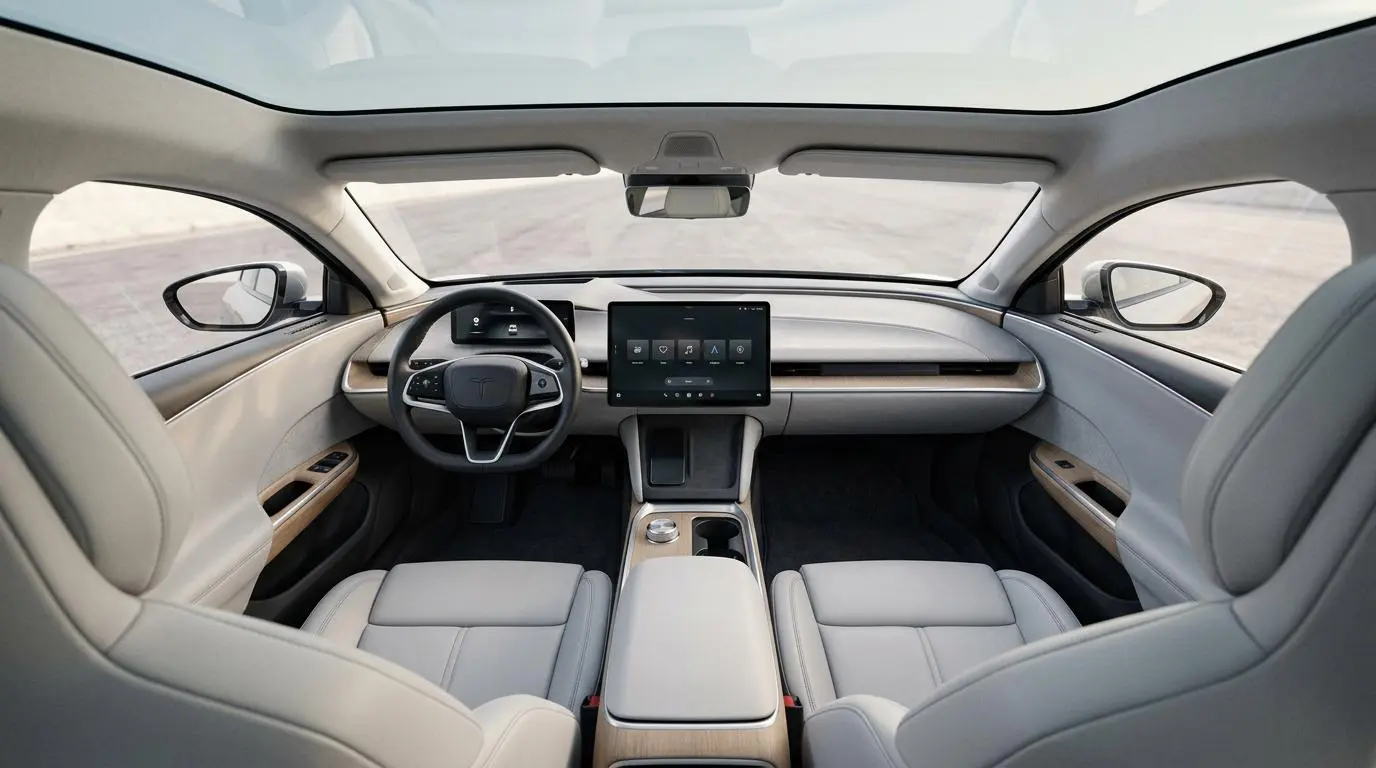
The 2026 market is currently dominated by apex predators like the Rimac Nevera R and the Ferrari Luce. Manufacturers are desperately pivoting their marketing strategies, framing these vehicles as digital horology rather than traditional cars.
They are leaning heavily into bespoke aesthetics, featuring ultra-minimalist interiors designed by tech legends to justify the astronomical price tags. This strategy initially worked, as evidenced by the high-horsepower Founder’s Edition models selling out in a single week.
Yet, a severe real-world friction has emerged within the climate-controlled garages of the elite. Collectors are increasingly treating these silent speedsters as high-tech appliances rather than generational heirloom assets. There is a growing paranoia regarding battery obsolescence and digital decay, causing the world’s wealthiest buyers to second-guess their electric automotive portfolios.
The Psychology Behind Silent Power
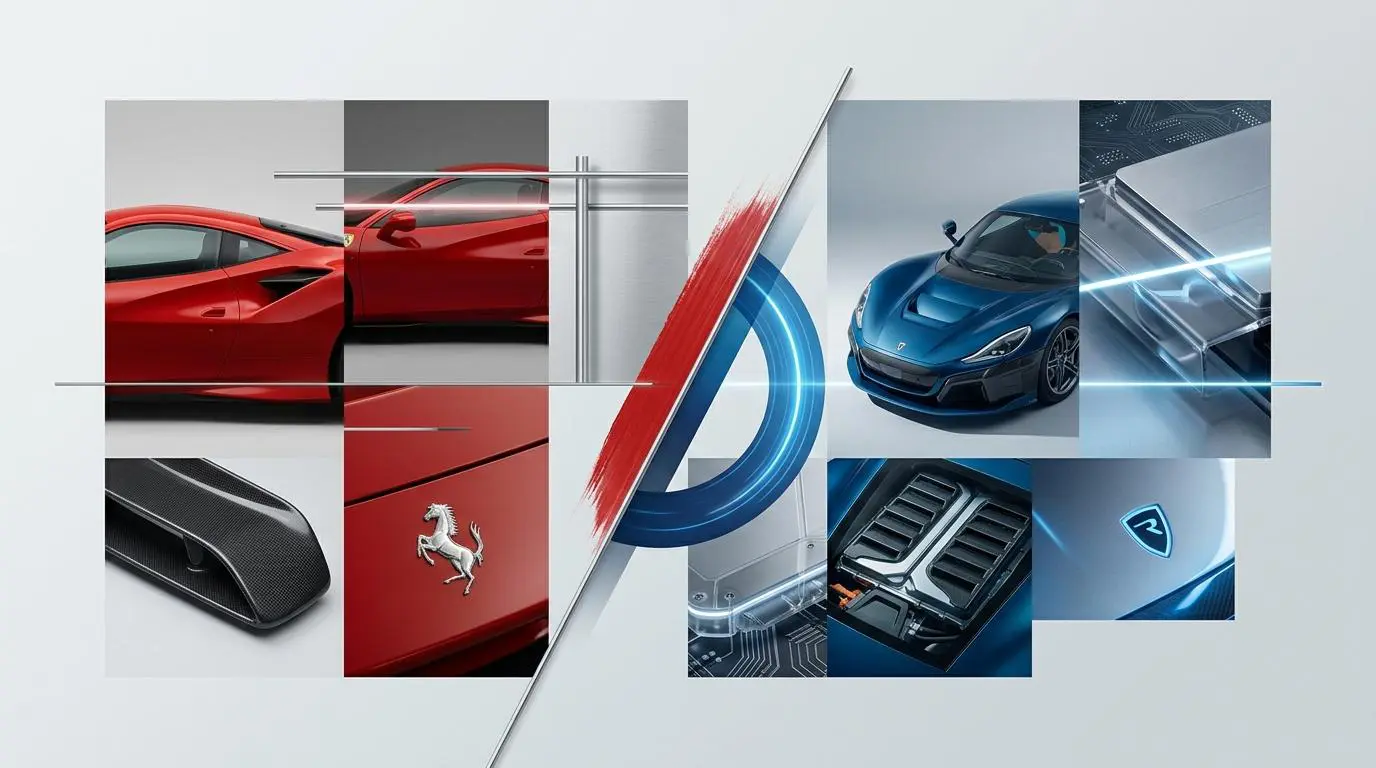
The initial appeal of the electric hypercar was rooted in a psychological shift from loud wealth to silent power. Early adopters loved the concept of guilt-free speed, using their battery-powered supercars as rolling virtues that signaled forward-thinking sophistication.
However, by 2026, this sentiment has completely soured across the ultra-luxury landscape. The loss of visceral, auditory feedback has created a massive emotional disconnect for buyers who equate engine roar with status and dominance.
Without the mechanical vibrations and the deafening exhaust notes, the driving experience feels entirely sterile. Billionaires are realizing that mass-market commuter EVs can offer a similar silent ride. This instantly kills the exclusivity factor and drives them back toward analog imperfections.
High-Voltage Rivalries and Brand Warfare

The transition to electric powertrains has ignited vicious rivalries and public feuds among automotive royalty. The launch of the Ferrari Luce became an internet spectacle when critics brutally compared its aesthetic to a mass-market commuter car with an attitude problem.
This public humiliation highlights a terrifying reality for legacy brands attempting to navigate the electric era. They face an existential risk of brand dilution when their multi-million dollar designs become indistinguishable from high-end consumer electronics.
Furthermore, Ferrari’s controversial entry into the electric space is widely viewed as a direct challenge to Rimac’s technological hegemony. The race is no longer just about top speed. It is now about defending brand prestige in an increasingly homogenized and ruthless market.
The Financial Reality of the Tactical Retreat
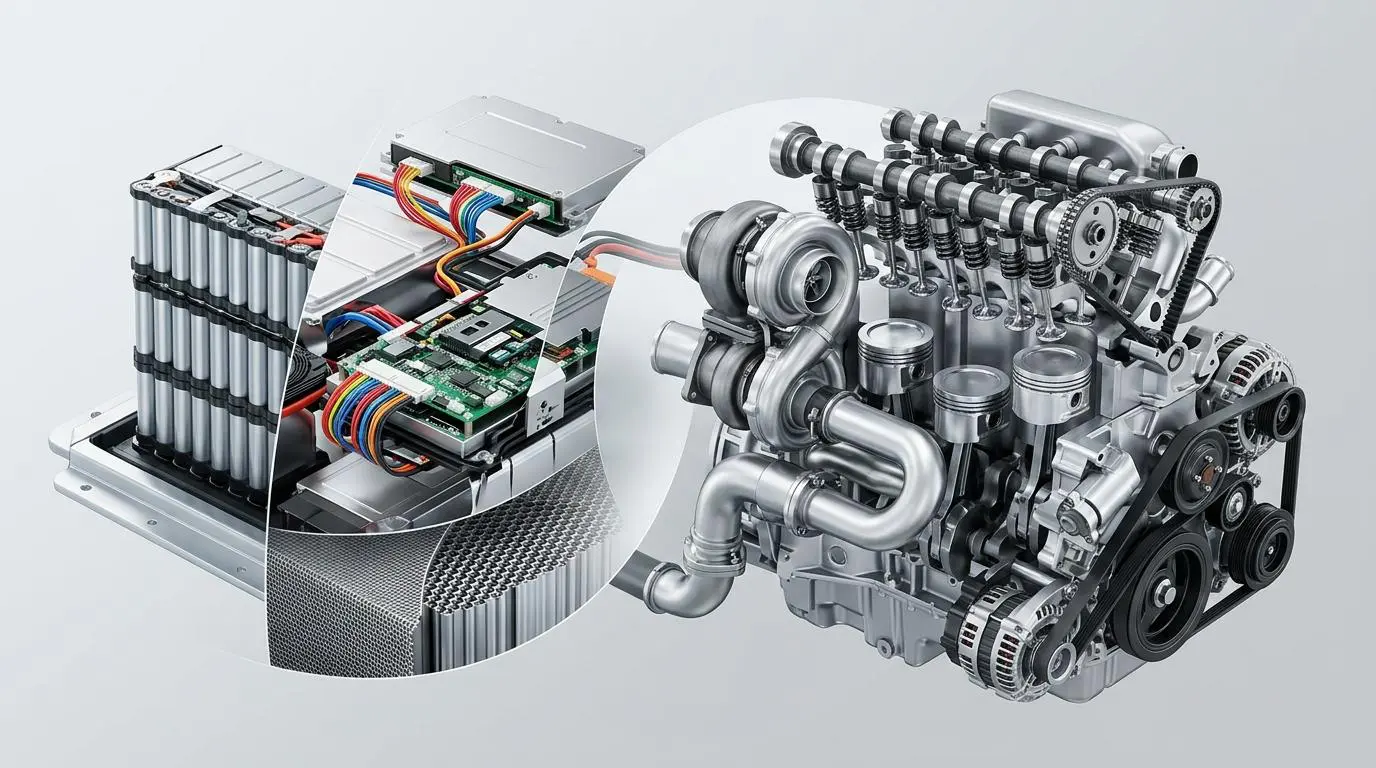
Behind the glossy marketing campaigns, the luxury electric vehicle sector is executing a massive tactical retreat. The financial impact of this vibrational void is staggering, with industry titans reporting catastrophic collapses in operating margins for their flagship electric models.
The reality check became undeniable following massive delivery crashes for high-end electric coupes between 2025 and 2026. This precipitous drop signaled that the ultra-wealthy are actively fleeing pure electric supercars. They are moving their capital into assets that offer both modern performance and mechanical soul.
To combat this severe electric fatigue, companies like Rimac are radically altering their business models to sell access as a product. Buyers of exclusive editions do not just receive a vehicle. They are granted direct, ongoing access to internal strategy meetings, desperately adding value where mechanical theater is absent.
The Vibrational Heritage Horizon
The dream of a fully electric exotic car market is officially dead. The industry is aggressively moving toward a diversified powertrain future, recognizing that forced electrification alienates their most lucrative clientele.
Historic brands are taking drastic measures to protect their heritage. Some are reportedly killing pure electric supercar projects entirely due to absolute zero demand. The market has spoken, and billionaires refuse to spend their fortunes on silent, soulless machines.
The next evolution of the hypercar is the Vibrational Heritage era, designed specifically to cure the vibrational void. Upcoming models will utilize advanced haptic chassis technology and authentic sound generators to simulate the brutal violence of internal combustion.
The Future of Automotive Exclusivity
The spectacular rise and sudden pivot of the electric hypercar serves as a fascinating case study in consumer psychology. It proves that even the most advanced technology on earth cannot replace the raw, emotional theater that humans inherently crave.
As manufacturers scramble to reintroduce mechanical violence into their silent machines, the definition of automotive luxury is being rewritten in real-time. The hypercars of tomorrow will be fascinating chimeras, blending bleeding-edge battery tech with simulated analog heritage in a desperate attempt to capture lightning in a bottle.
Understanding the strategies, risks, and mindsets behind extreme wealth can inspire your own business journey. To scale your own empire with precision and smart SEO & GEO architecture, connect with Andres at Andres SEO Expert.
Frequently Asked Questions
Why are billionaires moving away from electric hypercars?
Ultra-high-net-worth individuals are experiencing a profound emotional disconnect with electric hypercars due to the lack of visceral feedback and engine noise, leading to a pivot back to analog vehicles that offer traditional mechanical theater.
What is the starting price for the electric Ferrari Luce?
According to Bloomberg data from May 2026, the Ferrari Luce has a starting price of approximately $640,000, marking a significant gamble for the brand as it enters the silent powertrain market.
Which electric hypercar holds the 0-60 MPH acceleration record in 2026?
The Rimac Nevera R set a new benchmark for production electric hypercars in early 2026 with a verified 0-60 MPH acceleration time of 1.66 seconds.
What are the primary concerns for collectors buying electric trophy assets?
Collectors are increasingly concerned with digital decay and battery obsolescence, leading many to view electric hypercars as high-tech appliances rather than generational heirloom assets with long-term viability.
How is the automotive industry addressing electric fatigue among wealthy buyers?
Manufacturers are introducing a “Vibrational Heritage” era, utilizing advanced haptic chassis technology and authentic sound generators to simulate the mechanical violence and auditory experience of internal combustion engines.
What is the projected market cap for luxury electric vehicles in 2026?
The global luxury electric vehicle market is projected to reach a valuation of $214.7 billion by 2026, driven by massive institutional capital and initial optimism in the sector.