Key Points
- Headless CMS webhooks mapped to Bannerbear Template UIDs eliminate the manual design bottleneck, cutting asset production costs to $0.02.
- Automated focal-point detection and dynamic data overlays prevent algorithmic devaluation from Google’s 2026 Visual Fingerprinting update.
- Synchronizing programmatic schema payloads with Pinterest v5.28 Rich Pins prevents metadata loops and eliminates visual discovery lag.
Table of Contents
The Horizontal Asset Wall Bottleneck
The invisible cost of manual SEO execution is bleeding enterprise publishers dry through missed visual search impressions. Every time an editorial team hits publish, they typically generate landscape-oriented assets perfectly sized for a blog layout. However, this creates a massive structural incompatibility with vertical-first visual discovery engines.
This structural friction is known as the Horizontal Asset Wall. It creates a manual design bottleneck that prevents programmatic SEO architectures from scaling into highly lucrative visual search channels. The vertical aspect ratios demanded by these platforms require entirely different visual hierarchies and text placements than standard editorial headers.
To shatter this barrier, engineering teams must implement Programmatic Visual Discovery Optimization. By treating image generation as a server-side rendering task rather than a graphic design request, publishers can autonomously deploy thousands of platform-optimized assets. This architectural shift transforms visual search from an afterthought into a highly scalable traffic engine.
The Economics of Automated Visual Production

Shifting from manual design to API-driven asset generation radically alters the financial architecture of SEO campaigns. When engineering teams build automated media pipelines, the unit economics of visual content creation drop to unprecedented levels. This financial leverage allows technical SEOs to execute visual strategies that were previously impossible at scale.
As search algorithms become increasingly sophisticated, maintaining index visibility requires massive asset volume and unique visual data. Surviving major algorithmic shifts now demands an agile content infrastructure that can pivot visual aesthetics without incurring massive design debts. The data surrounding this programmatic shift reveals a stark competitive advantage.
- $0.02 Cost Per Programmatic Asset: In 2026, the average production cost for a commercial-grade visual asset has dropped by 94% since 2022, rendering manual workflows economically obsolete for high-volume SEO.
- 70% Production Time Efficiency: Automated media generation pipelines utilizing API-first platforms have demonstrated a massive reduction in end-to-end content production cycles for enterprise teams.
With production costs effectively neutralized, the bottleneck shifts entirely to distribution and indexing. To orchestrate the delivery of these newly generated assets, enterprise publishers are now directly utilizing the Pinterest API v5 Standard Access to push vertical content immediately upon creation.
Headless Webhooks and Autonomous Design
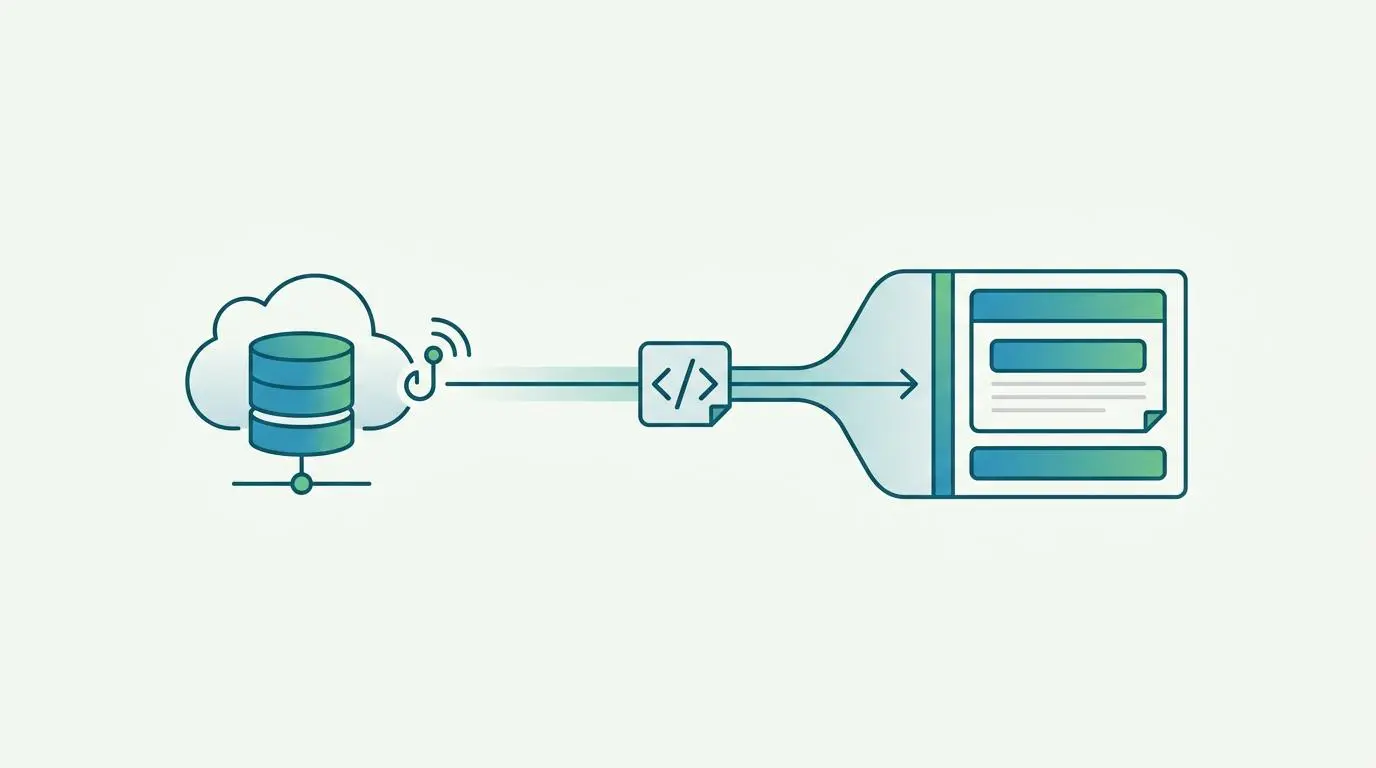
Large-scale publishers often leave millions of visual search impressions on the table due to fragmented publishing workflows. Their current tech stack cannot bridge the gap between an article’s publish event and the creation of platform-specific design variants. This disconnect traps valuable editorial content inside horizontal layouts.
The solution lies in integrating image generation APIs with headless CMS webhooks from modern publishing platforms. When a new article goes live, the CMS fires a JSON payload directly to the rendering engine. This payload contains dynamic variables like article titles, author names, and featured image URLs.
These JSON fields are then mapped directly to vertical design layers using specific template identifiers. The API instantly renders a perfectly formatted vertical asset, overlaying dynamic typography onto the background image. This creates a zero-touch, autonomous asset generation loop that runs silently in the background.
Bypassing the Visual Fingerprint Penalty
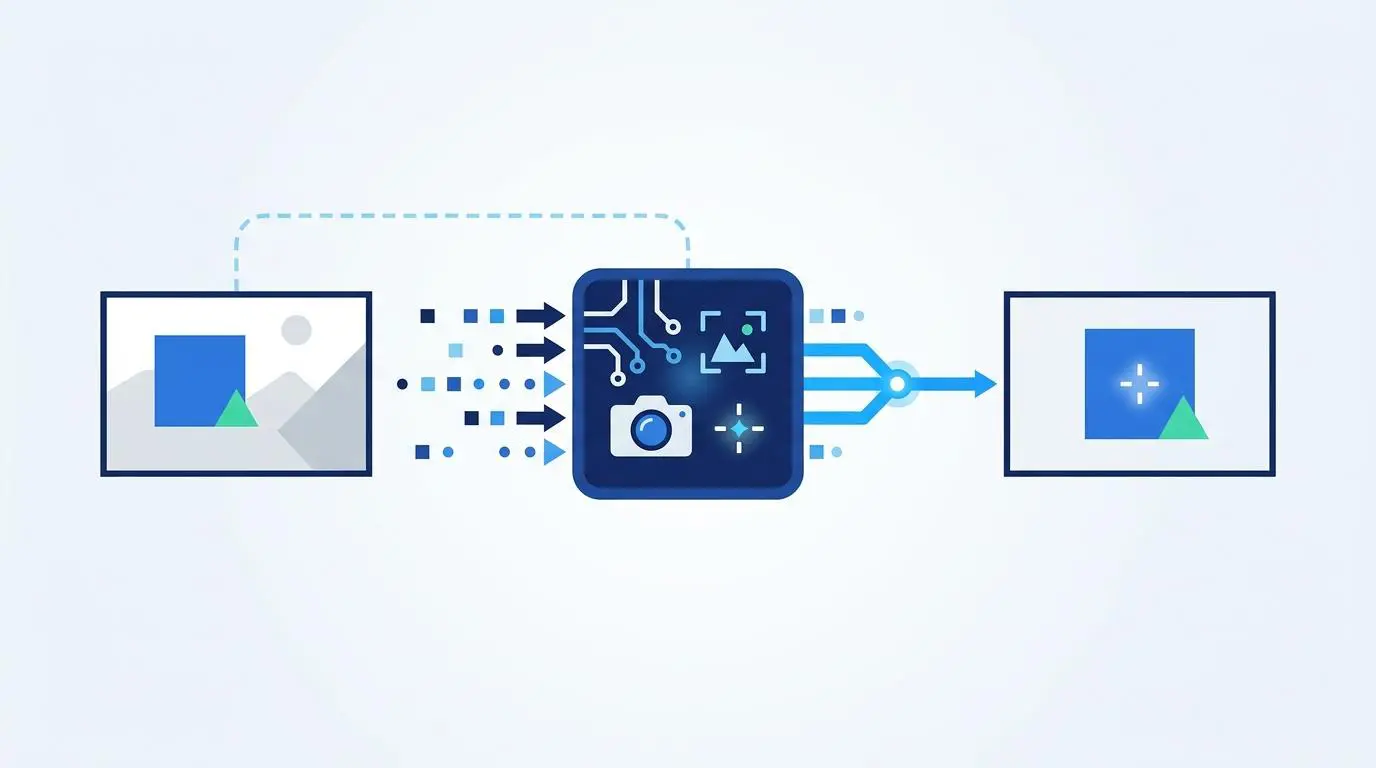
Recent algorithmic updates have introduced strict visual fingerprinting to search engine ranking systems. This systematically devalues programmatic directories that rely on repetitive or minimally modified stock imagery rather than unique, API-generated visual data.
To survive this algorithmic shift, basic asset resizing is no longer sufficient. Programmatic architectures must deploy smart crop functionality via advanced focal-point detection algorithms. This ensures the most visually interesting part of a source image is perfectly centered in the new vertical layout.
Furthermore, pipelines must generate statistically unique, data-rich infographics for every landing page. By injecting real-time data points into the image layers, the resulting asset possesses a completely unique visual fingerprint. This bypasses algorithmic penalties and signals high-quality, original media to search engine crawlers.
Synchronizing Rich Pins via Metadata Payloads

Broken metadata loops in visual discovery platforms lead to severe algorithmic devaluations. When a visual asset’s implied content does not match the actual page metadata during a scrape, the platform flags the asset for low quality. This results in high bounce rates and suppressed organic reach.
To eliminate this friction, technical SEOs must automate the injection of article and product schema directly into the visual asset pipeline. By utilizing dynamic metadata payloads, the generated image carries the exact structured data required by the destination platform. This ensures absolute parity between the visual hook and the underlying HTML.
This automated schema injection is specifically optimized for modern rich pin architectures. It enables real-time synchronization of price, availability, and authorship data directly within the visual discovery feed. When the user clicks the asset, the landing page perfectly fulfills the visual promise, resulting in massive engagement signals.
Orchestrating the Visual Indexing Pipeline
New visual content frequently suffers from severe discovery lag across search engines. Vertical images are generated programmatically but remain unindexed for weeks because traditional XML sitemaps do not prioritize media-only discovery pings. This delay severely impacts the return on investment for programmatic asset generation.
To solve this, engineering teams must orchestrate parallel asset discovery pipelines. The primary route utilizes direct API integrations to push the vertical asset straight into the visual discovery engine. This guarantees immediate availability within the ecosystem without waiting for passive bot crawls.
Simultaneously, the CMS must fire instant indexing pings containing the new image URLs directly to search engines. This aggressive pinging strategy triggers immediate crawling of the new vertical assets. By controlling the exact moment of discovery, SEOs can force rapid indexation of programmatic media at scale.
The Dawn of Multimodal Aesthetic Adaptation
The programmatic visual landscape is rapidly evolving toward multimodal aesthetic adaptation. Image generation APIs will soon analyze real-time search intent to dynamically adjust design variables on the fly. Color palettes, typography choices, and visual hook placements will mutate autonomously to maximize programmatic click-through rates.
This means a single blog post might spawn dozens of vertical assets, each uniquely tailored to micro-shifts in consumer sentiment. The architecture will learn which visual configurations perform best for specific queries and continuously refine the template structures. The horizontal asset wall will not just be shattered; it will be replaced by a fluid, reactive visual ecosystem.
Navigating the intersection of technical SEO, programmatic architecture, and workflow automation requires a sharp strategy. To future-proof your site’s architecture and scale with precision, connect with Andres at Andres SEO Expert.
Frequently Asked Questions
What is the Horizontal Asset Wall in digital publishing?
The Horizontal Asset Wall refers to a structural bottleneck where editorial teams generate landscape-oriented assets for blogs, creating a massive incompatibility with vertical-first discovery engines like Pinterest. This manual design friction prevents programmatic SEO architectures from scaling into lucrative visual search channels.
How does Programmatic Visual Discovery Optimization improve SEO?
By transforming image generation into an automated server-side rendering task via APIs and headless CMS webhooks, publishers can deploy thousands of platform-optimized vertical assets. This shift reduces production costs by over 90% and ensures content is ready for immediate distribution across visual search engines.
What is the Visual Fingerprinting penalty in Google’s 2026 Core Update?
Google’s Visual Fingerprinting systematically devalues programmatic directories that rely on repetitive or minimally modified stock imagery. To bypass this, SEOs must use focal-point detection and inject real-time data into images to ensure every asset possesses a unique, high-quality visual signature.
How do headless webhooks automate visual content creation?
When an article is published, a headless CMS fires a JSON payload to an image generation API. This payload maps dynamic variables—such as titles and author names—to vertical templates via Template UIDs, creating a zero-touch, autonomous design loop that runs silently in the background.
Why is metadata synchronization critical for Pinterest Rich Pins?
Broken metadata loops cause Pinterest to flag assets for low quality. Automating the injection of Article and Product Schema into the visual asset pipeline ensures absolute parity between the visual hook and underlying HTML, which is essential for maintaining ranking and organic reach on Pinterest v5.
How can publishers force immediate indexation of new vertical images?
Publishers should orchestrate parallel pipelines: use the Pinterest API for direct ecosystem availability while simultaneously firing IndexNow pings containing the new image URLs to search engines. This dual strategy bypasses passive crawl lags and ensures rapid discovery in Google Image Search.