




Key Points
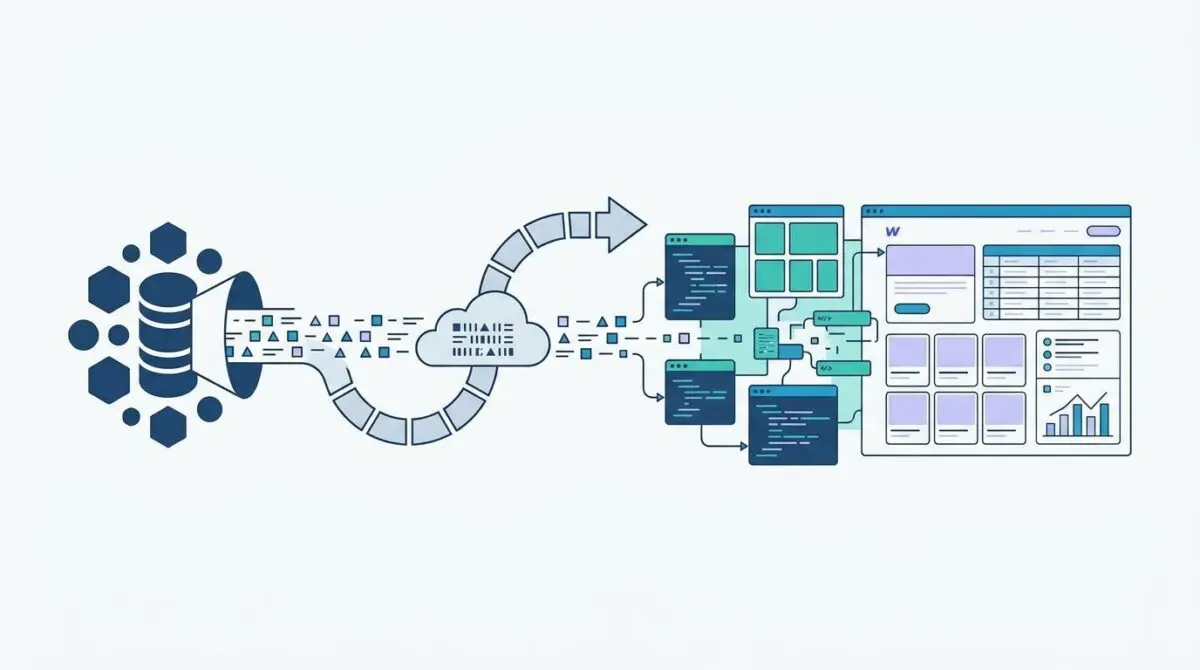
- Middleware Orchestration: Utilizing Node.js to map OpenFEMA v2 API endpoints into Webflow’s Next-gen CMS, leveraging multi-collection reference architectures to handle massive datasets.
- Schema Fallback Logic: Deploying conditional rules for JSON-LD to prevent Search Console validation errors during ongoing disaster events with null end-dates.
- Asynchronous RAG Validation: Integrating the IndexNow API for sub-12-second SERP indexing while utilizing LLM-powered queues to eliminate AI hallucinations in published hazard data.
Table of Contents
The Accuracy-Latency Paradox
The invisible tax of managing high-stakes local search data is paid entirely in lost user trust and decimated crawl budgets. When natural disasters strike, search demand for local hazard mitigation and risk data spikes in minutes rather than days. Yet, most SEO teams rely on sluggish manual updates or clunky nightly cron jobs that push outdated CMS payloads to Google.
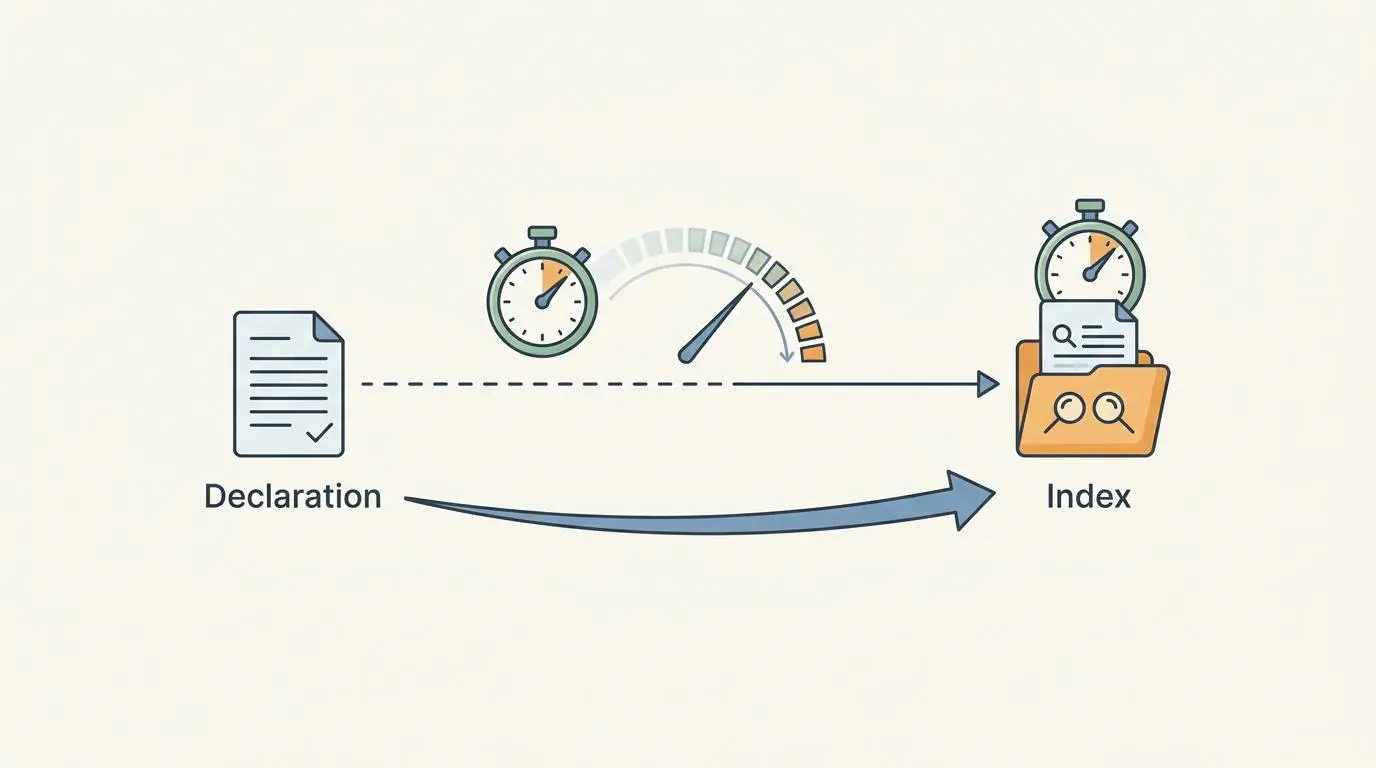
This lag creates the Accuracy-Latency Paradox, where critical disaster risk data loses its SEO authority. The core issue stems from an API-to-CMS synchronization delay that causes a fatal mismatch between real-time FEMA declarations and indexed search results. Users searching for immediate local guidance are met with stale data, signaling to search engines that the domain is an unreliable entity.
To survive this high-velocity search environment, we must transition to a dynamic geo-spatial programmatic architecture. This framework bridges the gap between raw federal databases and live SERPs without human intervention. By treating the CMS as a real-time routing layer rather than a static repository, technical SEOs can eliminate the accuracy-latency paradox entirely.
Benchmarking the FEMA-to-SERP Pipeline
Scaling a nationwide disaster-tracking directory requires an infrastructure capable of handling massive datasets without buckling under rendering loads. Following the recent rollout of Webflow’s next-generation infrastructure, enterprise-tier sites can now support up to one million CMS items per collection. This massive scalability makes mapping granular county-level risk indexes entirely viable natively within the platform.
Storing the data is only half the battle, as the true test is how quickly that information reaches search engines. Recent benchmarks confirm that combining Webflow webhooks with the IndexNow API reduces the time from a FEMA API update to SERP visibility to under 12 seconds. This unprecedented speed transforms SEO from a lagging indicator into a real-time broadcast mechanism.
This rapid ingestion is heavily supported by broader industry shifts, as seen with the incredible adoption and scale of the IndexNow API processing over five billion URLs daily. By connecting directly to the OpenFEMA DisasterDeclarationsSummaries v2 API, engineering teams can bypass traditional crawling delays entirely. The result is a frictionless pipeline where federal data declarations become indexable assets almost instantly.
Engineering the Middleware Layer
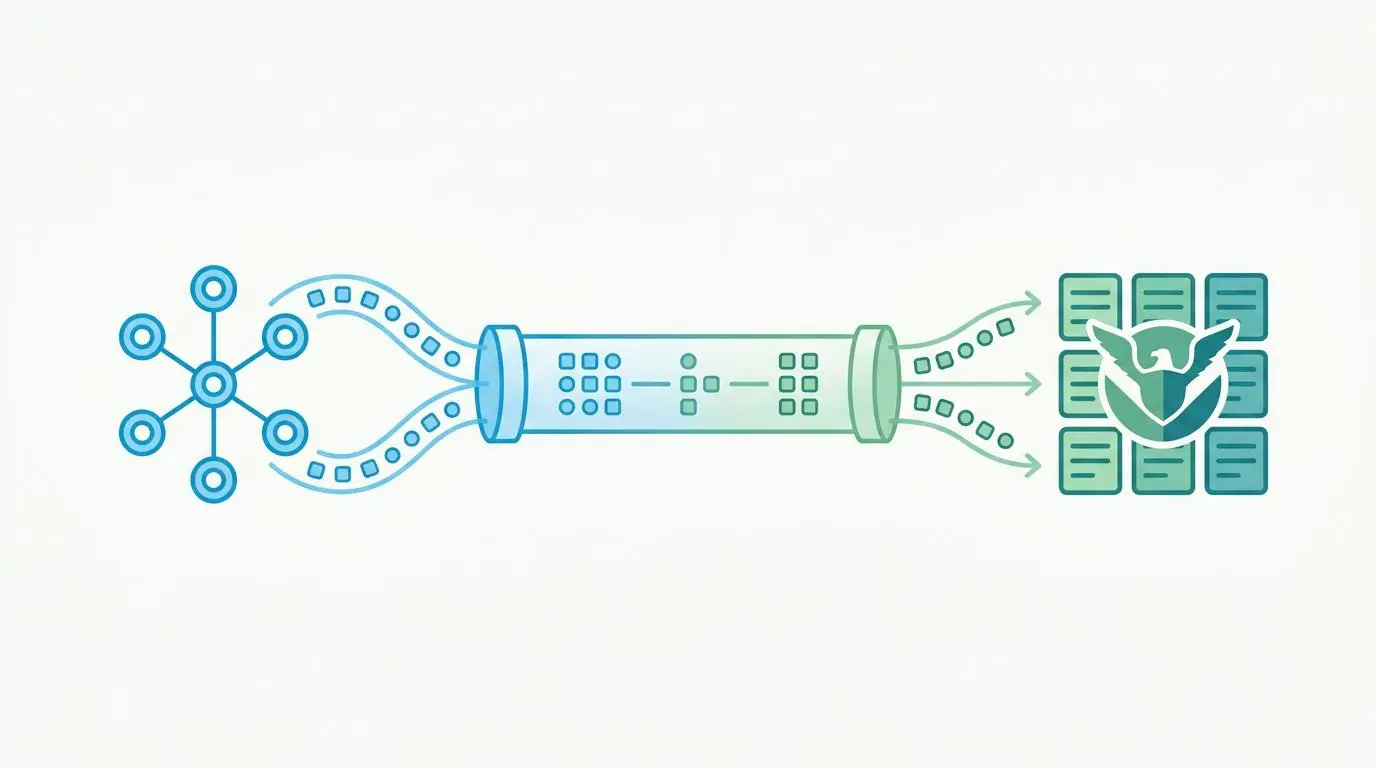
Utilizing the OpenFEMA v2 API alongside the NationalRiskIndex dataset allows us to pipe distinct natural hazard types directly into the Webflow CMS. This integration requires robust Node.js middleware to handle modern OAuth authentication seamlessly. The middleware acts as the translation layer, executing complex JSON-to-CMS field mapping on the fly.
The primary friction point emerges when managing collection field limits while mapping dozens of data points from the FEMA index. To resolve this architectural bottleneck, engineers must deploy multi-collection reference architectures. This approach splits hazard types, geographical data, and mitigation statistics into distinct relational tables that communicate via reference fields.
The transition to the OData v4.0 standard for all emergency datasets completely changes the game for developers. It allows engineering teams to use complex expand queries to link disaster declarations directly to local hazard mitigation grant data in a single API call. This optimization reduces data synchronization overhead by approximately 40 percent, keeping server costs incredibly lean.
Real-Time Schema Injection
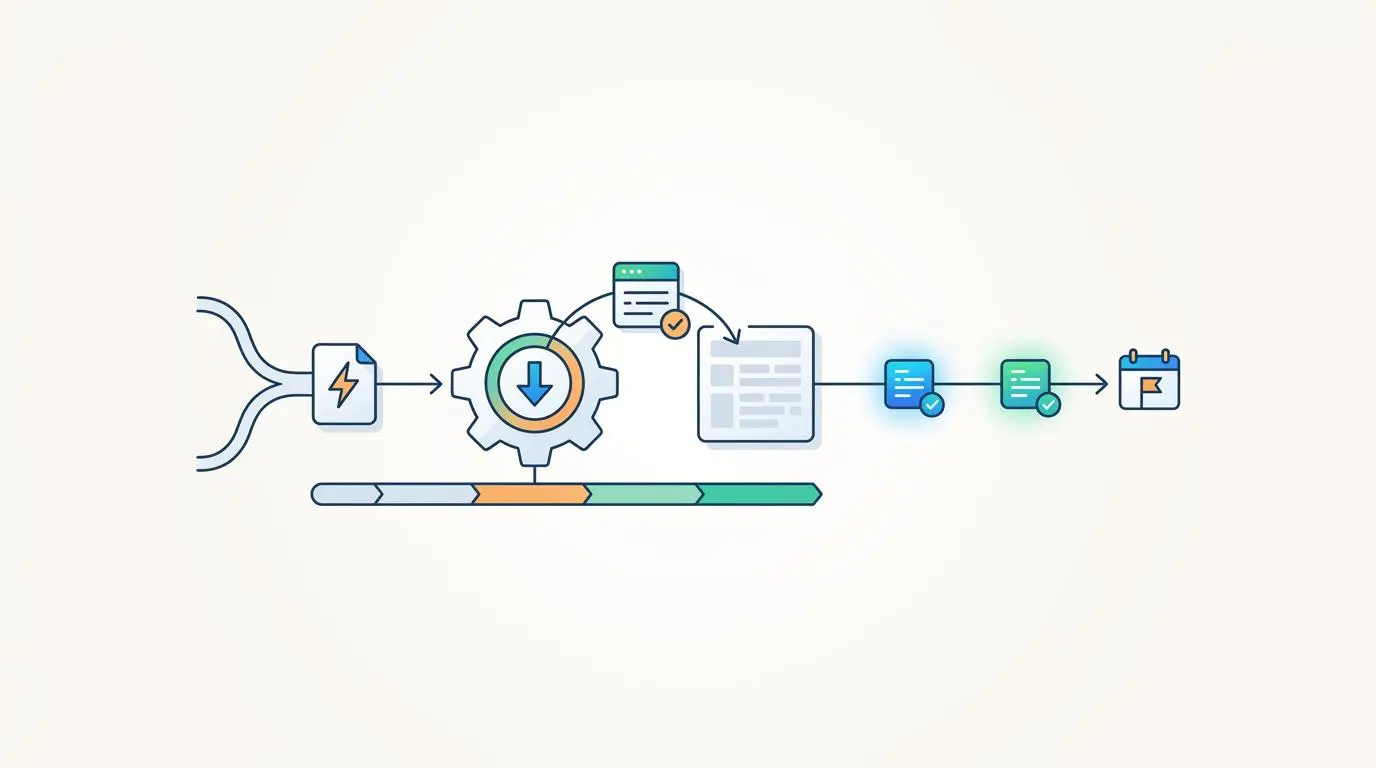
Structured data is the fundamental language of immediate SERP visibility during a crisis. By dynamically injecting specialized announcement and event schema via the Webflow CMS, we can trigger real-time rich snippet updates. This is achieved by mapping FEMA incident dates and types directly into the JSON-LD payload.
However, maintaining schema validity presents a unique technical hurdle for ongoing natural disasters. When a hurricane or wildfire is active, the incident end-date is naturally null within the FEMA API response. Search engines require strict chronological boundaries for event-based structured data to display properly.
If not programmatically handled with strict fallback logic, these null values trigger immediate Search Console validation errors. Middleware must be configured to inject estimated resolution dates or omit the end-date property entirely based on conditional rules. This ensures the rich snippets remain visible during the most critical search windows.
Bypassing the Sitemap Bottleneck
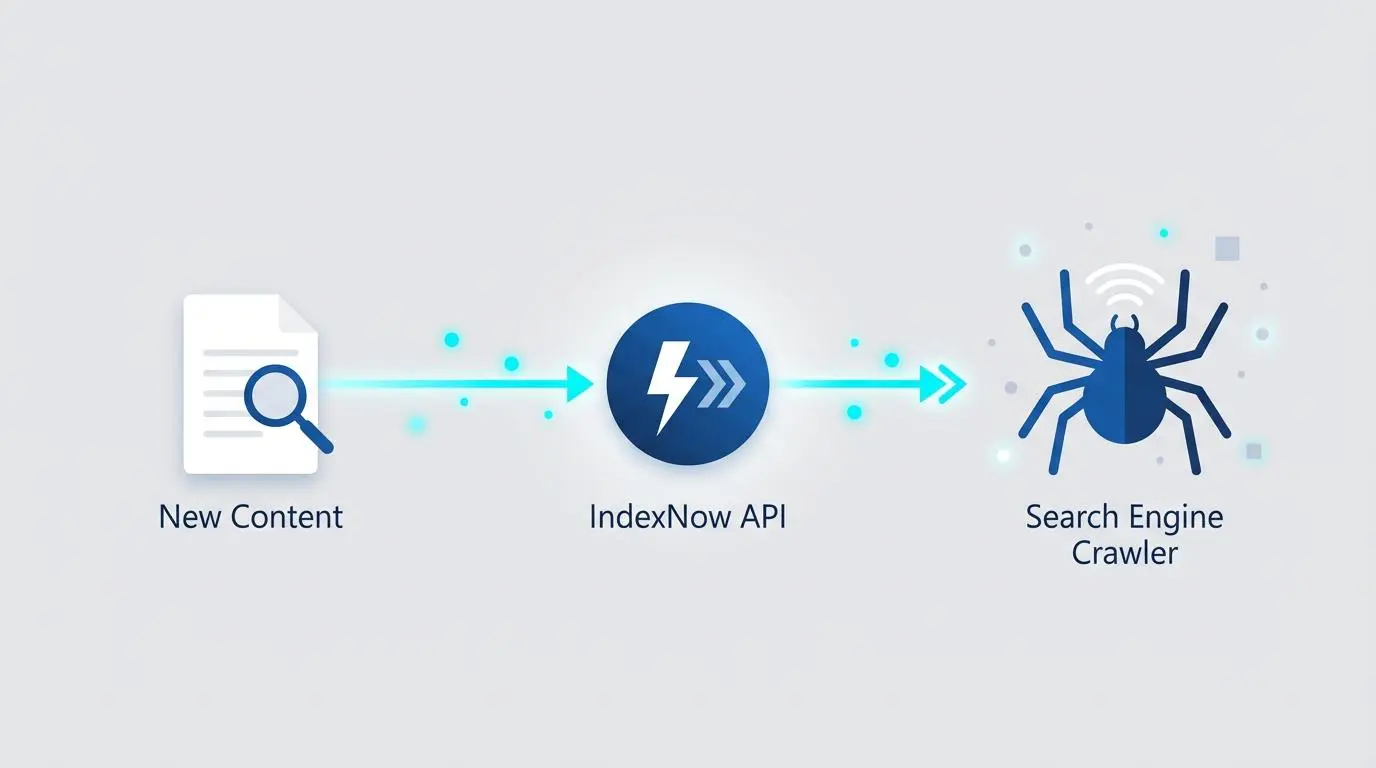
Relying on traditional XML sitemaps for emergency data is a guaranteed path to the accuracy-latency paradox. Implementing the IndexNow API allows us to trigger immediate crawls the exact millisecond a new disaster declaration ID is detected by the synchronization script. This direct-to-engine pipeline bypasses standard sitemap latency completely.
Ensuring high-stakes local risk pages are evaluated instantly gives domains a massive topical authority advantage during breaking events. Yet, this extreme velocity introduces the very real danger of index bloating. Thousands of temporary local risk pages might be indexed during a severe storm season, diluting overall site quality.
These hyper-local pages become severe soft 404 risks once the disaster period ends and search intent evaporates. Automation scripts must include automated un-indexing or canonicalization routines to handle this lifecycle. These routines archive expired disaster pages to preserve crawl budget and maintain overall domain health.
RAG-Powered Content Validation
Trust is paramount when publishing hazard mitigation statistics and local risk indexes. Automated pre-publish validation using retrieval-augmented generation ensures zero-error reporting across the programmatic build. This architecture acts as an autonomous editorial layer before any data hits the live CMS.
By cross-referencing the published Webflow page content against the raw FEMA JSON payload using advanced language models, we can systematically eliminate AI hallucinations. The system evaluates the generated copy against the raw numerical data, blocking the publish webhook if discrepancies are found.
The real-world friction here lies in the high computational cost and API latency of running LLM-based fact-checks for thousands of dynamically generated geo-pages in real-time. To scale this effectively, engineering teams must implement asynchronous validation queues. These queues prioritize high-population targets first, ensuring critical urban centers are validated and published without delay.
The Era of Edge-Rendered Disaster Hubs
The focus of technical SEO is rapidly shifting entirely toward edge-generated disaster hubs. Pages will no longer be stored statically in a CMS but will be rendered at the CDN level using modern edge computing platforms. This evolution will eliminate database latency entirely.
These edge nodes will utilize real-time FEMA API streams combined with AI agents capable of predicting disaster-related search surges hours before official declarations. This predictive rendering will redefine how search engines index emergency content, moving from reactive synchronization to proactive generation.
Navigating the intersection of technical SEO, programmatic architecture, and workflow automation requires a sharp strategy. To future-proof your site architecture and scale with precision, connect with Andres at Andres SEO Expert.
Frequently Asked Questions
What is the Accuracy-Latency Paradox in local SEO?
The Accuracy-Latency Paradox describes the critical delay between real-time data updates—such as FEMA disaster declarations—and the time it takes for search engines to index that data. This gap leads to stale search results, which can decimate user trust and signal to search engines that a domain is an unreliable entity.
How does IndexNow improve real-time visibility for disaster data?
IndexNow enables a direct-to-engine pipeline that bypasses traditional XML sitemap crawling delays. By combining Webflow webhooks with the IndexNow API, technical SEOs can reduce the time from a FEMA API update to SERP visibility to under 12 seconds, transforming SEO into a real-time broadcast mechanism.
Can Webflow support large-scale programmatic SEO for nationwide risk tracking?
Yes, Webflow’s Enterprise-tier infrastructure supports up to 1,000,000 CMS items per collection. This scalability allows engineering teams to map granular, county-level risk indexes and disaster tracking data across the entire United States natively within the platform.
How does OData v4.0 benefit emergency data integration?
The transition to OData v4.0 for FEMA datasets allows developers to use complex ‘$expand’ queries. This enables linking disaster declarations directly to hazard mitigation grant data in a single API call, reducing data synchronization overhead by approximately 40% and lowering server costs.
Why is RAG-powered validation necessary for programmatic geo-pages?
Retrieval-Augmented Generation (RAG) acts as an autonomous editorial layer that cross-references generated copy against raw FEMA JSON payloads. This process eliminates AI hallucinations and ensures zero-error reporting, which is paramount when publishing high-stakes hazard mitigation and local risk statistics.
What are edge-rendered disaster hubs in technical SEO?
Edge-rendered disaster hubs represent the next evolution of SEO where pages are rendered at the CDN level (like Cloudflare or Vercel) instead of being stored statically in a CMS. This approach utilizes real-time API streams and AI agents to predict and generate content ahead of search surges, eliminating database latency entirely.