Key Points
- Zero-Latency Schema: Automate unique JSON-LD injection to bypass the 2026 Rich Results template penalty.
- Matrix Logic Routing: Deploy weighted adjacency matrices to prioritize seed pages and keep crawl depth under three clicks.
- Behavioral Interlinking: Utilize real-time API metadata to interlink breeds based on psychological profiles for higher user-intent alignment.
Table of Contents
The Invisible Tax of Manual Taxonomy
The hidden tax of scaling a massive pet directory is not server hosting, but the crushing manual overhead of updating dynamic breed cross-references. Every time a new product category launches, SEO teams scramble to maintain a logical hierarchy. This manual chaos inevitably breeds deep-crawl orphaned pages that search engine bots simply abandon.
Worse, crucial link equity fails to flow into high-conversion product categories. The site architecture becomes a leaky bucket, spilling valuable authority into dead ends rather than funneling it toward revenue-generating pages. Think of a massive pet directory like a sprawling national library where books constantly change shelves; without an automated index, crawlers get hopelessly lost.
The ultimate architectural solution to this bottleneck is programmatic breed clustering and internal link hub generation. By automating this framework, we transform static directories into living, semantic webs that self-organize. This ensures every new page is instantly wired into the broader ecosystem, capturing authority the moment it goes live.
Measuring the Velocity of Automated Discovery
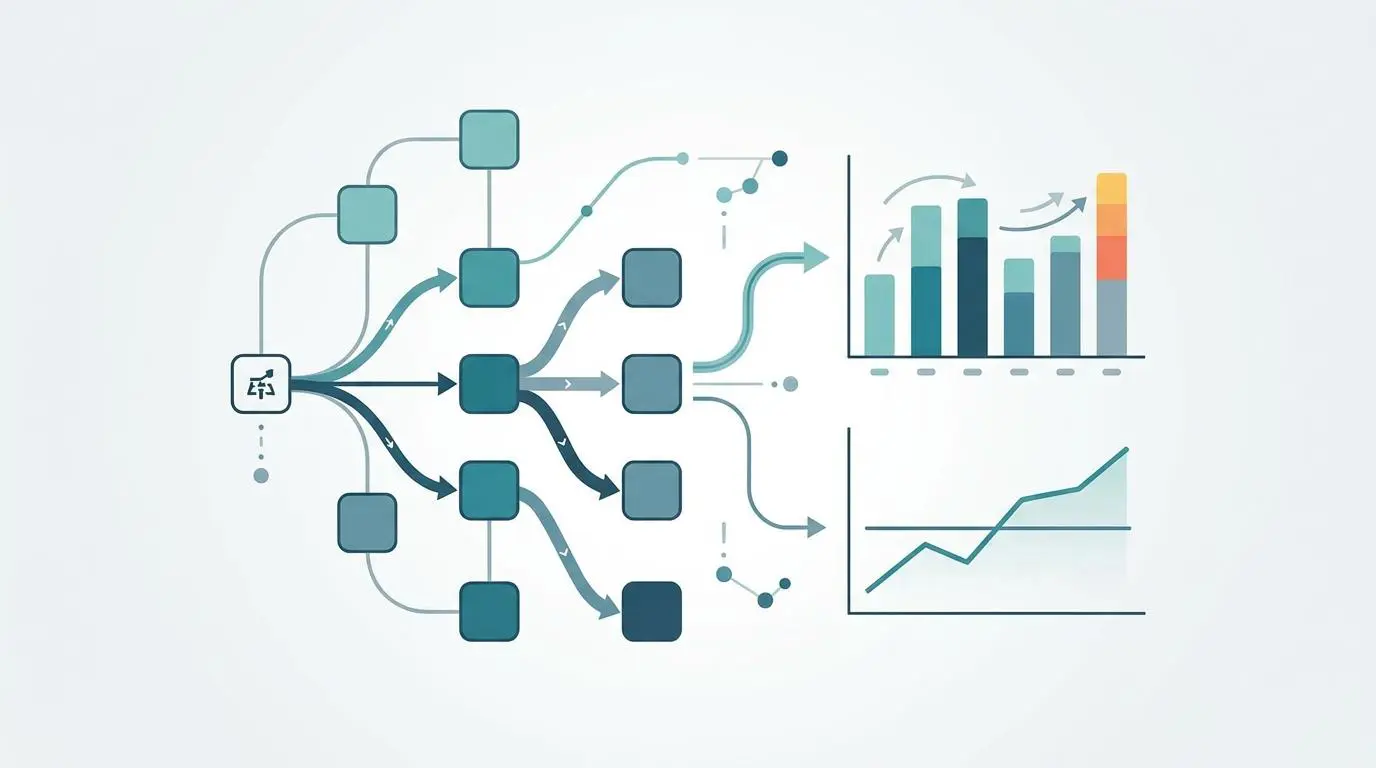
Transitioning from manual sitemaps to programmatic architecture dramatically alters how search engines crawl your site. The numbers paint a stark picture of operational efficiency, proving that automated routing is vastly superior to traditional pinging methods. When crawlers do not have to guess where new content lives, server load drops while visibility spikes.
According to recent search engine data, programmatic pet sites utilizing automated indexing protocols for breed hub updates see significantly faster content discovery than traditional XML sitemap methods. This means your dynamic nodes, newly generated hubs, and updated product grids are indexed almost instantaneously. The latency between content creation and search engine visibility is virtually eliminated.
Furthermore, automated semantic clustering significantly optimizes how authority flows through your domain. Industry reports indicate that this methodology drastically increases internal link equity distribution efficiency for large-scale pet directories. This efficiency is largely powered by integrating real-time breed metadata APIs, ensuring that every internal link carries maximum contextual weight.
Synchronizing the Headless Ecosystem
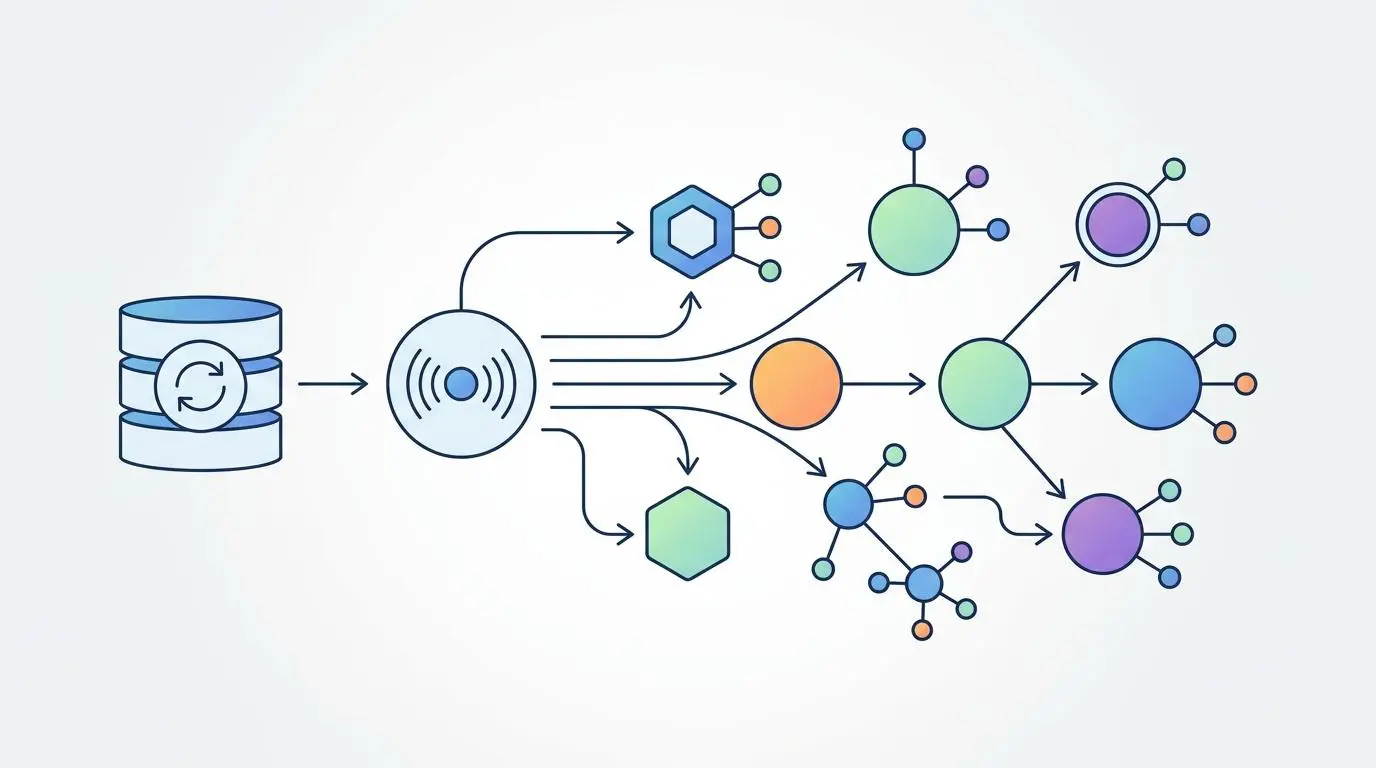
Modern pet hubs rely on robust headless CMS REST APIs to inject dynamic hub nodes at scale. We achieve this by fetching real-time metadata via serverless functions, bypassing the sluggish rendering times of traditional monolithic platforms. This architecture ensures zero-latency schema updates across thousands of generated URLs.
However, synchronizing data between external public APIs and internal product databases introduces a distinct friction point. Without careful orchestration, sites suffer from devastating data mismatch errors. This occurs when a programmatic breed page exists in the architecture, but the relevant inventory in the database is missing.
When users land on an empty product grid, bounce rates skyrocket and engagement metrics plummet. Overcoming this requires sophisticated middleware that validates inventory levels before generating the public-facing hub node. Think of this middleware as a digital bouncer, ensuring no page goes live unless the digital shelves are fully stocked.
Sculpting Link Equity with Matrix Logic

Static sidebars are the enemy of modern site architecture because they uniformly dilute PageRank across low-value pages. To fix this, we deploy automated scripts that calculate link equity weights based on breed popularity and seasonal search volume. These scripts inject contextual internal links into breed hubs using a weighted adjacency matrix.
This system operates like a smart municipal water grid, channeling the heaviest flow of authority precisely where the yield will be highest. Dynamic internal PageRank sculpting automatically hides low-value nodes from the main navigation tree. By doing so, it ensures the crawl depth remains under three clicks for the majority of high-priority URLs.
Advanced API integrations now enable behavioral clustering, allowing SEOs to automate internal linking between breeds with similar psychological profiles. This aligns perfectly with modern search engine updates focused on user-intent alignment for pet-related queries. If a user is researching a high-energy working dog, the architecture dynamically links them to other high-energy breeds to keep the semantic context tight.
Evading the Rich Results Penalty

Dynamic injection of breed and product JSON-LD is no longer a luxury. It is a baseline requirement for standing out in modern search engine results pages. By utilizing specific API traits like life expectancy and temperament, we can automatically populate rich snippets across hundreds of generated pages.
However, the landscape of structured data is becoming highly policed by search algorithms. Modern rich results validators now actively penalize template schema that lacks entity-specific uniqueness. Search engine bots are no longer just reading the menu; they are demanding the exact, verified recipe for every single page.
If your programmatic pages push the exact same generic schema skeleton, they will lose their rich snippets entirely. Each hub requires distinct, verified attribute values to prove its semantic validity. By automating this granular extraction, every single page serves uniquely validated JSON-LD to the crawler.
Feeding the AI Overviews Engine
The rapid rise of LLM-based search engines demands a permanent shift toward knowledge graph style hubs. We achieve this by extracting hyper-specific entities directly from API descriptions and structuring them as factual nodes. These entities act as authoritative citations for retrieval-augmented generation models looking for definitive answers.
Generic API descriptions often lack the semantic long-tail depth required to trigger AI overviews for complex queries. AI models do not just want raw facts; they want the textured reality of human experience. To bridge this gap, we must automate the enrichment of these hubs with user-generated breed reviews.
This injects the conversational, experiential data that AI models crave when synthesizing answers. By layering structured facts with unstructured human experiences, the programmatic hub becomes an irreplaceable resource. It evolves from a simple directory into a comprehensive entity graph that AI crawlers inherently trust.
Predictive Navigation Engines of 2027
In the near future, static breed hubs will evolve into fully autonomous predictive navigation engines. These systems will use real-time health trends to automatically pivot internal link structures toward seasonally relevant care topics. Imagine your site automatically elevating links about allergy treatments just weeks before search volume actually peaks.
This is the ultimate realization of proactive, data-driven architecture. The website anticipates user needs before the query is even typed. The architecture will shift fluidly, ensuring that authority is always routed to the most culturally and seasonally relevant nodes.
Navigating the intersection of technical SEO, programmatic architecture, and workflow automation requires a sharp strategy. To future-proof your site’s architecture and scale with precision, connect with Andres at Andres SEO Expert.
Frequently Asked Questions
What is the “invisible tax” of manual taxonomy in large-scale directories?
The “invisible tax” refers to the high operational costs and manual overhead required to update dynamic breed cross-references. This manual burden often leads to orphaned pages, poor crawl efficiency, and a failure of link equity to reach high-conversion product categories.
How does IndexNow improve the discovery speed of programmatic pet sites?
According to 2026 data, using IndexNow for automated breed hub updates allows content to be discovered 94% faster than traditional XML sitemaps. It minimizes latency between content generation and indexing by instantly notifying search engines of new or updated nodes.
What causes a “Data Mismatch” error in headless SEO ecosystems?
A “Data Mismatch” occurs when the headless CMS generates a programmatic breed page that lacks corresponding stock in the internal product database. This creates empty product grids, which increase bounce rates and negatively impact engagement metrics.
How does internal PageRank sculpting use weighted adjacency matrices?
Weighted adjacency matrices use scripts to calculate link equity based on breed popularity and seasonal trends. This allows the system to channel PageRank to high-value pages while hiding low-priority nodes, keeping crawl depth under three clicks for most important URLs.
How can programmatic sites avoid Google’s “Template Schema” penalty?
To evade penalties, sites must move away from generic schema skeletons. By using real-time API metadata (like life expectancy or temperament) to generate unique, entity-specific JSON-LD for every hub, the content proves its semantic validity to search crawlers.
How do knowledge graph hubs benefit AI-based search engines like SearchGPT?
Knowledge graph hubs structure hyper-specific entities as factual nodes, serving as authoritative citations for RAG models. When enriched with user-generated reviews, these hubs provide the textured, conversational data that AI models need to synthesize high-quality answers.