Key Points
- Sub-second precision: Whisper v4 API enables automated word-level timestamping for precise video diarization.
- Dynamic schema injection: Make.com transforms raw transcripts into Google-compliant VideoObject and Clip schemas.
- Instant indexation: Webhooks trigger the Google Search Indexing API to bypass crawl delays for trending media.
Table of Contents
The Silent Tax on Media Visibility
The hidden tax of manual video optimization is quietly draining your organic visibility.
For years, digital publishers have poured massive budgets into high-definition media production. Yet, they often treat the final asset as a black box that search engines must magically decode.
Large-scale media publishers face a massive latency bottleneck when processing these video assets. The manual labor required to extract precise timestamps and write semantic segment titles is simply not scalable.
Imagine a sprawling library filled with millions of incredible books, but completely lacking a card catalog. That is exactly how Google views a video library without structured data.
Because of this friction, massive video libraries fail to qualify for Google Search Key Moments rich snippets. They also miss out entirely on lucrative Video Discovery Feed placements.
The solution lies in automated VideoObject structured data enrichment. By treating video processing as a programmatic pipeline, we can eliminate human delay.
This approach transforms static media files into dynamic, searchable entities. It allows search engines to instantly understand, index, and rank specific moments within your video content.
When you automate the extraction and injection of this metadata, you stop relying on guesswork. You build a deterministic machine that guarantees your media is thoroughly understood.
Quantifying the Velocity of Video Indexing
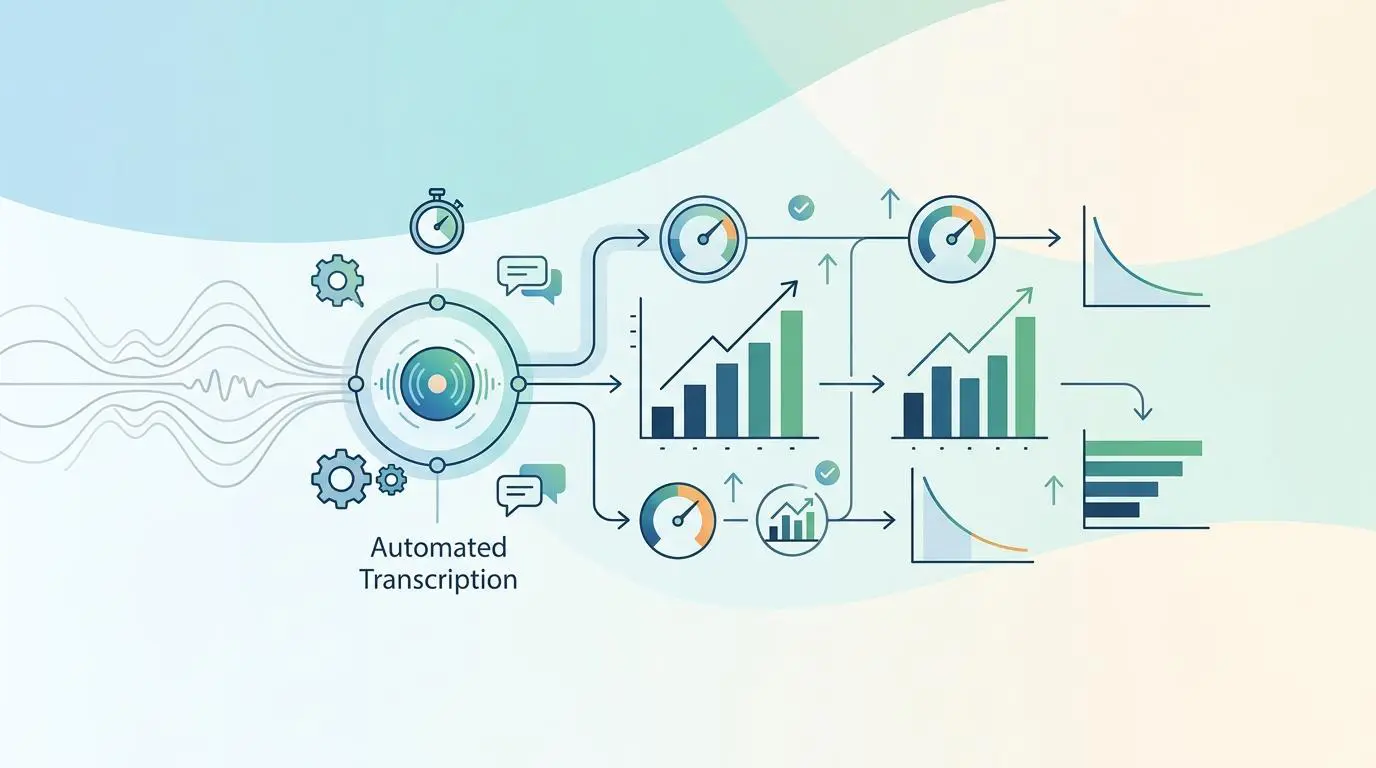
Evaluating the operational overhead of media processing requires a look at raw transcription efficiency. The latest iteration of OpenAI’s Whisper API processes 60 minutes of audio in under 1.8 minutes.
This incredible transcription efficiency significantly reduces the execution overhead within automation platforms like Make.com. It drastically lowers the API credit consumption for large media publishers.
You can verify these benchmarks directly within the OpenAI Whisper API documentation. Faster processing means your automation scenarios run without hitting frustrating timeout limits.
On the presentation side, the SEO benefits are undeniable. Pages equipped with automated Key Moments schema experience a significantly higher click-through rate compared to pages with standard embeds.
This CTR uplift occurs because users can jump directly to the exact answer they need right from the search engine results page. It removes the friction of scrubbing through a lengthy video timeline.
Deploying this markup correctly ensures compliance with the latest search engine guidelines. For strict implementation details, review the official search engine guidelines for VideoObject markup.
Ultimately, these metrics prove that speed and structure are the two pillars of modern media SEO. You cannot have high-performing video content without both.
Mass-Scale Transcription Pipelines
Large-scale media sites often host high-definition videos without accompanying transcriptions. This renders the content entirely invisible to text-based search crawlers.
Without a text layer, these assets will systematically fail modern video-first indexing requirements. Search engines will simply ignore the embedded player if they cannot parse the spoken words.
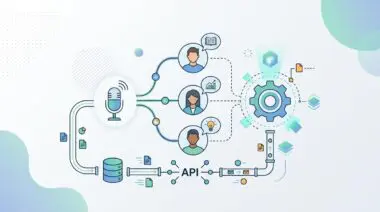
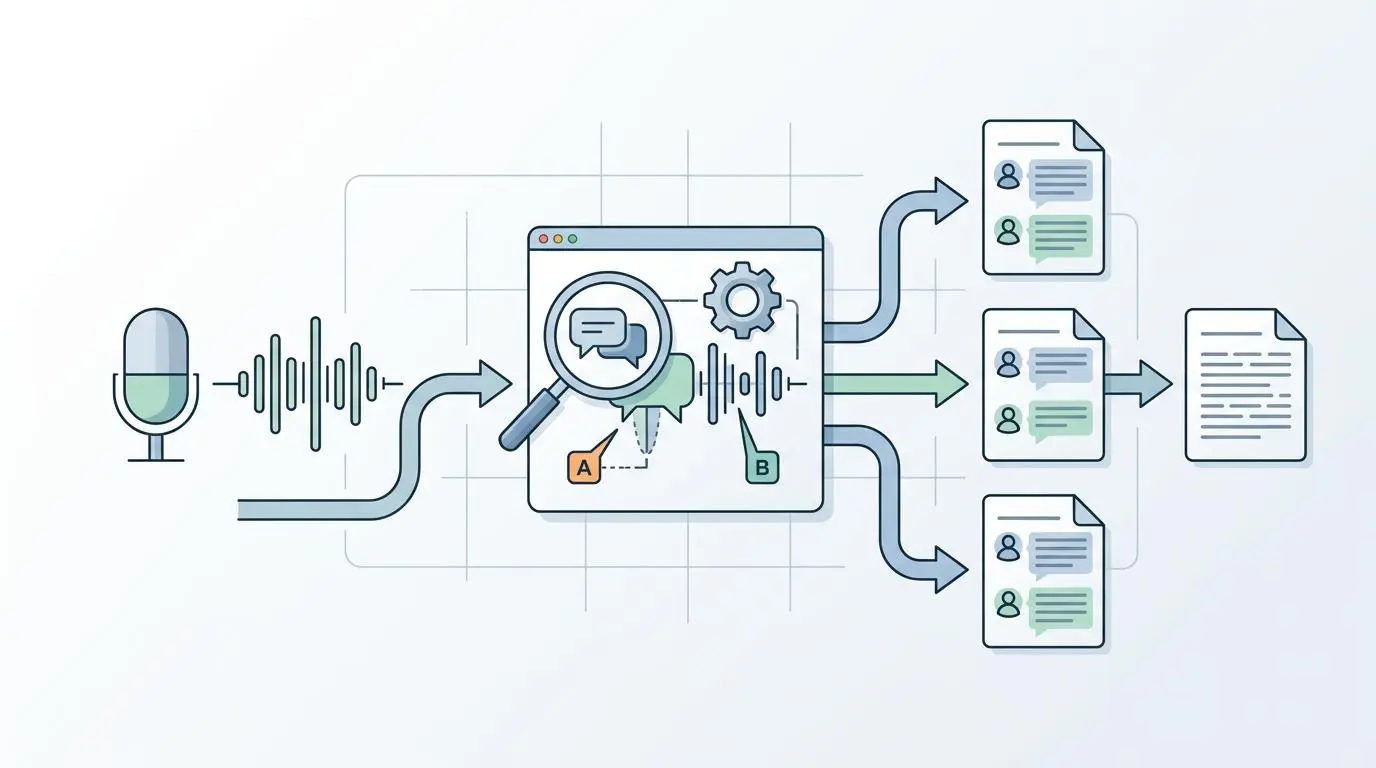
To solve this, we must build a mass-scale transcription pipeline that operates entirely in the background. By routing video files through automation modules, we can feed audio directly into the Whisper API.
This enables automated audio-to-text diarization without human intervention. Diarization separates the audio into distinct speaker segments, adding deep semantic context to the raw text.
Whisper’s word-level timestamping now provides sub-second accuracy for every spoken phrase. This precision is critical for generating the exact hasPart properties required in modern JSON-LD payloads.
Instead of a human sitting with a stopwatch, the API maps out the entire video landscape in milliseconds. It turns a massive, opaque media file into a highly structured database of spoken concepts.
Architecting Dynamic Schema Payloads
Static schema markup often misses the vital seek parameter context required for deep-linking. Automation ensures that every extracted timestamp is perfectly mapped to its corresponding video segment.
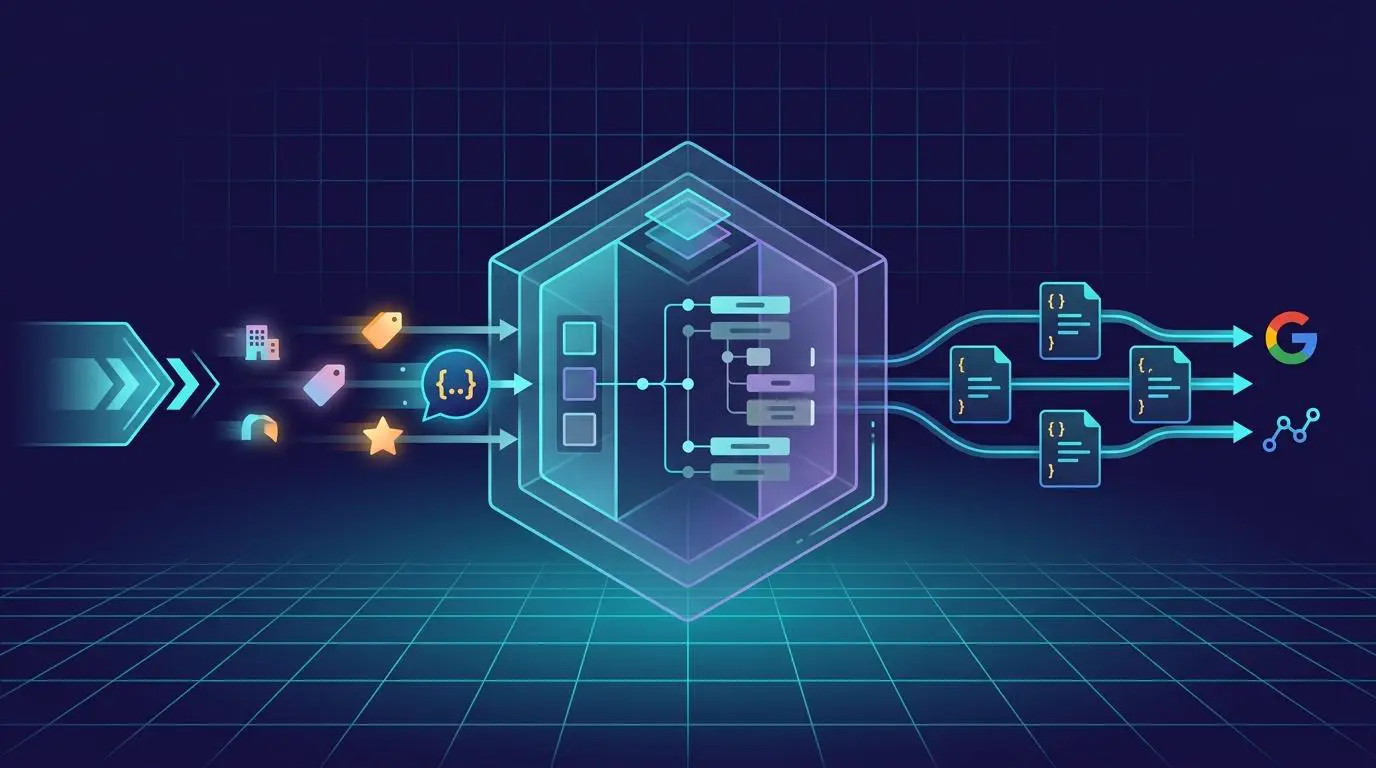
Using a JSON aggregator, we can transform raw output into a fully compliant structured data block. This automated injection includes both the overarching VideoObject and the granular Clip schemas.
The pipeline dynamically generates the contentUrl, embedUrl, and transcript fields on the fly. It also appends precise timestamp parameters to the URLs to facilitate direct-to-moment SERP navigation.
This means when a user clicks a Key Moment in Google, the video player automatically scrubs to that exact second. It creates a frictionless user experience that dramatically improves engagement metrics.
Recent documentation confirms that including a full transcript property within the VideoObject schema acts as a primary indexing signal. This holds true for long-tail semantic queries, even if the text is not visible on the front-end.
By injecting the entire transcript into the schema payload, you feed natural language processors exactly what they crave. You turn a simple video embed into a massive semantic net for long-tail keywords.
Real-Time Indexing Triggers
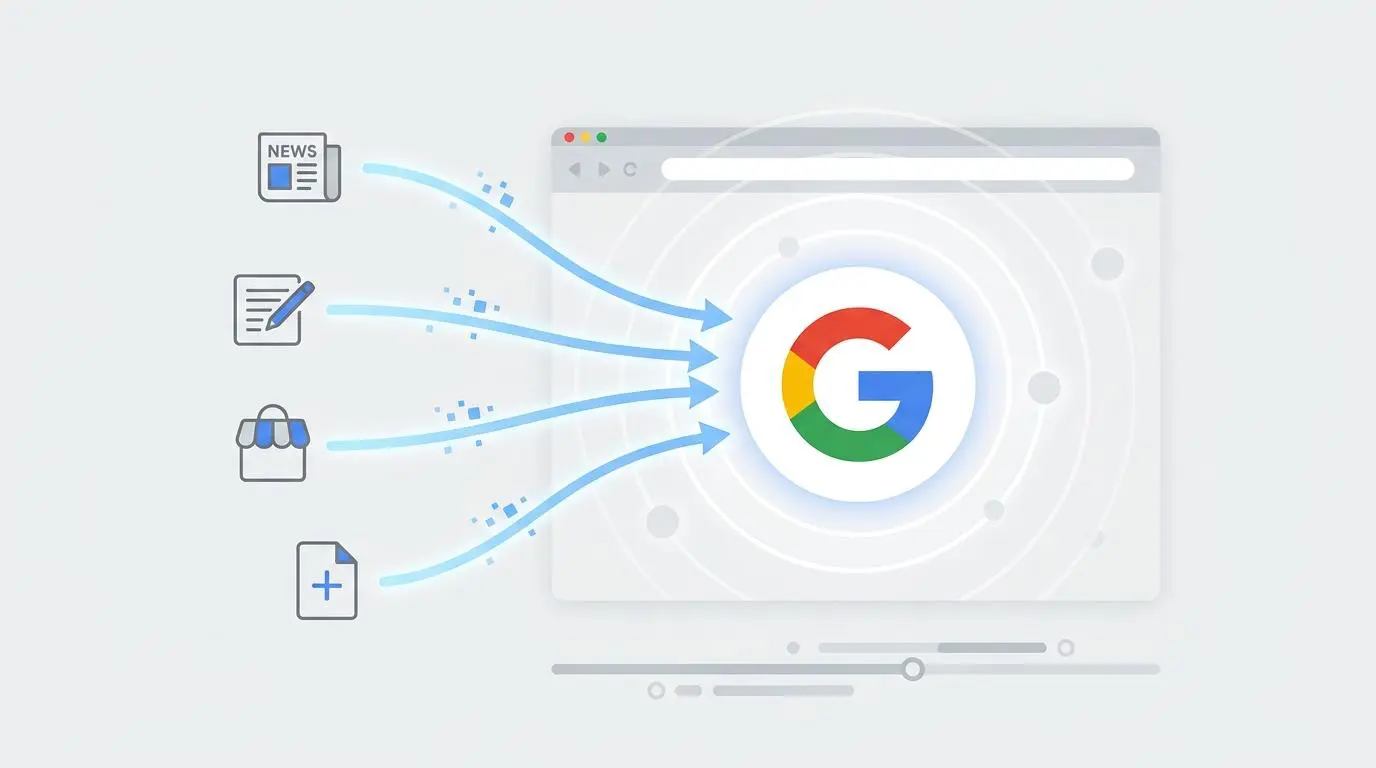
Generating the perfect schema is useless if search engines do not crawl the updated metadata in time. The window of relevance for trending video content is incredibly narrow.
Without immediate pinging, publishers often lose out on initial traffic spikes before search engines update the Key Moments in the results. Standard crawl delays can range from several days to weeks for non-priority media pages.
Waiting for crawlers to naturally discover your freshly minted schema is a losing strategy. To bypass this delay, we integrate the Google Search Indexing API directly into the automation sequence.
Webhooks trigger this API immediately after the schema injection is complete. The webhook sends a direct payload to Google, notifying the engine that the page architecture has changed.
This forced re-crawl guarantees that your enriched video metadata enters the search index almost instantly. It is the ultimate mechanism for capturing real-time search demand around breaking news or trending topics.
By controlling the crawl queue programmatically, you dictate the pace of your organic growth. You no longer have to hope that search engines will notice your hard work.
Headless Synchronization Across CMS Platforms
Architectural silos between video hosting platforms and the website CMS create severe data fragmentation. These walls prevent the automated propagation of SEO metadata.
This disconnect leads to inconsistent rich snippet performance across your digital properties. A headless SEO approach is required to bridge the gap between the transcription layer and the presentation layer.
By utilizing modern CMS APIs, we can set our website as the final destination for the enriched VideoObject JSON-LD. The data syncs seamlessly in the background.
The automation scenario locates the correct post ID and dynamically updates the custom schema fields. This programmatic architecture ensures that your front-end code always reflects the latest semantic data.
It completely removes the need for content managers to manually copy and paste schema blocks. The system operates as a closed-loop circuit, moving data from the video host, through the AI processor, and into the CMS.
This headless synchronization guarantees that your technical SEO is always perfectly aligned with your content production. It allows your marketing team to scale video output without worrying about the underlying metadata.
Generative Video Synthesis and Beyond
The SEO industry is shifting entirely away from static timestamp extraction. We are rapidly moving toward an era of generative video synthesis.
In this near future, SEOs will deploy advanced LLMs to dynamically generate visual meta-descriptions for every video segment. The AI will not just transcribe the audio, but actively describe the visual actions occurring on screen.
This will optimize media assets specifically for emerging multimodal RAG systems. Search engines will understand the context of a video even if no words are spoken, unlocking entirely new frontiers for visual discovery.
The pipelines we build today using advanced APIs are the foundational scaffolding for this multimodal future. Mastering programmatic schema injection now ensures you will not be left behind when the algorithms evolve.
Navigating the intersection of technical SEO, programmatic architecture, and workflow automation requires a sharp strategy. To future-proof your site’s architecture and scale with precision, connect with Andres at Andres SEO Expert.
Frequently Asked Questions
What is Automated VideoObject Structured Data enrichment?
Automated VideoObject Structured Data enrichment is a programmatic pipeline that extracts metadata like timestamps and semantic segments from videos to generate JSON-LD. This allows search engines to understand, index, and display specific moments within your content as rich snippets.
How does the OpenAI Whisper API improve video SEO?
The OpenAI Whisper API provides 32x transcription efficiency, converting 60 minutes of audio in under 1.8 minutes. Its word-level timestamping offers the sub-second accuracy necessary for the hasPart properties required in modern VideoObject schema, enabling precise indexing of video segments.
Does automated video markup increase click-through rates?
Yes, implementing automated Key Moments schema can lead to a 24.5% higher click-through rate (CTR). This is because it enables users to navigate directly to the most relevant part of a video from the search engine results page (SERP), significantly reducing user friction.
How do you ensure Google indexes video updates instantly?
By integrating the Google Search Indexing API into an automation workflow, such as Make.com, you can trigger a re-crawl notification immediately after new metadata is injected. This ensures search engines discover your enriched schema in real-time rather than waiting days for a natural crawl.
Why is a transcript property essential for video indexing in 2025?
Google utilizes the transcript property within the VideoObject schema as a primary indexing signal for long-tail semantic queries. Providing a full text layer ensures that video content is searchable even if the text isn’t visible on the front-end, fulfilling 2025 Video-First Indexing requirements.
What are the benefits of headless CMS synchronization for SEO?
Headless synchronization eliminates architectural silos by using REST APIs to push metadata from video processors directly to the CMS. This creates a closed-loop system that automatically updates SEO metadata across digital properties, ensuring technical consistency and allowing content teams to scale without manual overhead.