Key Takeaways
- nanousd-labs generates spec-compliant USD runtimes directly from the USD Core Specification using AI agents, eliminating the need to adapt large legacy codebases.
- The methodology treats the specification as a formal contract: agents parse, implement, and validate code against spec-derived test suites, while engineers handle architecture and tradeoffs.
- Developers can either use the pre-built nanousd runtime (via C API or Python bindings) or follow a 10-minute tutorial to build custom runtimes using reusable skill graphs.
AI Agents Now Generate Custom USD Runtimes from the Core Spec
NVIDIA’s Omniverse Labs has released nanousd-labs, an experimental project that lets developers generate lightweight, spec-compliant USD runtimes directly from the USD Core Specification using AI agents. This shifts the paradigm: rather than adapting massive existing codebases, teams can now direct agents to build a runtime tailored to specific memory, performance, and ABI constraints. The approach is published as part of Omniverse Labs, a collection of open experimental projects, and represents a step toward agent-driven infrastructure for physical AI.
Table of Contents
How AI Agents Build on the USD Core Spec
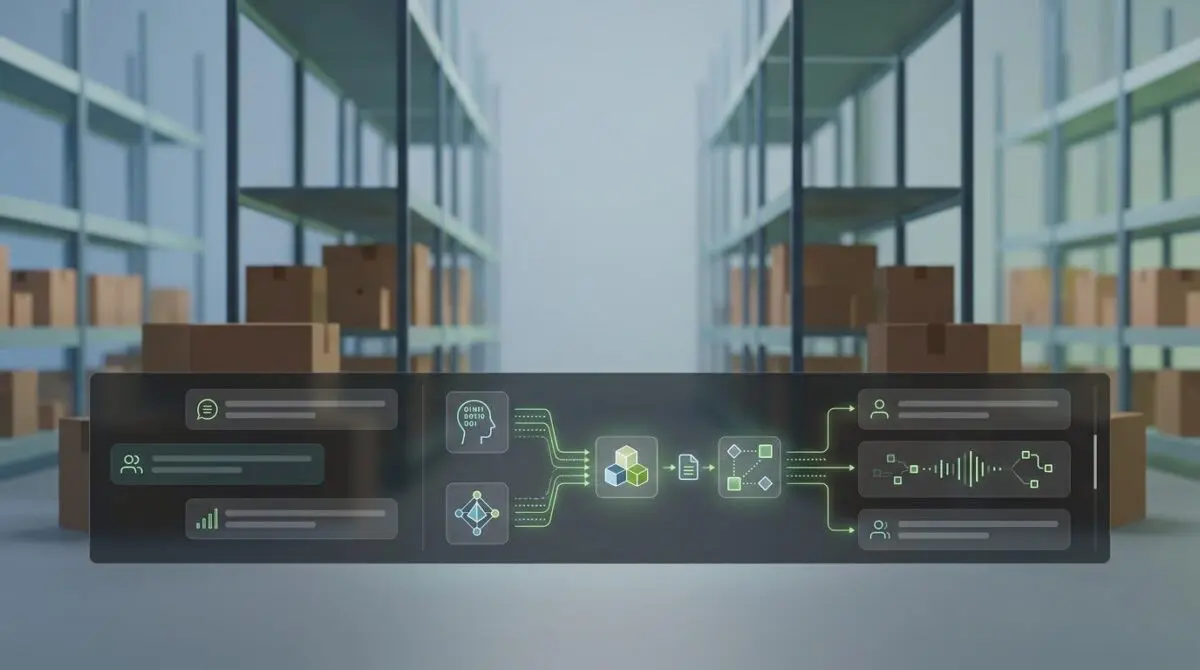
The core idea is simple: treat the USD Core Specification as a formal contract. The specification, developed by the Alliance for OpenUSD, defines how USD data models are composed and resolved. Since it is machine-readable, AI agents can parse it directly and generate code that must satisfy that behavior. The output is then validated against a test suite derived from the same specification. Engineers focus on architectural decisions while agents handle parsing, scene composition, and value resolution across layers.
This methodology ensures compliance is built into the generation process. The spec is the input, compliance is the measure. Agents iterate until the output matches the spec requirements. In practice, this means developers can regenerate a runtime for different constraints — memory, performance, language — without losing compliance.
What Is nanousd-labs?
nanousd is a compiled C++ implementation of the USD runtime data model, exposed through a stable C ABI. It parses, composes, queries, and writes USD data, stopping short of rendering. The implementation is derived entirely from the USD Core Specification and carries only what a specific workload requires. Because the ABI is stable, backends can be swapped dynamically without changing calling code. This enables direct performance comparison and iterative optimization.
The project emerged from an internal hackathon and is now open for experimentation, as announced on the NVIDIA Developer Blog. It does not replace existing OpenUSD stacks but complements them. The methodology itself is the key deliverable: a blueprint for generating custom runtimes using AI agents.
Two Ways to Build with AI Agents
Developers have two entry points. The first is using nanousd directly: clone the repository, compile, and use the C API or Python bindings. The Python package, nanousd-python, runs headlessly on any machine without a GPU. Agents can then be instructed to author or validate USD stages against the spec, with compliance checks built in.
The second entry point is the skill graph tutorial. A 10-minute walkthrough teaches how to direct agents to generate a USD ASCII parser from the Core Specification. The skill graph captures human directions into reusable skills. This approach is hands-on and highlights the long-term vision: codifying spec-to-code workflows so they are not reinvented for each implementation.
Strategic Implications for Physical AI
nanousd-labs arrives at a time when agent-driven workflow automation is accelerating across AI. Recent research from NVIDIA NeMo demonstrates automated end-to-end reinforcement learning experiments using agents, while the Nemotron Challenge distills proven AI reasoning workflows from large-scale data. These developments point to a broader trend: agents are moving from assistants to infrastructure builders.
For physical AI, the ability to generate lightweight, spec-compliant USD runtimes on demand is critical. Simulation pipelines in robotics, autonomous vehicles, and digital twins require optimized data layers that match specific hardware constraints. nanousd-labs provides a method to achieve that without sacrificing compatibility with the OpenUSD ecosystem. The open standard acts as a stable foundation, while agents provide the elasticity to adapt to evolving workloads.
NVIDIA Omniverse, the simulator behind many digital twin initiatives, stands to benefit directly from purpose-built runtimes. As the GitHub repository for Omniverse shows, the platform is already a hub for multi-GPU real-time simulation. nanousd-labs extends that vision by enabling custom data layer generation, potentially reducing deployment friction for edge devices and embedded systems.
Conclusion and Next Steps
nanousd-labs proves that agent-generated USD runtimes are not just possible but practical. By treating the USD Core Specification as a contract, developers can direct AI to build compliant, optimized implementations in hours rather than months. The standard is public, the methodology is open, and the community can contribute through the Core Spec Working Group or directly on GitHub.
As physical AI scales, the need for tailored, spec-compliant runtimes will only grow. nanousd-labs offers a glimpse of a future where agents handle infrastructure boilerplate, freeing engineers to focus on system design and innovation.
Staying ahead in the rapidly shifting landscape of AI requires precision. To future-proof your digital strategy and scale effortlessly, you need a foundation built on precision. Optimize your site with advanced speed engineering, secure your infrastructure in high-performance hosting environments, and streamline your entire workflow through autonomous AI pipelines. If you are ready to elevate your systems, Connect with Andres at Andres SEO Expert to build your ultimate architecture.
Frequently Asked Questions
What is nanousd-labs and how does it relate to the USD Core Specification?
nanousd-labs is an experimental project from NVIDIA Omniverse Labs that generates lightweight, spec-compliant USD runtimes from the USD Core Specification using AI agents. Instead of adapting large existing codebases, developers direct AI agents to build a runtime tailored to specific constraints (memory, performance, ABI). The generated code is validated against a test suite derived from the same specification, ensuring compliance.
How do AI agents generate USD runtimes from the spec?
AI agents parse the machine-readable USD Core Specification as a formal contract. They generate code that must satisfy the spec’s behavior for parsing, scene composition, and value resolution across layers. The output is iteratively validated until it matches the spec requirements. This allows developers to regenerate runtimes for different constraints (memory, performance, language) while maintaining compliance.
What are the two ways developers can build with nanousd-labs and AI agents?
The first way is using nanousd directly: clone the repository, compile, and use the C API or Python bindings. Agents can author or validate USD stages against the spec with built-in compliance checks. The second way is the skill graph tutorial, a 10-minute walkthrough that teaches how to direct agents to generate a USD ASCII parser from the Core Specification. This codifies spec-to-code workflows into reusable skills.
What strategic implications does nanousd-labs have for physical AI?
nanousd-labs enables generation of lightweight, spec-compliant USD runtimes on demand, critical for simulation pipelines in robotics, autonomous vehicles, and digital twins. It optimizes data layers for specific hardware constraints while maintaining OpenUSD ecosystem compatibility. As part of the trend where agents become infrastructure builders, this reduces deployment friction for edge devices and embedded systems within NVIDIA Omniverse and beyond.
Does nanousd-labs replace existing OpenUSD stacks?
No, nanousd-labs complements existing OpenUSD stacks. It is an experimental project that provides a methodology for generating custom runtimes using AI agents. The key deliverable is the blueprint for spec-to-code generation, not a replacement for full USD implementations. Developers can use it alongside their current workflows to create optimized, compliant runtimes for specific needs.
How is compliance ensured in agent-generated USD runtimes?
Compliance is built into the generation process. The USD Core Specification is the input, and compliance is measured against a test suite derived from the same specification. AI agents iterate until the output matches the spec requirements. This methodology ensures that generated runtimes are valid and interoperable with the broader OpenUSD ecosystem without manual verification.
What are the next steps for developers interested in nanousd-labs?
Developers can explore nanousd-labs by visiting the Omniverse Labs repository on GitHub, cloning the project, and experimenting with the C API or Python bindings. They can also follow the skill graph tutorial to learn agent-driven generation workflows. The community is encouraged to contribute through the Core Spec Working Group or directly on GitHub. As physical AI scales, this approach to custom runtimes will become increasingly relevant.