Key Points
- Implementing a real-time AI-driven redaction pipeline prevents accidental PII ingestion, eliminating compliance debt before data reaches high-cost SIEM storage.
- A modern three-tier detection stack balances speed and accuracy by combining regex for trivial patterns, NER for standard entities, and LLMs for high-risk context resolution.
- Future-proofing log architecture requires transitioning to reversible, vaultless tokenization, allowing authorized forensic investigations without compromising primary database security.
Table of Contents
The Data Chaos Bottleneck
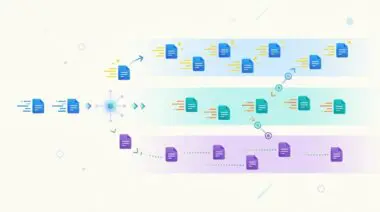
Every millisecond, thousands of application logs flood into centralized security information and event management systems. This relentless torrent of data frequently carries a hidden payload of accidental personally identifiable information. When this sensitive data settles into your primary storage, it creates an immediate and irreversible compliance debt.
This phenomenon is widely known as the data chaos bottleneck. It forces highly skilled security analysts to abandon proactive threat hunting, spending up to 46% of their valuable time on tedious database maintenance and manual cleanup. The operational drag is massive, quietly draining resources and exposing the enterprise to severe regulatory risks.
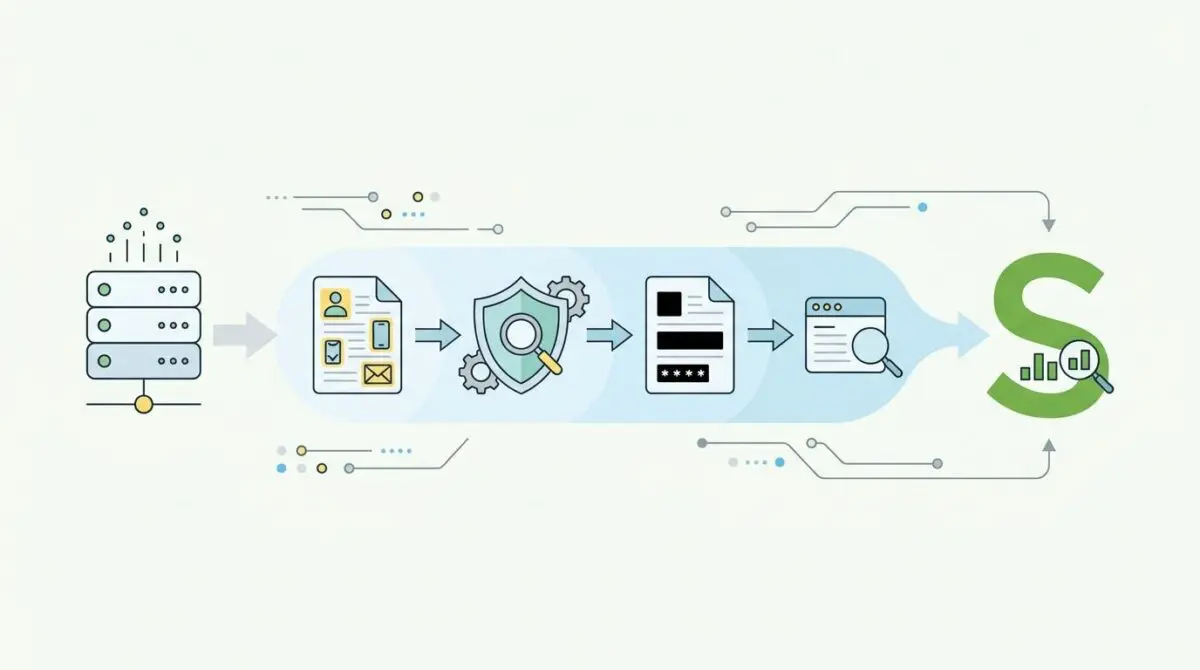
The ultimate solution to reclaim this lost time and eliminate the friction is deploying a Real-time AI-driven PII Redaction Pipeline for Splunk Ingestion. By intelligently intercepting and scrubbing logs before they are indexed, organizations can instantly neutralize compliance risks. This transforms a chaotic, liability-laden data stream into a pristine, actionable asset.
The Financial Toll of Exposure
Market Intelligence & Data
Average U.S. Breach Cost
According to IBM’s 2025 Cost of a Data Breach Report, the average cost for a U.S.-based data breach reached $10.22 million, driven by regulatory penalties and slow detection.
Per-Record PII Exposure Cost
Data from the IBM 2025 report indicates that the global average cost per compromised customer PII record is $160, making it the most targeted and costly asset class.
Daily Analyst Time Reclaimed
Security analysts save an average of 3 hours per day by utilizing AI-powered log parsing tools like Energent.ai to automate triage and redaction, according to a May 2026 market assessment.
AI Log Analysis Market Growth
The AI log analysis market is projected to expand at a CAGR of 18.3% between 2026 and 2034, as highlighted in a 2026 TrendX Insights report.
The financial stakes of data mismanagement have never been higher in the modern enterprise landscape. When we look at how the average cost for a U.S.-based data breach reached $10.22 million, it becomes clear that regulatory penalties and slow detection are crushing enterprise budgets. This astronomical figure underscores the urgent need to intercept sensitive information before it settles into centralized storage.
Beyond the macro-level breach costs, the granular impact of exposed data is equally alarming for risk management teams. At a global average of $160 per compromised customer PII record, personally identifiable information remains the most targeted and costly asset class for modern attackers. Every single unredacted log entry flowing into your SIEM multiplies this financial liability exponentially.
Operational efficiency takes a massive hit when human analysts are forced to clean up this data chaos manually using outdated tools. By automating log triage and masking, security analysts can reclaim an average of 3 hours per day. This recovered time allows highly skilled teams to pivot away from tedious maintenance tasks and focus entirely on proactive threat hunting.
The industry is rapidly recognizing that legacy approaches are no longer sustainable against modern data velocities. The projected 18.3% CAGR of the AI log analysis market highlights a massive pivot toward intelligent, edge-based automation. Enterprises are increasingly adopting tools like Microsoft Presidio to ensure PII is tokenized seamlessly at the network proxy level.
Security Privacy and Network Level Tokenization
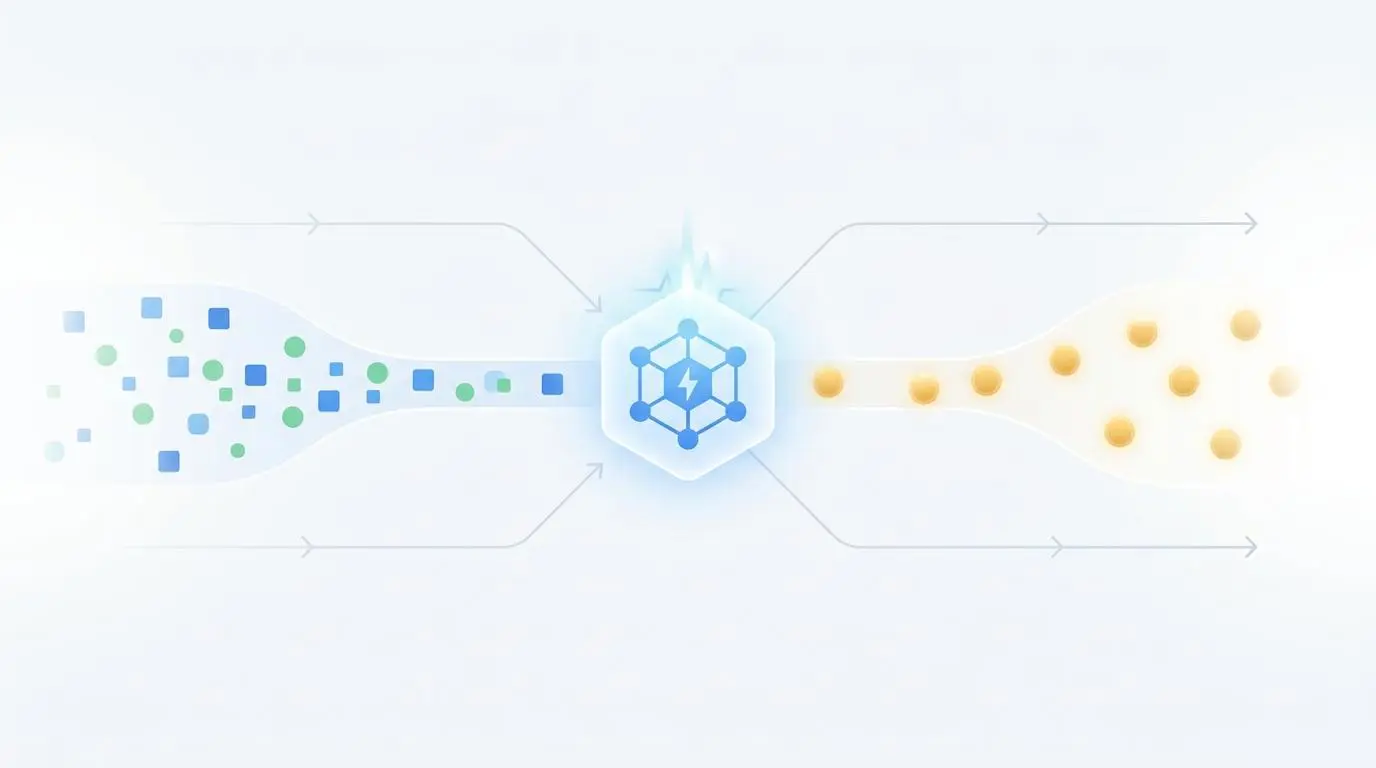
Post-hoc redaction is a fundamentally flawed strategy for modern data pipelines operating at enterprise scale. When sensitive information exists in a raw state within the backend, it creates a dangerous window of exposure before batch scrubbers can catch up. This critical delay is precisely why customer PII is involved in 53% of all modern data breaches.
By 2026, the industry standard has shifted entirely away from these delayed, reactive post-hoc sweeps. Structured logging redaction now intercepts data exactly at the source to neutralize privacy threats instantaneously. Organizations are deploying advanced tokenization at the network proxy level to guarantee absolute data safety.
This proactive architecture ensures that every piece of PII is securely tokenized long before serialization occurs. The result is a clean, compliant data stream that completely eliminates the risk of accidental exposure in your central repositories. Security teams can finally trust the data entering their dashboards.
Taming the AI Generated Log Volume

The sheer volume of AI-generated logs is pushing observability budgets to their absolute breaking points across the tech sector. Some enterprises are projected to spend up to 15% of their total IT budget purely on infrastructure monitoring by 2027. Storing raw, unfiltered data in high-cost indexers is no longer a financially viable strategy for growth.
To combat this ballooning expense, modern architectures leverage agentic AI pipelines to aggressively filter and mask data in transit. Solutions like Splunk Edge Processor and Ingest Processor utilize advanced SPL2 commands for semi-stateful, ingest-time aggregations. This intercepts the noisy, low-value data before it ever hits your expensive storage tiers.
By intelligently routing and redacting logs directly at the edge, organizations drastically reduce their overall ingestion costs. It transforms a bloated, chaotic data stream into a lean, highly actionable feed for your security analysts. This approach maximizes the return on investment for every gigabyte of data stored.
Balancing Latency with the Three Tier Detection Stack

One of the greatest challenges in automated redaction is navigating the strict trade-off between processing latency and detection coverage. Simple regex rules are incredibly fast but far too brittle to catch context-dependent PII hidden deep within unstructured text. Conversely, relying solely on large language models introduces massive latency overheads that completely break high-velocity log streams.
The optimal solution is a sophisticated three-tier detection stack that perfectly balances raw speed with deep contextual understanding. Trivial patterns like credit card numbers and social security digits are handled instantly by regex in under two milliseconds. This keeps the baseline data pipeline moving at maximum velocity without bottlenecks.
For more complex, free-form text, transformer-based Named Entity Recognition processes data in roughly 50 milliseconds. Large language models are then strictly reserved for high-risk, ambiguous sampling where their 800-millisecond latency is justified by the need for absolute precision. This tiered approach guarantees both speed and accuracy.
Eliminating the Manual Regex Treadmill
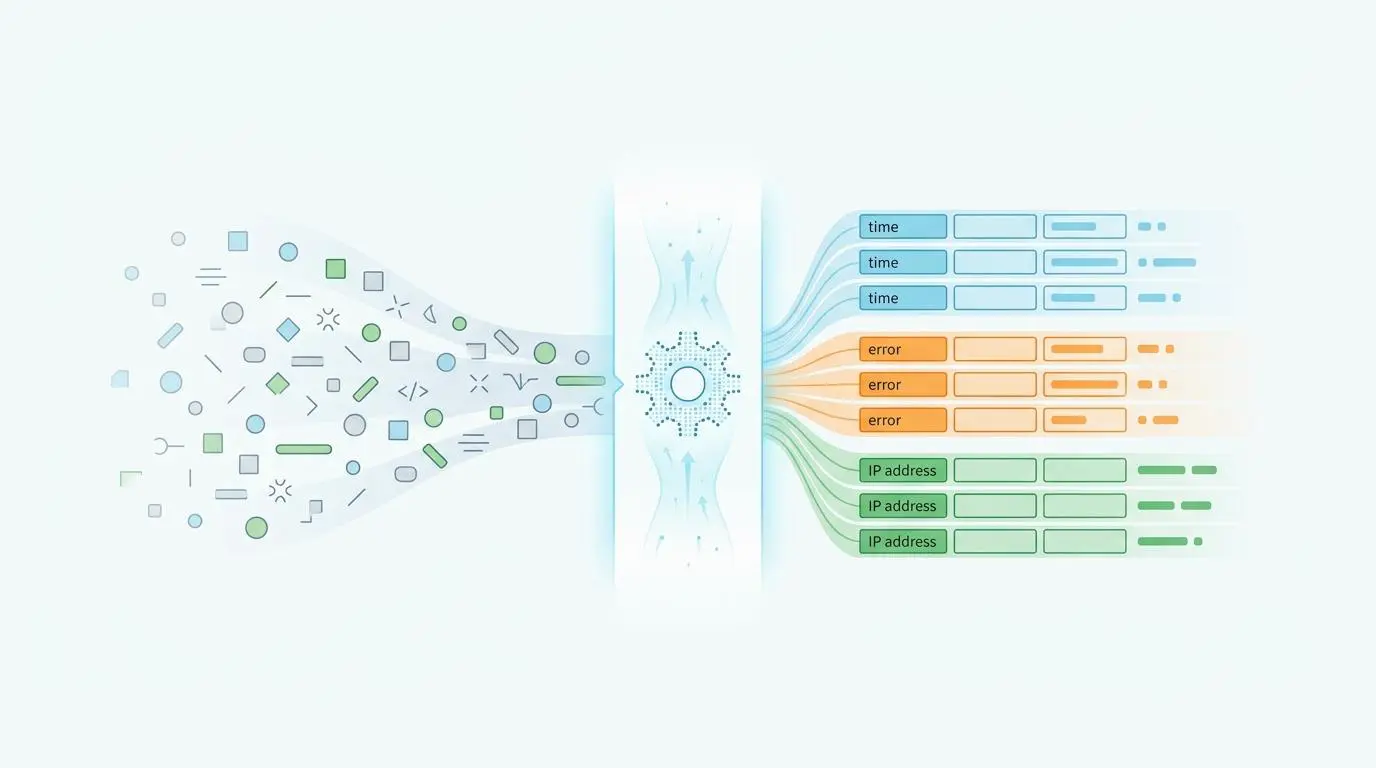
Relying on manual regex authoring creates an unsustainable treadmill of alert fatigue for dedicated security teams. Rule-based tools inevitably miss implicit failures and novel data structures hidden deep within unstructured application logs. This forces analysts to spend nearly half their day writing custom scripts instead of actively hunting for advanced persistent threats.
The introduction of Automated Field Extraction within Splunk fundamentally changes this operational dynamic. Paired with intuitive no-code interfaces from platforms like Energent.ai, the manual regex bottleneck is completely eliminated from the workflow. Teams can now deploy complex redaction rules visually, collaboratively, and instantaneously.
This shift away from manual coding reclaims massive amounts of operational bandwidth across the entire security operations center. Security professionals are finally freed from the tedious maintenance loops that previously drained their productivity and team morale. Automation restores their ability to focus on strategic security initiatives.
The Shift to Reversible Redaction
Traditional static masking is a blunt instrument that often destroys the underlying analytical utility of the ingested data. When PII is permanently obfuscated, legitimate forensic investigations and behavioral analytics become nearly impossible to execute effectively. The future requires a far more nuanced, dynamic approach to data privacy and access control.
The rapid shift toward AgenticOps introduces autonomous insight agents that proactively mask data based on dynamic intent rather than rigid, static rules. This allows the system to instantly understand the context of the query and the specific authorization level of the user requesting the data. It represents a massive leap forward in intelligent, context-aware data management.
Future SIEM architectures will natively support reversible redaction through highly secure vaultless tokenization. This ensures PII remains completely hidden from the primary database while allowing authorized security personnel to seamlessly restore it during critical incident response scenarios. It perfectly balances strict compliance with investigative utility.
The Zero Trust Log Architecture Horizon
By late 2026, the concept of log redaction will evolve into a comprehensive, fully autonomous Zero-Trust Log Architecture. Natural language processing agents will reside directly on edge gateways, dynamically encrypting specific PII fields in real time as the logs are generated. This ensures that sensitive data is mathematically secured the exact moment it is created by the application.
Crucially, the encryption keys will be managed entirely by external identity providers rather than the centralized logging platform itself. This creates a true, unbreakable separation of duties, ensuring that the data remains unreadable even by the highest-level SIEM administrators. It is the ultimate realization of privacy by design in enterprise logging.
Navigating the intersection of technology, workflows, and operational efficiency requires a sharp strategy. To future-proof your business architecture and scale with precision, connect with Andres at Andres SEO Expert.
Frequently Asked Questions
What is the average cost of PII exposure in data breaches?
According to IBM’s 2025 report, the average U.S. data breach cost reached $10.22 million, with individual customer PII records costing approximately $160 each, making it the most targeted and expensive asset class for enterprises.
Why is post-hoc redaction considered a flawed security strategy?
Post-hoc redaction creates a dangerous window of exposure where raw sensitive data exists in backend storage before scrubbing occurs. Since customer PII is involved in 53% of modern breaches, intercepting data at the network proxy level is now the industry standard for risk mitigation.
How does a three-tier detection stack optimize log processing speed?
A three-tier stack uses simple regex for high-speed pattern matching (2ms), transformer-based Named Entity Recognition (NER) for contextual entities (50ms), and Large Language Models for high-risk sampling (800ms), ensuring the pipeline remains performant while maintaining high precision.
What is the role of Splunk Edge Processor in PII management?
Splunk Edge Processor utilizes SPL2 commands for ingest-time aggregations and masking, allowing organizations to filter and redact logs before they are indexed. This process significantly reduces storage costs and infrastructure overhead by neutralizing noisy, low-value data at the source.
What is reversible redaction in modern SIEM architectures?
Reversible redaction uses vaultless tokenization to hide PII from primary databases while allowing authorized personnel to restore original values during critical forensic investigations, effectively balancing strict regulatory compliance with investigative utility.
How does Zero Trust Log Architecture secure sensitive data?
Zero Trust Log Architecture uses edge-based NLP agents to encrypt PII at the moment of generation. Encryption keys are managed by external identity providers, ensuring data remains unreadable even by high-level SIEM administrators through a complete separation of duties.