Key Points
- Implementing a Real-time Product-Led Growth (PLG) Telemetry Sync via Reverse ETL eliminates Intent Decay by triggering immediate sales actions when product usage peaks.
- Bypassing traditional SQL pipelines allows operations teams to map Segment events directly to HubSpot Dual-Model lead scoring for instant qualification.
- Aggregated Event Mapping prevents HubSpot API throttling by syncing only high-value milestones to save up to 18 engineering hours per week on pipeline maintenance.
Table of Contents
- The Invisible Cost of Intent Decay
- Quantifying the PLG Momentum Shift
- Bridging the Data Silo Gap
- Building Live Pipelines Without SQL
- Modernizing Engagement Metrics
- Fueling Autonomous AI Prospecting
- Navigating API Limits and Throttling
- Eliminating the GTM Engineering Tax
- The Dawn of Semantic Telemetry Mapping
The Invisible Cost of Intent Decay
Imagine being a top-tier sales representative who just noticed a user adding their fifth teammate to a trial account.
By the time you dial the number 48 hours later, the user’s initial excitement has faded. A competitor has likely already booked a demo.
This agonizing 64% drop in conversion potential is known as Intent Decay. It is a frustrating phenomenon that plagues modern sales teams relying on batch data updates.
The ultimate solution lies in implementing a Real-time Product-Led Growth (PLG) Telemetry Sync via Reverse ETL.
By pushing live usage data directly from Segment to HubSpot, revenue teams can strike exactly when user intent peaks.
Quantifying the PLG Momentum Shift
Market Intelligence & Data
PQL Conversion Superiority
According to a 2026 GTM 8020 report, Product Qualified Leads (PQLs) driven by real-time usage data convert at 25%, compared to just 9% for traditional Marketing Qualified Leads (MQLs).
Real-Time Data Adoption
A 2026 study by Digital DI Consultants found that 75% of high-growth B2B organizations have prioritized real-time data enrichment to improve sales agility.
Lead Gen ROI Boost
Implementing automated, usage-based lead scoring can increase lead generation ROI by as much as 138% by focusing resources on high-intent accounts, per a 2025 report from Pixcell.io.
Sales Productivity Lift
Teams leveraging AI-powered telemetry automation report a 30% increase in actual selling time by eliminating manual lead research, according to The Crunch’s 2026 CRM analysis.
Product Qualified Leads fundamentally outperform traditional marketing signals because they are rooted in actual software usage rather than theoretical interest. When sales teams leverage real-time telemetry, they see a massive 25% conversion rate from PQLs compared to a dismal 9% for legacy MQLs. This shift proves that tracking user actions is far more lucrative than monitoring email opens.
The modern B2B landscape is highly competitive, pushing 75% of high-growth organizations to prioritize real-time data enrichment. These market leaders understand that batch updates are no longer sufficient for agile sales environments. They actively deploy reverse ETL strategies to turn ‘dead’ warehouse data into ‘live’ CRM triggers.
Focusing sales resources exclusively on high-intent accounts creates a compounding effect on pipeline efficiency. By automating usage-based lead scoring, revenue teams can realize a staggering 138% boost in lead generation ROI. This operational pivot forced a global migration toward HubSpot’s new lead scoring frameworks that prioritize actual engagement over static firmographics.
Manual lead research is a notorious productivity killer that keeps talented sales professionals buried in spreadsheets. Implementing AI-powered telemetry automation reclaims this lost time, delivering a 30% increase in actual selling hours. Reps can finally abandon data reconciliation and focus entirely on closing deals with highly engaged power users.
Bridging the Data Silo Gap

Sales reps navigating the modern landscape are frequently blinded by a massive operational blind spot known as the Data Silo Gap.
Product teams rigorously track highly valuable events in Segment, such as a user adding a fifth teammate or hitting a usage threshold. Unfortunately, HubSpot often only reflects static, outdated demographic data that provides zero context.
This disconnect forces representatives to waste precious hours on low-intent cold calls. Meanwhile, actual power users who are actively hitting value thresholds inside the application are completely ignored.
The manual export-import cycle between data warehouses and CRMs creates a severe latency barrier. This disjointed process effectively kills any Product-Led Growth momentum before a sales conversation can even begin.
Building Live Pipelines Without SQL
Modern technology stacks have evolved far beyond traditional, unidirectional data pipelines.
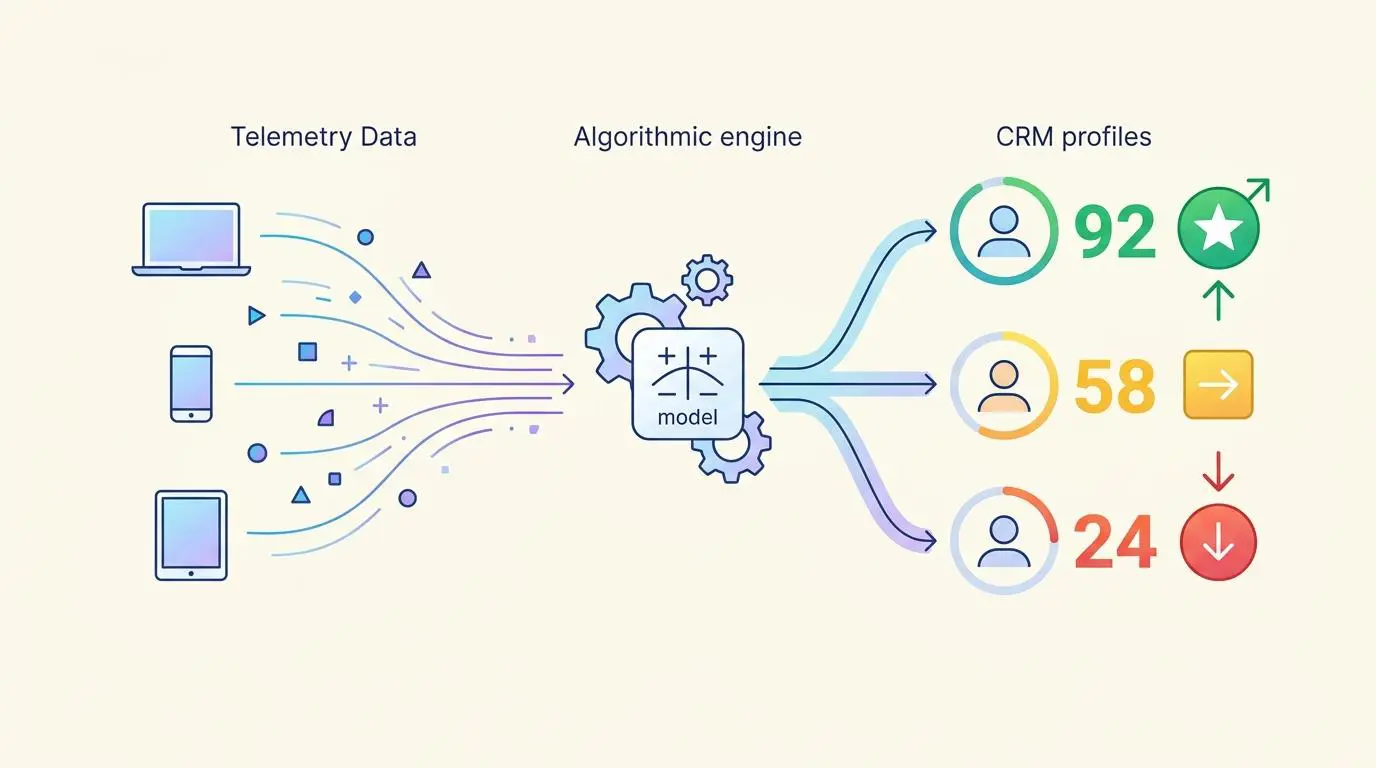
Today, operations teams utilize advanced features like Segment Linked Audiences and Reverse ETL to push event-level telemetry directly into HubSpot. This direct integration bypasses the historical need for engineering-heavy SQL pipelines.
Revenue operations professionals can now map critical product events directly to custom contact properties in a matter of minutes.
Traditional ETL processes only move data one way, typically from an application into a central warehouse. Reverse ETL flips this paradigm, ensuring that critical milestones instantly update the CRM to trigger immediate sales workflows.
Modernizing Engagement Metrics
The landscape of lead qualification experienced a seismic shift with HubSpot’s recent lead scoring overhaul.
The platform retired legacy scoring systems in favor of a sophisticated Dual-Model that separates demographic fit from actual product engagement. By feeding Segment telemetry into this new model, marketers can automatically score leads based on their velocity of usage.
A user triggering ten events per day is now accurately weighted five times higher than a user logging in once a week.
Static lead scoring models notoriously failed because they incorrectly prioritized executives who never actually logged into the software. The new telemetry-driven approach ensures sales teams focus on the end-users who actively champion the product internally.
Fueling Autonomous AI Prospecting
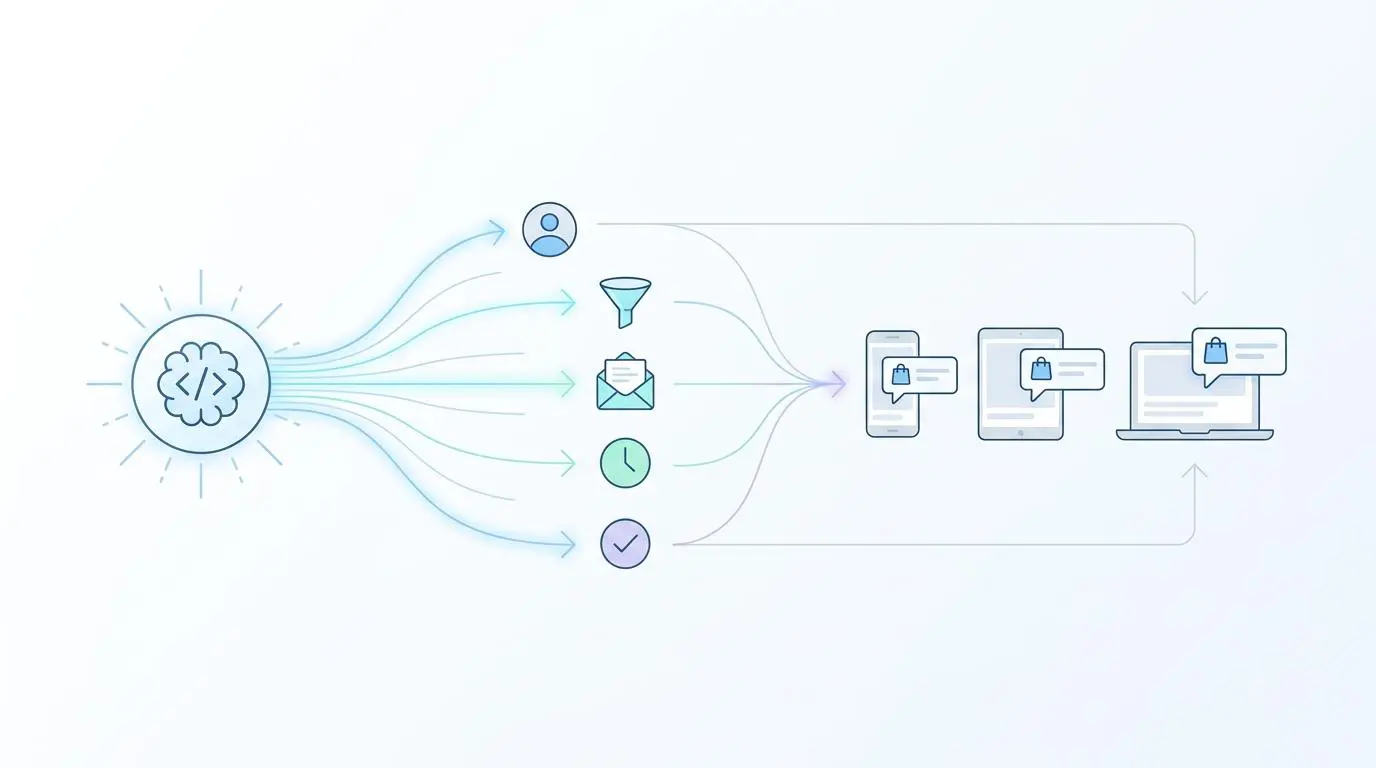
The introduction of HubSpot Breeze Agents has completely transformed how sales teams interact with incoming product data.
These AI agents utilize real-time Segment telemetry as contextual fuel to drive highly personalized outreach. When a user hits a specific product milestone, a Breeze Prospecting Agent can instantly and autonomously draft a customized email.
This communication directly references the exact feature the prospect just used, sending it to the rep for final approval.
This level of hyper-personalization at scale is impossible to achieve manually. Human sales development representatives simply cannot monitor thousands of trial accounts simultaneously for micro-intent signals.
Navigating API Limits and Throttling
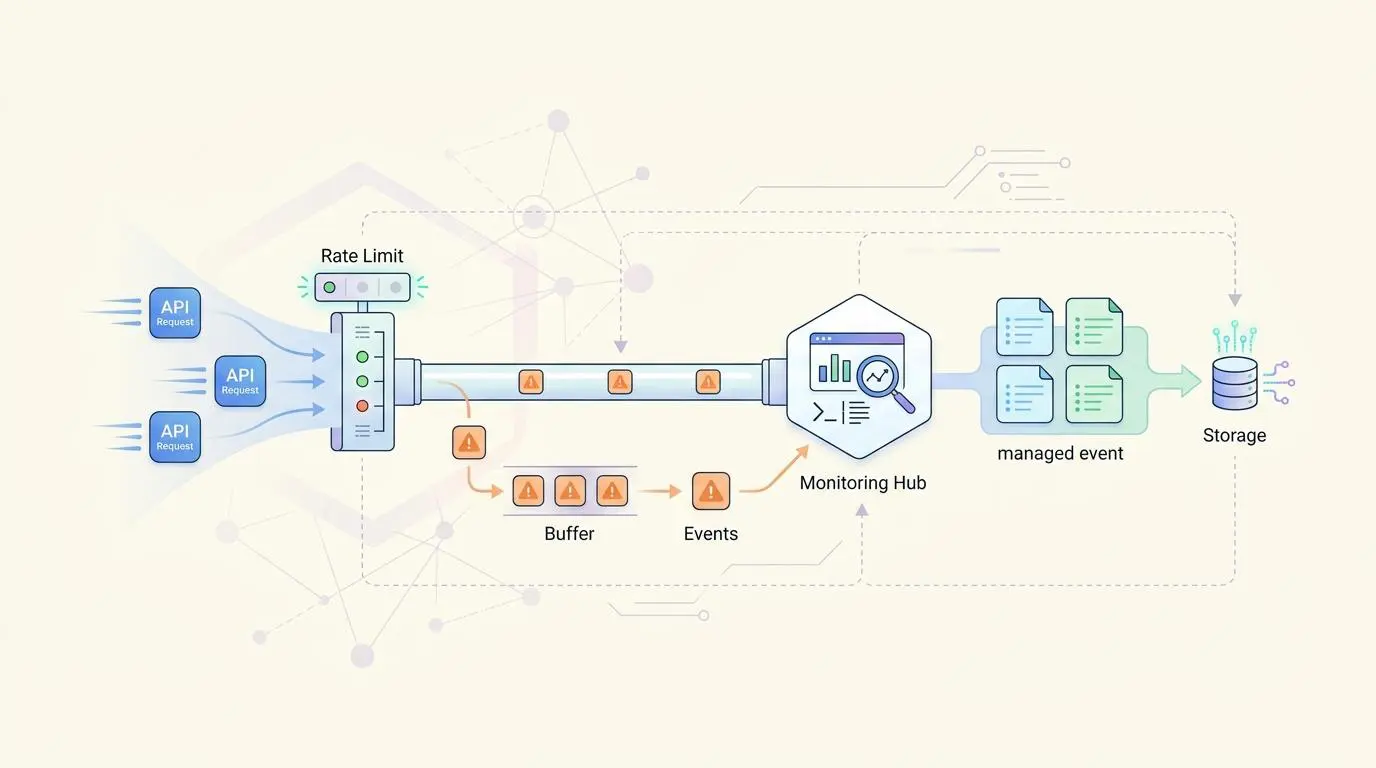
While real-time synchronization is powerful, a major bottleneck emerges when high-volume telemetry triggers HubSpot API rate limits.
Attempting to track every single button click or page view can quickly overwhelm the CRM infrastructure. Best practices now mandate a strategy known as Aggregated Event Mapping to preserve API bandwidth.
Instead of streaming raw event firehoses, teams only send high-level, critical milestones to the CRM.
Over-syncing raw data inevitably leads to severe API throttling. This causes critical lead scoring updates to lag or fail entirely during peak traffic periods, defeating the purpose of real-time architecture.
Eliminating the GTM Engineering Tax
Automated telemetry-to-CRM syncs effectively remove the massive Go-To-Market Engineering Tax that burdens modern software companies.
Revenue teams no longer need to submit IT tickets just to update a lead scoring parameter. Companies utilizing low-code reverse ETL tools report saving an average of 14 to 18 engineering hours every single week.
This reclaimed time can be redirected toward building core product features rather than maintaining fragile pipeline integrations.
Manual data reconciliation for quarterly business reviews and sales handoffs is a hidden productivity killer. Automating these data flows ensures growth teams operate with absolute confidence in their CRM data integrity.
The Dawn of Semantic Telemetry Mapping
The next evolution of product-led growth architecture is Semantic Telemetry Mapping.
Large Language Models will soon interpret raw, inconsistently named event logs from Segment and automatically map them to relevant business goals in HubSpot. This advancement will eliminate the need for manual property mapping entirely, creating truly self-healing data pipelines.
Revenue operations will shift from managing data logistics to designing pure conversion strategies.
Navigating the intersection of technology, workflows, and operational efficiency requires a sharp strategy. To future-proof your business architecture and scale with precision, connect with Andres at Andres SEO Expert.
Frequently Asked Questions
What is Intent Decay in PLG sales?
Intent Decay refers to the rapid decline in a prospect’s interest and conversion potential—often dropping by 64%—when sales teams fail to respond immediately to high-value product actions. This phenomenon is usually a result of data latency caused by batch data updates rather than real-time telemetry.
Why do Product Qualified Leads (PQLs) convert better than MQLs?
PQLs convert at a rate of 25% compared to just 9% for traditional Marketing Qualified Leads (MQLs) because they are based on actual software usage and feature adoption. This real-time behavioral data is a much stronger indicator of purchase intent than static signals like email opens.
How does Reverse ETL benefit HubSpot revenue teams?
Reverse ETL allows operations teams to push live usage data from warehouses or platforms like Segment directly into HubSpot contact properties. This turns ‘dead’ historical data into ‘live’ CRM triggers, enabling sales reps to engage users exactly when their product interaction peaks.
What is the HubSpot Dual-Model lead scoring approach?
The Dual-Model lead scoring system separates demographic fit from actual product engagement velocity. By syncing telemetry data, HubSpot can weight a user who triggers ten events per day five times higher than a user who logs in once a week, ensuring sales focuses on active champions.
How do HubSpot Breeze Agents use product telemetry?
HubSpot Breeze Agents utilize real-time Segment telemetry as fuel for autonomous prospecting. When a user hits a specific product milestone, the AI agent can instantly draft a personalized email referencing the exact feature used, scaling hyper-personalization without manual effort.
What is Aggregated Event Mapping and why is it used?
Aggregated Event Mapping is a strategy used to prevent HubSpot API rate limits and throttling. Instead of streaming every minor raw event, teams only send high-level, critical product milestones to the CRM, preserving bandwidth for essential lead scoring and workflow triggers.
How much engineering time is saved by automating telemetry syncs?
Companies utilizing low-code reverse ETL tools to automate telemetry-to-CRM syncs report saving an average of 14 to 18 engineering hours per week. This eliminates the ‘GTM Engineering Tax’ and allows developers to focus on core product features instead of manual data plumbing.