Key Points
- Shift from Rigid to Agile: Digital Process Automation (DPA) replaces inflexible legacy BPM systems by focusing on seamless customer experiences and cross-platform data integration.
- Rise of Agentic AI: Modern automation relies on intelligent agents capable of reasoning through exceptions and unstructured data without requiring constant human intervention.
- Democratization of Development: Low-code visual interfaces empower business analysts to build and deploy complex workflows, eliminating the traditional IT bottleneck and accelerating ROI.
Table of Contents
The Invisible Tax of Manual Glue
The hidden tax of modern enterprise operations is the invisible labor spent bridging disconnected systems. Traditional Business Process Management focused too heavily on internal efficiency and rigid back-office flows. This left a massive experience gap where customer-facing digital touchpoints were completely disconnected from core business logic.
Digital Process Automation acts as the ultimate solution to modernize and scale these broken operations. Instead of relying on rigid, monolithic frameworks, this modern architecture weaves disparate applications together into a seamless ecosystem. It ensures data flows instantly from the customer interface straight into the deepest backend databases.
The Data Behind the Automation Shift
Market Intelligence & Data
DPA Adoption Rate
According to a 2025 Forrester Research report, 72% of Global 2000 enterprises have officially transitioned from legacy BPM to DPA to support customer-centric digital transformation.
Operational Cost Reduction
Gartner’s 2026 Strategic Roadmap indicates that organizations implementing AI-enhanced DPA have achieved an average 45% reduction in operational costs by automating unstructured data processing.
Total Addressable Market
IDC reported in late 2025 that the global market for DPA software and services reached $15.4 billion, driven by the urgent need for cross-platform integration.
Citizen Developer Contribution
The 2025 Mendix State of Low-Code report found that 65% of new DPA-based business applications are now built by non-IT staff using low-code tools.
The 72% adoption rate highlights a massive paradigm shift away from rigid, monolithic back-office systems. Companies are realizing that customer-centric digital transformation requires agile, interconnected workflows. This transition proves that legacy frameworks can no longer keep up with modern consumer demands.
Achieving a 45% reduction in operational costs is directly tied to the ability to process unstructured data autonomously. As organizations deploy these advanced AI agents, establishing proper enterprise multi-agent AI governance becomes essential to maintain compliance and security. This ensures that automated decisions remain transparent and aligned with corporate standards.
A $15.4 billion total addressable market proves that cross-platform integration is no longer a luxury, but a survival metric. Enterprise leaders are heavily investing in solutions like Appian’s digital process automation platform to bridge the gap between legacy databases and modern cloud applications. This massive financial commitment underscores the urgent need for scalable workflow infrastructure.
The fact that 65% of new applications are built by citizen developers represents a fundamental democratization of technology. By removing the traditional IT bottleneck, business analysts can instantly deploy workflow solutions that directly impact daily operations. This empowers the people closest to the problem to engineer their own solutions.
Eradicating the Swivel-Chair Dilemma
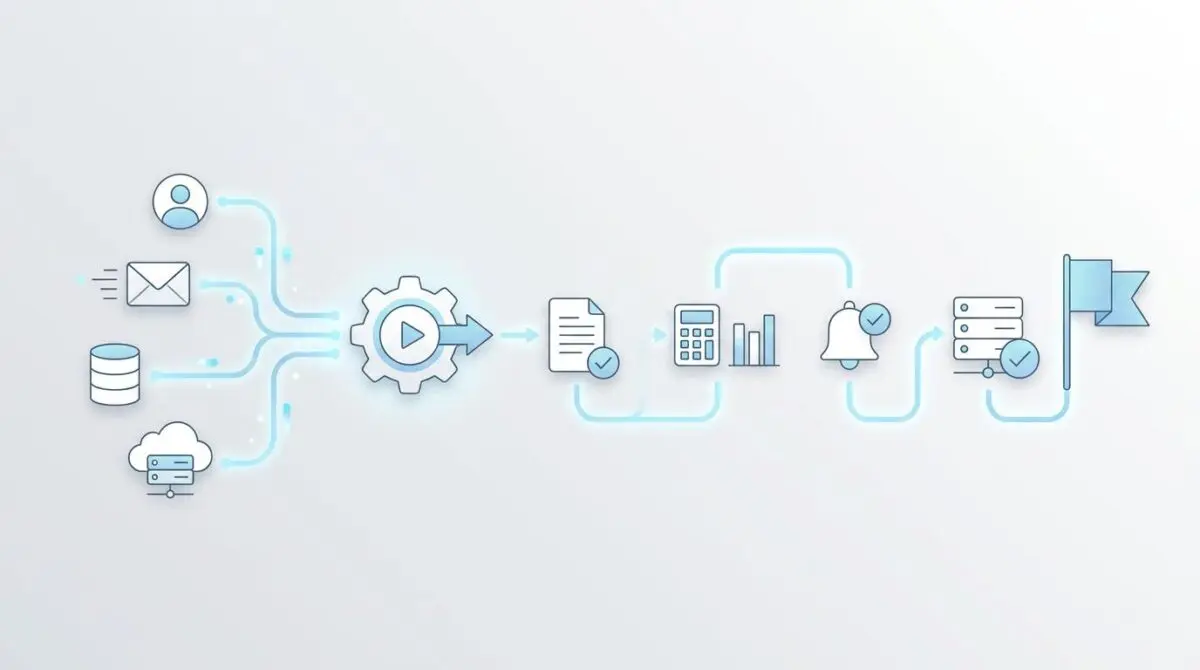
Most businesses suffer from a condition known as manual glue, where human employees act as the bridge between disconnected applications. Workers spend countless hours manually moving data between enterprise platforms and legacy spreadsheets. This creates a fragile operational environment where a single typo can derail an entire customer journey.
This friction manifests as the swivel-chair effect, where employees waste up to 30% of their day re-entering the exact same data into multiple systems. It is an exhausting, error-prone cycle that drains productivity and morale. The sheer volume of redundant data entry prevents teams from focusing on high-value strategic initiatives.
Modern automation platforms eliminate this friction by ensuring data moves seamlessly without human intervention. By connecting APIs and automating data hand-offs, these systems create a single source of truth across the entire organization. The result is a fluid, error-free operational pipeline that scales effortlessly.
The Rise of Agentic Automation
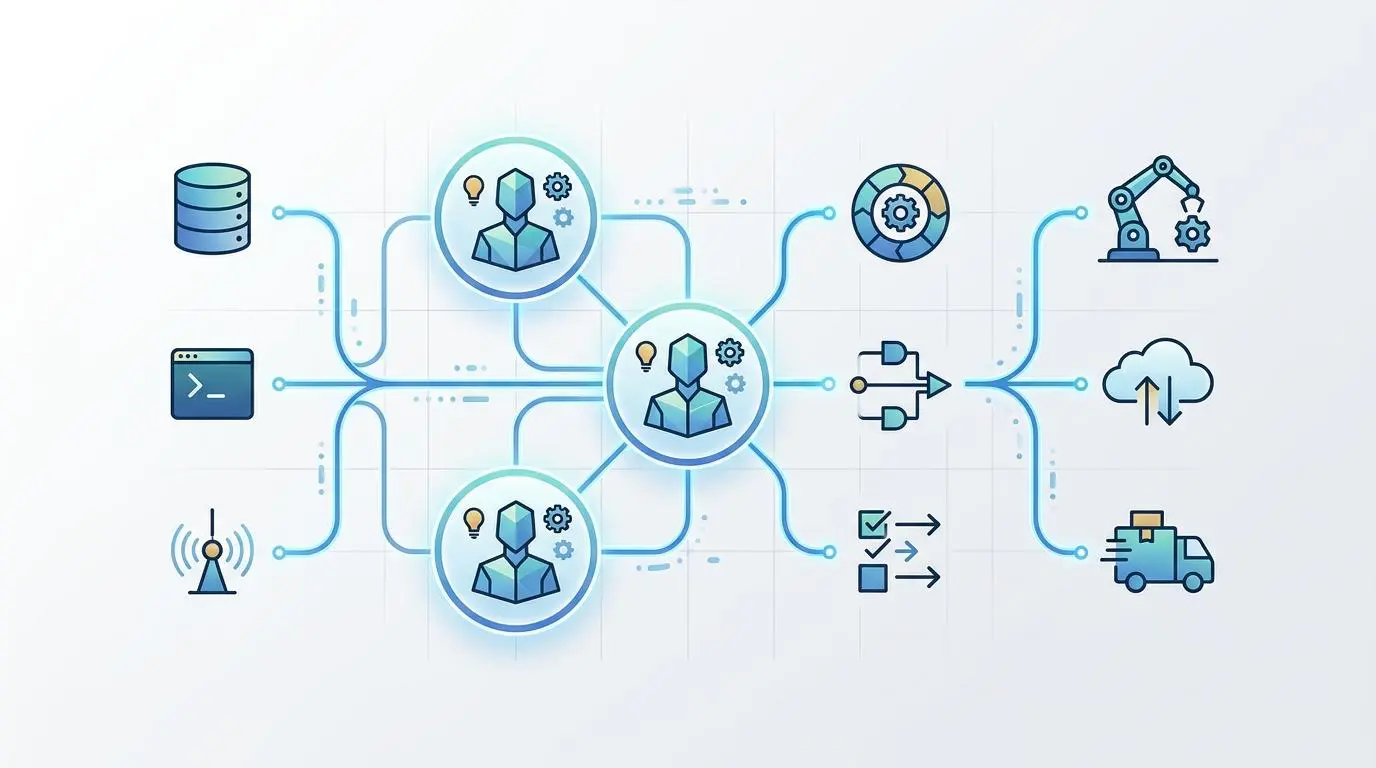
By mid-2026, the landscape of workflow management has evolved into what industry leaders call agentic automation. Leading enterprise tools now utilize advanced LLM-based agents to drive efficiency. These intelligent systems do not just follow a rigid set path; they can actively reason through process exceptions and unstructured data in real-time.
Historically, rigid automation scripts would break the moment they encountered a document format they did not recognize. This fragility required constant manual human repair, defeating the entire purpose of the automation. Agentic systems solve this by adapting on the fly, dynamically adjusting their logic to process unfamiliar inputs seamlessly.
Recent industry studies reveal that shadow AI has become a major driver for this technological adoption. Astonishingly, 41% of business users are now building their own unmanaged automation micro-tasks using local LLMs. This grassroots movement is forcing IT departments to implement robust governance frameworks much faster than originally planned.
Democratizing Logic with Visual Interfaces
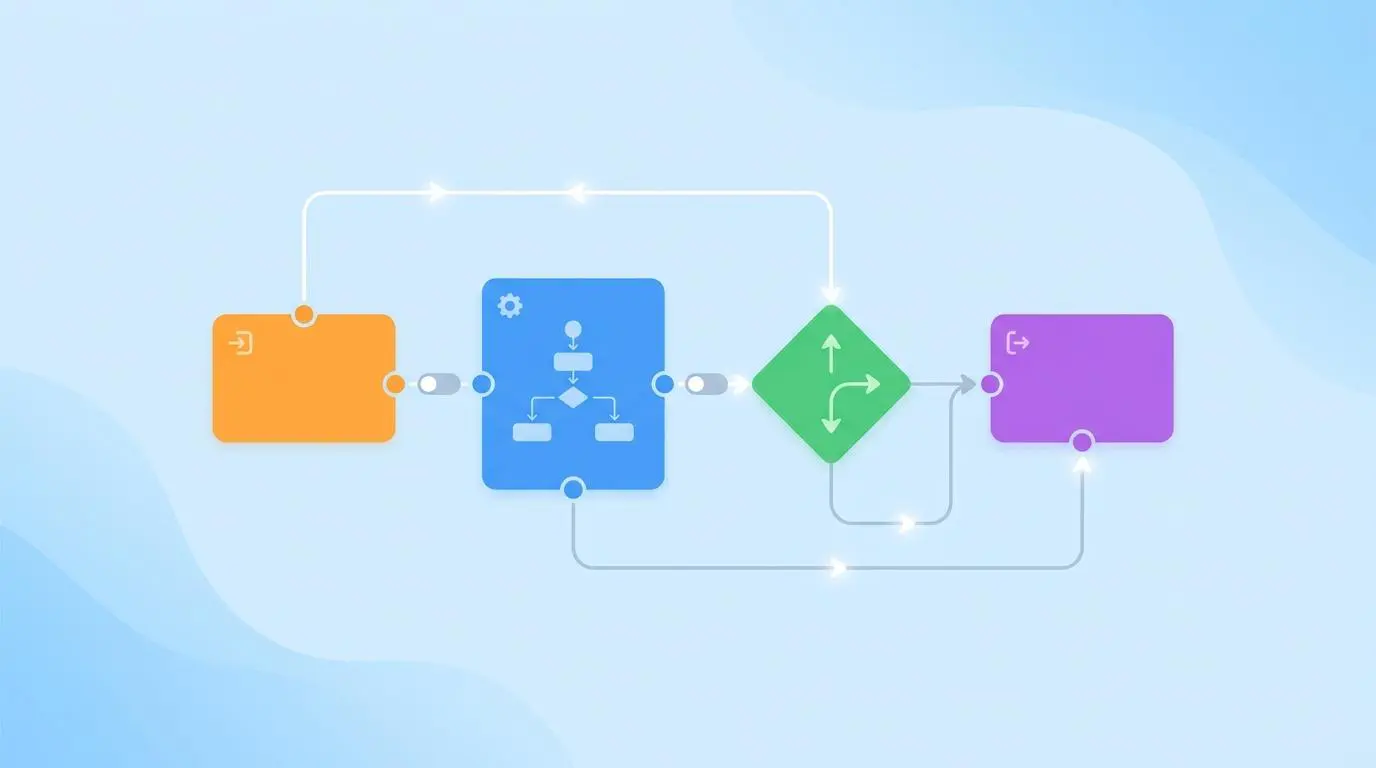
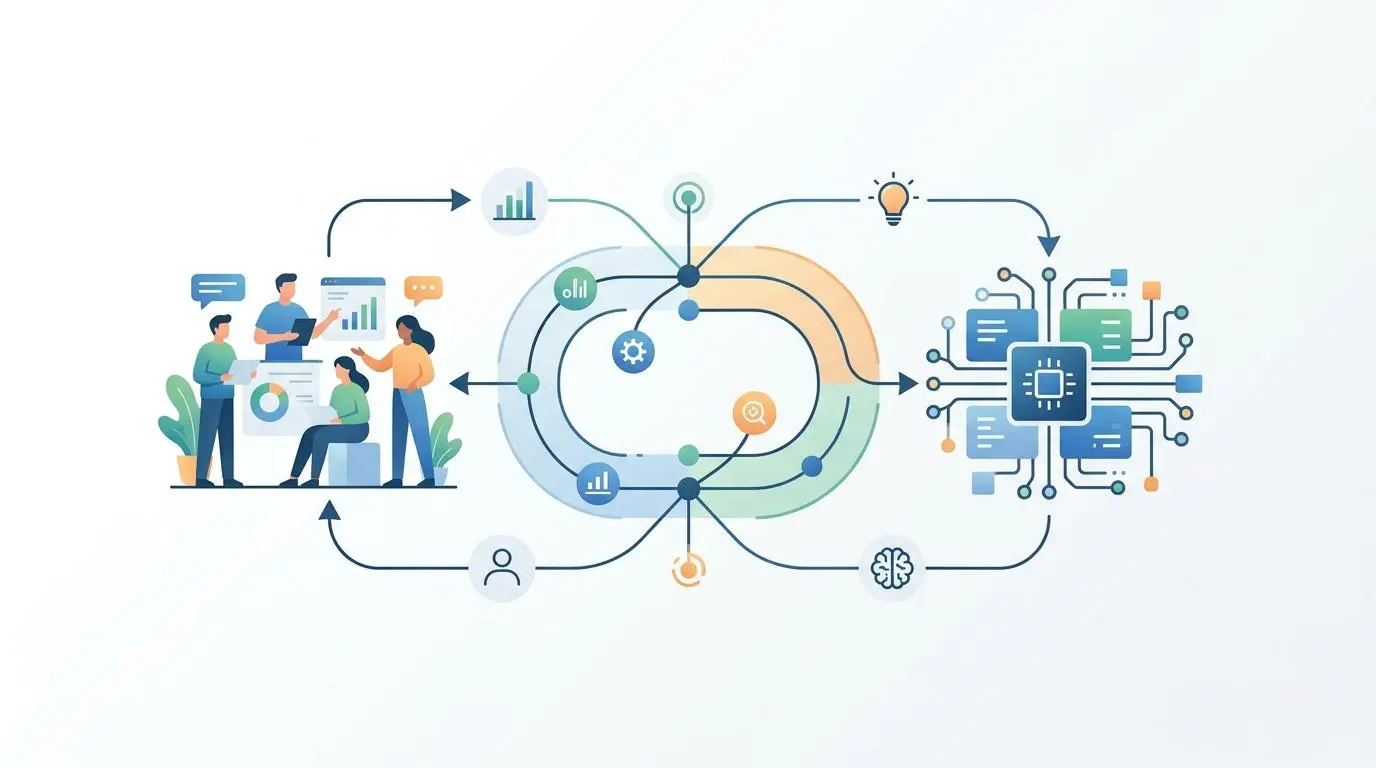
The shift toward modern automation is heavily defined by the rise of low-code and no-code interfaces. Advanced platforms allow business analysts, not just highly trained developers, to build complex workflows. They achieve this using intuitive, drag-and-drop visual logic that requires zero traditional programming knowledge.
This democratization completely eliminates the infamous IT bottleneck that has plagued enterprises for decades. In the past, business units would wait six to twelve months for developers to code a simple workflow change. Now, process owners can map out and deploy new logic in a matter of hours.
By placing the power of development directly into the hands of operational leaders, companies achieve unprecedented agility. Teams can rapidly prototype, test, and refine customer-facing processes in real-time. This dynamic approach ensures the business can pivot instantly in response to shifting market demands.
Accelerating ROI on Revenue-Driving Workflows
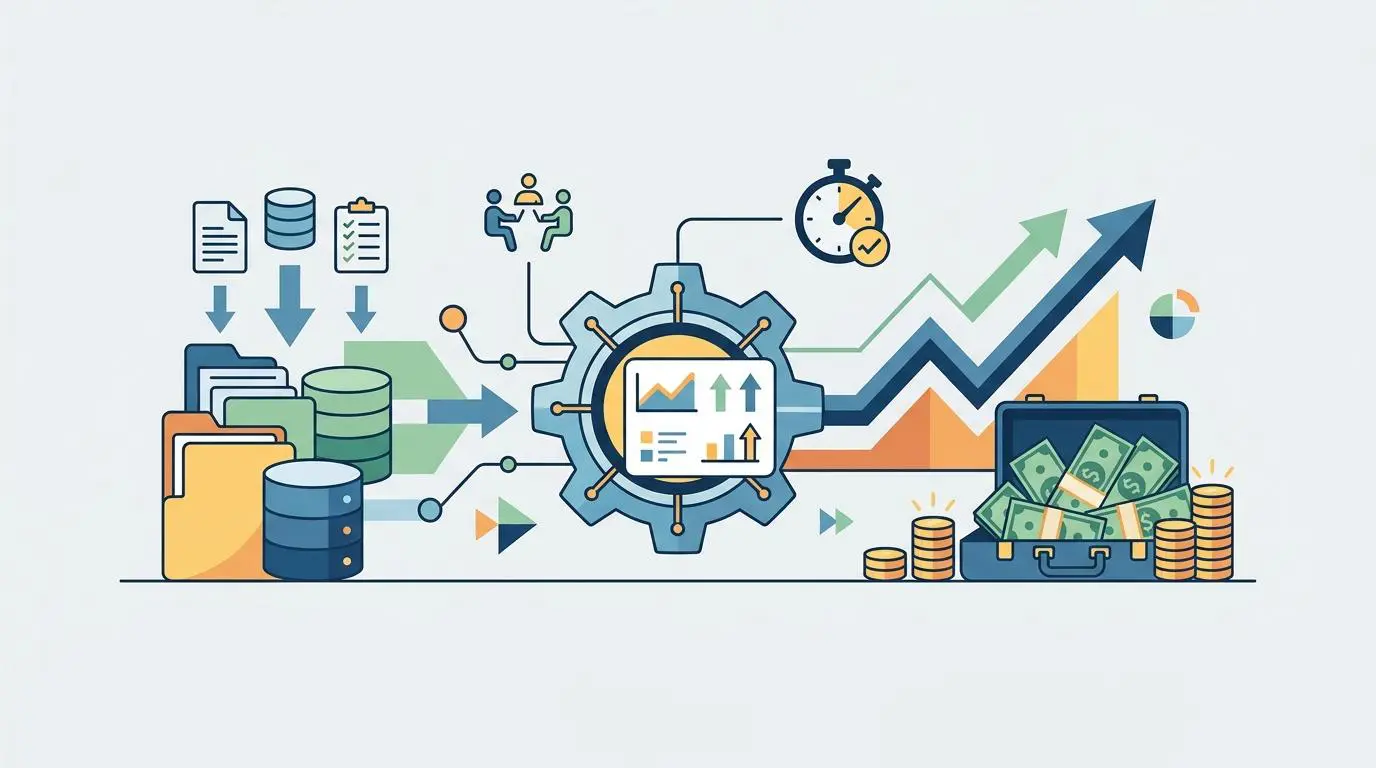
Modern workflow platforms provide a significantly faster return on investment than traditional, heavy-handed management systems. They achieve this by focusing on shallow processes that immediately impact revenue generation. Examples include accelerating loan approvals or streamlining customer onboarding experiences.
Traditional systems often required decade-long core system overhauls that drained budgets before delivering any tangible value. Organizations were left drowning in high technical debt from maintaining legacy monolithic software. Often, these outdated systems cost more to patch and secure than the actual business value they provided.
By targeting high-impact, customer-facing touchpoints first, agile automation strategies deliver immediate financial wins. This rapid time-to-value allows companies to reinvest their savings into deeper, more complex digital transformation efforts. It is a compounding cycle of efficiency that continuously drives enterprise growth.
Empowering the Human-in-the-Loop
Modern automation tools are designed to augment human intelligence rather than completely replace it. They utilize digital co-pilots that actively guide employees through highly complex, multi-step tasks. This creates a powerful human-in-the-loop ecosystem where technology and human intuition work in perfect harmony.
In this optimized environment, the software handles the vast majority of the repetitive, data-heavy workload autonomously. The system only pauses to flag a human operator for critical ethical, strategic, or nuanced decisions. This ensures that high-stakes choices remain firmly in the hands of experienced professionals.
This collaborative approach directly combats employee burnout caused by repetitive, low-value cognitive labor. By removing the mundane tasks that drain morale and productivity, workers are freed to engage in creative problem-solving. The workforce transforms from manual data processors into strategic business operators.
The Dawn of Self-Healing Workflows
By late 2026, the enterprise landscape will be dominated by the rise of self-healing workflows. Advanced platforms will use predictive analytics to identify potential process bottlenecks before they ever occur. These intelligent systems will autonomously re-route tasks to available resources or alternative API endpoints to prevent operational failure.
This visionary leap means that digital infrastructure will become entirely self-sustaining and infinitely scalable. Businesses will no longer react to system crashes; their architecture will anticipate and neutralize threats in real-time. The era of manual workflow maintenance is rapidly coming to an end.
Navigating the intersection of modern technology, software architecture, and business growth requires a sharp strategy. To future-proof your tech stack and scale with precision, connect with Andres at Andres SEO Expert.
Frequently Asked Questions
What is Digital Process Automation (DPA) and how does it differ from legacy BPM?
Digital Process Automation (DPA) focuses on modernizing customer-centric workflows by connecting disparate applications into a seamless ecosystem. Unlike traditional Business Process Management (BPM), which focuses on rigid internal back-office flows, DPA is designed for agility, cross-platform integration, and scaling digital touchpoints.
What is the swivel-chair dilemma in modern business operations?
The swivel-chair dilemma refers to manual glue where employees act as the bridge between disconnected systems, wasting up to 30% of their day re-entering the same data into multiple platforms. This manual process creates operational fragility, increases the risk of errors, and drains overall team productivity.
How does agentic automation differ from traditional automation scripts?
Traditional automation scripts are rigid and break when they encounter unfamiliar data formats or process exceptions. Agentic automation utilizes advanced LLM-based agents that can reason through unstructured data and dynamically adjust their logic in real-time to handle exceptions without human intervention.
Why is the rise of citizen developers important for enterprise growth?
Citizen developers use low-code and no-code tools to build complex workflows, which removes the traditional IT bottleneck. By empowering the people closest to the operational problems to engineer their own solutions, companies can deploy new business logic in hours rather than months.
What are the financial benefits of implementing AI-enhanced DPA?
According to market intelligence, organizations implementing AI-enhanced DPA achieve an average 45% reduction in operational costs. By targeting revenue-driving workflows like loan approvals and customer onboarding, enterprises see a faster return on investment compared to traditional monolithic system overhauls.
What is a self-healing workflow in an enterprise environment?
A self-healing workflow uses predictive analytics to identify potential process bottlenecks or system failures before they happen. These intelligent systems autonomously re-route tasks to available resources or alternative API endpoints, creating a self-sustaining and infinitely scalable digital infrastructure.