Executive Summary
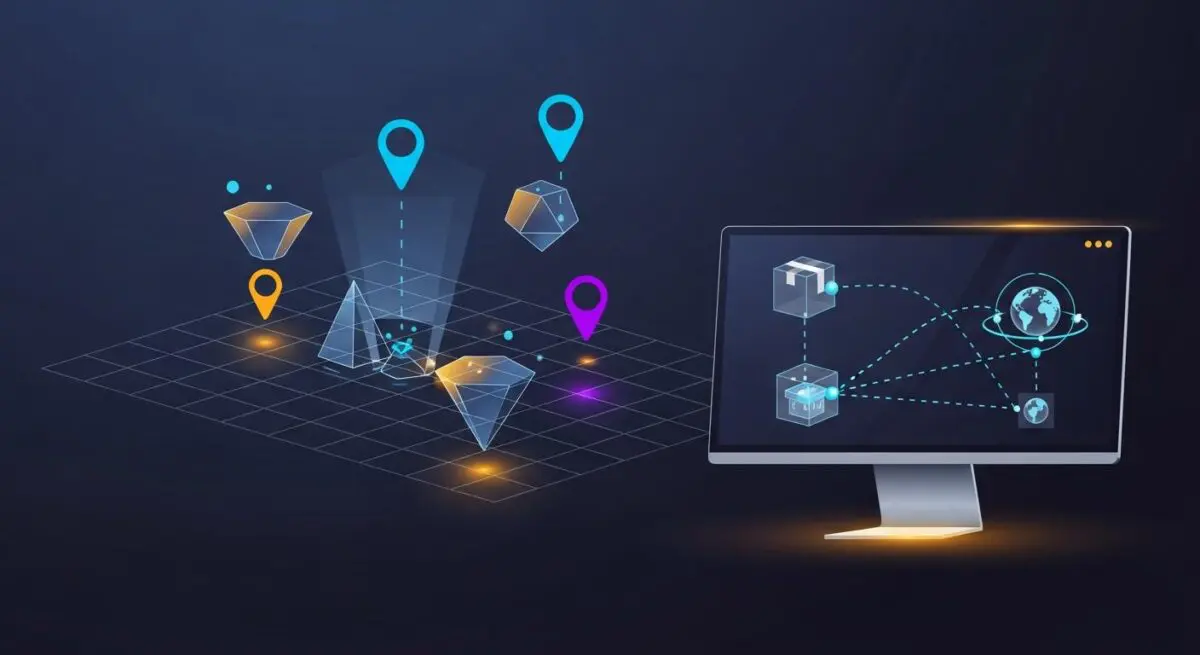
- Spatial Computing Foundations: AR relies on Simultaneous Localization and Mapping (SLAM) and computer vision to synchronize digital overlays with physical environments.
- Friction Reduction: Technical implementation of AR reduces the cognitive load on consumers by providing real-time, 3D product visualizations that lower return rates.
- GEO and Local SEO: AR assets are increasingly critical for Generative Experience Optimization, influencing how AI search engines interpret physical locations and objects.
What is Augmented Reality (AR)?
Augmented Reality (AR) is a sophisticated field of spatial computing that involves the real-time integration of computer-generated perceptual information with the user’s physical environment. Unlike Virtual Reality (VR), which replaces the physical world with a simulated one, AR enhances the existing environment by overlaying digital data, such as 3D models, text, or haptic feedback, onto the real world.
The technical architecture of AR requires a complex stack of hardware and software, including sensors, processors, and specialized display technologies. At its core, AR systems utilize computer vision and depth-sensing algorithms to perform spatial mapping, ensuring that digital objects remain anchored to specific coordinates in physical space even as the user moves.
In the modern enterprise tech stack, AR serves as a critical interface for data visualization and remote assistance. It bridges the gap between abstract data silos and physical operations, allowing for more intuitive interactions with complex systems in sectors ranging from logistics to high-end retail.
The Real-World Analogy
Think of Augmented Reality as a high-tech, transparent architectural blueprint that aligns perfectly with a physical construction site. Instead of looking back and forth between a paper map and the ground, the architect sees the digital lines for plumbing and electrical systems projected directly onto the dirt and concrete.
This allows the professional to identify potential conflicts or structural requirements before a single brick is laid. It transforms static information into a functional, interactive layer that exists exactly where the work is being performed.
How Augmented Reality (AR) Drives Strategic Growth & Market Competitiveness?
AR drives strategic growth by significantly reducing the friction inherent in the traditional buyer’s journey. By enabling “try-before-you-buy” experiences through mobile devices or AR glasses, brands can drastically lower Customer Acquisition Costs (CAC) and product return rates, which directly improves the bottom line.
From a data perspective, AR provides a new dimension of user telemetry that was previously inaccessible. Marketers and developers can analyze how users interact with digital assets in physical space, providing insights into spatial preferences and product engagement levels that standard web analytics cannot capture.
Furthermore, AR is becoming a cornerstone of Generative Experience Optimization (GEO). As search engines evolve to understand the physical world through camera-based search, having optimized 3D assets and AR-ready content ensures that a brand remains visible in the next generation of spatial search results.
Strategic Implementation & Best Practices
- Optimize Asset Fidelity: Ensure all 3D models are exported in high-performance formats like USDZ or GLB to maintain high frame rates and prevent latency-induced user churn.
- Prioritize WebAR: Implement web-based AR solutions to eliminate the friction of app downloads, allowing users to access AR experiences directly through their mobile browsers.
- Focus on SLAM Accuracy: Utilize advanced Simultaneous Localization and Mapping (SLAM) libraries to ensure digital objects remain stable and realistic within the physical environment.
Common Pitfalls & Strategic Mistakes
One frequent error is prioritizing visual aesthetics over functional performance, leading to high latency that breaks the user’s sense of immersion. If the digital overlay lags behind the physical movement, the utility of the AR application is effectively neutralized for professional use cases.
Another strategic mistake is failing to account for environmental variables such as lighting conditions and surface textures. Enterprise brands often deploy AR solutions that work in a lab setting but fail in real-world environments with low light or reflective surfaces, leading to poor data accuracy and user frustration.
Conclusion
Augmented Reality is a transformative spatial computing technology that bridges the gap between digital data and physical interaction. For the modern enterprise, mastering AR is essential for optimizing conversion paths and maintaining visibility in an increasingly spatial search landscape.