Key Points
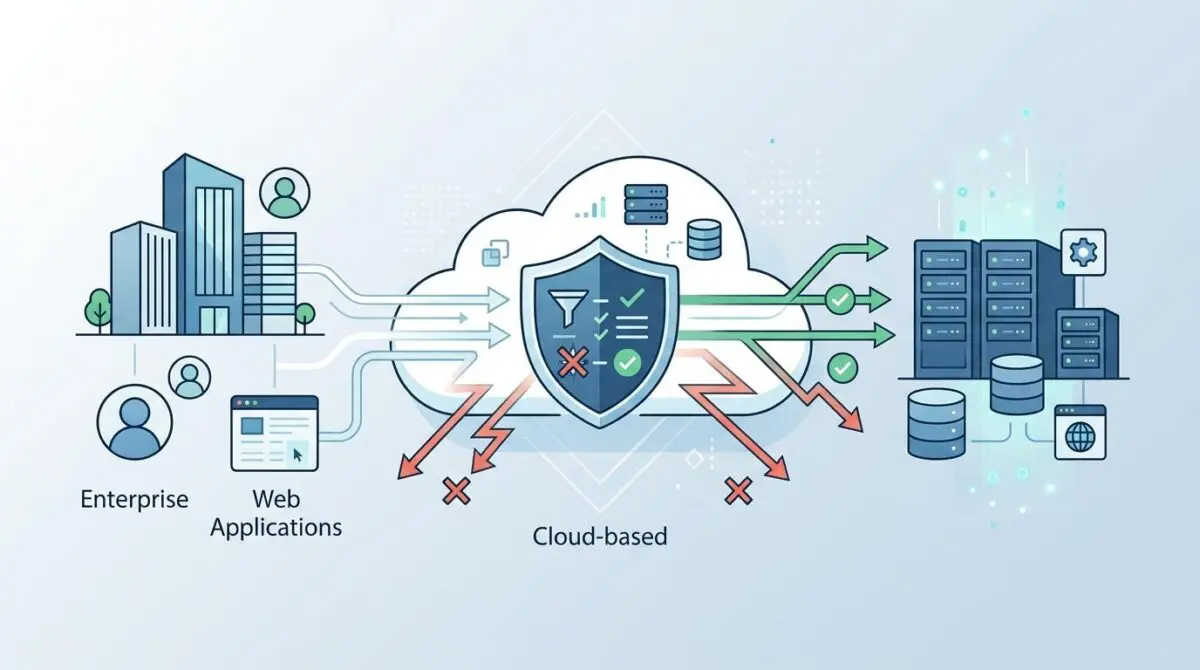
- Cloud-based WAFs prevent costly resource exhaustion by instantly filtering out billions of malicious bot requests.
- Next-generation firewalls leverage behavioral AI to detect and neutralize polymorphic malware and AI-generated exploits in real-time.
- Consolidating disparate security tools into unified WAAP platforms reduces enterprise security stack overhead by an average of 22%.
Table of Contents
- The Invisible Siege on Modern Infrastructure
- The Financial Reality of Modern Threats
- Filtering the Silent Noise of Bot Traffic
- Outsmarting Polymorphic Threats With Behavioral AI
- Guarding the Borderless Perimeter
- Consolidating the Security Stack for Better ROI
- The Dawn of Autonomous AppSec
- Beyond the Firewall
The Invisible Siege on Modern Infrastructure
Imagine your engineering team deploying a brilliant new microservices architecture, only to watch cloud hosting bills skyrocket while customer conversions remain flat. Digging into the server logs reveals that your APIs are being hammered by thousands of subtle, low-impact requests perfectly mimicking human behavior.
This scenario represents the modern reality of digital business, where legacy security perimeters fail against a relentless tide of machine-to-machine traffic. Human-managed static rules simply cannot catch these sophisticated, real-time vulnerabilities across thousands of endpoints.
To survive this architectural shift, organizations are turning to cloud-based Web Application Firewall services as their ultimate line of defense. These platforms act as an intelligent, scalable shield that modernizes security without slowing down the user experience.
The Financial Reality of Modern Threats
Market Intelligence & Data
Cloud WAF Market Scale
The global WAF market is estimated to reach this valuation in 2026 as organizations shift entirely to cloud-native microservices, according to Mordor Intelligence 2026.
API Attack Volume Surge
Daily API attacks per organization surged by this amount year-over-year in 2025, according to the Akamai 2026 State of the Internet report.
Record US Breach Cost
The average cost of a data breach for US organizations reached this all-time high in 2025, as verified by the IBM Cost of a Data Breach Report 2025.
AI-Driven Cost Mitigation
Organizations deploying AI and security automation saved an average of nearly $2 million per breach compared to those without, per the IBM 2025 findings.
The staggering projection of an $11.01 billion market scale for cloud WAFs highlights a massive architectural shift across the global business landscape. Companies are no longer keeping their digital assets locked in a single on-premise server room. Instead, they are scattering applications across cloud-native microservices, requiring a security layer that scales instantly alongside their growth.
This rapid expansion has created an incredibly lucrative target for malicious actors, leading to a massive 113% year-over-year surge in daily API attacks. As highlighted in the Akamai 2026 State of the Internet report, these attacks are moving away from brute-force website crashes toward silent data extraction. Attackers are actively exploiting the very communication channels that modern software relies on to function seamlessly.
The financial consequences of ignoring these vulnerabilities have never been more severe for enterprise bottom lines. The average cost of a data breach for US organizations reached an all-time high in 2025, proving that reactive security measures are a catastrophic financial risk. A single compromised API endpoint can now lead to millions in regulatory fines, lost revenue, and shattered brand trust.
Fortunately, the integration of artificial intelligence into modern security protocols provides a powerful financial countermeasure. By deploying AI-driven automation, companies are actively saving nearly $2 million per breach compared to those relying on legacy systems. This proves that investing in intelligent, cloud-based WAF solutions is not just an IT expense, but a critical strategy for protecting corporate revenue.
Filtering the Silent Noise of Bot Traffic
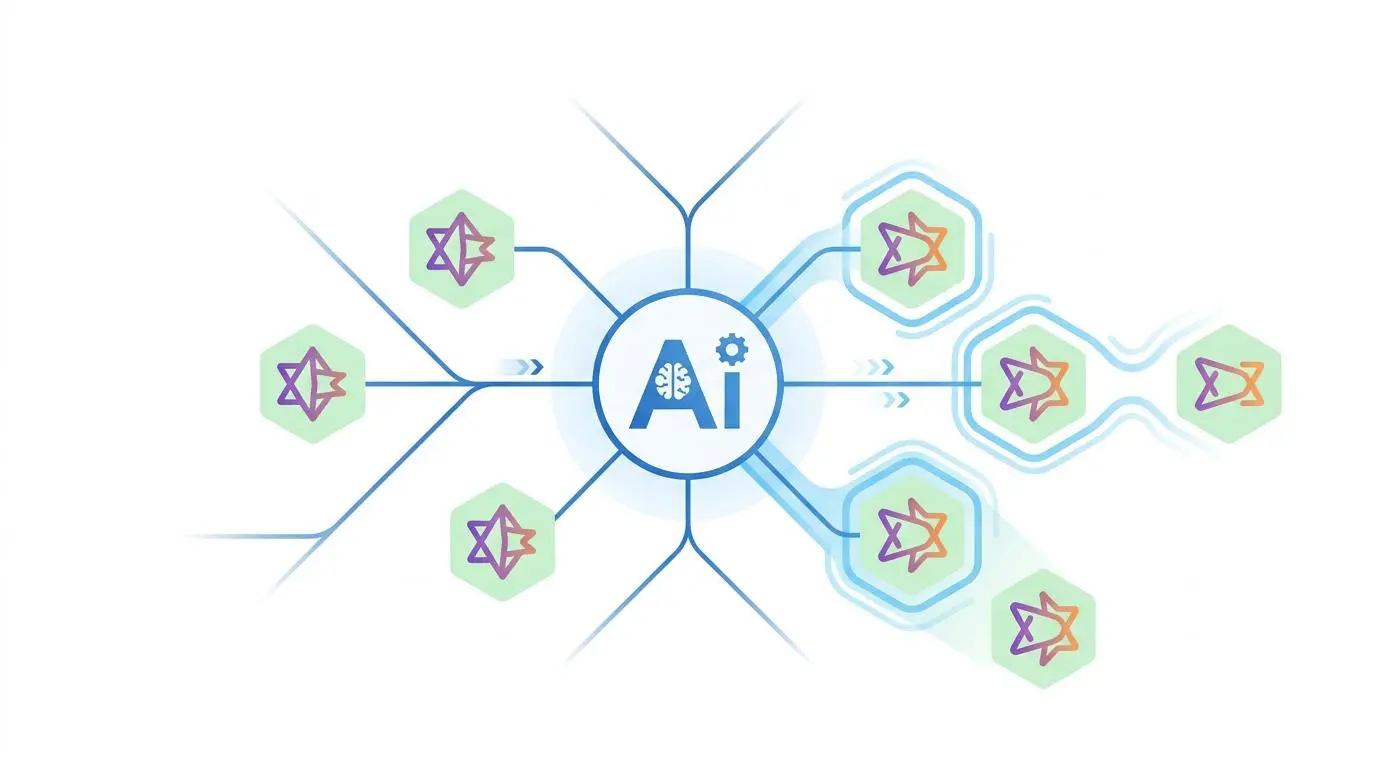
The most pressing issue for modern enterprises is not always the dramatic, headline-grabbing cyberattack. Often, the real damage comes from low and slow bot attacks that quietly scrape proprietary pricing data or test stolen credentials. These automated scripts account for nearly 74% of enterprise security incidents, creating a massive operational headache for IT teams.
Think of it like a swarm of mosquitos rather than a single home intruder. They do not break down the door, but they drain resources and create an unbearable environment.
Leading tools like Cloudflare, Akamai, and AWS WAF are built to handle billions of requests per second, instantly filtering out this malicious noise. By doing so, they prevent the dreaded resource exhaustion that balloons cloud infrastructure bills and slows down the experience for legitimate, paying customers.
Outsmarting Polymorphic Threats With Behavioral AI
Traditional firewalls operated like bouncers checking IDs against a static list of known troublemakers. Today, that approach is completely obsolete against polymorphic malware that changes its digital signature every single time it deploys. To combat this, next-generation WAFs have evolved beyond simple signature-based detection to leverage advanced behavioral AI.
Leading services now utilize LLM-based analysis to inspect the actual intent behind a web request, rather than just its superficial characteristics. For instance, recent updates from top providers can detect vibe coding exploits, where malicious code is generated by AI to look exactly like benign developer updates.
This AI-driven behavioral analysis is the only reliable way to identify and neutralize these ever-changing threats before they breach the application layer.
Guarding the Borderless Perimeter
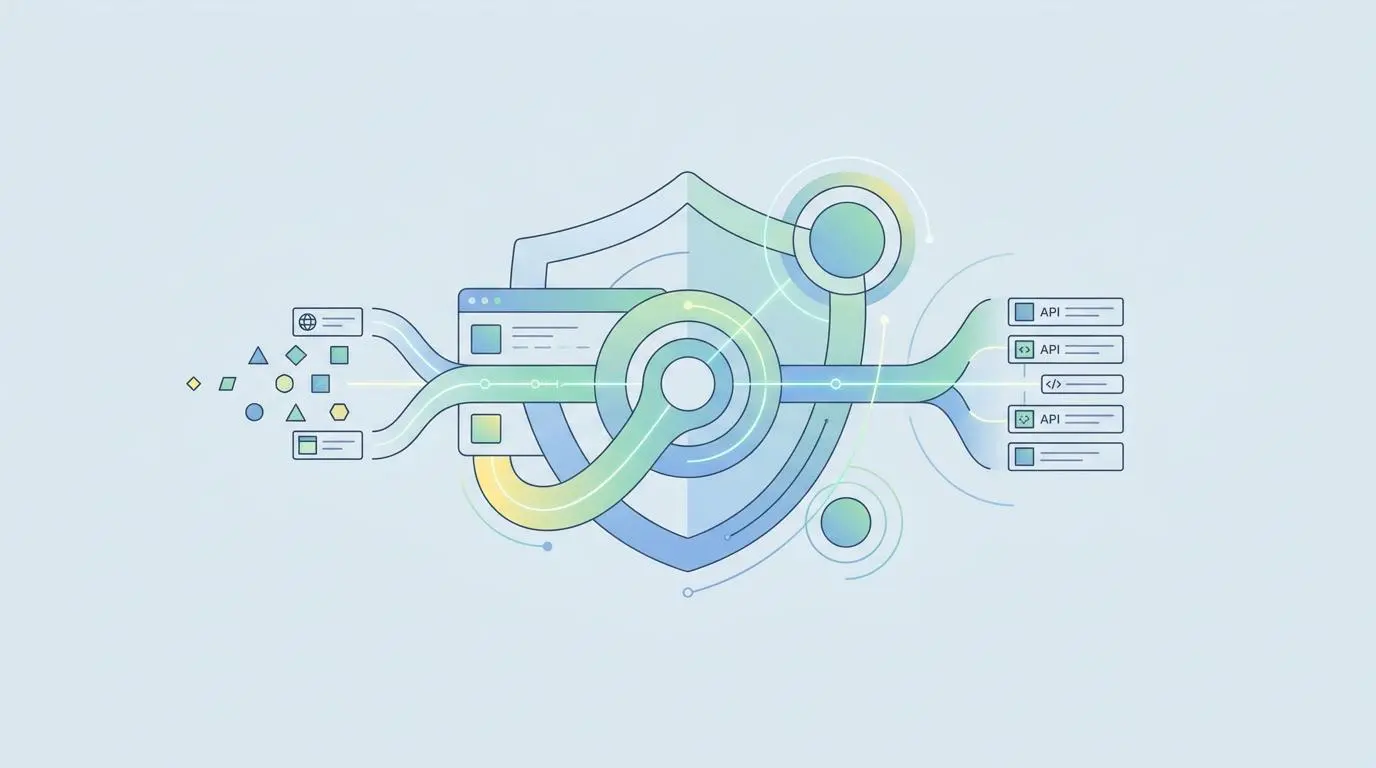
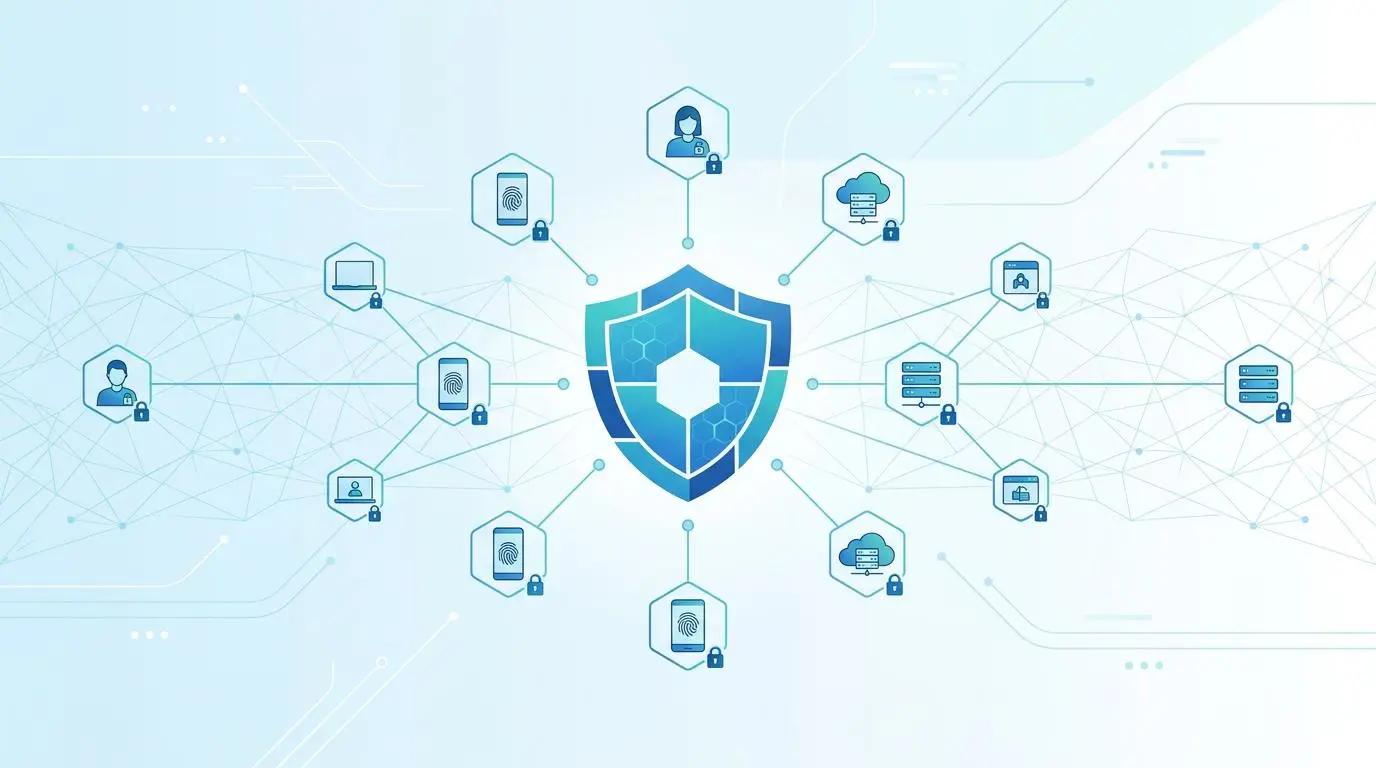
The widespread adoption of remote work and multi-cloud environments has effectively erased the traditional corporate network boundary. There is no longer a single front door to protect, meaning security must act as a distributed guard across every endpoint. Cloud WAFs have stepped up to become the primary enforcement point for modern Zero-Trust architectures.
These intelligent firewalls seamlessly integrate with identity management tools like Zscaler and Okta. This ensures that every single request to a web application is authenticated, authorized, and continuously validated against strict security protocols.
By maintaining this strict, continuous verification, businesses can effortlessly adhere to global compliance mandates like the updated PCI DSS 4.0 and GDPR.
Consolidating the Security Stack for Better ROI
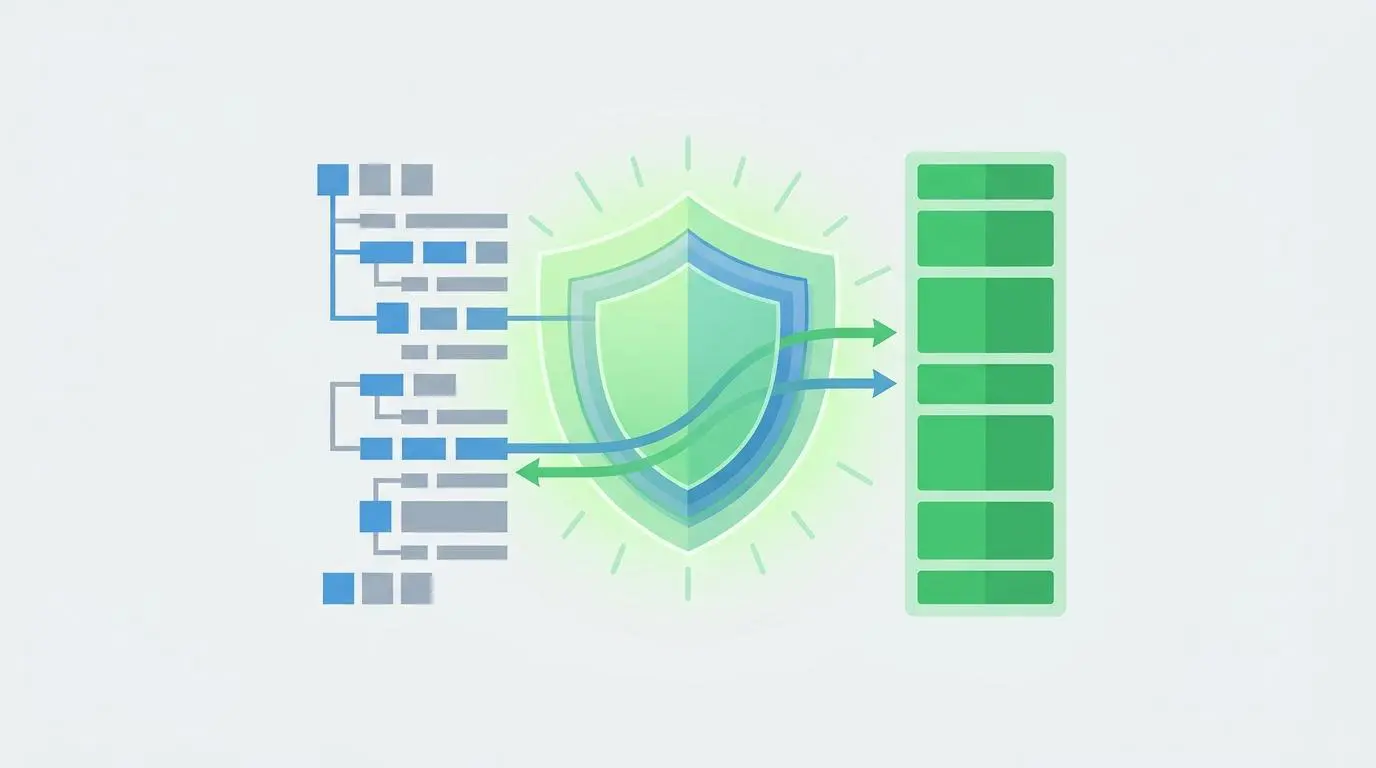
Managing separate tools for firewalls, load balancers, and bot protection creates dangerous security silos where critical threat data is easily missed. Worse yet, piecing together these disjointed systems causes software licensing costs to spiral completely out of control. Enterprises are waking up to this inefficiency and adopting Web Application and API Protection platforms to consolidate their expenses.
By merging WAF, DDoS mitigation, and advanced bot management into a single, unified subscription, companies are drastically reducing their security stack overhead.
On average, organizations are slashing these costs by 22% while simultaneously increasing their overall protection coverage and operational visibility.
The Dawn of Autonomous AppSec
The gap between discovering a software vulnerability and actually patching it currently averages over 60 days. This massive window of exposure leaves critical applications vulnerable to exploitation long after a threat is officially recognized. The industry is poised to solve this by moving toward fully autonomous application security.
These futuristic systems will do much more than simply block malicious traffic at the perimeter. They will interface directly with an application’s source code through deep repository integrations.
When a threat is detected, the WAF will suggest and instantly deploy temporary virtual patches in real-time. This keeps the application secure while human developers work on a permanent fix.
Beyond the Firewall
The next logical evolution in cybersecurity is the total disappearance of the standalone WAF into what experts call agentic security fabrics. In this rapidly approaching model, autonomous security agents will live directly within each microservice, negotiating protocols on the fly. They will create hyper-localized firewalls that exist only for the duration of a specific user session, completely redefining digital trust.
Navigating the intersection of modern technology, software architecture, and business growth requires a sharp strategy. To future-proof your tech stack and scale with precision, connect with Andres at Andres SEO Expert.
Frequently Asked Questions
What is a Cloud-Based Web Application Firewall (WAF) and how does it work?
A Cloud-Based WAF is an intelligent, scalable security service that protects web applications and APIs from machine-to-machine traffic. Unlike traditional firewalls, it uses behavioral AI to filter out sophisticated bot attacks and malicious requests in real-time without slowing down the user experience.
Why are API attacks increasing for modern enterprises?
API attacks surged by 113% in 2025 because APIs are the primary communication channel for cloud-native microservices. Attackers have shifted away from brute-force crashes toward silent data extraction, exploiting these essential software connections to bypass legacy security perimeters.
How much can AI-driven security automation save an organization during a breach?
According to the 2025 IBM Cost of a Data Breach Report, organizations that deploy AI and security automation save an average of $1.9 million per breach. This reduction is achieved by neutralizing threats faster and minimizing the operational damage caused by polymorphic malware.
What is the difference between signature-based detection and behavioral AI?
Traditional signature-based detection checks for known digital fingerprints, which is ineffective against malware that changes its signature. Behavioral AI instead analyzes the intent of a request, allowing it to block advanced threats like vibe coding exploits that mimic benign developer updates.
How do Cloud WAFs integrate with Zero-Trust architectures?
Cloud WAFs act as distributed guards that integrate with identity management tools to ensure every request is authenticated and authorized. This continuous validation is a cornerstone of Zero-Trust, helping businesses adhere to global compliance mandates like GDPR and PCI DSS 4.0.
What are the financial benefits of consolidating a security stack?
By consolidating WAF, DDoS mitigation, and bot management into a unified Web Application and API Protection (WAAP) platform, enterprises can reduce security stack overhead by an average of 22%. This eliminates expensive security silos and provides better ROI through improved operational visibility.
What is virtual patching in autonomous application security?
Virtual patching is an autonomous defense mechanism where a WAF instantly deploys temporary security fixes at the perimeter as soon as a vulnerability is detected. This protects the application during the average 60-day window it takes for developers to apply a permanent fix in the source code.