
Key Points
- Automated Risk Detection: Real-time tax reporting algorithms now blur the line between clerical errors and intentional evasion, demanding automated reconciliation tools.
- Executive Liability: Modern ESG frameworks hold leadership personally accountable for tax governance, shifting compliance from a pure finance function to a core reputational metric.
- Immutable Transparency: The transition to blockchain-based smart tax contracts by 2026 will eliminate legacy paper trails and enforce real-time, algorithmic compliance validation.
Table of Contents
The Compliance Tightrope
Imagine your finance team finalizing a brilliant restructuring plan that legally reduces annual liabilities, only to face a digital audit that freezes corporate accounts months later. The boundary between aggressive legal tax planning and criminal non-compliance has never been thinner. This ambiguity creates catastrophic legal and reputational risks that keep modern executives awake at night.
To survive in an era of automated global transparency, organizations must master Strategic Tax Compliance Differentiation. This operational framework acts as the ultimate corporate shield. It ensures your financial engine runs efficiently without triggering regulatory alarms from hyper-vigilant tax authorities.
Distinguishing between legal avoidance and illegal evasion is no longer a philosophical debate reserved for the courtroom. It is a real-time, data-driven necessity. Mastering this differentiation allows companies to scale aggressively while maintaining an ironclad ethical and legal standing.
The Numbers Behind the Scrutiny
Market Intelligence & Data
Annual US Tax Gap
The IRS 2025 updated projections show that the gap between taxes owed and taxes paid remains over $600 billion, primarily driven by underreporting evasion.
AI Audit Accuracy
As of early 2026, the OECD reports that AI-enhanced audits have a 95% success rate in identifying hidden offshore accounts used for tax evasion.
Global Minimum Tax Adoption
A total of 136 jurisdictions have implemented the Pillar Two 15% global minimum tax as of 2025, drastically limiting the scope for legal tax avoidance via shell companies.
Rise in Voluntary Disclosure
HMRC data from 2026 indicates a 40% increase in corporations voluntarily correcting ‘aggressive avoidance’ schemes to avoid the heavy criminal penalties associated with evasion.
The sheer scale of missing revenue is forcing governments to drastically modernize their collection engines. In fact, the gap between taxes owed and taxes paid remains over $600 billion, primarily driven by underreporting evasion. This massive deficit acts as the primary catalyst for aggressive new enforcement protocols worldwide.
To close this widening gap, international revenue services are deploying sophisticated algorithms that act as digital bloodhounds. The OECD reports that AI-enhanced audits now boast a staggering 95% success rate in identifying hidden offshore accounts used for tax evasion. This technological leap means the days of hiding behind complex, opaque corporate structures are effectively over.
The international community is also standardizing the baseline for corporate contributions to prevent a race to the bottom. A total of 136 jurisdictions have implemented the Pillar Two 15% global minimum tax, drastically limiting the scope for legal tax avoidance via shell companies. Businesses must now re-evaluate their entire global footprint to ensure compliance with this unified standard.
Recognizing this changing tide, smart corporations are proactively cleaning house before algorithms knock on their digital doors. Recent data indicates a 40% increase in corporations voluntarily correcting aggressive avoidance schemes. They are choosing to amend their filings rather than face the heavy criminal penalties associated with algorithmic evasion detection.
Capital Allocation Under Pressure
Companies have long utilized tools like tax loss harvesting and research and development credits as primary legal avoidance mechanisms. These strategies are fundamental to preserving cash flow and funding innovation. However, inefficient capital allocation is becoming rampant due to fears of aggressive tax positioning being reclassified as evasion.
The use of Pillar Two modeling software has become absolutely mandatory for modern multinationals. These platforms help finance teams navigate the new 15% global minimum tax without accidentally triggering evasion red flags. The software simulates various structural scenarios, ensuring that legal avoidance remains firmly within the boundaries of international law.
Without Strategic Tax Compliance Differentiation, companies risk leaving millions on the table out of sheer paranoia. Properly deployed modeling tools allow organizations to confidently claim legal deductions. This ensures they maintain a defensible, transparent audit trail at all times.
Algorithmic Audits and Crisis Prevention

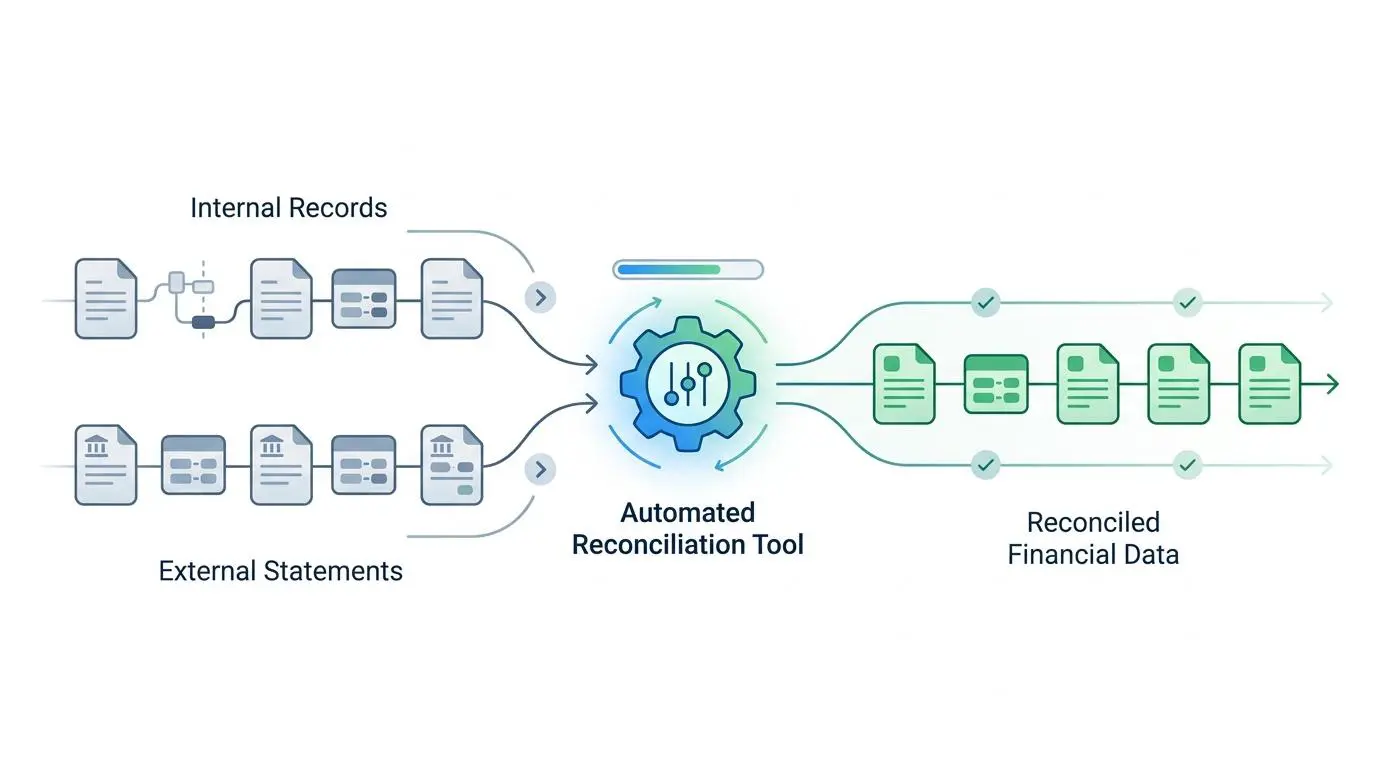
The regulatory landscape has experienced a massive shift from retrospective auditing to real-time tax reporting. This rapid evolution requires firms to adopt automated reconciliation tools just to keep pace. A lack of clear internal controls often leads to unintentional reporting errors that compound over time.
Modern algorithmic audit systems are unforgiving, frequently flagging clerical mistakes as deliberate criminal evasion. Failing to distinguish between a simple spreadsheet error and malicious intent can trigger automatic asset freezes. This instantly paralyzes corporate operations and shatters stakeholder trust.
To avert these crises, businesses must integrate continuous compliance monitoring into their daily financial workflows. Automating the reconciliation process ensures that tax data is flawlessly synchronized with operational reality. This proactive approach neutralizes the threat of algorithmic misinterpretation.
The Executive Burden of Tax Governance

The days of delegating tax strategy entirely to the finance department are gone. Executive boards are now being held personally liable for their organization’s overall tax governance. There is often a dangerous disconnect between aggressive tax savings and a commitment to corporate social responsibility.
Under modern ESG reporting standards, leaders must officially sign off on comprehensive tax transparency reports. They must conclusively prove that their avoidance strategies do not cross into ethical or legal evasion territories. This shifts tax compliance from a back-office calculation to a front-page reputational issue.
Interestingly, corporate compliance rates increase significantly when tax authorities provide transparent data on how revenue is reinvested locally. This psychological shift effectively turns legal tax avoidance into a measurable social governance metric. It perfectly aligns financial strategy with public goodwill and corporate ethics.
Predictive Analytics in Revenue Strategy

Relying on outdated tax laws to inform current business decisions leads directly to high-risk strategies. AI-driven enforcement engines can easily deconstruct and penalize these legacy tax maneuvers. The speed of regulatory change has simply outpaced traditional human calculation.
Today, AI-driven tax gap analysis tools allow authorities to cross-reference digital payment logs against reported income in milliseconds. This leaves absolutely zero room for reporting discrepancies. Forward-thinking companies are fighting fire with fire by deploying their own predictive analytics.
These internal AI tools allow businesses to simulate exactly how their avoidance strategies will be perceived by revenue service algorithms. By preemptively auditing their own data, organizations can correct course before a formal submission. This ensures total strategic alignment and minimizes audit risks.
The Immutable Ledger of Tomorrow
The high cost of maintaining legacy paper-trail compliance systems is a massive operational burden. We are rapidly moving toward a world of instant, immutable digital tax settlement. The implementation of blockchain-based smart tax contracts will soon fully automate the distinction between legal deductions and illegal concealment.
These smart contracts provide an immutable, unalterable audit trail for every single corporate transaction. The upcoming financial landscape will be dominated by hyper-transparency. The distinction between avoidance and evasion will no longer be determined by court cases years after the fact.
Instead, compliance will be validated in real-time via shared digital ledgers between corporations and tax authorities. This technological shift will finally eliminate the regulatory gray area. It provides absolute certainty for businesses that embrace Strategic Tax Compliance Differentiation.
The New Era of Financial Integrity
The future of corporate growth belongs to those who view tax compliance as a strategic pillar of operational integrity. As hyper-transparency becomes the global standard, the ability to seamlessly differentiate between legal avoidance and illegal evasion will dictate market leadership. Organizations that proactively adopt AI-driven reporting and blockchain audit trails will outpace competitors bogged down by regulatory paranoia.
Navigating the complexities of business growth, team leadership, and market positioning requires a sharp strategy. To scale your operations and build a resilient brand architecture, connect with Andres at Andres SEO Expert.
Frequently Asked Questions
What is the difference between tax avoidance and tax evasion?
Tax avoidance is the legal optimization of tax liabilities through mechanisms like R&D credits and tax loss harvesting. In contrast, tax evasion is the illegal concealment or underreporting of income, which now faces a 95% detection rate through AI-enhanced auditing technology.
How is AI impacting tax audit accuracy in 2026?
According to OECD reports, AI-enhanced audits currently maintain a 95% success rate in identifying hidden offshore accounts and evasion schemes. These systems use predictive analytics to cross-reference digital payment logs against reported income in real-time, effectively ending the era of opaque corporate structures.
What is the Pillar Two 15% global minimum tax?
Pillar Two is a global tax standard adopted by 136 countries as of 2025. It mandates a 15% minimum corporate tax rate to prevent a ‘race to the bottom,’ significantly limiting the ability of multinational organizations to use shell companies for aggressive tax avoidance.
Why are corporations shifting toward voluntary tax disclosure?
There has been a 40% increase in voluntary corrections of aggressive tax schemes as corporations seek to avoid the criminal penalties associated with automated evasion detection. Proactive disclosure allows firms to maintain ethical standing and avoid the operational paralysis caused by algorithmic asset freezes.
How does real-time tax reporting reduce corporate risk?
Real-time reporting utilizes automated reconciliation tools to synchronize tax data with daily financial workflows. This prevents clerical errors from being misclassified as deliberate evasion by algorithmic audit systems, ensuring that stakeholder trust and corporate assets remain protected.
What role will blockchain play in future tax compliance?
By late 2026, blockchain-based smart tax contracts are expected to automate the distinction between legal deductions and illegal concealment. These immutable digital ledgers provide real-time validation of compliance, eliminating traditional gray areas and creating a transparent settlement process between firms and authorities.