
Key Points
- Behavioral Analysis: Transitioning to Adaptive Trust Orchestration replaces static, rule-based security with real-time behavioral telemetry to eliminate false declines.
- Frictionless Checkout: Continuous behavioral authentication monitors device habits to silently verify identities without adding unnecessary multi-factor authentication steps.
- Proactive Defense: Embracing AI threat simulation breaks the reactive fear cycle, allowing businesses to scale revenue while maintaining robust risk management.
Table of Contents
The Invisible Revenue Killer
Picture this scenario. Your marketing team just spent thousands of dollars acquiring a high-lifetime-value customer who finally clicks the complete purchase button. Instead of a confirmation page, they are hit with a glaring red error message declining their perfectly valid credit card.
This is the harsh reality of modern digital commerce. Overly aggressive security measures create a massive barrier to revenue. We build beautiful, frictionless funnels only to slam the door in our best customers’ faces at the absolute final moment.
This unnecessary friction destroys conversion rates and permanently damages brand loyalty. To fix this, forward-thinking leaders are pivoting toward Adaptive Trust Orchestration. This dynamic framework abandons rigid, static rules in favor of intelligent, real-time behavioral analysis.
By implementing Adaptive Trust Orchestration, businesses can seamlessly separate malicious bots from loyal humans. This ensures a secure environment without adding a single second of friction to the checkout process.
The True Cost of Fear
Market Intelligence & Data
Global False Decline Cost
According to 2025-2026 research from Riskified and eMarketer, false declines cost the e-commerce industry nearly ten times more in lost revenue than actual credit card fraud.
Total Cost Per $1 of Fraud
The 2025 LexisNexis True Cost of Fraud report confirms that North American merchants now lose over four times the original transaction value due to fees, labor, and recovery costs.
Brand Abandonment Rate
A 2025 Mastercard Global report found that the vast majority of consumers would consider leaving a company entirely if they experienced significant friction during a fraud check.
AI Identity Market Valuation
Intel Market Research projections for 2026 value the AI-driven identity and behavioral biometrics sector at nearly $4 billion as companies scramble to automate trust.
The staggering financial bleed highlighted by global market data reveals a fundamental flaw in how we approach risk. It turns out that false declines cost the e-commerce industry $443 billion annually. This figure completely dwarfs the actual financial impact of successful credit card fraud.
When systems are tuned to reject anything slightly anomalous, they inadvertently block perfectly valid transactions. This overcorrection drains revenue and punishes the exact consumers your business fought so hard to acquire.
The financial damage does not stop at the point of a declined card. When a fraudulent transaction does slip through, businesses lose over four times the original transaction value due to fees, labor, and recovery costs. This massive multiplier explains why risk managers often panic and tighten the rules too far.
However, this reactive approach only shifts the financial burden from direct fraud losses to hidden customer churn. The 91% brand abandonment rate reveals the deep psychological damage caused by checkout friction.
Modern consumers view a false decline not as a technical glitch, but as a personal insult and a breach of trust. When a loyal shopper is treated like a criminal at the digital register, they simply open a new tab and buy from a competitor. You are not just losing a single sale; you are destroying years of potential lifetime value.
The projected $3.85 billion valuation for the AI identity market signals a massive shift in how companies verify users. E-commerce leaders are realizing that manual reviews and static passwords are no longer sufficient to protect their margins.
By investing in behavioral biometrics and automated trust systems, organizations are finally treating fraud prevention as a revenue-enabling growth engine. It is no longer just a back-office cost center.
Strategic Pillars of Trust

The False Decline Paradox
Legacy static rule-based systems are failing entirely to distinguish between sophisticated, human-emulating AI bots and your highest-value customers. These outdated filters trigger a massive wave of hidden churn by blocking loyal buyers who happen to travel, use a VPN, or ship to a new address.
This overly conservative approach leads to immediate cart abandonment and long-term brand damage. To combat this, merchants are rapidly shifting to orchestration layers that integrate real-time behavioral signals.
By evaluating the context of a transaction rather than just static data points, these systems can confidently wave legitimate users through. This shift to intelligent orchestration is projected to reduce manual review rates from a bloated industry average of 23% down to under 3%.
A recent consumer study revealed that 58% of customers who face a false decline never return to that merchant. This effectively turns fraud prevention into a primary driver of silent customer churn.
This insight is driving a pivot toward human-machine harmony in fraud desks. It ensures context-aware decisions that protect the bottom line while preserving the customer experience.
Preserving the Checkout Journey
Mandatory secondary authentication on every transaction is the primary cause of modern conversion leakage. Forcing users through multi-factor authentication challenges adds 30 to 45 seconds to the checkout process, creating unnecessary frustration.
We are essentially punishing our best customers for the bad behavior of a few malicious actors. The solution lies in transitioning from step-up authentication, which challenges everyone, to intelligent step-down models.
Utilizing advanced behavioral biometrics allows risk engines to silently verify users based on how they hold their phone or type on their keyboard. This invisible layer of security allows over 95% of trusted users to bypass secondary checks entirely.
By preserving a perfectly frictionless checkout journey, businesses can dramatically improve their conversion rates. Customers feel recognized and valued when their path to purchase is smooth and uninterrupted.
This seamless experience is rapidly becoming a key competitive advantage in saturated digital markets.
Escaping the Fear Cycle
Reactive fraud management creates a toxic fear cycle within an organization. A single major security breach often leads to panicked, excessive tightening of security protocols that immediately kills sales growth.
Leaders must break this cycle by shifting from reactive defense to proactive vulnerability management. The rise of Agentic AI allows modern fraud systems to simulate millions of attack vectors simultaneously.
These intelligent agents identify and patch vulnerabilities long before a real-world attacker can exploit them. By neutralizing threats in the background, businesses can maintain robust security postures without constantly adjusting the friction dials.
This proactive stance empowers growth teams to operate with confidence. When the underlying security infrastructure is adaptive and resilient, marketing and sales can push for aggressive expansion.
They can do this without the constant fear of overwhelming the fraud desk. It aligns security and growth as collaborative forces rather than opposing departments.
The Trust-Effort Paradox
There is a fascinating psychological dynamic at play known as the Trust-Effort Paradox. While the vast majority of consumers claim they prioritize security over speed, their actual behavior tells a completely different story.
A single negative experience where a legitimate payment is declined will cause almost any shopper to abandon a brand permanently. The psychological impact of a false decline is deeply personal and highly emotional.
Consumers perceive it as a direct trust violation, feeling accused or undervalued by the brand they are trying to support. Understanding this emotional response is critical for leaders who want to build resilient, customer-centric operations.
When you eliminate this friction, you are not just saving a single transaction. You are validating the customer’s identity and reinforcing their decision to choose your brand over a competitor.
This subtle psychological validation is the cornerstone of long-term loyalty in a crowded digital marketplace.
Continuous Behavioral Authentication
Relying on static KYC data is a dangerous game in an era where personal information is widely available on the dark web for pocket change. Identity-based verification alone is entirely insufficient for the complex risk profiles businesses face today.
Fraudsters can easily buy a legitimate identity, but they cannot perfectly mimic human behavior. This is why continuous authentication platforms are becoming the gold standard for data-driven risk management.
These systems monitor device fingerprints and subtle navigation patterns, like keystroke dynamics and mouse jitter, throughout the entire session. By evaluating behavior from the moment a user lands on the homepage, businesses can make highly accurate trust decisions.
This continuous stream of telemetry allows the risk engine to build a dynamic profile of the user in real time. If the behavior matches the established baseline, the user is granted a frictionless path to purchase.
If anomalies are detected, the system can deploy targeted, proportional friction only when absolutely necessary.
The Self-Sovereign Future
Fragmented identity data makes verification incredibly difficult as consumers interact across a growing number of digital and physical touchpoints. As the digital landscape evolves, the industry is rapidly moving toward Self-Sovereign Identity models.
This framework empowers users to own and control their personal data rather than leaving it scattered across hundreds of vulnerable databases. In this new model, users will present verified, encrypted trust tokens directly from their personal devices.
This eliminates the need for merchants to store or verify highly sensitive personally identifiable information. It represents a massive leap forward, drastically reducing compliance liabilities while offering consumers an unprecedented level of privacy.
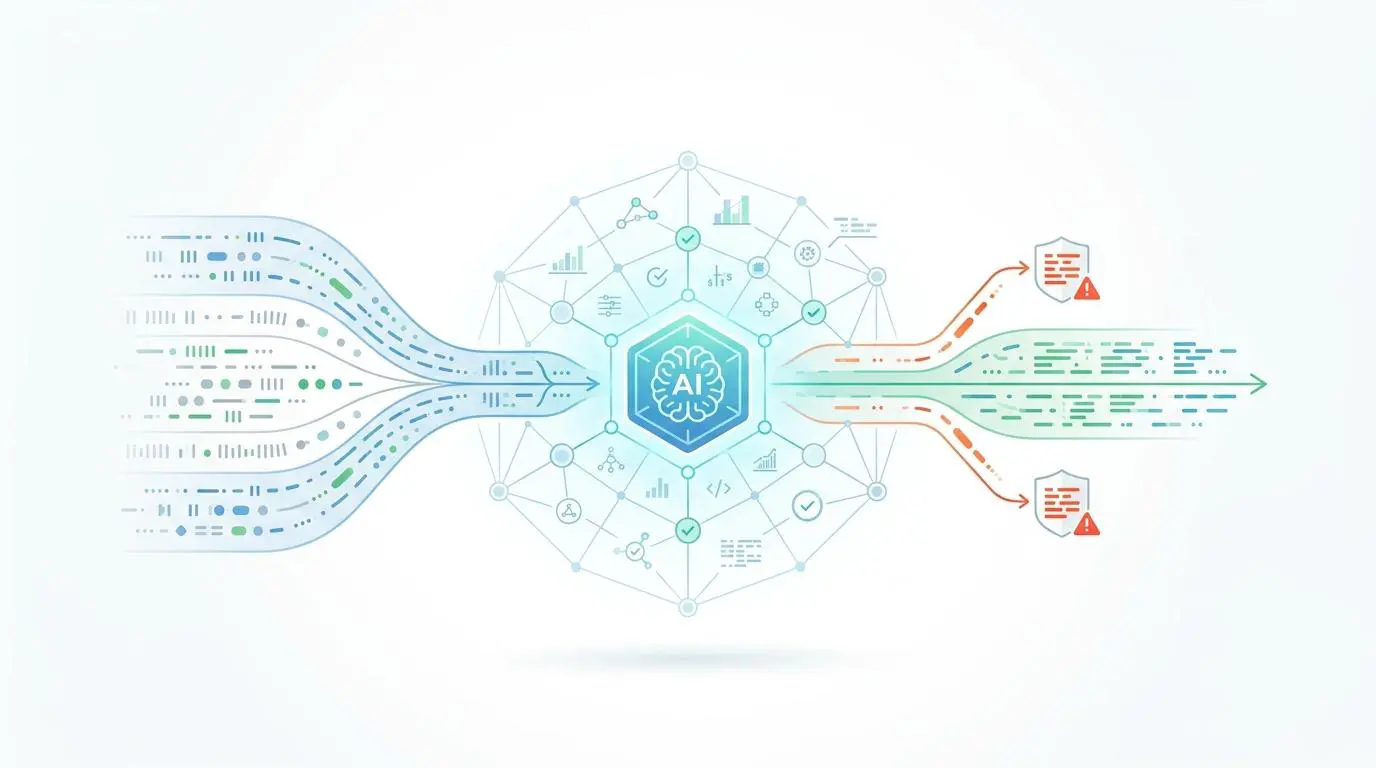
In the near future, this evolution will be defined by intent-based security protocols. Artificial intelligence will not just verify credentials, but it will predict the probability of malicious intent using sub-second behavioral telemetry.
This monumental shift will effectively render the traditional checkout button invisible for verified, trusted users.


The Era of Invisible Security
The future of commerce belongs to organizations that can make security completely invisible to the end user. By embracing intent-based security and intelligent automation, leaders can predict malicious intent using sub-second telemetry rather than clumsy manual checkpoints.
This evolution will effectively render traditional friction obsolete. It allows trusted users to flow seamlessly from product discovery to final purchase.
As we move toward a world where behavioral biometrics and trust tokens replace static passwords, the businesses that win will be those that prioritize human dignity alongside financial security.
Eliminating the false decline is no longer just a risk management goal. It is a fundamental pillar of modern customer experience strategy.
Navigating the complexities of business growth, team leadership, and market positioning requires a sharp strategy. To scale your operations and build a resilient brand architecture, connect with Andres at Andres SEO Expert.
Frequently Asked Questions
What are false declines and why do they impact e-commerce revenue?
False declines occur when legitimate transactions are incorrectly rejected by fraud prevention systems. Research indicates these errors cost the e-commerce industry approximately $443 billion annually, which is nearly ten times the actual cost of successful fraud.
How does Adaptive Trust Orchestration reduce checkout friction?
Adaptive Trust Orchestration replaces static security rules with real-time behavioral analysis. By evaluating the context of a transaction—such as navigation patterns and device telemetry—it can distinguish between malicious bots and loyal humans without requiring manual reviews or disruptive authentication steps.
What is the financial cost of a successful fraudulent transaction for merchants?
For every $1 lost to fraud, North American merchants incur an average total cost of $4.61. This includes the original transaction value plus additional expenses related to chargeback fees, labor for investigations, and recovery efforts.
Why is behavioral biometrics becoming essential for digital security?
As static identity data becomes more vulnerable to theft, behavioral biometrics offers a more secure alternative by monitoring unique user actions like keystroke dynamics and mouse movements. These signals allow systems to verify identity continuously throughout a session rather than relying on a single login point.
What is the difference between step-up and step-down authentication?
Step-up authentication challenges every user with secondary verification, often leading to conversion leakage. In contrast, step-down models utilize invisible security layers to verify trusted users silently, only deploying friction and MFA challenges when a transaction is flagged as high-risk.
How do false declines affect long-term brand loyalty?
False declines cause significant psychological damage, with 91% of consumers reporting they would consider abandoning a brand after experiencing checkout friction. Over 58% of customers who face a false decline never return, treating the rejection as a personal breach of trust.