Key Points
- Transitioning to mobile POS ecosystems reduces physical bottlenecks and cuts average checkout wait times by 41 percent.
- API-first architectures eliminate third-party middleware to sync inventory in real-time and prevent phantom stockouts.
- Generative AI and Agentic Commerce are shifting POS from simple transaction ledgers to autonomous operational engines.
Table of Contents
The Invisible Leak in Modern Storefronts
Imagine standing in a bustling retail store during the holiday rush, holding the last pair of premium sneakers. You watch the cashier struggle with a frozen terminal while the inventory system claims the shoes are out of stock.
This specific friction point represents the ‘Data Trust Gap’ currently plaguing the industry. Right now, 75 percent of retail leaders still rely on inaccurate, siloed, or outdated inventory data for critical decision-making.
This disconnect leads to massive revenue leakage. It also causes frustrating stockouts that drive loyal shoppers straight to competitors.
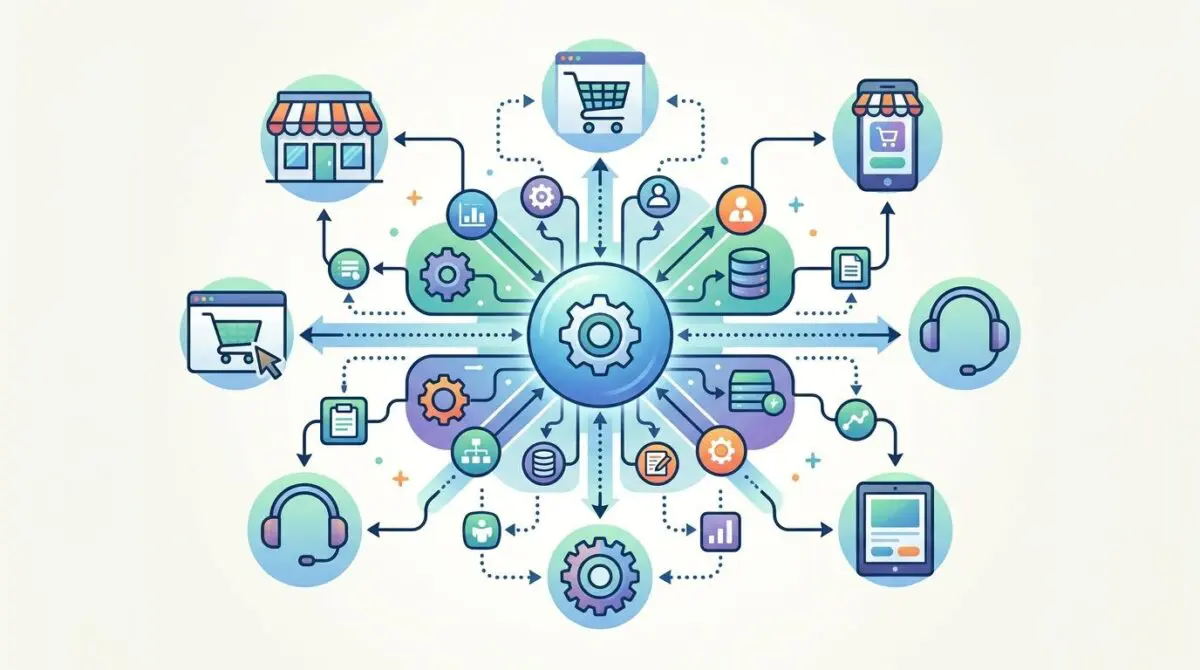
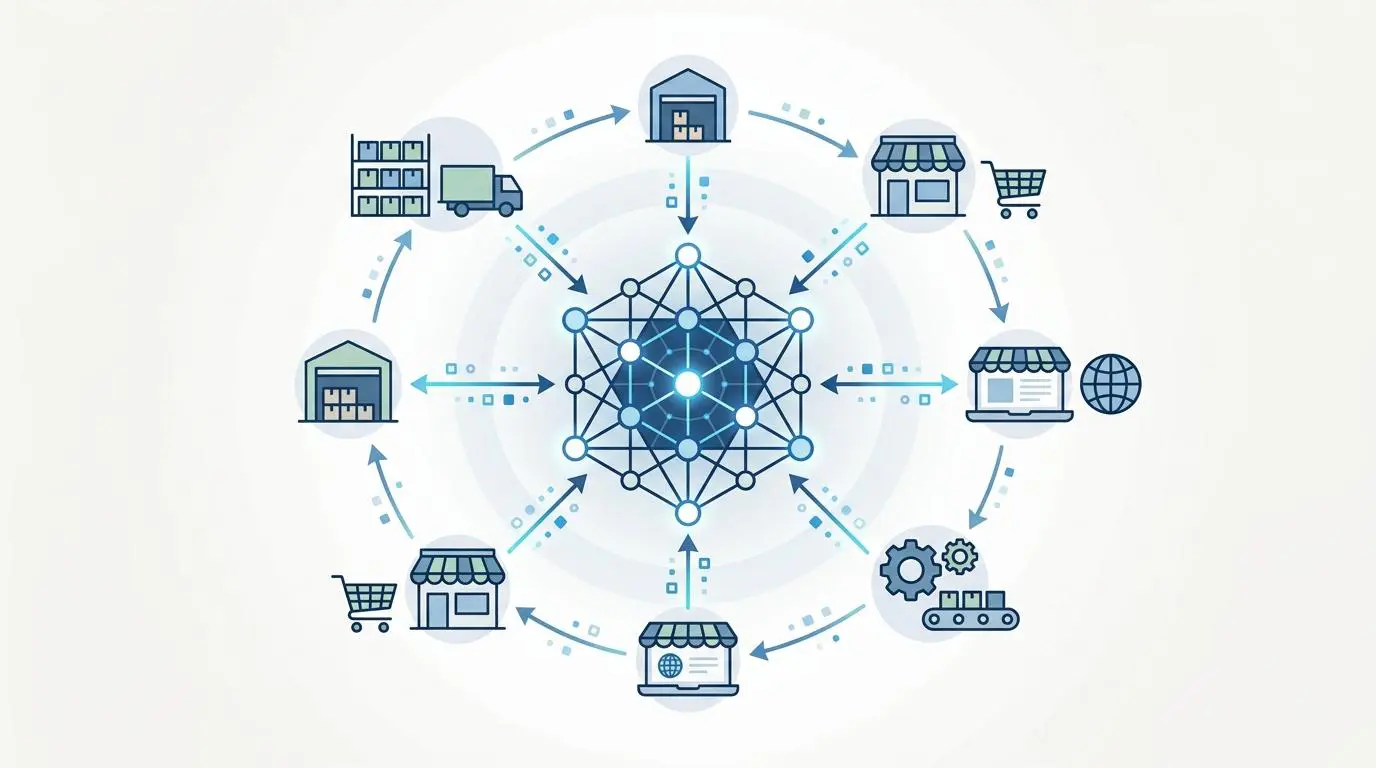
The solution to this chaos is the adoption of Unified Omnichannel Retail Management Systems (uRMS). These platforms represent the evolution of the best retail POS and management systems available today.
Legacy setups were built merely to process credit cards and print receipts. By contrast, centralizing operations with a uRMS transforms fragmented storefronts into synchronized, high-performance ecosystems.
It strips away the friction of outdated databases and replaces them with fluid, cloud-native architectures. Retailers can finally trust their data, ensuring that every scan, click, and swipe is recorded accurately across all channels.
The Metrics Driving Modern Retail
Market Intelligence & Data
Cloud POS Preference
According to a 2026 Swell report, 78% of small businesses now prefer cloud-based POS systems over legacy on-premise hardware due to lower upfront costs and remote management.
Speed-to-Checkout Gains
Verified 2026 industry data from Swell indicates that retail checkout times drop by 41% when businesses transition from fixed terminals to mobile POS systems.
Unified Commerce Elite
The 2026 Global Unified Commerce Benchmark by Manhattan Associates reveals that only 7% of specialty retailers have achieved true unified commerce leadership, despite it driving 2x higher growth.
Digital Wallet Dominance
According to a 2026 Worldpay and SwiftForce market analysis, digital wallets are projected to account for more than half of all global in-store payments by the end of the year.
The shift toward decentralized technology is completely reshaping how storefronts operate. With 78 percent of small businesses now favoring cloud-based setups, the era of clunky back-office servers is officially over.
Lower upfront costs and the ability to manage multi-store locations remotely make these platforms incredibly attractive. Business owners no longer need to deploy IT teams to individual locations for simple software patches.
Everything is handled over the air. This seamless approach ensures maximum uptime and robust security.
Moving away from fixed registers has a profound impact on the actual customer journey. Verified data shows a 41 percent drop in checkout times when staff are equipped with mobile POS devices.
This untethered approach eliminates the traditional queue, allowing associates to close sales directly on the shop floor. It transforms the role of the cashier into a true sales consultant, removing the physical barrier between the brand and the buyer.
Despite the clear advantages of centralized systems, a surprising number of merchants remain stuck in the past. As highlighted in the 2026 Global Unified Commerce Benchmark, a mere 7 percent of specialty retailers have achieved true unified commerce leadership.
Those elite few are currently growing at twice the rate of their siloed competitors. They are capturing market share simply because their underlying technology allows them to be infinitely more agile.
Payment preferences are evolving faster than legacy hardware can keep up. The 11th annual Global Payments Report projects that digital wallets will capture more than half of all global in-store payments by year-end.
Retailers must adapt their payment stacks to accommodate these frictionless, tap-to-pay behaviors or risk high cart abandonment. The modern consumer expects to pay with their phone, and any system resisting this trend becomes a massive operational liability.
Autonomous Loyalty Engines
Manual customer segmentation is too slow for real-time retail environments. Relying on spreadsheets to figure out what a shopper might want next causes merchants to miss high-intent windows for personalized upsells.
By the time a marketing email is crafted, the customer has already moved on to a competitor. Next-generation platforms are solving this by embedding Generative AI directly into the uRMS fabric.
These intelligent systems autonomously segment customers based on live purchasing behavior. They analyze past purchase history, local weather patterns, and even broader social media trends to predict what a customer will buy next.
They instantly trigger highly personalized loyalty offers before the shopper even leaves the store. This AI-driven personalization has pushed average conversion rates from a stagnant 3 percent to well over 7 percent.
The software essentially acts as an invisible sales assistant. It knows the exact preference of every single person walking through the door.
Escaping the Capital Trap
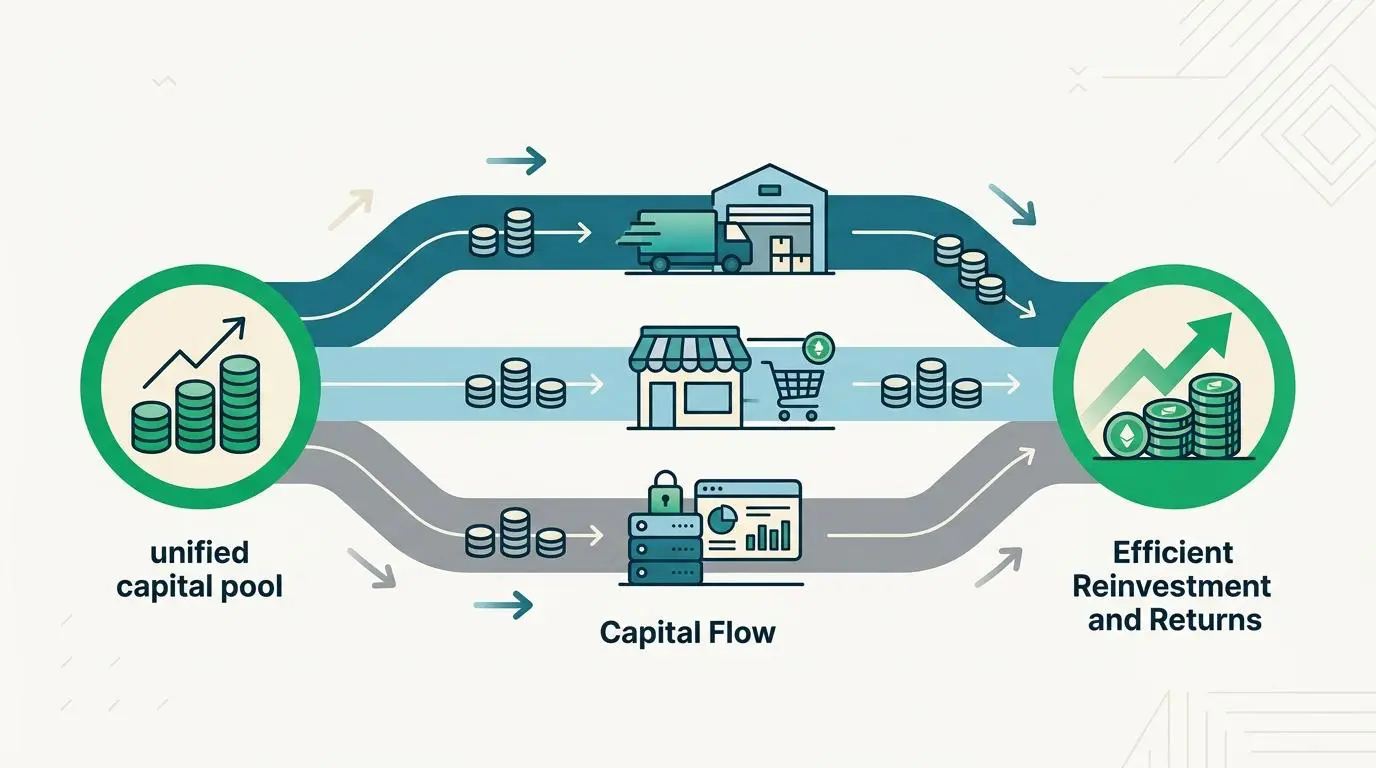
Legacy software systems trap vital capital in stagnant inventory and bloated fulfillment processes. Between 2023 and 2026, those fulfillment costs rose by over 20 percent, severely eating into profit margins.
Retailers stuck in basic multichannel silos simply cannot move stock efficiently enough to stay competitive. They end up paying for warehouse space to store items that should have been sold months ago.
Achieving high maturity in unified commerce directly correlates with financial resilience. Retailers who fully unify their technology stacks are growing at nearly twice the rate of their peers.
Unified systems use smart order routing to ship from the closest store rather than a distant warehouse, drastically cutting shipping zones. By breaking down operational silos, businesses free up trapped cash flow and dramatically lower their logistical overhead.
This newfound capital can then be reinvested into product development or market expansion. Ultimately, it creates a compounding cycle of growth.
Untethering the Checkout Experience
Fixed checkout counters create physical bottlenecks in high-traffic retail environments. When lines snake around the aisles, shopper frustration peaks, inevitably leading to abandoned purchases.
The modern consumer expects speed, and tethered terminals are the enemy of a frictionless experience. Every second a customer spends waiting in line is a second they have to reconsider their purchase.
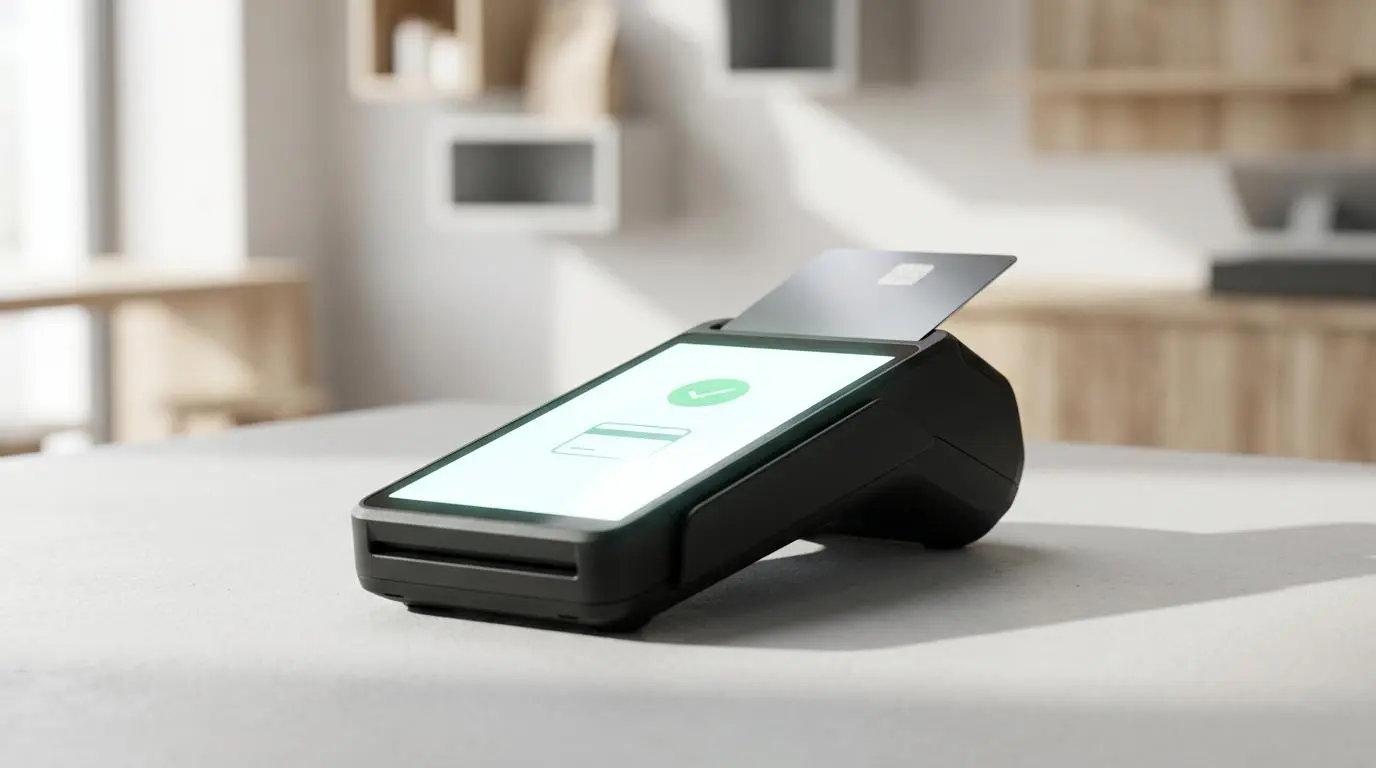
Modern POS systems have aggressively pivoted to an untethered, mobile-first design philosophy. Deploying mobile POS terminals allows staff to facilitate transactions anywhere on the floor.
This single architectural shift reduces average customer checkout wait times by 41 percent, transforming the entire store into an active conversion zone. We are seeing a massive hardware shift from bulky proprietary terminals to sleek, consumer-grade tablets equipped with specialized card readers.
Associates can look up inventory, apply discounts, and process payments without ever leaving the customer’s side.
Killing the Phantom Inventory

Disconnected back-end systems force staff into endless cycles of manual reconciliation. This creates the dreaded ‘phantom inventory’ effect, where products show as in-stock online but are entirely unavailable in-store.
It is a surefire way to destroy brand trust and lose repeat customers. When a shopper drives to a physical location for an item promised online, a stockout is unforgivable.
To combat this, modern systems utilize API-first, cloud-native architectures that completely eliminate the need for third-party middleware. By syncing systems in real-time, these ecosystems create a single source of truth.
Key architectural benefits include:
- Real-Time Syncing: Multi-store enterprises leveraging this unified approach saw operational efficiency jump by 28 percent in early 2026.
- Middleware Elimination: Removing third-party connectors reduces latency and minimizes potential points of failure.
- Unified CRM: Customer profiles update instantly across all channels, ensuring support teams always have accurate context.
The technology silently bridges the gap between the warehouse and the digital storefront. API-first means the system is built to talk to other software from day one, rather than relying on clunky export and import batch jobs overnight.
The Dawn of Agentic Commerce
Traditional passwords, PINs, and physical cards are increasingly viewed as security liabilities. They act as major speed inhibitors during the checkout process.
The frontier of retail technology is rapidly moving toward biometric authentication, widely known as Pay-with-a-Glance. This Biometric-Authentication-as-a-Service is being integrated directly into existing payment stacks to facilitate entirely frictionless, cardless transactions.
Facial recognition or palm scanning links directly to a digital wallet. This removes the need to even carry a phone to the register.
Furthermore, we are witnessing a massive strategic shift toward ‘Agentic Commerce.’ AI is no longer just a dashboard tool; it acts as an autonomous buffer between the store and the customer.
These software agents perform complex tasks like product discovery, negotiating bulk shipping rates, and resolving supply chain anomalies entirely without human intervention.
The system thinks, reacts, and optimizes on its own. This allows human staff to focus purely on customer relationship building.
Beyond the Transaction
By the end of 2026, the retail POS will fully transition from a simple transaction tool to a comprehensive operating system. Unified Omnichannel Retail Management Systems will dictate the pace of global commerce.
Those who embrace this autonomous, unified architecture will thrive, while those clinging to legacy hardware will fade into irrelevance. The future belongs to businesses that view their software as a strategic partner rather than a simple cash register.
Navigating the intersection of modern technology, software architecture, and business growth requires a sharp strategy. To future-proof your tech stack and scale with precision, connect with Andres at Andres SEO Expert.
Frequently Asked Questions
What is a Unified Omnichannel Retail Management System (uRMS)?
A uRMS is a centralized platform that synchronizes fragmented retail storefronts into a single high-performance ecosystem. Unlike legacy POS systems built only for transactions, a uRMS uses cloud-native architecture to ensure that inventory, sales, and customer data are accurately recorded across all physical and digital channels in real-time.
Why are retailers switching from legacy hardware to cloud-based POS systems?
Retailers are migrating to cloud-based setups—preferred by 78% of small businesses—due to lower upfront costs and the ability to manage multi-store locations remotely. These systems eliminate the need for on-site IT teams for software patches and offer better security through automatic over-the-air updates.
How does mobile POS technology reduce checkout times?
By deploying mobile POS terminals, retail staff can facilitate transactions anywhere on the sales floor instead of being tethered to a fixed counter. This approach has been verified to drop checkout times by 41% by eliminating queues and allowing associates to close sales at the point of intent.
What causes the ‘Data Trust Gap’ in the retail industry?
The ‘Data Trust Gap’ occurs when retail leaders rely on inaccurate, siloed, or outdated inventory data, a problem currently affecting 75% of the industry. This lack of data integrity leads to phantom inventory, frustrated customers, and significant revenue leakage due to preventable stockouts.
How does Generative AI improve retail loyalty and conversion rates?
Next-generation platforms embed Generative AI directly into the retail management system to autonomously segment customers based on live behavior. By analyzing purchase history and local trends, these systems trigger personalized loyalty offers in real-time, which has been shown to increase conversion rates from 3% to over 7%.
What is ‘Agentic Commerce’ in modern retail?
Agentic Commerce represents a shift where AI acts as an autonomous agent between the store and the customer. These systems perform complex tasks such as product discovery, negotiating shipping rates, and resolving supply chain anomalies without human intervention, allowing staff to focus entirely on building customer relationships.