Key Points
- Programmatic Content Generation bypasses human latency by piping API-Football data directly into CMS architectures via Zapier.
- Implementing IndexNow and Google’s Indexing API eliminates stale data penalties by signaling page state changes instantly.
- Deploying text-first HTML and llms.txt files ensures sports statistics are accurately parsed by modern RAG pipelines.
Table of Contents
The Live Data Synchronization Crisis
The invisible cost of manual SEO execution right now is the catastrophic drop in organic visibility the moment a live sports match kicks off. While your server is busy compiling manual updates, search engines are already penalizing your URLs for serving stale data.
This synchronization gap between high-velocity sports events and search engine indexing latency destroys your ability to capture peak traffic. Search algorithms expect real-time accuracy during broadcast events.
If a user queries a live score and your page displays pre-match statistics, the search engine interprets this as a poor user experience. Consequently, your domain is pushed down the SERPs, and your crawl budget is wasted on outdated HTML renders.
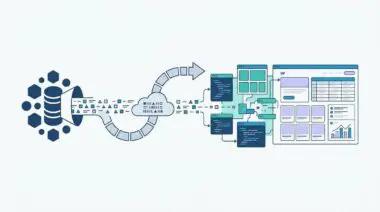
The ultimate architectural solution to this bottleneck is Programmatic Content Generation. By directly piping high-velocity sports API updates into your CMS, you bypass human latency entirely.
This creates a self-updating ecosystem where pages evolve dynamically alongside the live event.
Quantifying the Indexing Latency Tax
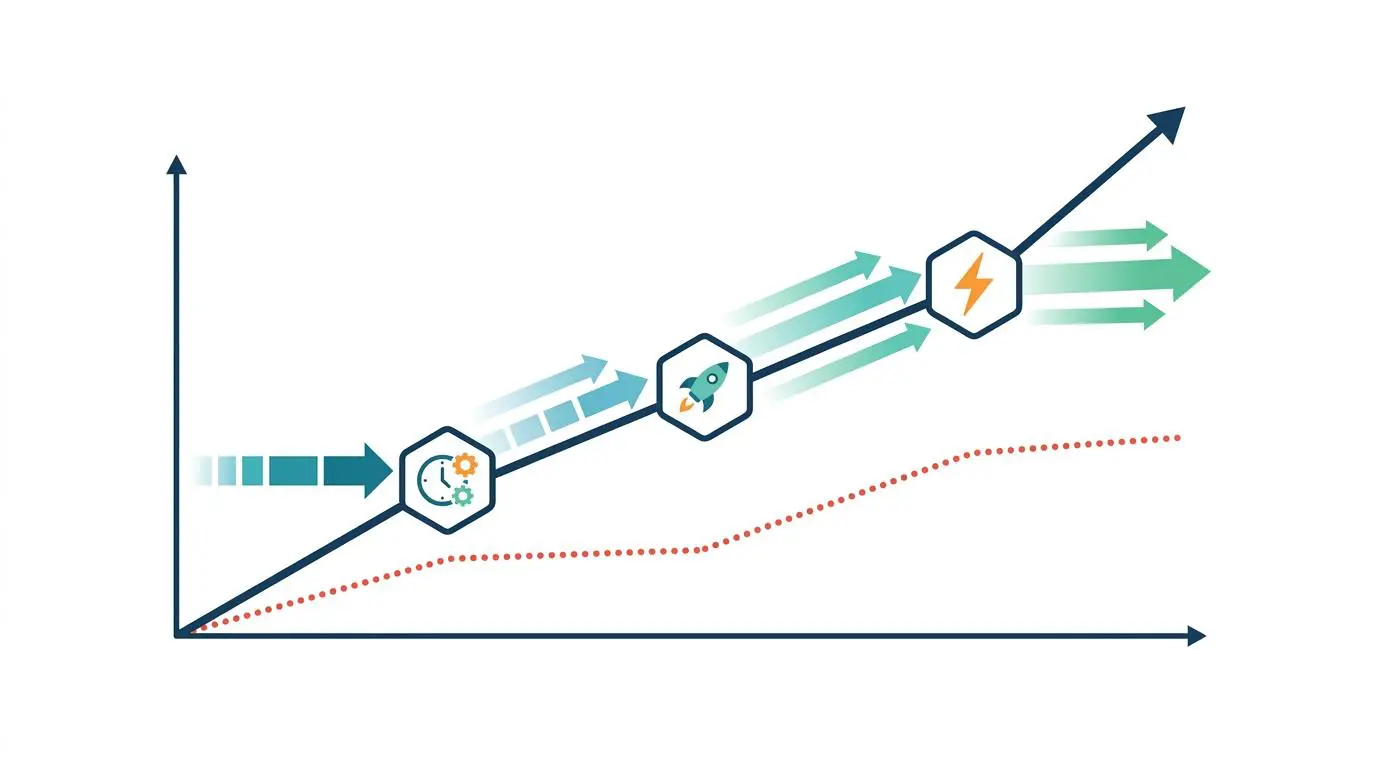
Data indicates that programmatic pages following strict structured data blueprints index 60% faster than manually created content as of 2026. This acceleration is no longer a luxury; it is a fundamental requirement for live events.
Teams must implement instant pinging systems to alert search engines of minute-by-minute page state changes. To configure this automated pinging correctly, engineers should review the official IndexNow protocol documentation to understand how to push URLs directly to Bing and Yandex.
Bypassing the passive crawl queue ensures your updated statistics are ingested immediately. This direct pipeline is the only way to maintain relevance during a ninety-minute match.
Furthermore, nearly half of all search engine result pages now feature AI Overviews. These generative engines prioritize real-time, text-first HTML over heavy JavaScript rendering.
Understanding search engine guidelines on controlling AI Overviews visibility is critical to ensure your programmatic pages are cited rather than filtered. Without these protocols, your raw data remains invisible to modern search models.
Architecting Real-Time API Pipelines
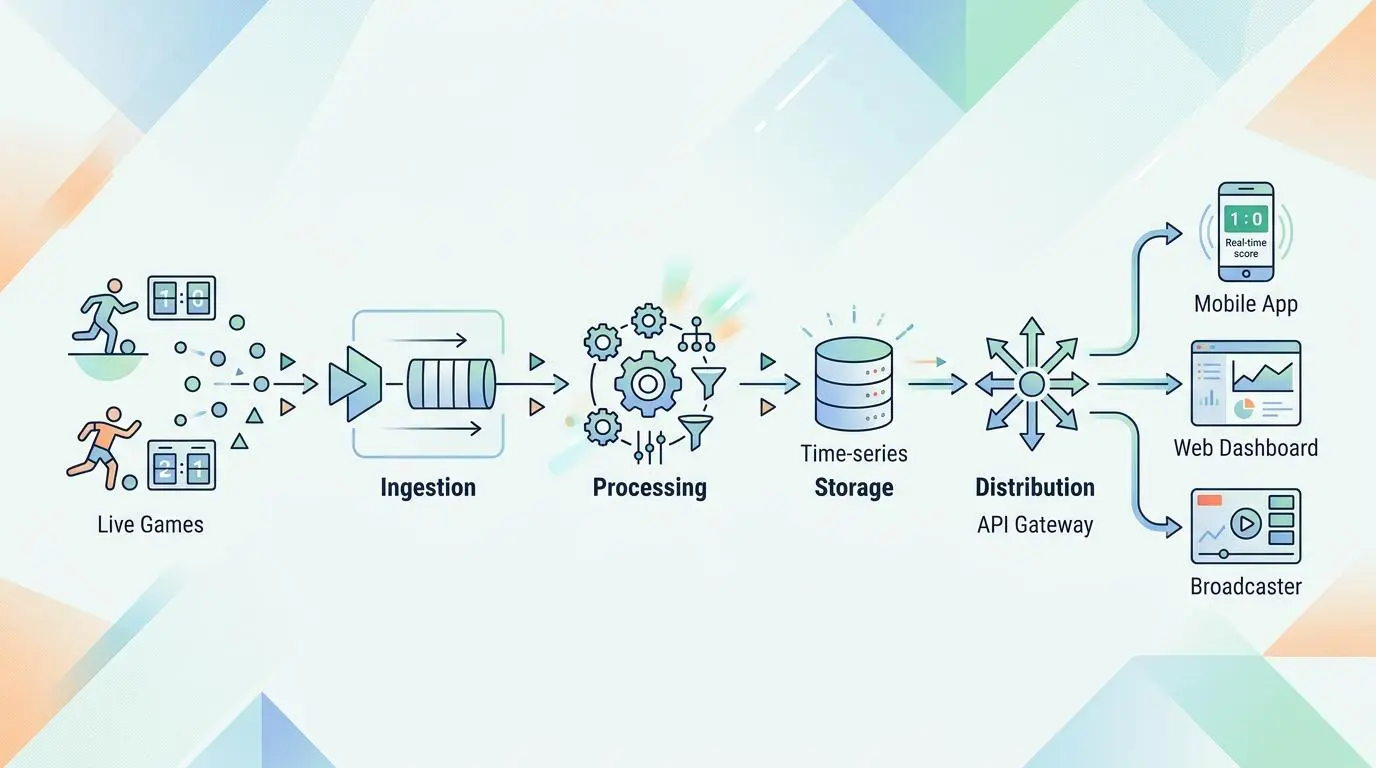
Modern programmatic architecture relies heavily on robust data sources. API-Football v3.9.3 provides real-time endpoints for over 900 competitions globally.
Pushing this massive data payload into a CMS requires sophisticated orchestration to avoid server overloads. Zapier’s 2026 multi-path logic allows for complex conditional branching based on live match events.
You can trigger entirely different page updates based on specific goal-differential thresholds. This means a blowout match can generate a completely different narrative structure than a tight draw.
However, high-traffic match windows like the 2026 World Cup introduce severe real-world friction. These massive traffic spikes often trigger strict API rate limits.
When rate limits are hit, automated workflows fail during peak search volume, leaving your pages frozen in time. To prevent this catastrophic failure, architects must deploy intelligent caching layers.
Implementing a polling-to-webhook middleware ensures that your CMS only requests data when a state change actually occurs. Key components of this architecture include:
- API-Football v3.9.3: Delivers real-time endpoints for global competitions.
- Zapier Multi-Path Logic: Enables complex conditional branching for dynamic page updates.
- Polling-to-Webhook Middleware: Prevents workflow failure during massive traffic spikes.
Accelerating Passive Indexing Pipelines
Passive crawling is officially dead for live sports statistics. A programmatic page generated at kickoff becomes semantically irrelevant by halftime.
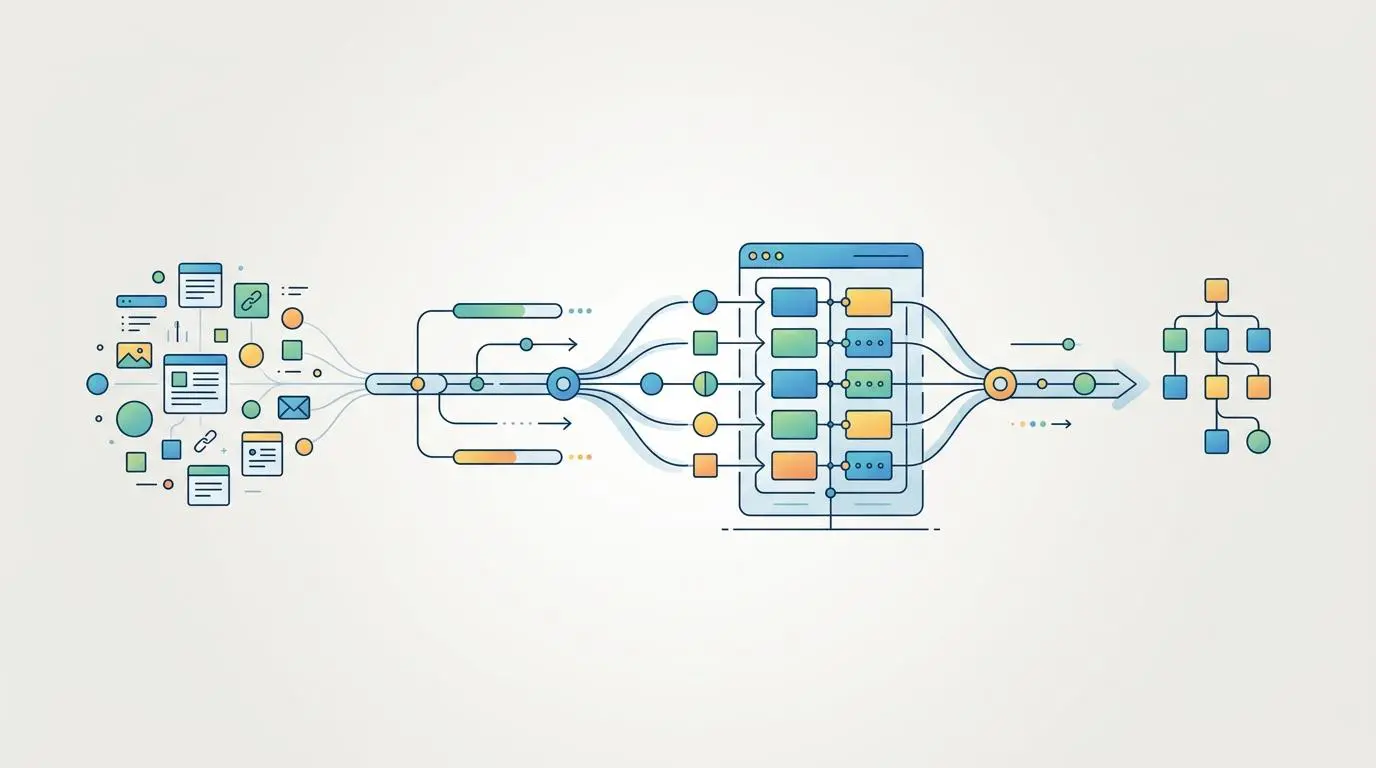
Relying on Googlebot to naturally discover these updates guarantees a stale data penalty. Instead, modern architectures utilize the IndexNow protocol alongside Google’s Indexing API for broadcast-type content.
This signals instant page state changes directly to the search engine’s ingestion layer. The moment a webhook fires from Zapier, a corresponding ping is sent to the search engines.
The impact of this direct submission strategy is undeniable. As of mid-2026, 22% of all organic clicks on Bing are originating from URLs submitted via the IndexNow protocol.
This metric proves that instant indexing is no longer optional for time-sensitive sports data. By forcing the search engine to fetch the updated HTML immediately, you bypass the traditional crawl queue.
This ensures that when users search for live match updates, your programmatic pages reflect the exact state of the game.
Automating Live Schema Injection

Raw statistics are useless to modern search algorithms without semantic context. Automated injection of structured data is required to secure rich result carousels for live scores.
Search engines need machine-readable context to understand what the numbers actually represent. Zapier’s Webflow and WP REST API integrations allow for the seamless insertion of dynamic markup.
Workflows can inject SportsEvent and StatisticalVariable schema the exact millisecond a goal is scored. This transforms a basic HTML table into a rich, semantic entity.
This automated injection satisfies Google’s stringent 2026 quality guidelines regarding Helpful Content. Programmatic pages that fail to include unique semantic insights alongside raw stats are increasingly filtered from AI Overviews.
You must wrap your data in context. By defining the exact teams, the stadium, the current minute of the match, and the specific event type within the JSON-LD, you spoon-feed the algorithm.
This dramatically reduces the cognitive load on the crawler, leading to faster processing and higher rankings.
Engineering RAG-Friendly Semantic HTML
Search engines in 2026 struggle immensely with heavy JavaScript rendering. When you rely on client-side scripts to load live scores, you introduce a massive rendering bottleneck.
AI crawlers often abandon the page before the statistics even populate. Programmatic pages must serve high-density, text-first HTML to be cited correctly in AI-generated summaries.
The data must be present in the raw DOM the moment the crawler arrives. This requires a shift away from dynamic client-side widgets toward server-side programmatic generation.
This architecture also requires the implementation of llms.txt files at the root domain level. These files provide a clean, standardized map of your programmatic content for large language models.
Semantic entity tagging ensures that sports data is accurately parsed by Retrieval-Augmented Generation pipelines. When AI search engines crawl your site, they need clean, machine-readable text.
By serving pre-rendered, semantically rich HTML, you guarantee that your programmatic sports pages become the primary source data for AI Overviews.
The Autonomous Agentic Horizon
By 2027, the industry will transition entirely to Autonomous Agentic SEO. AI vision models will extract statistics directly from live video feeds to update CMS entities in real-time.
This evolution will bypass traditional API intermediaries and eliminate latency issues completely. These autonomous agents will watch the match, interpret the events, write the semantic HTML, and ping the indexing APIs simultaneously.
The current reliance on third-party data providers will shift toward direct, AI-driven observation and generation. Navigating the intersection of technical SEO, programmatic architecture, and workflow automation requires a sharp strategy.
To future-proof your site’s architecture and scale with precision, connect with Andres at Andres SEO Expert.
Frequently Asked Questions
Why is real-time indexing critical for live sports SEO?
Real-time indexing is critical because search engines penalize URLs that serve stale data during high-velocity events. Programmatic synchronization prevents the indexing latency tax, ensuring users receive accurate scores immediately to preserve organic visibility and crawl budget.
How does the IndexNow protocol benefit programmatic sports content?
The IndexNow protocol allows publishers to push URL updates directly to search engines like Bing and Yandex, bypassing the passive crawl queue. This ensures that minute-by-minute match changes are ingested instantly, capturing significant organic traffic in competitive search landscapes.
Why is text-first HTML preferred over JavaScript for AI Overviews?
AI search engines and RAG pipelines prioritize high-density, text-first HTML because they often struggle with heavy JavaScript rendering bottlenecks. Serving pre-rendered content ensures that live statistics are present in the raw DOM, making them more likely to be cited in generative AI summaries.
How can API rate limits be managed during high-traffic sports events?
To prevent workflow failures during traffic spikes, architects should deploy intelligent caching layers and polling-to-webhook middleware. This infrastructure ensures the CMS only requests data when a state change actually occurs, preventing the frozen data crisis caused by exceeding API limits.
What structured data is essential for automated live score updates?
Automated injection of SportsEvent and StatisticalVariable JSON-LD schema is essential. This machine-readable context allows search engines to understand the semantic meaning of raw numbers, helping secure rich result carousels and visibility in AI-generated summaries.
What is the future of Autonomous Agentic SEO in sports content?
By 2027, Autonomous Agentic SEO is expected to use AI vision models to extract statistics directly from live video feeds. These agents will automatically update CMS entities and ping indexing APIs, eliminating reliance on third-party API intermediaries and further reducing synchronization latency.