Key Takeaways
- WordPress.com’s five-layer monetization path starts with a tip jar and ends with occasional sponsorships, while paid newsletters and sponsored posts stay strictly optional.
- A 2026 survey of 129 bloggers found a 12-month median to first dollar, and an average RPM of $129.92 for sites running four or more revenue streams versus $27.33 for single-stream sites.
- Low-effort revenue layers only convert when audience trust already exists, so the real work stays in audience-building and keeping the site fast and self-controlled.
Table of Contents
Passion-Led Monetization Without the Hustle
WordPress has just published a guide showing that a blog can offset its own costs without becoming a full-time side hustle.
The core idea is deliberately small: add a donation button, a relevant affiliate link, or a single payment button and then stop optimizing.
The guide, authored by Anam Hassan, argues that the goal should be ‘enough’—covering renewals, plugins, and creative tools—rather than building a personal brand or influencer pipeline.
The timing matters because, as WordPress.com points out, many niche publishers are now staring at rising AI subscription costs, stock licensing fees, and specialized plugins.
Five Low-Effort Revenue Layers for WordPress Publishers
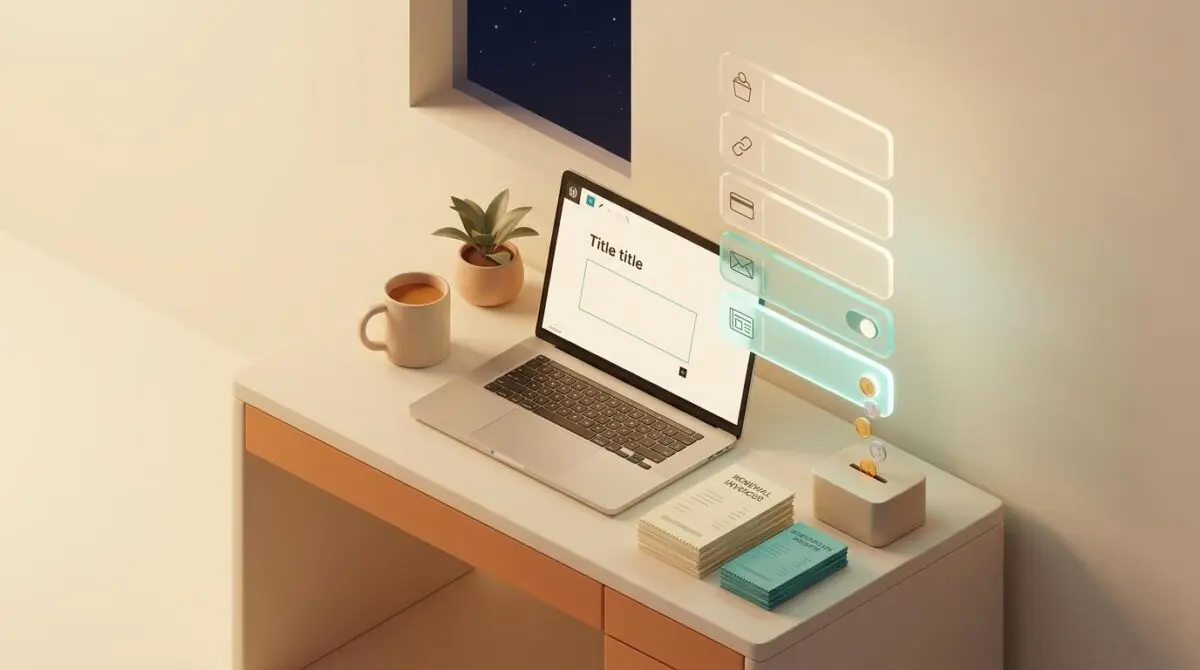
WordPress.com’s monetization stack splits into five incremental layers, each requiring progressively more upkeep.
The sequence starts with a passive tip jar and ends with occasional sponsored work, but the guide repeatedly warns against turning any layer into an obligation.
Tip Jar First
A Donations Form block is available on Premium, Business, and Commerce plans.
Publishers can collect one-time or recurring tips, set suggested amounts, and display the form inline or as a pop-up button.
WordPress.com also ships a preconfigured ‘Buy me a coffee’ button that can be customized for an even simpler entry point.
Affiliate Links Without Chasing Commissions
Affiliate links require no WordPress.com-specific configuration.
A blogger simply joins a merchant program and adds the link to recommendations already present in existing posts.
The guide stresses that disclosure is non-negotiable and that commission-chasing content reads very differently from genuine recommendations.
Single-Product Payment Buttons
The Payments block fills the gap between a donation and a full store.
It supports digital downloads without requiring a cart, plugin overhead, or a dedicated ecommerce setup.
Connect Stripe, set a price, and place the button on any page or post.
Paid Newsletters Only When Readers Ask
This is the first option in the sequence that demands recurring output.
WordPress.com already allows readers to subscribe by email, and a paid tier can be layered on for exclusive posts, early access, and bonus content.
The guide recommends holding off unless readers are explicitly asking for more.
Occasional Sponsored Posts
Sponsored posts become viable when a company whose product a blogger already uses reaches out.
The same disclosure rule applies as with affiliate links, and the guide cautions against building a sponsorship pipeline.
One or two sponsored posts per year can cover hardware or specialist gear without reshaping the site’s editorial direction.
WordPress.com’s guide is blunt about the threshold: paid newsletters and sponsored posts are optional, not mandatory.
For plenty of sites, a donation button and the occasional affiliate link cover the yearly costs.
What a 129-Blogger Income Survey Reveals About Small Site Economics
Newly released 2026 survey data from Shopify offers a sobering context for the low-effort model WordPress.com describes.
The 129-blogger self-selected sample shows median time to first dollar at 12 months, while just over one-quarter earned money within six months.
Among bloggers already earning, average monthly income climbs with blog age: from $4.44 for sites under one year to $7,060.72 for decade-old properties.
The biggest structural insight is about diversification: earning bloggers with four or more revenue streams reported an average total RPM of $129.92, compared with $27.33 for single-stream bloggers.
Shopify’s illustration underscores that buyer intent matters more than raw traffic: a travel blog might need around 100,000 visitors to generate $8,000, while a personal finance blog could reach the same figure with roughly 17,000 visitors.
The same research includes a cautionary affiliate signal: clicks rose 2% year over year, but transactions fell 5% and conversion rates dropped 6%.
Email benchmark data cited in the survey points to why automated flows matter: they achieved a 1.42% average placed-order rate, compared with 0.08% for manual campaigns.
For WordPress publishers, these numbers mean a single affiliate link or tip button is not a replacement for audience trust; it is a lightweight receiver of trust that already exists.
The Audience-First Reality Check and What Comes Next
A recurring practitioner critique in WordPress circles warns that content alone does not generate revenue; audience-building is the actual monetization engine.
Some independent publishers also argue that self-hosted WordPress.org remains the safer long-term choice because of ownership and customization limits on managed or free services.
That tension will not disappear just because WordPress.com’s lower-effort layer keeps setup friction near zero.
WordPress publishers should therefore set a real target around renewals and tools, then let one low-effort revenue layer prove itself before adding more. For publishers layering donation buttons, affiliate links, and payment blocks onto a site that must remain fast and available, managed WordPress cloud hosting is how Andres SEO Expert supports that revenue stack — start with the contact page.
Frequently Asked Questions
How can a WordPress blog cover its costs without becoming a full-time hustle?
It can add one low-effort revenue layer, such as a donation button, a relevant affiliate link, or a single payment button, then stop optimizing. The goal is to cover renewals, plugins, and creative tools rather than build a full personal brand or influencer pipeline.
What are the five low-effort revenue layers for WordPress publishers?
The five layers are a tip jar or donations form, affiliate links, single-product payment buttons, paid newsletters, and occasional sponsored posts. Paid newsletters and sponsored posts are optional because they require more recurring output or outreach.
Do WordPress publishers need a paid newsletter or sponsored posts to monetize?
No. WordPress.com’s guide says paid newsletters and sponsored posts are optional, not mandatory. Many sites cover yearly costs with a donation button and the occasional affiliate link. Add a paid newsletter only when readers explicitly ask for more, and consider sponsored posts only when a relevant company reaches out.
How long does it take bloggers to earn their first dollar according to the 2026 Shopify survey?
The 129-blogger survey shows a median time to first dollar of 12 months, while just over one-quarter earned money within six months. Average monthly income rises with blog age, from $4.44 for sites under one year to $7,060.72 for decade-old properties.
How does revenue diversification affect blogger RPM?
Earning bloggers with four or more revenue streams reported an average total RPM of $129.92, compared with $27.33 for single-stream bloggers. This suggests that diversification is strongly associated with higher revenue per thousand visitors.
Why does buyer intent matter more than raw traffic for blog income?
Shopify’s illustration shows that a travel blog might need around 100,000 visitors to generate $8,000, while a personal finance blog could reach the same figure with roughly 17,000 visitors. Higher buyer intent makes each visitor more valuable.
What is the audience-first critique of low-effort blog monetization?
The critique is that content alone does not generate revenue; audience-building is the actual monetization engine. A tip button or affiliate link is a lightweight receiver of trust that already exists, not a replacement for audience trust. Some publishers also prefer self-hosted WordPress.org for ownership and customization.