Key Points
- Multi-Party Computation (MPC) and Account Abstraction are eliminating the need for vulnerable seed phrases while delivering cold-storage-level security to everyday mobile devices.
- The rise of “Warm Wallets” and policy-driven environments allows institutions to execute thousands of trades per second without exposing liquidity to hot wallet vulnerabilities.
- Next-generation Smart Cold Wallets with built-in 5G capabilities are removing physical tethers, enabling secure, air-gapped transaction signing from anywhere in the world.
Table of Contents
The Friday Night Friction
Picture this: the market is moving fast, a rare investment opportunity just opened up, and you need to move funds immediately. But your assets are locked away in a physical device sitting in a safe across town, completely disconnected from the internet. By the time you retrieve it, plug it in, and authorize the transfer, the golden window has slammed shut.
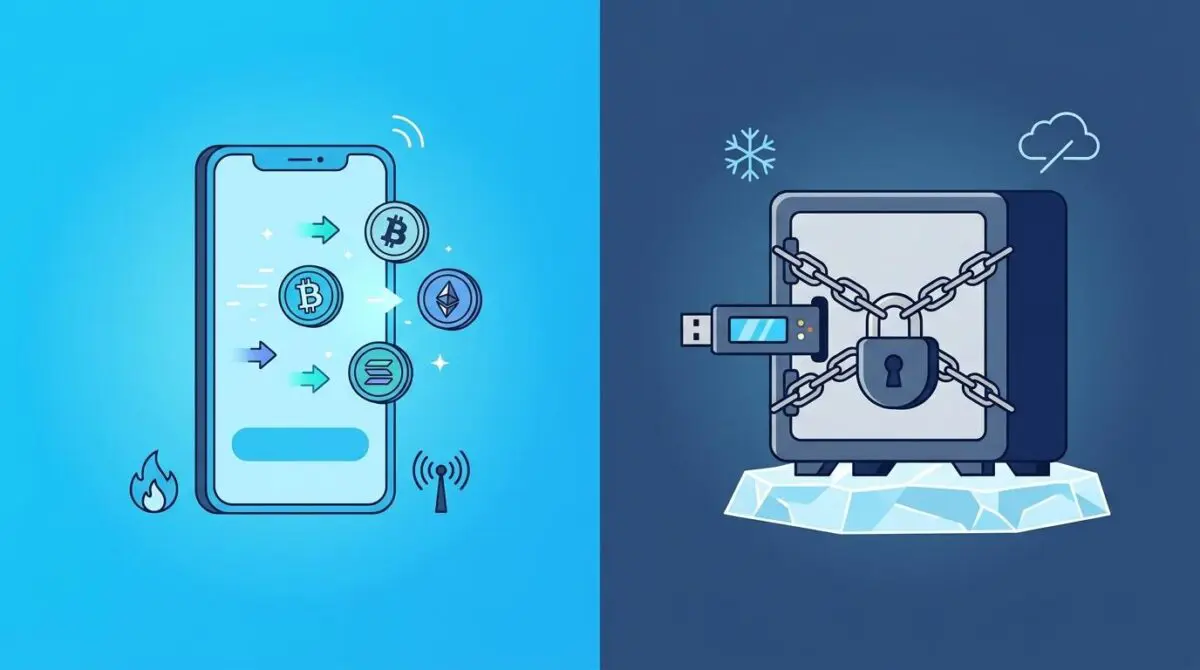
This is the classic security-liquidity paradox that plagues modern crypto users. You are forced to choose between keeping your money in a highly accessible but vulnerable online app, or burying it in a digital vault that takes hours to unlock.
Fortunately, the evolution of digital asset custody architecture is changing the rules of the game. We no longer have to sacrifice peace of mind for transactional speed.
By bridging the gap between hot wallets and cold wallets, this new framework acts like a high-tech financial sorting facility. It keeps your everyday spending money at your fingertips while wrapping your life savings in impenetrable, bank-grade armor.
The Hidden Cost of Convenience
Market Intelligence & Data
Annual Hot Wallet Exploits
The Chainalysis 2026 Crypto Crime Report indicates that decentralized finance (DeFi) exploits targeting hot wallet vulnerabilities reached this record high in 2025.
Institutional Cold Storage Adoption
A 2025 Goldman Sachs Digital Asset Survey found that 65% of institutional holders now mandate 100% of ‘long-term’ holdings be kept in multi-signature cold storage.
Active Hot Wallet Users
Statista’s 2026 Global FinTech Report confirms that monthly active hot wallet users hit 150 million globally in Q1 2026, driven by retail gaming and micro-payments.
Hardware Wallet Market CAGR
Grand View Research reported in 2025 that the hardware (cold) wallet market is expanding at a 22% compound annual growth rate through 2026.
The staggering $4.3 billion lost to hot wallet exploits in 2025 highlights a terrifying reality for everyday investors. When you leave your assets in a browser extension or mobile app, you are essentially walking through a crowded digital marketplace with an open wallet. Hackers have become incredibly sophisticated, using malicious smart contracts to drain accounts in seconds. This massive financial drain proves that relying solely on internet-connected storage is a gamble most people cannot afford to take.
On the other side of the spectrum, the 65% adoption rate of multi-signature cold storage by major institutions reveals the gold standard for wealth preservation. Wall Street giants do not take chances with billions of dollars, and they mandate that long-term holdings stay completely offline. However, managing this physical hardware requires complex procedures and multiple authorized signers to move a single cent. It is the equivalent of requiring three different bank managers to turn their keys simultaneously just to open the vault.
Despite the known risks, the sheer convenience of decentralized finance has driven active hot wallet users to a record 150 million globally. People need instant access to their funds to participate in micro-payments, online gaming, and daily trading. This explosive growth emphasizes that the modern financial consumer refuses to be slowed down by cumbersome security protocols. To bridge this gap, innovative platforms use MPC (Multi-Party Computation) to simulate cold security while maintaining the tap-and-go accessibility of a hot wallet.
The 22% compound annual growth rate of the hardware wallet market shows that retail investors are finally waking up to the necessity of self-custody. As more people experience the pain of frozen exchange accounts or hacked apps, the demand for offline protection is surging. Modern hardware devices now utilize Secure Element (SE) chips that are EAL6+ certified, providing military-grade defense against physical tampering. This rapid market expansion signals a massive shift toward taking personal ownership of digital wealth.
Solving the Liquidity Paradox
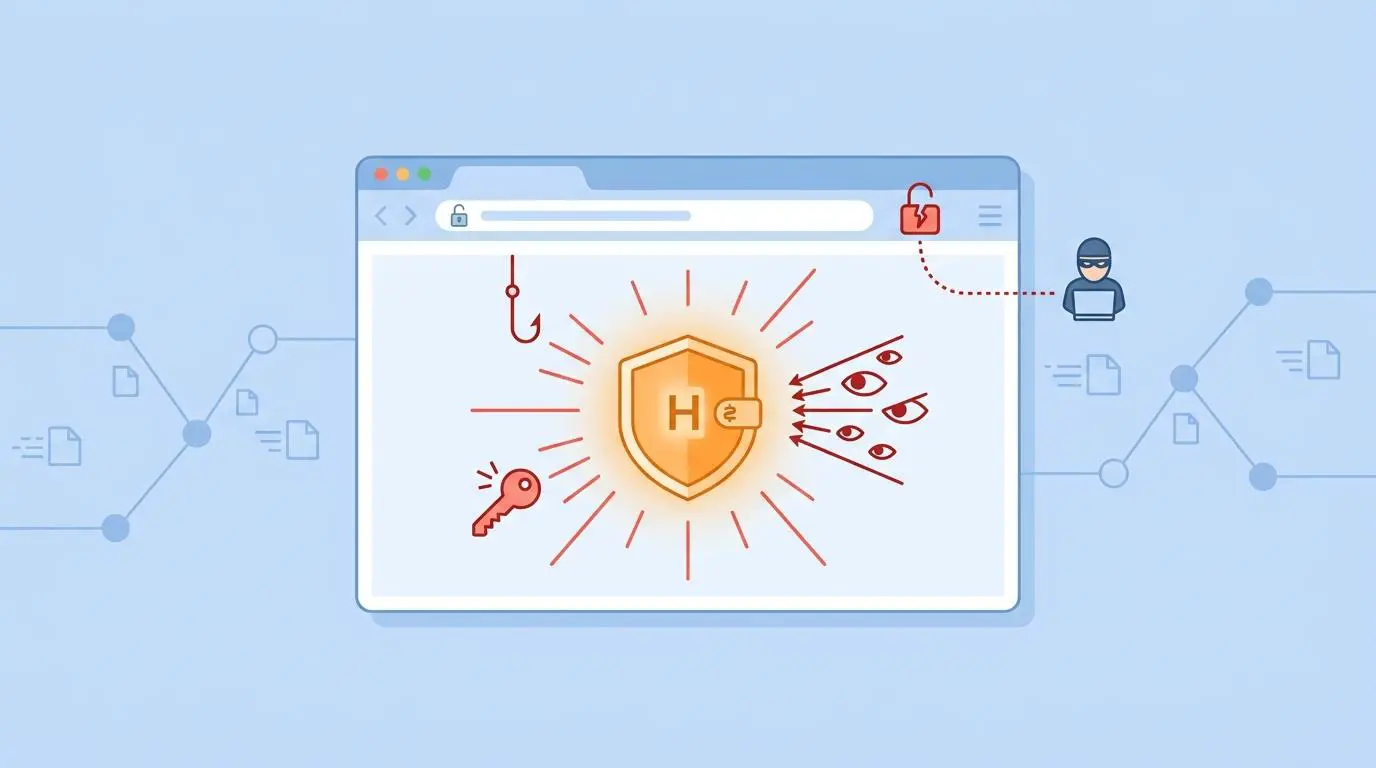
Retail users and small businesses frequently encounter what industry insiders call the “Friday Night Friction.” This happens when funds locked securely in an air-gapped cold storage device take hours to transfer to an active hot wallet. When the market experiences sudden volatility, this manual latency can cost thousands of dollars in missed opportunities.
It is like having a safe full of gold bars when you need to quickly pay for a cup of coffee. The friction between absolute security and instant liquidity makes everyday commerce incredibly frustrating.
Modern digital asset custody architecture solves this by using Multi-Party Computation (MPC). This technology breaks your private key into invisible, scattered shards across multiple servers and your mobile device. You get the instant transaction speed of a hot app without ever exposing a complete key to hackers.
Surviving the Ice Phishing Epidemic
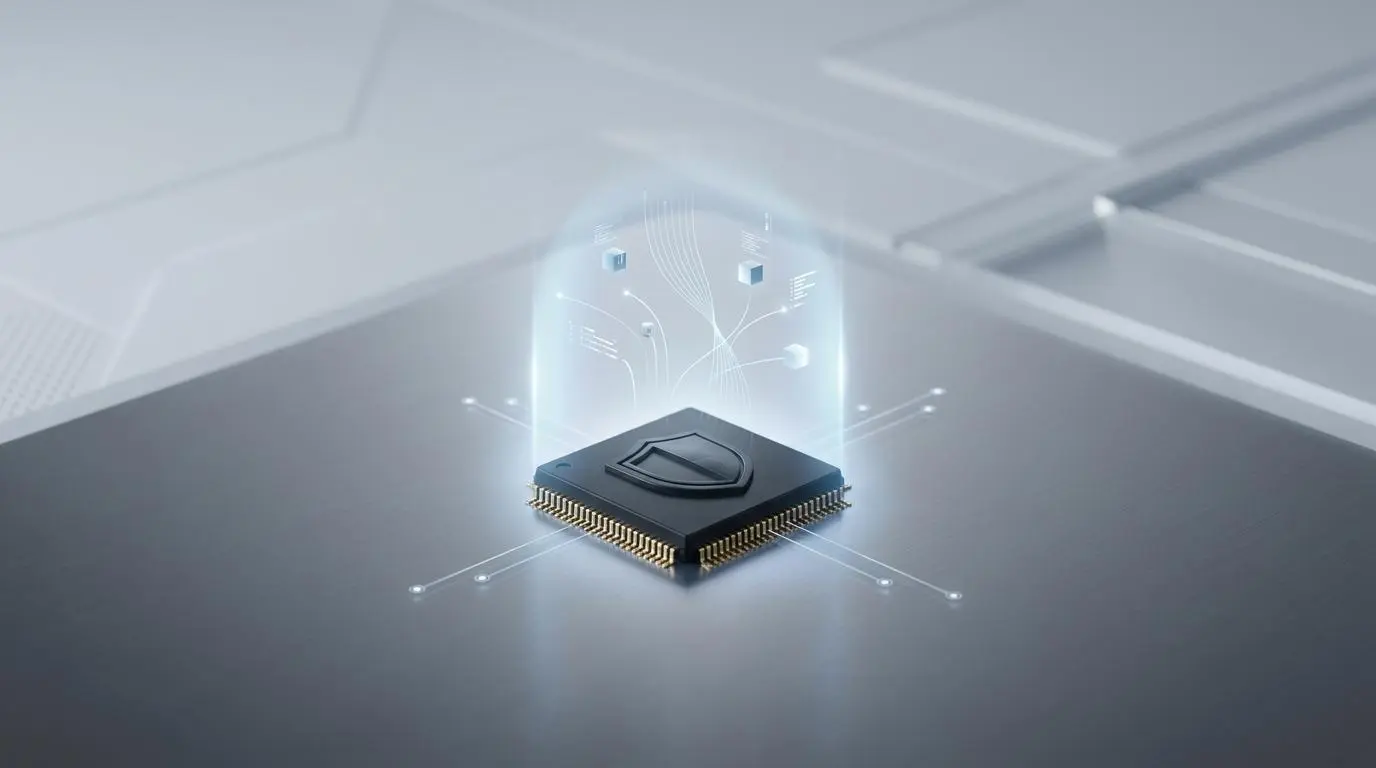
The dramatic rise of wallet-draining “ice phishing” attacks has turned basic browser-based hot wallets into massive liabilities. In these scams, users are tricked into signing a malicious transaction that looks completely legitimate. Because non-custodial storage lacks insurance or a traditional bank’s chargeback mechanism, a single wrong click can permanently erase your wealth.
The FBI reported that victims lost an average of $12,000 each in 2025 simply by interacting with the wrong website. Relying exclusively on a hot wallet without a hardware-level signing mechanism is like handing your house keys to a stranger.
Cold wallets act as a physical checkpoint, forcing you to manually review and approve the transaction on a separate, offline screen. This critical pause prevents automated scripts from silently draining your funds in the background.
Zero-Trust Hardware and Wealth Protection

Protecting your digital identity from sophisticated remote code execution attacks requires a fundamental shift in how we view hardware. Devices like the Ledger Flex and Trezor Safe 5 operate on a strict “Zero-Trust” philosophy. This means that even if your laptop is completely infected with malware, the hardware wallet assumes the computer is compromised.
The magic happens entirely inside the device’s Secure Element chip, completely isolated from the internet. Your private key never leaves this tiny, impenetrable fortress.
Interestingly, a 2026 study by the Blockchain Security Alliance revealed that air-gapped wallets using QR-code communication are 40% less susceptible to side-channel attacks. By eliminating the physical USB connection, they remove the risk of malicious firmware injection entirely.
Ending Seed Phrase Anxiety
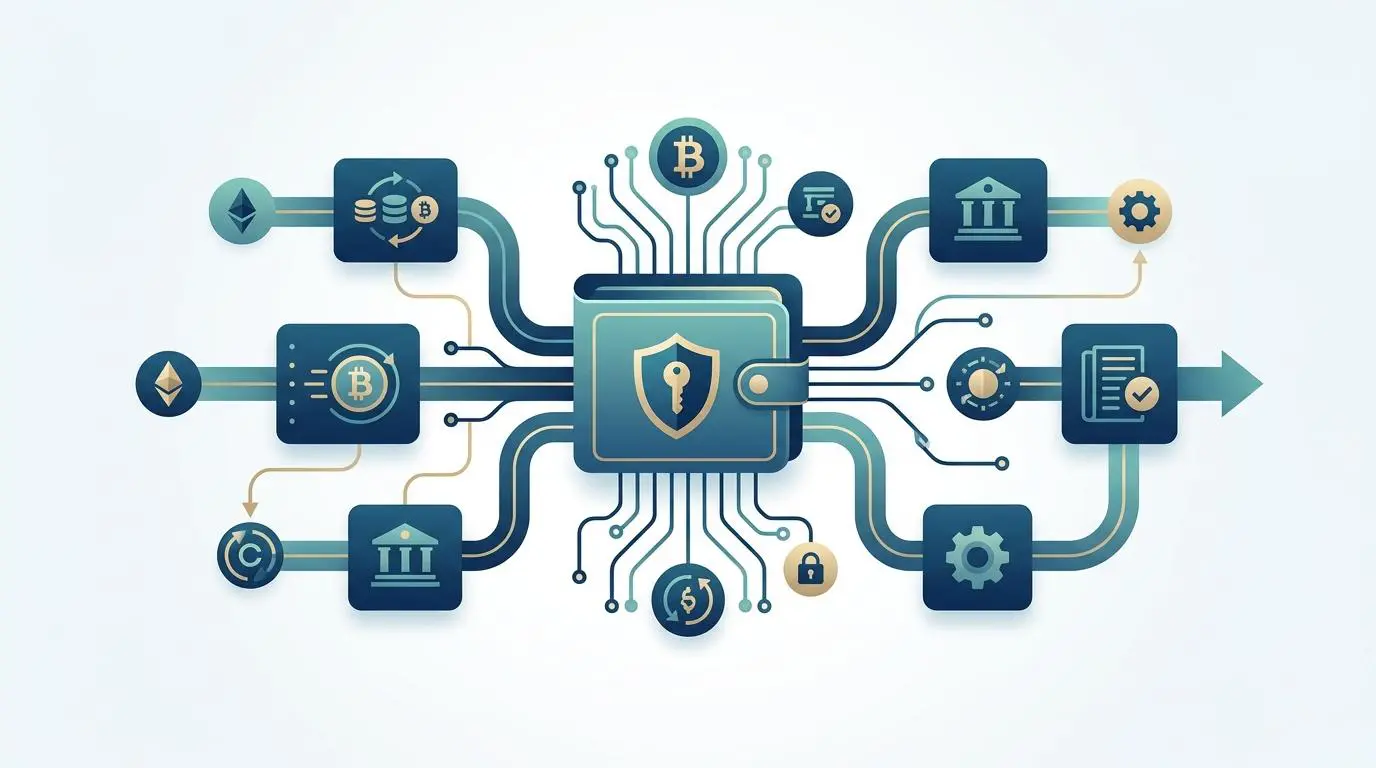
For years, the biggest hurdle to mainstream crypto adoption has been the terrifying concept of the 24-word seed phrase. Losing that single piece of paper meant the permanent destruction of your personal wealth. This anxiety kept millions of potential users from ever taking self-custody of their assets.
The rise of Account Abstraction (ERC-4337) in 2026 completely rewired this stressful user experience. Wallets like Argent now offer next-generation recovery features that include:
- Social Recovery: Designating trusted friends to approve account restoration.
- Biometric Authentication: Using facial recognition instead of written passwords.
- Time-Locked Transfers: Delaying large transactions to prevent unauthorized theft.
Instead of guarding a piece of paper, you can rely on intuitive safeguards. It delivers the robust security of cold storage with the familiar, frictionless experience of a modern banking app.
Institutional Scale Without Compromise
Large financial institutions face a completely different scale of the liquidity paradox. They cannot wait for a human being to physically press a button on a hardware wallet to execute 10,000 automated client trades per second. Yet, holding billions in a standard hot wallet is an unacceptable security risk.
To solve this, enterprise-grade platforms like Fireblocks developed the “Warm Wallet” approach. This system uses specialized, hardware-protected environments combined with strict, automated policy engines.
It allows companies to manage massive pools of liquidity at lightning speed. The system automatically enforces transaction limits and whitelists, blending cold-level authorization protocols with hot-level execution speeds.
The Smart Cold Wallet Revolution
The traditional cold wallet has always been tethered to a desktop computer or a physical cable, severely limiting mobility. If you were traveling and the market crashed, you were entirely helpless to manage your institutional-grade portfolio.
By late 2026, the introduction of the Smart Cold Wallet is eliminating this physical tether completely. These next-generation hardware devices come equipped with built-in eSIMs and secure 5G connections.
They allow you to perform secure, air-gapped transaction signing from anywhere in the world without needing a laptop. This breakthrough finally merges the ultimate mobility of a hot wallet with the uncompromising security of cold storage.
The Future of Frictionless Finance
By the end of 2026, the rigid boundary between hot and cold wallets will dissolve completely. We are entering an era of “Hybrid Abstraction,” where biometric enclaves in your smartphone will act as the cold layer, while cloud-sharded MPC nodes handle the hot execution.
This seamless integration will effectively end the era of the physical seed phrase, making digital asset custody as intuitive as sending a text message. The days of choosing between bulletproof security and instant liquidity are over. The modern financial ecosystem demands both, and the technology has finally caught up to user expectations.
Navigating the intersection of modern FinTech, digital banking, and financial growth requires a sharp strategy. To future-proof your financial tech stack and scale your wealth or business with precision, connect with Andres at Andres SEO Expert.
Frequently Asked Questions
What is the main difference between hot and cold crypto wallets?
A hot wallet is an internet-connected application designed for frequent transactions and immediate accessibility, while a cold wallet is an offline hardware device used for long-term storage and high-level protection against remote hacking attempts.
How does Multi-Party Computation (MPC) enhance digital asset security?
MPC technology breaks a private key into multiple encrypted shards distributed across different devices. This architecture allows for the transaction speed of a hot wallet without ever exposing a complete, vulnerable key to potential attackers.
What is ice phishing and how can it be prevented?
Ice phishing is a scam where users are tricked into signing malicious transactions that drain their wallets. Cold storage prevents this by acting as a physical checkpoint, requiring users to manually review and approve every transaction on an offline screen.
Can I recover my crypto assets without a 24-word seed phrase?
Yes, through Account Abstraction (ERC-4337), modern wallets now offer social recovery, biometric authentication, and time-locked transfers, allowing users to restore access to their funds without relying on a physical piece of paper.
Why are Secure Element (SE) chips important for hardware wallets?
Secure Element chips, often EAL6+ certified, provide a military-grade hardware defense. They ensure that private keys remain isolated in an impenetrable fortress inside the device, protecting them even if the connected computer is infected with malware.
What is a ‘Warm Wallet’ in institutional custody?
A warm wallet is an enterprise-grade solution that uses hardware-protected environments and automated policy engines. It allows institutions to execute high-volume trades at lightning speed while maintaining cold-storage levels of authorization and security.