



Executive Summary
- Optimizes crawl budget by providing clear, crawlable paths to deep-seated content and products.
- Prevents duplicate content issues and indexation errors through the strategic use of self-referencing canonical tags.
- Enhances site performance and Core Web Vitals by managing DOM size and reducing initial page load latency.
What is Pagination?
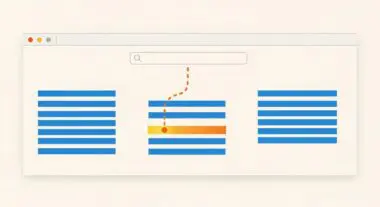
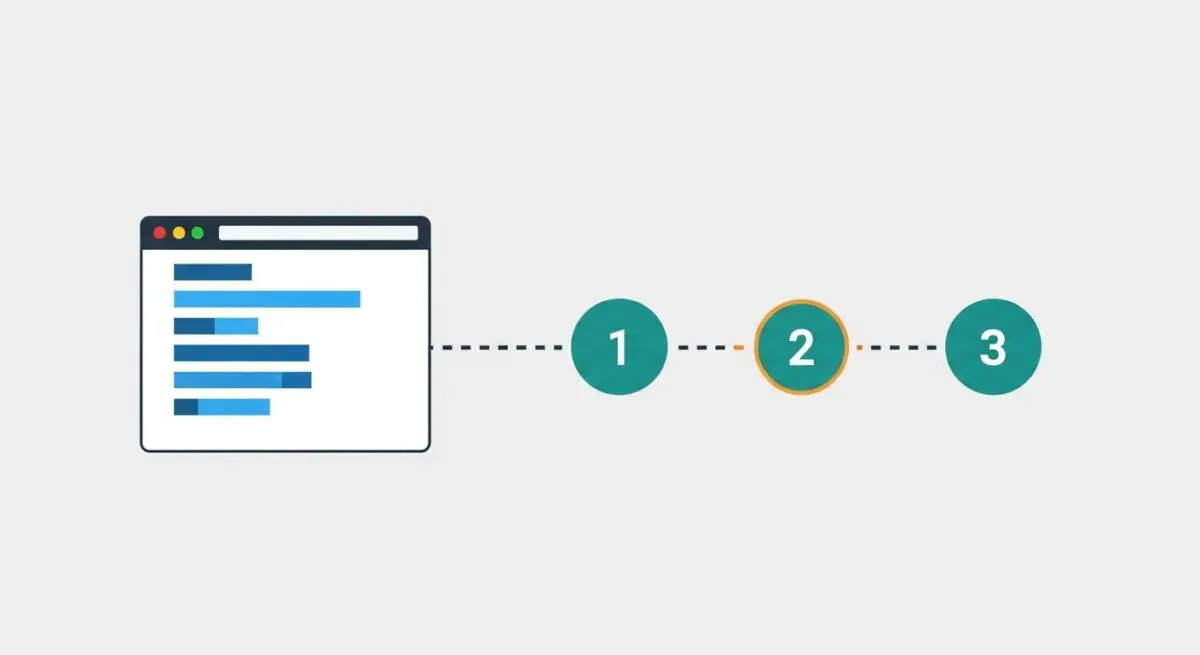
Pagination is a technical architectural method used to divide a large dataset or a continuous stream of content into discrete, sequential pages. This technique is ubiquitous in e-commerce category listings, blog archives, and forum threads. From a web performance perspective, pagination is essential for managing the Document Object Model (DOM) size, ensuring that browsers do not become unresponsive when attempting to render thousands of items simultaneously. By breaking content into manageable chunks, developers can significantly improve Largest Contentful Paint (LCP) and overall server response times.
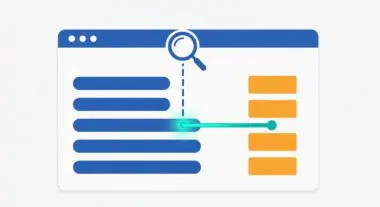
In the context of modern search engine optimization, pagination serves as a navigational roadmap for crawlers. While Google deprecated the rel=”next” and rel=”prev” link attributes as indexing signals in 2019, pagination remains a core component of internal linking. It allows search engine bots to discover and flow PageRank to individual detail pages—such as products or articles—that would otherwise remain orphaned or buried too deep within the site hierarchy to be indexed effectively.
The Real-World Analogy
Imagine a massive 1,000-page technical encyclopedia. If all the information were printed on a single, miles-long scroll of paper, it would be physically impossible to handle, and finding a specific entry would take hours. Instead, the encyclopedia is divided into numbered pages and organized into volumes with a clear table of contents. Pagination is that volume and page numbering system; it allows the reader (the user) and the librarian (the search engine) to navigate directly to specific sections, understand the total scope of the work, and reference individual pieces of information without being overwhelmed by the entire collection at once.
Why is Pagination Important for SEO?
Pagination is critical because it directly impacts a website’s crawl budget and indexation depth. If pagination is implemented incorrectly—for instance, using non-crawlable JavaScript triggers instead of standard HTML links—search engines may fail to reach content located beyond the first page. This leads to a significant loss in organic visibility for products or articles deeper in the sequence. Furthermore, pagination facilitates the distribution of internal link equity. A well-structured paginated series ensures that authority flows from high-level category pages down to specific Product Detail Pages (PDPs), maintaining their competitive relevance in search results.
Best Practices & Implementation
- Use Crawlable HTML Links: Ensure all pagination controls utilize standard <a href> tags. Avoid relying on client-side JavaScript events that do not have a server-side rendered URL fallback, as these can hinder discovery by search engine bots.
- Implement Self-Referencing Canonicals: Each page within a paginated series (e.g., /shop?page=3) should contain a canonical tag pointing to its own URL. Do not canonicalize all pages to the first page of the series, as this may cause search engines to stop crawling and indexing the unique items found on subsequent pages.
- Optimize Metadata for Clarity: While the primary <title> and <meta description> can remain similar across the series, appending the page number (e.g., “Industrial Tools – Page 4”) helps search engines distinguish between the pages and prevents “Duplicate Title Tag” warnings in technical audits.
- Prioritize Crawl Efficiency: For sites with hundreds of paginated pages, implement “jump-to” links (e.g., linking to pages 1, 2, 3, 10, 20, 50) to reduce the click depth required for a crawler to reach the end of the list.
Common Mistakes to Avoid
A frequent error is applying a noindex tag to paginated pages. While some practitioners do this to save crawl budget, it often prevents search engines from following the links on those pages, effectively cutting off the flow of authority to the products listed there. Another critical mistake is using “Infinite Scroll” without a PushState implementation; if the URL does not update as the user scrolls, search engines will only ever see and index the content visible on the initial page load.
Conclusion
Pagination is a fundamental technical requirement for balancing user experience with search engine discoverability. Proper implementation ensures that every page within a sequence contributes to the site’s overall authority and that all sub-content remains accessible for indexation.