



Executive Summary
- WP-JSON serves as the structural gateway for the WordPress REST API, facilitating standardized data exchange via JSON.
- It enables decoupled architectures, allowing external applications and the Gutenberg editor to interact with core WordPress data.
- Optimization of WP-JSON endpoints is critical for maintaining server performance and preventing unauthorized data enumeration.
What is WP-JSON?
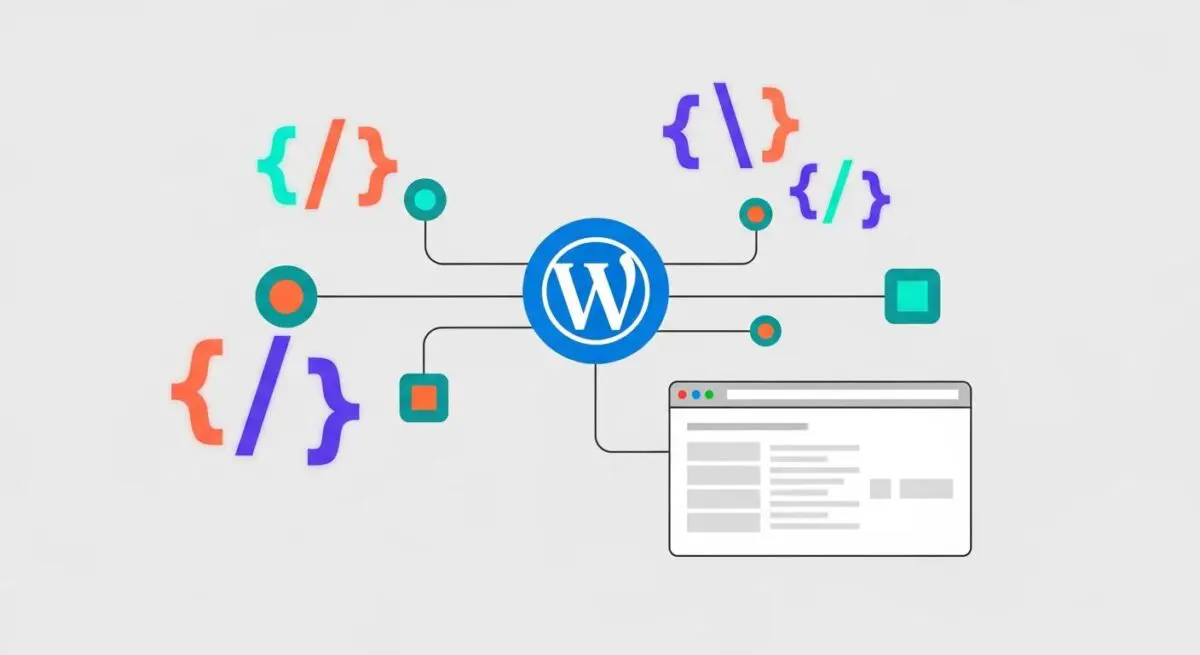
WP-JSON is the default URL prefix and structural gateway for the WordPress REST API. It serves as the programmatic interface that allows developers and external systems to interact with a WordPress site’s database using standardized HTTP methods. By accessing the /wp-json/ namespace, applications can retrieve, create, or modify content in JavaScript Object Notation (JSON) format, which is a lightweight and language-agnostic data-interchange format.
In the context of WordPress architecture, WP-JSON is the entry point for the WP_REST_Server class. This system handles the routing of requests to specific endpoints and manages the serialization of data. It is the foundational technology that enables WordPress to function as a ‘headless’ CMS, where the back-end content management is entirely decoupled from the front-end presentation layer, facilitating integration with modern JavaScript frameworks like React, Vue, or mobile platforms.
The Real-World Analogy
Think of a WordPress site as a massive manufacturing plant. The front-end website is the public showroom where visitors see finished products. WP-JSON is the automated shipping terminal at the back of the factory. Instead of visitors walking through the showroom, external distributors send digital manifests (API requests) to the terminal. The terminal then provides standardized shipping containers (JSON objects) filled with specific data or components. This allows other businesses or applications to utilize the factory’s output efficiently without ever needing to step foot in the showroom.
How WP-JSON Impacts Server Performance & Speed Engineering?
WP-JSON has a profound impact on server resource management because every API request triggers a partial WordPress load sequence. While it enables dynamic, client-side experiences, unoptimized or high-frequency requests can lead to significant CPU spikes and increased Time to First Byte (TTFB). Since REST API responses are often dynamic, they frequently bypass standard page caching, necessitating the implementation of object caching (e.g., Redis) or specialized REST-specific edge caching to maintain performance under load.
From a speed engineering perspective, WP-JSON allows for the ‘lazy loading’ of data, which improves Core Web Vitals. By serving a lightweight initial HTML document and fetching secondary content via WP-JSON only when required, developers can significantly reduce the Largest Contentful Paint (LCP) and Total Blocking Time (TBT). However, this requires careful orchestration of asynchronous requests to avoid ‘waterfall’ delays in the browser’s rendering engine.
Best Practices & Implementation
- Implement REST API Caching: Utilize server-side caching mechanisms like Nginx FastCGI cache or dedicated plugins to store JSON responses, drastically reducing PHP and database overhead.
- Restrict Namespace Access: Use the rest_pre_dispatch filter to disable or restrict access to unused API namespaces, reducing the server’s attack surface and processing load.
- Utilize Field Filtering: Leverage the _fields parameter in API requests to return only the specific data points required, minimizing the JSON payload size and reducing network latency.
- Optimize Custom Endpoints: When developing custom routes, ensure that underlying SQL queries are indexed and optimized to prevent database bottlenecks during high-concurrency API traffic.
Common Mistakes to Avoid
A primary error is leaving the WP-JSON endpoint fully exposed to public enumeration, which allows bots to scrape user data and site configurations. Another frequent mistake is failing to implement robust rate limiting, making the server vulnerable to API-based Denial of Service (DoS) attacks. Finally, many organizations overlook the importance of monitoring the performance of the /wp-json/ namespace, leading to silent performance degradation as the site’s data volume grows.
Conclusion
WP-JSON is a critical component of modern WordPress architecture that requires strategic caching and security configurations to ensure high-availability and optimal server performance.