



Executive Summary
- Image compression utilizes lossy and lossless algorithms to reduce file sizes by removing redundant pixel data and metadata.
- Optimizing image payloads is critical for improving Largest Contentful Paint (LCP) and reducing overall page load times.
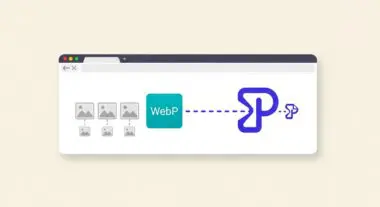
- Modern speed engineering prioritizes next-generation formats like AVIF and WebP to achieve maximum efficiency without sacrificing visual quality.
What is Image Compression?
Image compression is the process of encoding digital image data to reduce the total file size in bytes, facilitating more efficient storage and transmission over networks. This is achieved through mathematical algorithms that identify and remove spatial redundancy or irrelevancy within the pixel data. In the context of web performance, compression is categorized into two primary methodologies: lossless and lossy.
Lossless compression reduces file size by removing unnecessary metadata or optimizing the way data is stored without losing any original pixel information, ensuring the reconstructed image is identical to the source. Conversely, lossy compression achieves significantly higher reduction ratios by permanently discarding data that is less perceptible to the human eye, such as subtle color variations. Modern speed engineering relies heavily on lossy techniques applied to next-generation formats like WebP and AVIF to minimize the payload of visual assets.
The Real-World Analogy
Imagine you are packing a suitcase for a trip. A lossless approach is like folding your clothes very neatly to remove the air between them; you haven’t changed the clothes, just how they are arranged. A lossy approach is like using vacuum-seal bags to compress bulky sweaters. While the sweaters might get slightly wrinkled (minor artifacts), you can fit significantly more items into the same suitcase, making the entire bag much lighter and easier to carry through a crowded airport.
Why is Image Compression Critical for Website Performance and Speed Engineering?
Image compression is a primary lever for optimizing Largest Contentful Paint (LCP), as images often constitute the largest visual elements in the viewport. By reducing the byte-weight of these assets, we decrease the time required for the browser to download the resource, directly accelerating the render path. Furthermore, smaller image files reduce the total page weight, which lowers data consumption for mobile users and decreases the strain on server bandwidth and edge caching nodes.
Effective compression also mitigates the risk of Cumulative Layout Shift (CLS) when combined with proper dimension attributes, as it ensures that high-resolution assets do not delay the final positioning of page elements. In high-traffic enterprise environments, the cumulative effect of saving a few hundred kilobytes per image can result in terabytes of saved bandwidth and significantly improved Time to Interactive (TTI) across global audiences.
Best Practices & Implementation
- Transition to Next-Gen Formats: Implement AVIF or WebP formats, which offer superior compression ratios compared to legacy JPEG or PNG formats at equivalent quality levels.
- Automate via Image CDNs: Utilize real-time image transformation services to automatically serve the most compressed version of an image based on the user’s browser capabilities.
- Implement Responsive Images: Use the srcset and sizes attributes to ensure the browser only downloads the smallest image necessary for the user’s specific screen resolution.
- Strip Unnecessary Metadata: Ensure that EXIF data, color profiles, and creator comments are removed during the build process to shave off additional kilobytes without affecting visual quality.
Common Mistakes to Avoid
One frequent error is the over-reliance on legacy formats like PNG for photographic content, which results in unnecessarily large file sizes. Another common mistake is “over-compression,” where aggressive lossy settings create visible blocking artifacts that degrade the user experience and brand authority. Finally, many organizations fail to automate the compression pipeline, leading to inconsistent performance as manual uploads bypass optimization standards.
Conclusion
Image compression is a fundamental pillar of speed engineering that balances visual fidelity with data efficiency to ensure rapid delivery and optimal Core Web Vitals.