


Key Points
- Transition from lagging indicator bias to predictive engagement models to identify burnout risks before they impact your bottom line.
- Empower middle management with AI coaching assistants to bridge the feedback gap and deploy empathetic oversight across distributed teams.
- Implement structural workflow changes and asynchronous communication to reclaim lost focus time and combat digital tool sprawl.
Table of Contents
- The Silent Cost of Lagging Indicator Bias
- Quantifying the Disengagement Tax
- Navigating the Great Stay Paradox
- Empowering the Squeezed Middle Manager
- Reclaiming Focus from Digital Tool Sprawl
- Shifting from Gut Feelings to Predictive Algorithms
- Rebuilding Social Capital in Distributed Teams
- Preparing for the Biometric Wellness Era
- Engineering Resilient and Adaptive Workforces
The Silent Cost of Lagging Indicator Bias
The harsh truth is that by the time your annual engagement survey results are tallied, your top performers have already mentally checked out. Organizations today are trapped by a dangerous lagging indicator bias that completely misses the rapid onset of burnout.
Relying on quarterly or yearly feedback cycles is like driving a high-speed vehicle while only looking in the rearview mirror. This outdated approach fails to capture the nuances of quiet quitting in a hyper-automated, always-on digital environment.
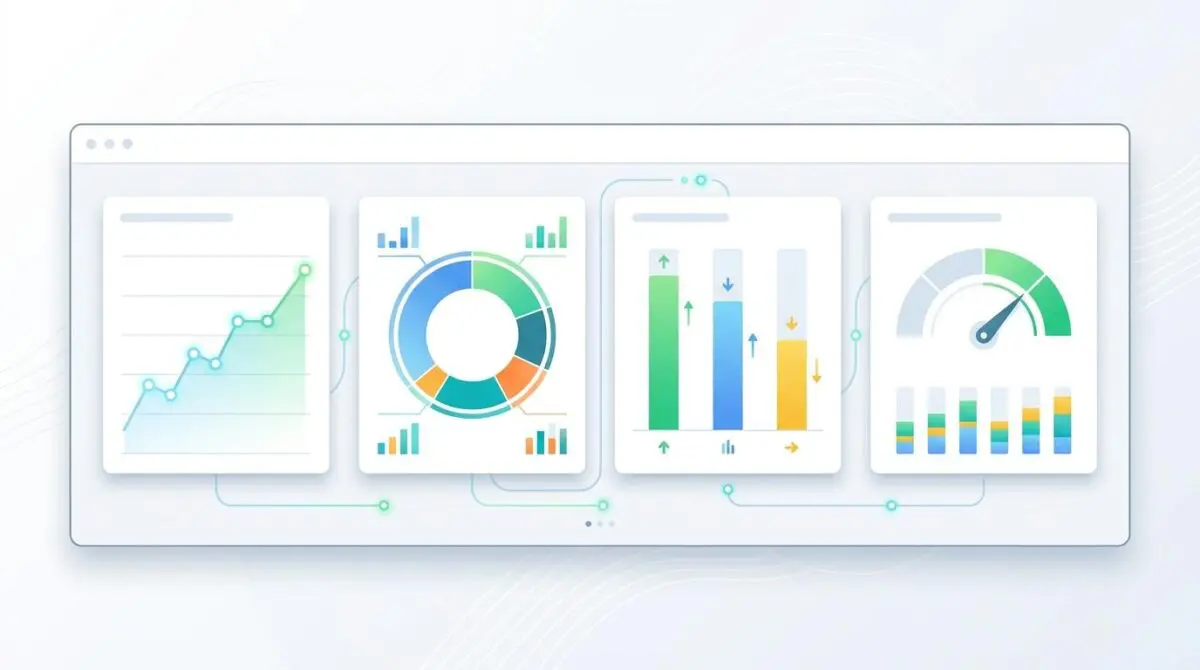
To survive and scale, modern organizations must adopt real-time AI sentiment and predictive engagement analytics as their core operational framework. This strategic shift transforms morale from a fuzzy HR concept into a measurable, actionable business metric.
By analyzing continuous data streams, leaders can identify friction points before they escalate into full-blown cultural crises. It is no longer about asking employees how they felt last month; it is about predicting what they need tomorrow.
Implementing this analytical entity allows companies to intervene during the critical window when an employee first begins to disengage. It empowers managers to shift from reactive problem-solving to proactive team building.
Ultimately, mastering real-time sentiment analysis is the definitive strategy for retaining top talent and driving sustainable organizational growth.
Quantifying the Disengagement Tax
Market Intelligence & Data
Global Engagement Floor
According to the Gallup State of the Global Workplace: 2026 Report, global employee engagement fell to just 20% in 2025, reaching its lowest level since the 2020 pandemic.
Global Productivity Drain
Gallup’s 2026 analysis estimates that low employee engagement now costs the global economy approximately $10 trillion in lost productivity, equivalent to roughly 9% of global GDP.
CHRO AI Mandate
The 2026 SHRM CHRO Priorities and Perspectives report reveals that 92% of senior HR leaders plan to further integrate AI into the workforce this year to address morale and engagement gaps.
Digital Exhaustion Surge
According to the Microsoft Work Trend Index 2025-2026 insights, digital exhaustion from meeting and message overload has increased 42% year-over-year, significantly eroding employee morale.
The stark reality of modern workplace dynamics is clearly outlined in the Gallup State of the Global Workplace report, which highlights a devastating drop to a 20% global engagement floor. This metric is not just a human resources concern; it is a critical operational failure.
When 80% of your workforce is merely going through the motions, innovation stagnates and customer experience inevitably suffers. Leaders must recognize this floor as an urgent signal to overhaul their internal communication and feedback loops.
This widespread apathy translates directly into a staggering $10 trillion global productivity drain. Disengaged employees create a hidden tax on every project, missing deadlines, making costly errors, and requiring deeper managerial oversight.
This massive financial hemorrhage proves that morale is not a soft metric, but rather a hard economic reality that dictates profit margins. Companies that fail to invest in predictive engagement tools are simply bleeding capital without realizing it.
In response to this crisis, a massive 92% of Chief Human Resources Officers are now mandating AI integration to bridge the engagement gap. This overwhelming consensus indicates a definitive shift from traditional management to technologically enhanced leadership.
By leveraging AI to monitor sentiment and workload, HR departments are transforming into strategic growth engines. This mandate ensures that proactive interventions replace the outdated model of exit interviews and damage control.
However, this technological push must simultaneously address the 42% surge in digital exhaustion, a phenomenon deeply analyzed in the Microsoft Work Trend Index. Constant notifications, endless video calls, and fragmented communication platforms are actively destroying employee morale.
If AI tools are deployed simply to monitor workers rather than alleviate their cognitive load, this exhaustion will only accelerate. The goal is to use predictive analytics to streamline workflows, not to micromanage an already overwhelmed workforce.
Navigating the Great Stay Paradox

The modern workplace has drastically shifted from the chaotic turnover of the Great Resignation to a new phenomenon known as the Great Stay. While turnover has plummeted by over 100 points since 2023, this low attrition rate is dangerously misread as stability.
In reality, employees are three times more likely to stay because they feel economically trapped rather than professionally fulfilled. This creates a hidden disengagement tax that silently suffocates innovation and team velocity.
To combat this, forward-thinking organizations are deploying tools like BambooHR’s Morale Map and Glint’s AI-driven pulse surveys. These platforms track the widening gap between high and low morale sectors, which recently reached a staggering 40-point variance.
By analyzing these subtle shifts, leaders can uncover the deep-seated cultural rot that low turnover metrics often mask. It forces management to look beyond retention and focus entirely on genuine fulfillment.
Addressing this paradox requires a fundamental shift in how we measure success within our teams. We must stop celebrating the mere presence of employees and start measuring their active contribution and emotional bandwidth.
Real-time sentiment tools provide the exact diagnostic data needed to turn a trapped workforce into a thriving, dynamic engine of growth.
Empowering the Squeezed Middle Manager

Middle management is currently facing a cascading crisis, with manager engagement dropping to a dismal 27%. These leaders are the vital connective tissue of any company, yet they lack the bandwidth to properly support their teams.
This shrinking effectiveness is the primary bottleneck preventing high-level cultural initiatives from ever reaching frontline employees. When managers are drowning in administrative tasks, empathetic leadership becomes mathematically impossible.
The strategic solution dictates a rapid shift toward empathetic oversight training, augmented by advanced technology. Companies are increasingly relying on AI coaching assistants, such as BetterUp AI, to bridge the massive feedback gap.
These digital tools provide middle managers with real-time prompts and conversational frameworks to handle delicate team dynamics. It essentially scales emotional intelligence across the entire leadership tier.
By offloading routine check-ins and performance tracking to predictive algorithms, managers can reclaim their time. This allows them to focus on high-impact, human-centric coaching that actually moves the needle on morale.
Empowering the squeezed middle manager is the fastest way to stabilize a fractured company culture.
Reclaiming Focus from Digital Tool Sprawl
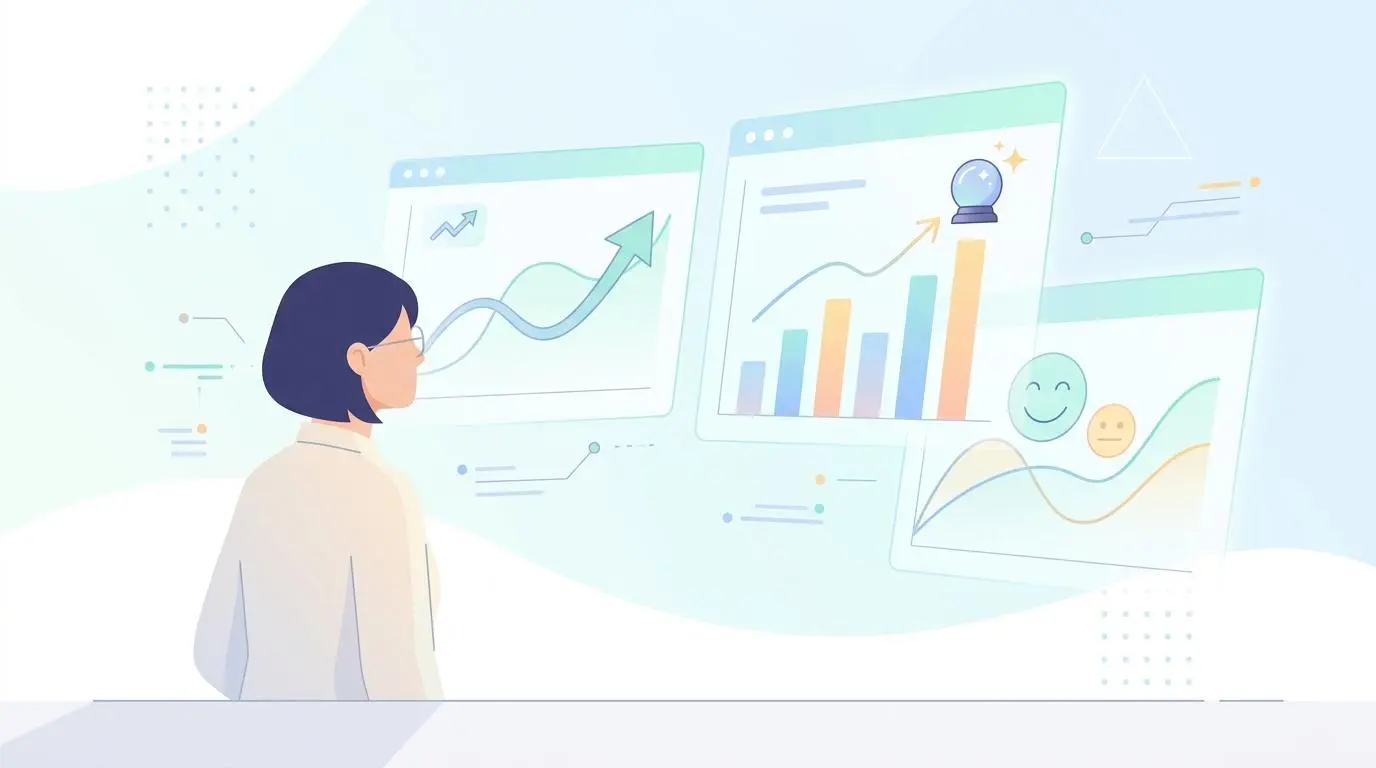
The average office worker is currently productive for only 2 hours and 53 minutes per eight-hour shift. Nearly half of the workday is completely lost to context switching, app fragmentation, and endless notification pings.
Digital tool sprawl and the dreaded Zoom Fatigue 3.0 have created a productivity floor that no amount of morale-boosting perks can fix. Without structural workflow changes, employees will remain stuck in a cycle of high stress and low output.
To solve this, elite operations are adopting mandatory Focus Blocks and prioritizing asynchronous-first communication. Tools like Chanty and Slack’s new AI summary features are being utilized to reclaim over 200 hours of lost focus time per worker annually.
By summarizing long threads and eliminating unnecessary meetings, teams can finally engage in deep, uninterrupted work. This structural shift instantly reduces cognitive overload and restores a sense of accomplishment.
Ultimately, improving morale is directly tied to removing the operational friction that makes daily work miserable. When you streamline the digital environment, you naturally elevate the mood and efficiency of the entire workforce.
Clear workflows breed clear minds, which is the absolute foundation of a highly engaged team.
Shifting from Gut Feelings to Predictive Algorithms
For decades, leadership has operated on gut feelings or heavily biased exit interviews to gauge company culture. This reactive approach guarantees that management misses the critical 30-day window before an employee mentally disengages.
Today, sentiment analysis is moving rapidly from basic text surveys to complex, multi-modal metadata. This evolution allows companies to see the invisible warning signs of burnout before a resignation letter is ever drafted.
Platforms like Culture Amp and Workleap now utilize Natural Language Processing to analyze anonymized communication patterns across the organization. They measure subtle indicators like tone shifts, response latency, and social density to predict turnover risk with 85% accuracy.
This means an AI can flag a deteriorating team dynamic before the employees themselves fully realize they are unhappy. It is a monumental leap from guessing to knowing.
By relying on predictive algorithms, executives can deploy targeted interventions exactly where they are needed most. Whether it is adjusting a specific project’s workload or mandating a team-wide reset, the data dictates the action.
This data-driven precision eliminates the guesswork from leadership, ensuring that morale initiatives actually deliver a return on investment.
Rebuilding Social Capital in Distributed Teams
The shift to remote work has severely eroded the social capital that naturally forms in physical office spaces. Digital exhaustion has skyrocketed, and distributed workers are reporting a 17% rise in workplace loneliness.
This isolation makes mission-alignment nearly impossible, as employees report the weakest connection to overarching company goals in over a decade. Without organic social interactions, the fabric of company culture quickly unravels.
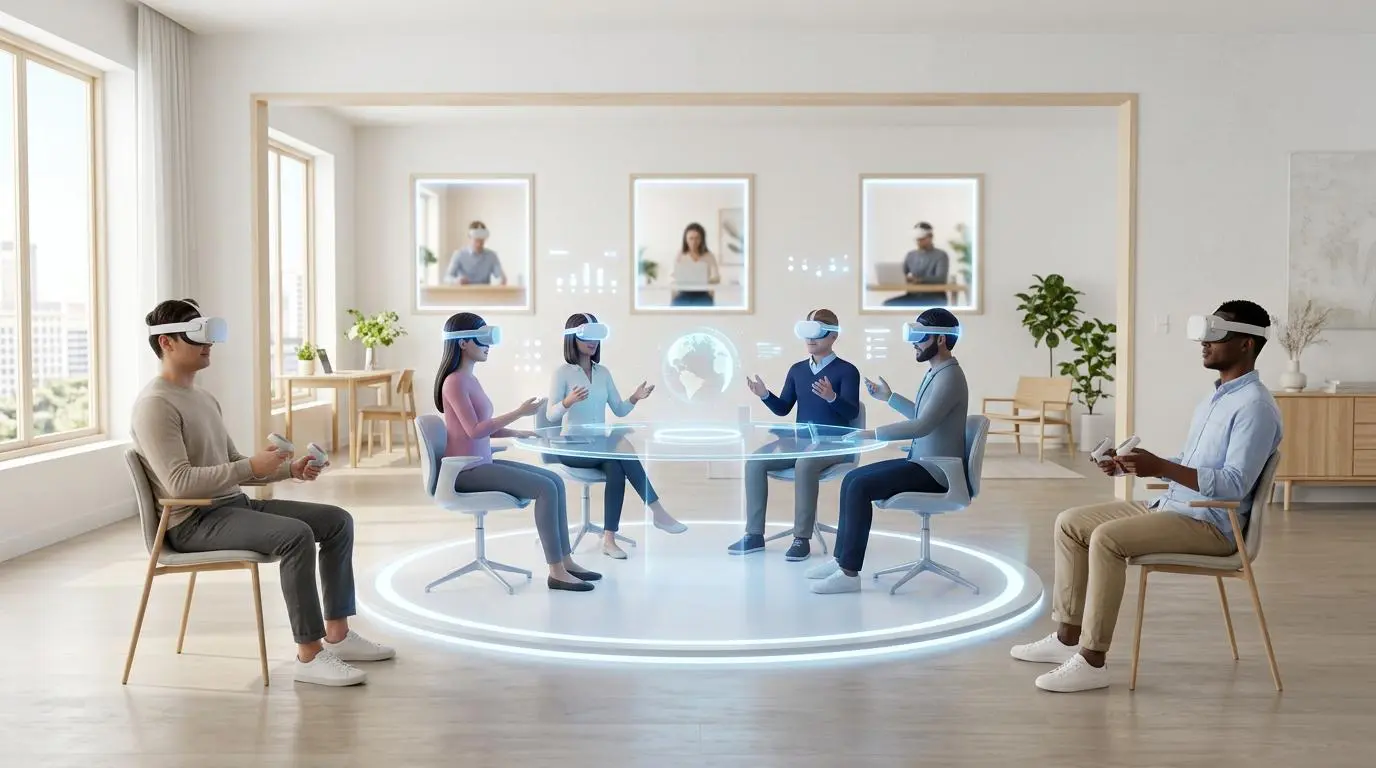
To combat this, distributed teams are now engineering mandatory Social Anchors into their operational cadence. These anchors range from high-fidelity VR gatherings to strategic, in-person quarterly summits designed purely for connection.
The goal is to manufacture the serendipitous moments of collaboration that used to happen by the water cooler. These deliberate social investments are critical for maintaining trust and psychological safety across time zones.
Rebuilding this capital requires leaders to treat team cohesion as a measurable deliverable, not a happy accident. When employees feel connected to their peers, their resilience against daily operational stress increases dramatically.
A highly connected remote team will always outperform a fractured group of isolated top-performers.
Preparing for the Biometric Wellness Era
The upcoming frontier of organizational growth involves treating AI as a literal teammate within human-led squads. Digital agents are now being assigned to handle the administrative drudge work, freeing humans to focus on creative problem-solving.
Future-forward firms are already prototyping Biometric Wellness Loops to take this integration a step further. By utilizing wearable data from devices like Oura or Apple, systems can suggest automated morale breaks based on real-time stress markers.
This leads directly into the era of hyper-personalized morale architectures, where AI doesn’t just measure sentiment, but actively manages it. These systems will automatically adjust individual workloads, tailor learning paths, and calibrate recognition frequency based on a worker’s unique engagement persona.
The technology will seamlessly adapt the working environment to the psychological needs of the individual. It is the ultimate synthesis of human empathy and machine efficiency.
However, the immediate challenge for leaders will be navigating the ethical tension between performance-driven biometric monitoring and employee privacy rights. Transparency and consent must be the foundational pillars of any biometric initiative.
If executed ethically, this technology will eradicate chronic burnout and redefine what it means to thrive in the corporate world.
Engineering Resilient and Adaptive Workforces
The future of business growth belongs to leaders who refuse to accept low morale as an unavoidable cost of doing business. By embracing predictive analytics and real-time sentiment tracking, organizations can engineer workforces that are both highly resilient and deeply engaged.
The transition from reactive management to proactive, AI-enhanced leadership is not just an upgrade; it is a fundamental survival requirement in the modern economy. Those who master this framework will build unshakeable brand architectures that attract and retain the best minds in the industry.
Navigating the complexities of business growth, team leadership, and market positioning requires a sharp strategy. To scale your operations and build a resilient brand architecture, connect with Andres at Andres SEO Expert.
Frequently Asked Questions
What are the risks of relying on annual employee engagement surveys?
Relying on annual surveys creates a lagging indicator bias, meaning organizations receive data long after top performers have already disengaged or mentally checked out. This reactive approach fails to capture the rapid onset of burnout or the nuances of quiet quitting in modern digital environments.
How does AI-driven sentiment analysis improve employee retention?
AI-driven sentiment analysis utilizes real-time predictive engagement analytics to identify friction points before they escalate into cultural crises. By analyzing continuous data streams, leaders can intervene during the critical window when an employee first begins to disengage, shifting from reactive problem-solving to proactive team building.
What is the disengagement tax and how does it affect business?
The disengagement tax is the massive economic burden of low morale, which currently costs the global economy approximately $10 trillion in lost productivity. It manifests as a hidden tax on every project through missed deadlines, costly errors, and increased managerial oversight requirements.
What is the Great Stay paradox in the modern workplace?
The Great Stay paradox occurs when low turnover metrics are misinterpreted as stability. In reality, employees are often staying because they feel economically trapped rather than professionally fulfilled, creating a hidden disengagement that suffocates innovation and team velocity.
How can organizations reduce digital exhaustion and tool sprawl?
Organizations can combat digital exhaustion by adopting mandatory Focus Blocks and prioritizing asynchronous-first communication. Leveraging AI to summarize long communication threads and eliminating unnecessary meetings can reclaim over 200 hours of lost focus time per worker annually.
Can AI accurately predict employee turnover risk?
Yes, modern platforms using Natural Language Processing (NLP) can analyze anonymized metadata—such as tone shifts and response latency—to predict turnover risk with 85% accuracy. This allows management to address deteriorating team dynamics before employees even realize they are ready to leave.