


Key Points
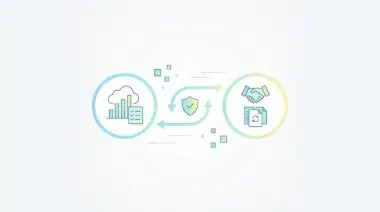
- Automated WhatsApp sequences bypass email inbox saturation to capture user attention within the critical 5-minute golden window and achieve unprecedented conversion rates.
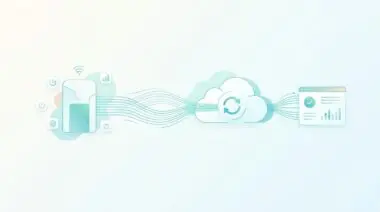
- Integrating recovery workflows with Meta CAPI optimizes advertising budgets by dynamically excluding users who are already engaged in a private chat flow.
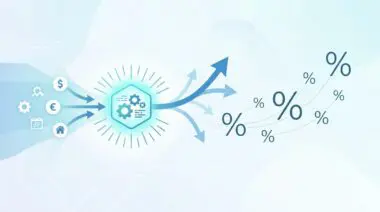
- Low-code platforms and LLM-powered AI agents democratize complex recovery logic to reduce implementation costs by 80% while resolving customer objections autonomously.
Table of Contents
The Silent Revenue Drain
Picture this: a high-intent shopper spends twenty minutes carefully curating a $300 cart on your mobile site, only to get distracted by a text message and close the tab. Hours later, a generic email quietly slips into their promotions folder, completely ignored among hundreds of other marketing blasts. This is the painful reality of the abandoned cart chasm, where massive amounts of revenue simply evaporate due to outdated communication methods.
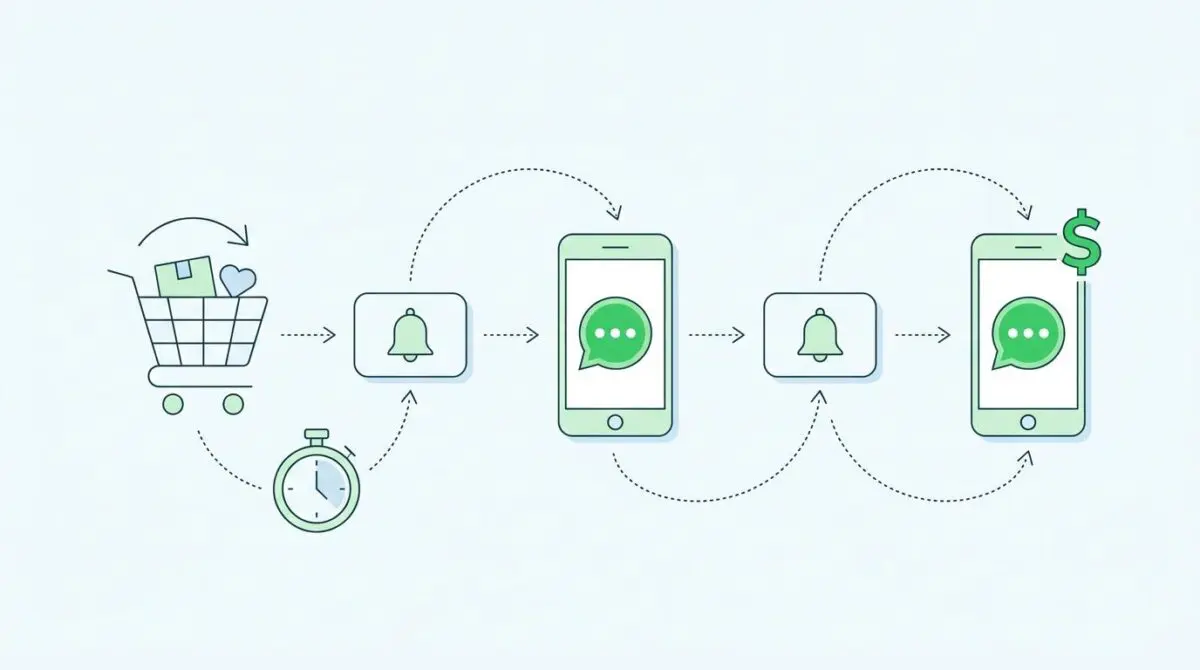
Standard email recovery attempts lack the urgency and visibility required to capture a distracted modern consumer. To bridge this gap, forward-thinking brands are deploying Behavioral WhatsApp Checkout Recovery Workflows. By leveraging real-time website triggers, these automated sequences engage users directly on their most trusted communication channel.
This approach transforms a lost session into a highly personal, immediate conversation that seamlessly reclaims lost revenue. Instead of passively waiting for an email open, you are actively initiating a dialogue right on the user’s lock screen.
Decoding the Recovery Data
Market Intelligence & Data
WhatsApp Conversion Rate
According to a 2025 Meta Business Messaging report, brands using automated WhatsApp recovery see conversion rates as high as 60%, compared to 2-5% for traditional email.
Messaging Commerce Growth
Juniper Research projected in a 2026 study that global spending via business messaging platforms will reach $27.1 billion this year, driven largely by automated abandonment recovery.
Average Response Time
A 2025 Salesforce State of Marketing report found that the average user response time to a WhatsApp recovery message is 90 seconds, dramatically shortening the sales cycle.
Reduced Customer Support Load
According to a 2026 Gartner analysis, integrating AI agents into recovery flows reduces manual customer support inquiries by 45% by resolving checkout friction autonomously.
The shift from traditional channels to direct messaging is completely rewriting the rules of e-commerce engagement. Consider that 70-75% of e-commerce intent is lost due to low-visibility email recovery attempts and cross-platform friction.
By contrast, brands utilizing automated WhatsApp recovery sequences are seeing conversion rates soar to an unprecedented 60%. This massive leap happens because WhatsApp bypasses the cluttered inbox, delivering a high-priority notification right where the user is already looking.
This surge in engagement is driving a macroeconomic shift in how businesses allocate their recovery budgets. Global spending via business messaging platforms is projected to hit $27.1 billion by 2026, fueled almost entirely by automated abandonment solutions.
Brands are realizing that investing in direct, conversational infrastructure yields a drastically higher return on ad spend than traditional retargeting. It represents a fundamental transition from passive broadcasting to active, personalized dialogue.
Speed is the ultimate currency when it comes to recapturing a distracted buyer’s attention. The average user response time to a WhatsApp recovery message is a staggering 90 seconds, completely shattering the traditional multi-day sales cycle. This immediate feedback loop means you can address objections and close the sale while the user’s initial purchase intent is still red-hot.
Beyond just driving sales, conversational recovery drastically optimizes internal operational efficiency. Integrating AI agents into these flows reduces manual customer support inquiries by 45%, as the system autonomously resolves sizing questions or shipping doubts.
In the near future, WhatsApp ‘Flows’ allow users to modify cart items, select shipping, and pay natively within the chat interface. This creates a frictionless loop that handles objections and processes payments without human intervention.
Beating Inbox Saturation
Standard email recovery flows are severely handicapped by sub-20% open rates and heavy inbox saturation. High-intent recovery messages are frequently buried alongside daily marketing spam, leading to delayed or completely ignored re-engagement. When a buyer’s attention is fragmented, relying on a passive channel guarantees lost revenue.
Modern behavioral workflows solve this by leveraging tools like Charles, Wati, and the Twilio Messaging API. These platforms listen for webhook triggers directly from Shopify or BigCommerce, firing immediate push-notifications. This captures the buyer’s attention within the critical 5-minute golden window before their intent cools down.
Syncing Recovery with Ad Spend
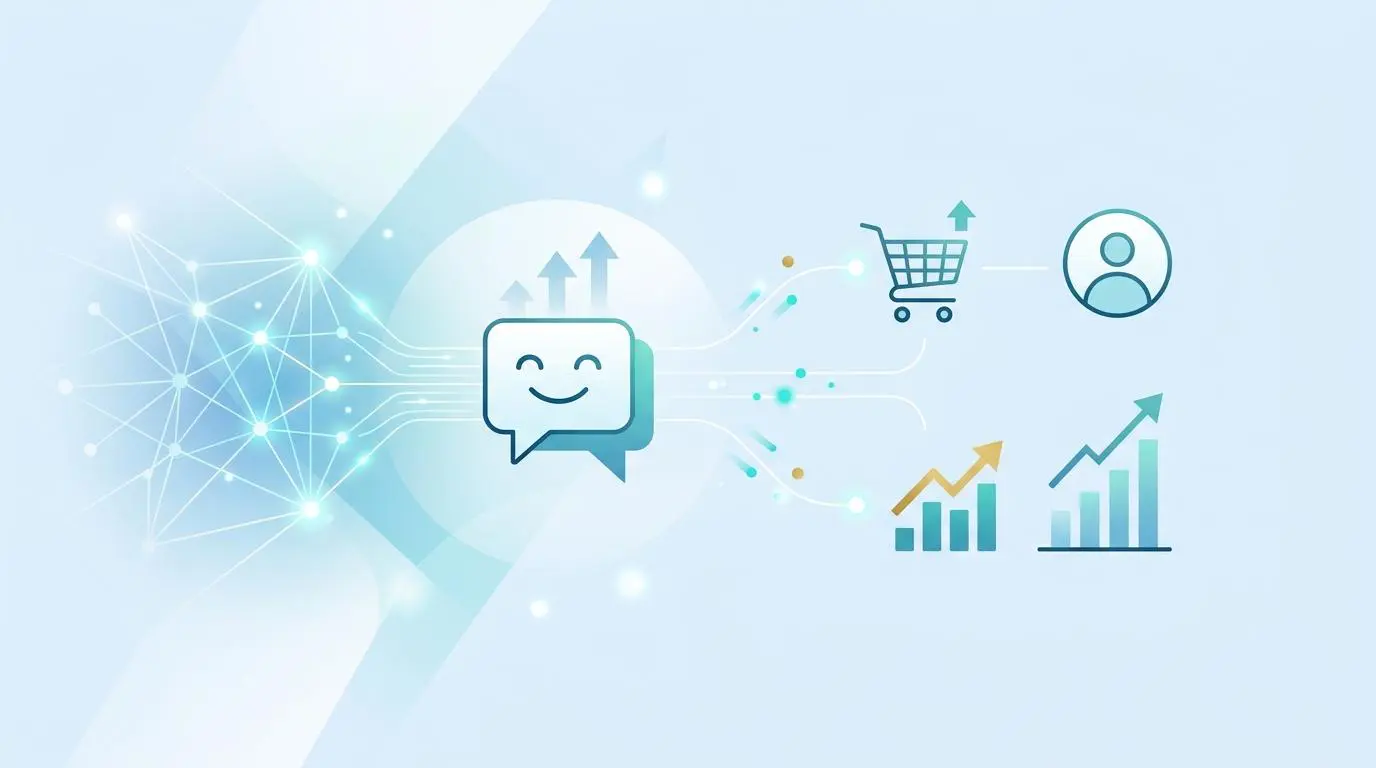
A major source of operational waste occurs when brands serve expensive retargeting ads to users who have already converted or are currently engaged in a private chat flow. This disconnect inflates customer acquisition costs and creates a disjointed, frustrating user experience. Paying for impressions on a user who is already talking to your brand on WhatsApp is highly inefficient.
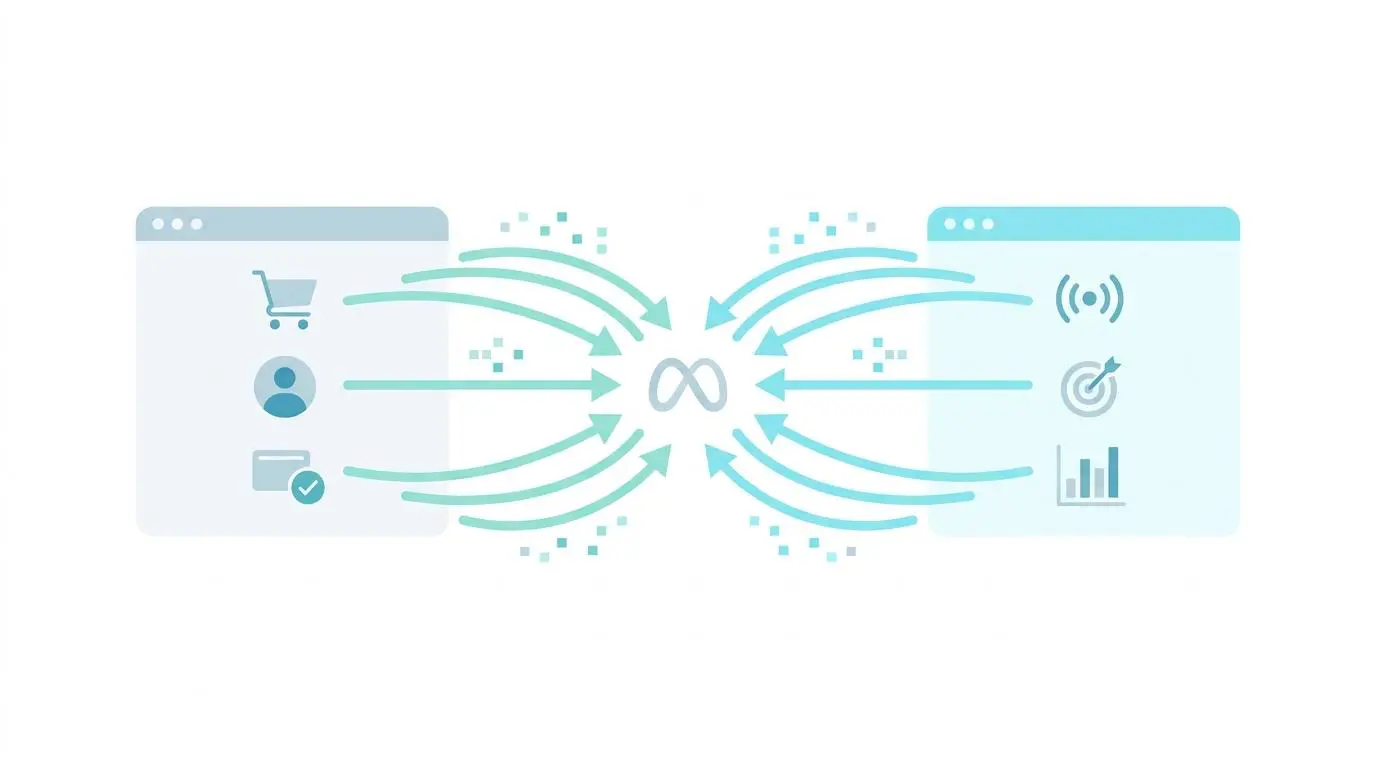
Integrating your messaging infrastructure with the Meta Conversion API (CAPI) creates a seamless, bidirectional data loop. WhatsApp recovery events feed directly back into Facebook and Instagram ad algorithms in real time. This optimizes your retargeting spend by dynamically excluding users who already recovered their carts via WhatsApp.
Deploying Autonomous Chat Agents
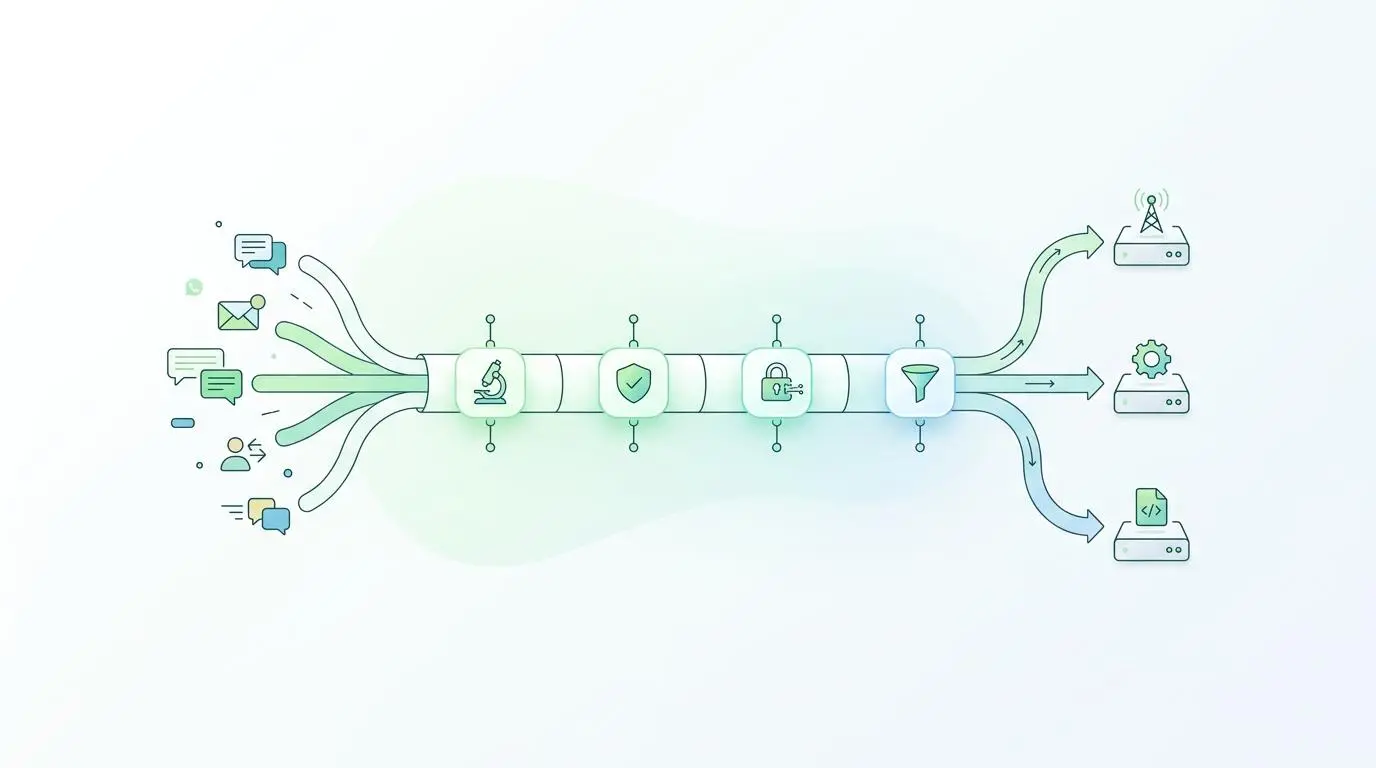
Static recovery links often fail because users abandon their carts due to highly specific questions that a generic reminder cannot answer. If a shopper leaves because they are unsure about a product’s dimensions, a simple automated text will not bring them back. They require consultative assistance to cross the finish line.
The evolution of recovery sequences now relies on LLM-powered agents built through platforms like Yellow.ai or Intercom Fin. These autonomous assistants handle real-time objections, answering complex product queries instantly within the chat. They transform a rigid notification into a dynamic sales experience that actively removes purchase barriers.
Navigating Global Compliance
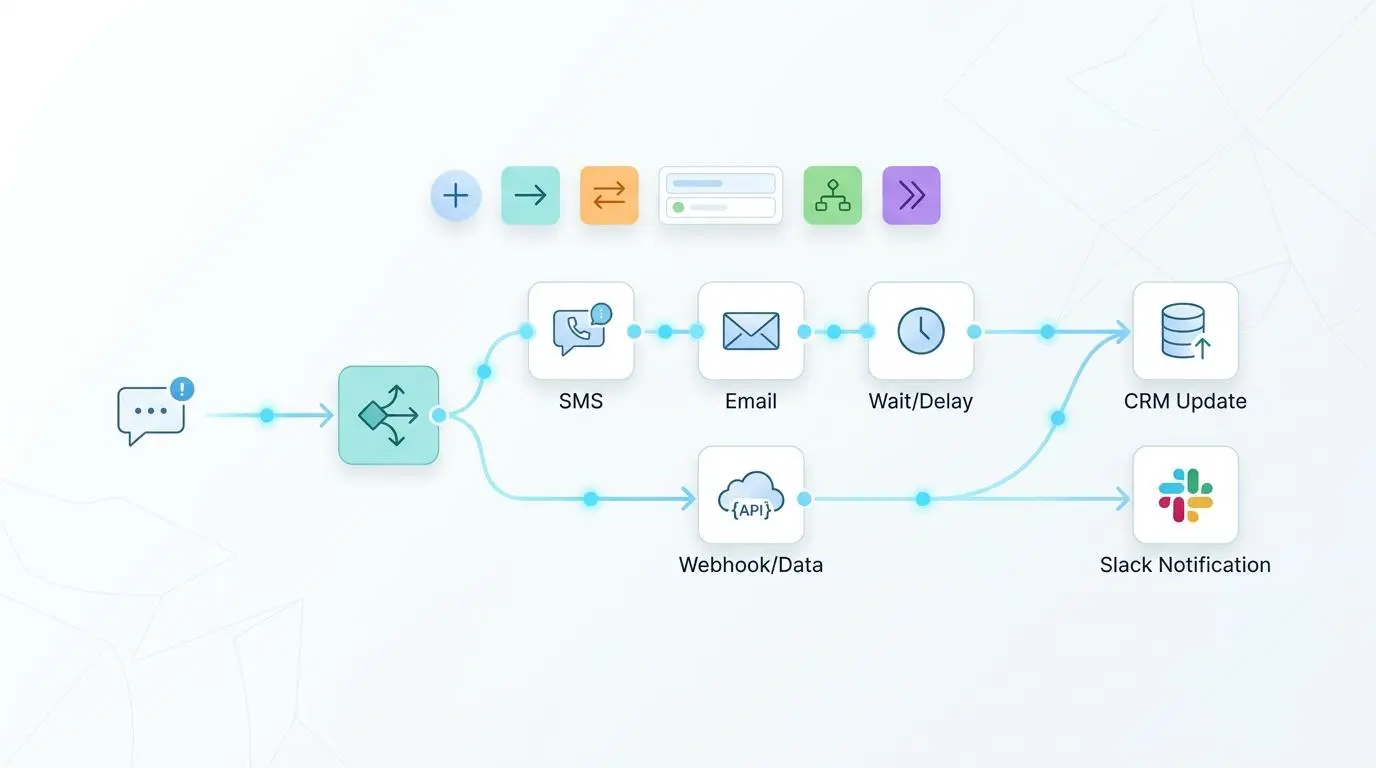
Regulatory fines and platform bans for unsolicited messaging pose a massive existential risk to automated outreach programs. Sending promotional messages without granular consent management can quickly lead to blocked numbers and severe GDPR or CCPA penalties. Trust is paramount in private messaging channels.
Strict WhatsApp Business Platform policies now require explicit opt-in webhooks before any outreach can occur. Automation engineers implement Click-to-WhatsApp ads or dynamic checkbox triggers at the website checkout stage. This ensures 100% compliance is locked in before the very first recovery message is ever fired.
Building Logic Without Code
Historically, the high cost and technical complexity of building custom API-led messaging bridges prevented mid-market brands from achieving enterprise-level recovery rates. Relying on expensive developer resources made rapid iteration nearly impossible. Teams were stuck with rigid, one-size-fits-all recovery timelines.
Today, low-code platforms like Make and Relay.app allow growth teams to construct multi-step recovery logic visually. You can easily build sophisticated rules that dramatically improve operational efficiency:
- Visual Routing: Construct complex conditional paths without writing a single line of code.
- Dynamic Delays: Trigger immediate outreach for high-value carts while pacing smaller orders.
- Cost Reduction: Slash developer dependencies and reduce implementation expenses by up to 80%.
Furthermore, Meta’s recent introduction of Conditional Message Pricing for the WhatsApp Business API heavily incentivizes these exact sequences. By lowering the cost of user-initiated conversations that result in a completed transaction within 24 hours, the ROI of automated recovery has never been higher.
The Invisible Checkout Era
By late 2026, the concept of the invisible checkout will dominate the e-commerce landscape. The traditional friction of bouncing a user back to a clunky mobile website will be entirely replaced by native, in-chat commerce. Consumers will demand instantaneous transactions without ever leaving their messaging app.
Users will effortlessly modify cart items, select shipping preferences, and authenticate payments via Meta Pay or Apple Pay directly within the WhatsApp interface. This seamless convergence of conversation and transaction represents the ultimate evolution of behavioral automation.
Navigating the intersection of technology, workflows, and operational efficiency requires a sharp strategy. To future-proof your business architecture and scale with precision, connect with Andres at Andres SEO Expert.
Frequently Asked Questions
What is the conversion rate of WhatsApp cart recovery compared to email?
According to 2025 market data, automated WhatsApp recovery workflows can achieve conversion rates as high as 60%, which is significantly higher than the 2-5% conversion rate typically seen with traditional email recovery.
How quickly do users engage with WhatsApp recovery messages?
The average response time for a WhatsApp recovery message is approximately 90 seconds. This immediate feedback loop enables brands to address customer objections while the initial purchase intent is still high.
How do AI agents improve the checkout recovery process?
Integrating AI agents into recovery flows can reduce manual customer support inquiries by up to 45%. These agents autonomously handle real-time objections and specific product queries, such as sizing or shipping concerns, directly within the chat interface.
Can WhatsApp recovery data be used to optimize Meta ad spend?
Yes, by integrating messaging infrastructure with the Meta Conversion API (CAPI), brands can feed recovery events back to ad algorithms in real time. This allows them to dynamically exclude users who are already in a recovery flow from expensive retargeting ads.
What tools are available for building low-code WhatsApp recovery workflows?
Growth teams can utilize low-code platforms like Make and Relay.app to build visual routing logic and multi-step recovery sequences. These tools help reduce developer dependencies and implementation costs by up to 80%.
What is the ‘invisible checkout’ in WhatsApp commerce?
The invisible checkout refers to a frictionless experience where users can modify cart items, select shipping preferences, and authenticate payments via Meta Pay or Apple Pay natively within the WhatsApp app without returning to a external website.