Key Points
- Continuous Sourcing: AI agents initiate renewal negotiations 180 days in advance to secure optimal pricing and remove artificial vendor urgency.
- Automated Leverage: Email-based procurement agents autonomously gather competitor quotes to enforce leverage during incumbent renewals without human intervention.
- Agentic Licensing: Traditional per-seat pricing is rapidly evolving into outcome-based models driven entirely by machine-to-machine API negotiations.
Table of Contents
- Escaping the Software Sprawl Trap
- The Financial Impact of Reactive Procurement
- Bridging LLMs with Contract Repositories
- Automating the Three-Bids-and-a-Buy Mandate
- Scaling Coverage with Continuous Sourcing
- Surviving the Spreadsheet Drown Effect
- Transitioning to Agentic Enterprise Agreements
- The Era of Zero-Click Procurement
Escaping the Software Sprawl Trap
The invisible cost of manual software management quietly drains enterprise budgets by the minute. Modern enterprises currently drown in SaaS sprawl, juggling between 106 and 305 applications on average across departments. This unchecked growth creates a massive efficiency gap where procurement workloads increase ten times faster than actual operational budgets.
Because of this administrative bloat, nearly half of all purchased licenses sit entirely unused. Human bandwidth constraints mean these complex contracts are rarely negotiated properly, leaving money on the table year after year. The ultimate solution to reclaim this lost time and eliminate financial leakage is deploying autonomous SaaS procurement agents.
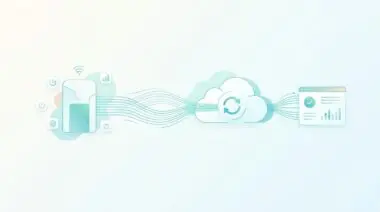
These digital negotiators step in to handle real-time automated negotiation of SaaS subscription renewals via AI email agents. By delegating the friction of vendor communication to intelligent systems, businesses instantly scale their procurement capabilities. This transforms a historically reactive department into a proactive, cost-saving powerhouse.
The Financial Impact of Reactive Procurement
Market Intelligence & Data
AI Negotiation Premium
According to the Tropic H1 2025/2026 Software Buying Trends Report, companies using AI agents to initiate negotiations 6 months in advance achieve 39% higher savings than those starting 30 days out.
Agentic App Dominance
Gartner’s 2026 Strategic Technology Trends forecast predicts that 40% of enterprise applications will have embedded autonomous agents by the end of the year, up from less than 5% in 2024.
SaaS License Wastage
The 2026 SaaS Management Index from BetterCloud and Insentra reveals that the average organization currently pays for software with a 49% license utilization rate, highlighting a massive target for automated reduction.
The Execution Speed Gap
A Q1 2026 Forrester study found that 67% of Chief Procurement Officers view ‘speed of execution’ as their primary performance failure, driving the adoption of real-time automated negotiation agents.
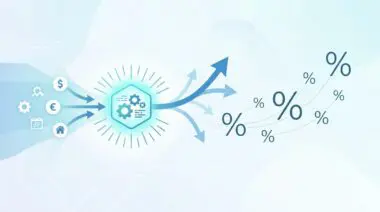
The shift from reactive to proactive vendor management yields massive financial returns for modern enterprises. When procurement teams utilize AI agents to initiate conversations half a year before a contract expires, they consistently achieve 39% higher savings than those starting 30 days out. This early intervention completely neutralizes the high-pressure tactics vendors typically use during last-minute renewal windows.
We are rapidly moving away from static software tools toward dynamic, self-operating ecosystems. As outlined in recent strategic technology forecasts, the integration of multi-agent systems fundamentally changes how enterprise applications interact. By embedding autonomous agents directly into procurement platforms, businesses execute complex negotiation workflows without requiring constant human oversight.
The financial drain of unused software is a glaring operational failure for modern finance teams navigating digital transformation. Recent industry indexes reveal that the average organization currently pays for software with a 49% license utilization rate. This highlights a massive target for automated reduction, as AI agents instantly identify dormant accounts and negotiate downgrades before auto-renewal triggers.
Procurement leaders are painfully aware that their manual processes are simply too slow for the current market pace. Recent studies show that 67% of Chief Procurement Officers view speed of execution as their primary performance failure. This critical bottleneck is the primary catalyst driving the aggressive adoption of real-time automated negotiation agents across the enterprise sector.
Bridging LLMs with Contract Repositories
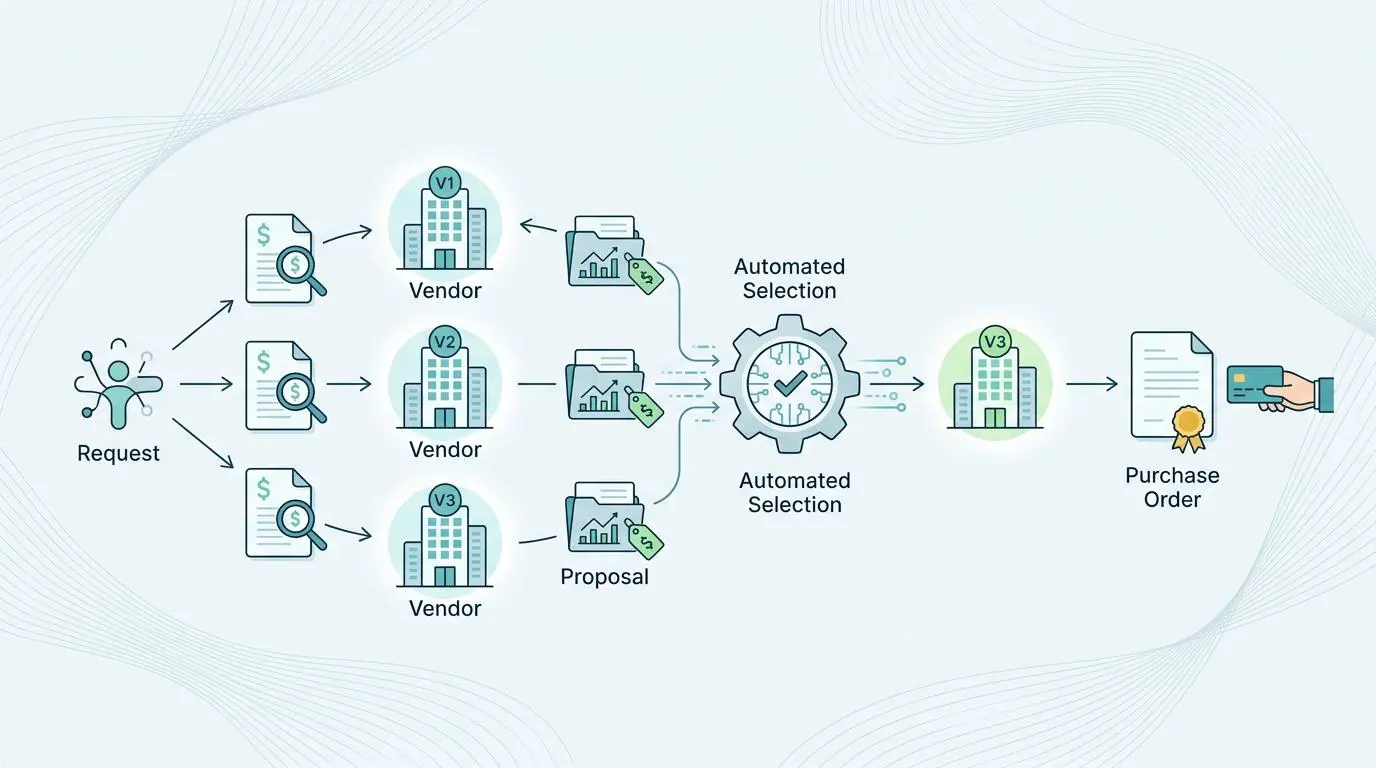
The first major leap in automated procurement relies on connecting vast, previously isolated data silos. Cognitive agents now utilize the Model Context Protocol to seamlessly bridge Large Language Models with existing contract repositories and ERP data. This deep integration provides the AI with critical historical context for every single vendor relationship, ensuring no detail is missed.
Leading platforms pioneer this space by deploying sophisticated email-based agents. These systems apply behavioral science to negotiate renewals, effectively mimicking the tactics of elite human negotiators. Using visual automation workflows, teams route vendor communications directly into these cognitive engines.
Historically, this long tail of micro-SaaS spend bypassed human review due to a sheer lack of specialized negotiation expertise and bandwidth. This manual limitation previously led to the passive acceptance of standard price-lock escalations and highly unfavorable auto-renewal terms. Now, automation ensures every single contract is scrutinized and optimized without human fatigue.
Automating the Three-Bids-and-a-Buy Mandate

Gathering competitive intelligence has traditionally been one of the most tedious and time-consuming aspects of vendor management. Modern workflows completely automate the dreaded three-bids-and-a-buy mandate. Companies now use email agents to simultaneously source accurate quotes from multiple competitors in a matter of minutes, completely bypassing traditional sales calls.
Once these competitive quotes are gathered, they are immediately utilized as real-time leverage. Autonomous SaaS procurement agents inject these benchmarks directly into automated renewal threads with incumbent vendors. Through webhooks and automation platforms, the AI instantly triggers parallel email sequences to competitors to build this leverage.
This eliminates the excruciating manual labor of gathering market benchmarks and competitor pricing. In the past, this process often took procurement teams weeks per vendor, causing them to miss critical early-notice windows for cancellations. Automation restores agility to the sourcing pipeline while keeping vendors honest.
Scaling Coverage with Continuous Sourcing
Time is arguably the most critical asset in any successful enterprise negotiation strategy. Automated negotiation agents facilitate a strategy known as continuous sourcing by initiating complex renewal sequences 180 days in advance. This extended runway removes the artificial urgency that vendors typically rely on to force unfavorable terms.
Advanced systems completely redefine what a lean procurement team can accomplish. These platforms allow organizations to scale their coverage dramatically through agentic orchestration. A single procurement professional can now effectively manage over 200 vendors, up from a previous human limit of just 20.
This massive increase in bandwidth directly addresses the budget leakage caused by reactive 30-day renewal cycles. Businesses no longer miss critical opt-out dates or find themselves forced into bad contracts due to severe time pressure. The AI handles the calendar, the communication, and the closing.
Surviving the Spreadsheet Drown Effect
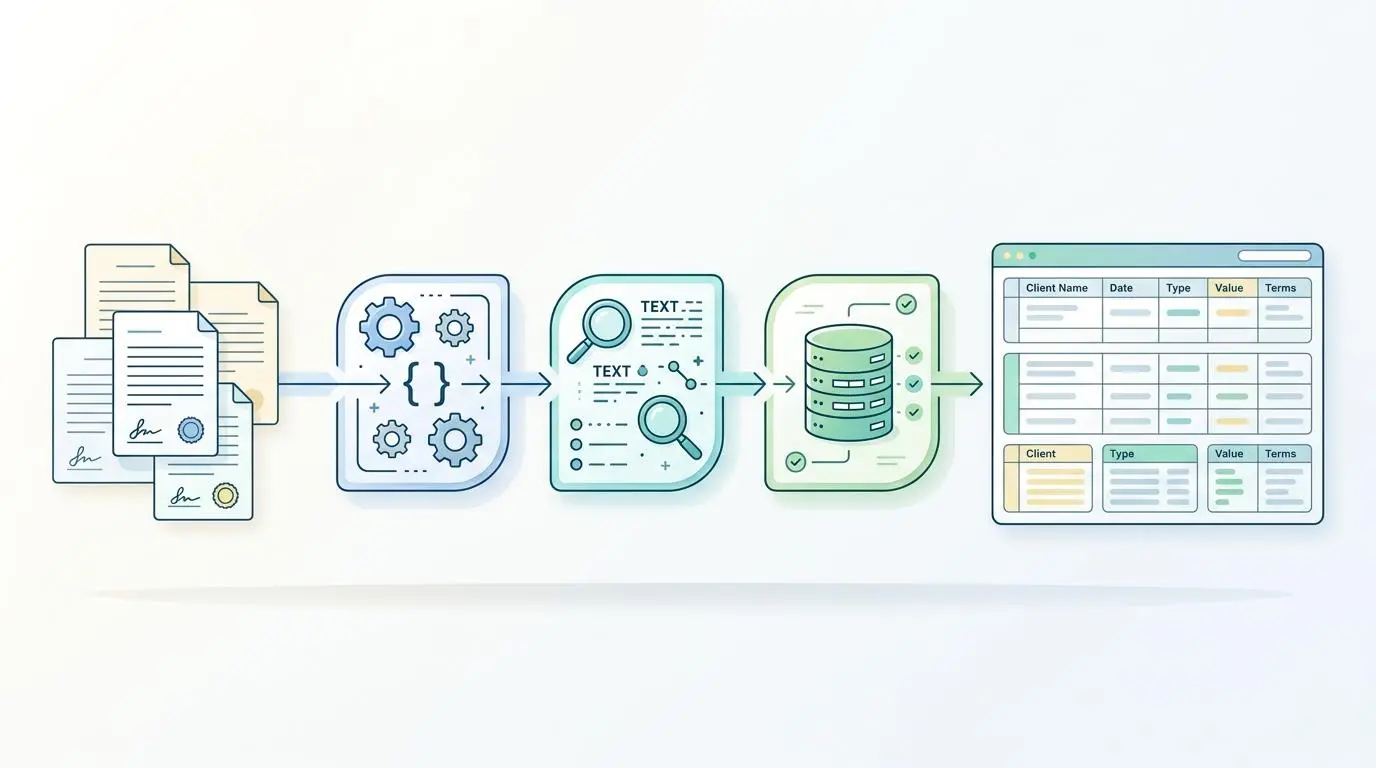
Relying on manual data entry for contract management is a guaranteed recipe for financial disaster. The heavy reliance on static spreadsheets for tracking terms contributes to 58% of Chief Procurement Officers identifying poor data quality as their primary operational tax. It creates a chaotic environment where critical renewal dates are easily buried or forgotten beneath daily operational noise.
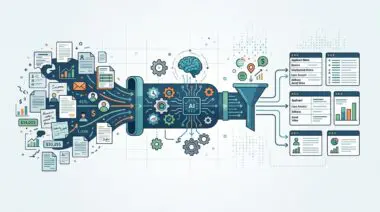
Even today, high-value finance leaders still report spending nearly 50% of their work week on tedious data validation instead of strategic sourcing. This massive misallocation of talent stifles enterprise growth and innovation. By leveraging advanced data parsing modules, these agents read complex PDFs and update central databases instantly.
Removing this friction cures the notorious spreadsheet drown effect that plagues modern finance departments. Human error in tracking multi-year price escalation clauses frequently leads to unexpected OpEx increases across the software stack. Automated agents ensure that every clause is tracked, flagged, and negotiated with absolute precision.
Transitioning to Agentic Enterprise Agreements
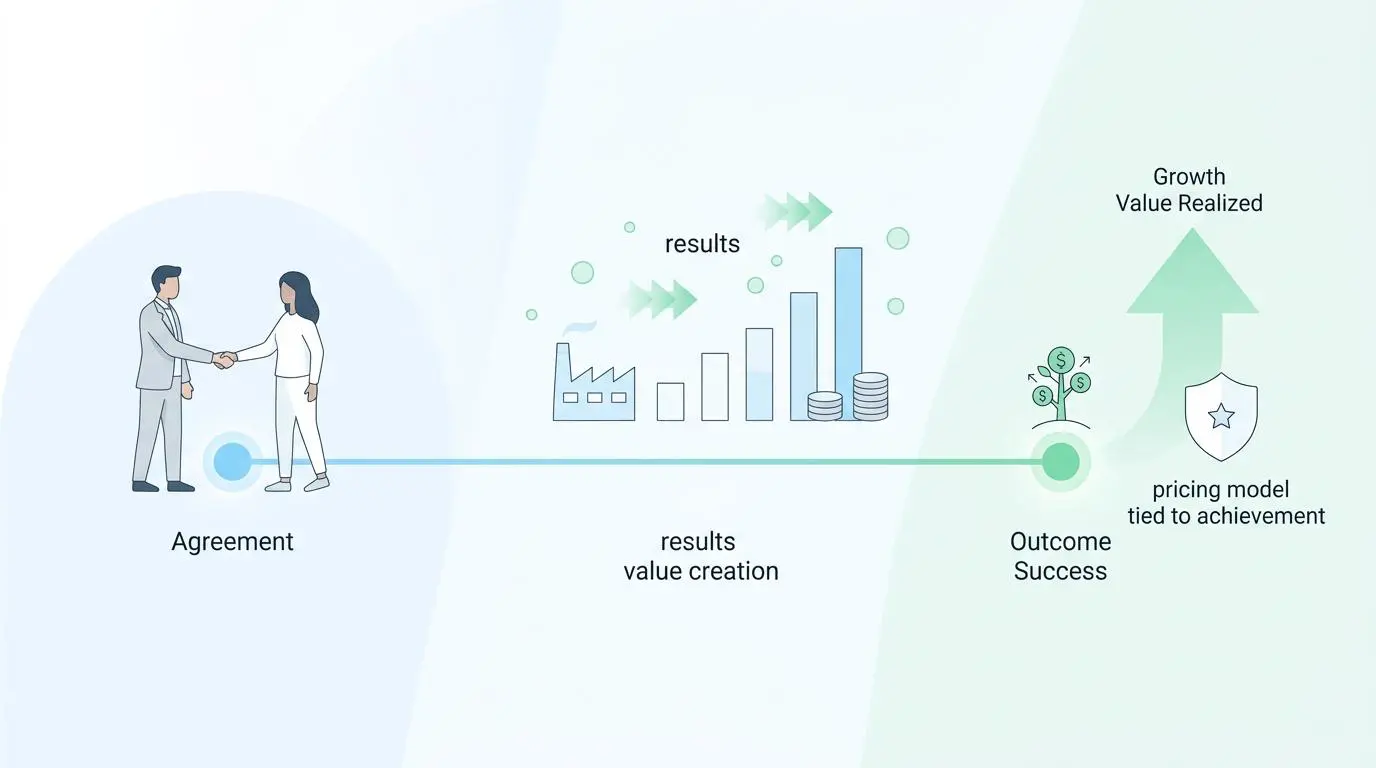
The fundamental architecture of software pricing is currently undergoing a radical and permanent transformation. The rapid emergence of Agentic Enterprise License Agreements forces a massive shift toward outcome-based pricing models. In this new paradigm, AI agents negotiate renewal costs based on verified ROI metrics rather than arbitrary human headcount.
Recent market shifts reveal that major SaaS vendors proactively launch these agreements to counteract revenue losses. As AI agents replace human users, vendors are effectively forced to price their software as a digital workforce rather than a static tool. This requires a completely new, machine-driven approach to procurement.
This shift addresses the rapid obsolescence of traditional per-seat pricing models. With autonomous agents now performing 40% of application tasks, traditional license counts have become a highly inaccurate measure of software value. Automated negotiation ensures you only pay for the actual business outcomes generated by the software.
The Era of Zero-Click Procurement
The entire industry will inevitably transition to a seamless model of zero-click procurement. We are entering a reality where a company’s financial agent negotiates directly with a vendor’s sales agent via secure machine-to-machine APIs. This frictionless interaction will settle 80% of standard renewals without any human-intermediated email threads.
This evolution is not just about saving time; it is about fundamentally restructuring how enterprises acquire and deploy digital tools. Autonomous SaaS procurement agents turn a reactive, cost-heavy department into a proactive, profit-generating powerhouse. The future belongs to those who let machines handle the friction while humans focus entirely on high-level strategy.
Navigating the intersection of technology, workflows, and operational efficiency requires a sharp strategy. To future-proof your business architecture and scale with precision, connect with Andres at Andres SEO Expert.
Frequently Asked Questions
What are autonomous SaaS procurement agents?
Autonomous SaaS procurement agents are AI-driven digital negotiators designed to manage software renewals and vendor communications. By connecting Large Language Models (LLMs) with contract repositories via the Model Context Protocol, these agents identify unused licenses and execute automated negotiation sequences to eliminate software sprawl.
How do AI negotiation agents improve enterprise savings?
Enterprises using AI agents to initiate negotiations 180 days in advance achieve 39% higher savings compared to those using reactive 30-day cycles. These agents target the 49% average license wastage by identifying dormant accounts and leveraging market benchmarks to negotiate more favorable renewal terms.
What is the benefit of automating the three-bids-and-a-buy mandate?
Automating this mandate allows procurement teams to simultaneously source competitive quotes from multiple vendors in minutes rather than weeks. This real-time competitive intelligence is used as leverage in automated renewal threads, ensuring incumbents offer market-accurate pricing without the need for manual human intervention.
What is the difference between traditional ELAs and Agentic Enterprise Agreements?
Traditional Enterprise License Agreements (ELAs) typically use per-seat pricing based on human headcount. Agentic Enterprise Agreements shift to outcome-based pricing models, where costs are determined by verified ROI metrics and the productivity of the digital workforce as autonomous agents increasingly perform tasks previously handled by humans.
How does zero-click procurement work?
Zero-click procurement is a model where a company’s financial agent negotiates directly with a vendor’s sales agent via secure machine-to-machine APIs. This frictionless interaction settles standard software renewals automatically, allowing procurement departments to transition from reactive cost centers to proactive, strategic powerhouses.
How do automated agents solve the spreadsheet drown effect?
Automated agents replace manual data entry with advanced parsing modules that read complex contract PDFs and update central ERP databases instantly. This eliminates the operational tax of poor data quality, which currently causes finance leaders to spend nearly 50% of their work week on manual data validation.