



Key Points
- Dual-Bot Architecture: Distinguish between GPTBot for training and OAI-SearchBot for real-time retrieval to prevent accidental visibility blackouts in ChatGPT Search.
- Indirect Visibility: Optimize for high-authority third-party source nodes, as LLMs heavily skew citations toward established platforms rather than owned brand assets.
- Entity Resolution: Inject dynamic Schema.org markup linked to Wikidata to prevent AI engines from hallucinating or conflating your brand features with competitors.
Table of Contents
The Great AI Retrieval Bottleneck
Imagine earning a personal recommendation from the smartest assistant in the world, only to realize they handed the client your competitor’s business card. This is the silent crisis facing modern brands in the era of Generative Engine Optimization. Ranking high on traditional search engines simply does not matter if the new AI engines refuse to cite your content.
According to a March 2026 AirOps analysis of over half a million pages, ChatGPT retrieves thousands of candidate documents per query. However, it acts as a highly selective editor, citing a mere 15% of those documents in its final generative output. This creates a massive retrieval-citation gap.
Being indexed by an AI crawler is no longer a guarantee of visibility. The true bottleneck in modern search architecture is selectability. Your content must not only be found, but it must be deemed authoritative enough by the underlying Retrieval-Augmented Generation system to survive the final cut.
To cross this semantic gap, brands must fundamentally redesign their digital architecture. The focus must shift from keyword density to entity authority. You must ensure that every piece of published data is optimized for LLM ingestion and selection.
Why AI Search Traffic Outperforms Traditional Clicks
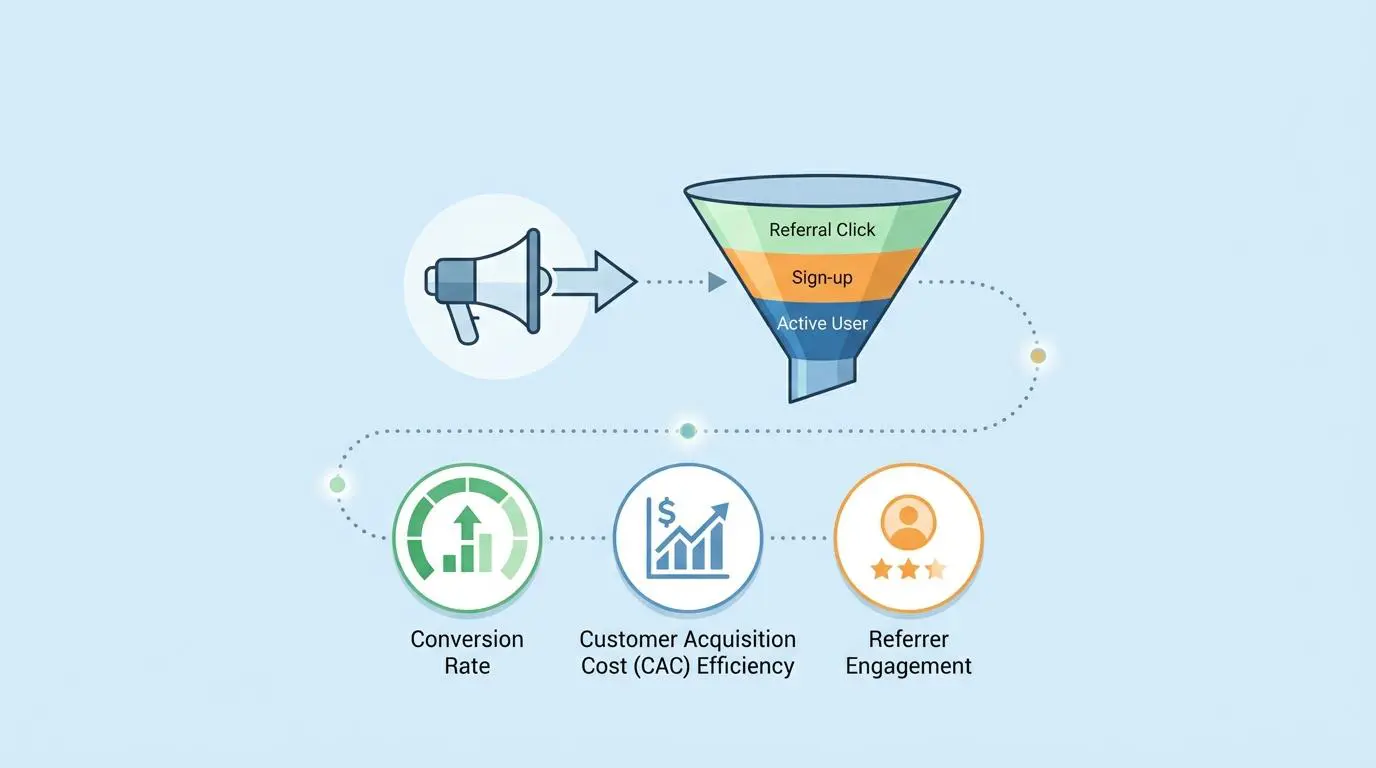
The stakes for mastering this new ecosystem have never been higher. OpenAI officially confirmed in February 2026 that their flagship conversational model reached 900 million weekly active users. This staggering adoption rate proves that users are aggressively shifting away from traditional blue links.
Modern consumers are demanding synthesized, conversational answers rather than a list of websites to manually research. The quality of this new audience is equally breathtaking. An April 2026 Ahrefs report revealed that AI-referred traffic converts at an astonishing 23 times the rate of standard organic search.
This incredible AI referral conversion multiplier occurs because multi-turn interactions act as a rigorous pre-qualification process. By the time a user clicks a citation link inside an AI Overview, they have already refined their intent through several conversational prompts.
To capture this highly lucrative traffic, technical teams must fundamentally rethink how they invite AI into their digital homes. A quick review of OpenAI’s official crawler documentation exposes the nuanced server infrastructure required to properly feed these advanced models without compromising proprietary data.
Architectural Deep Dives into AI Visibility
Understanding the theoretical shift toward AI search is only the first step. To truly dominate Generative Engine Optimization, brands must implement advanced architectural workflows. The following strategies outline how to align your digital assets with the core mechanics of LLM selection.
Engineering Trust Through Source Authority Pipelines
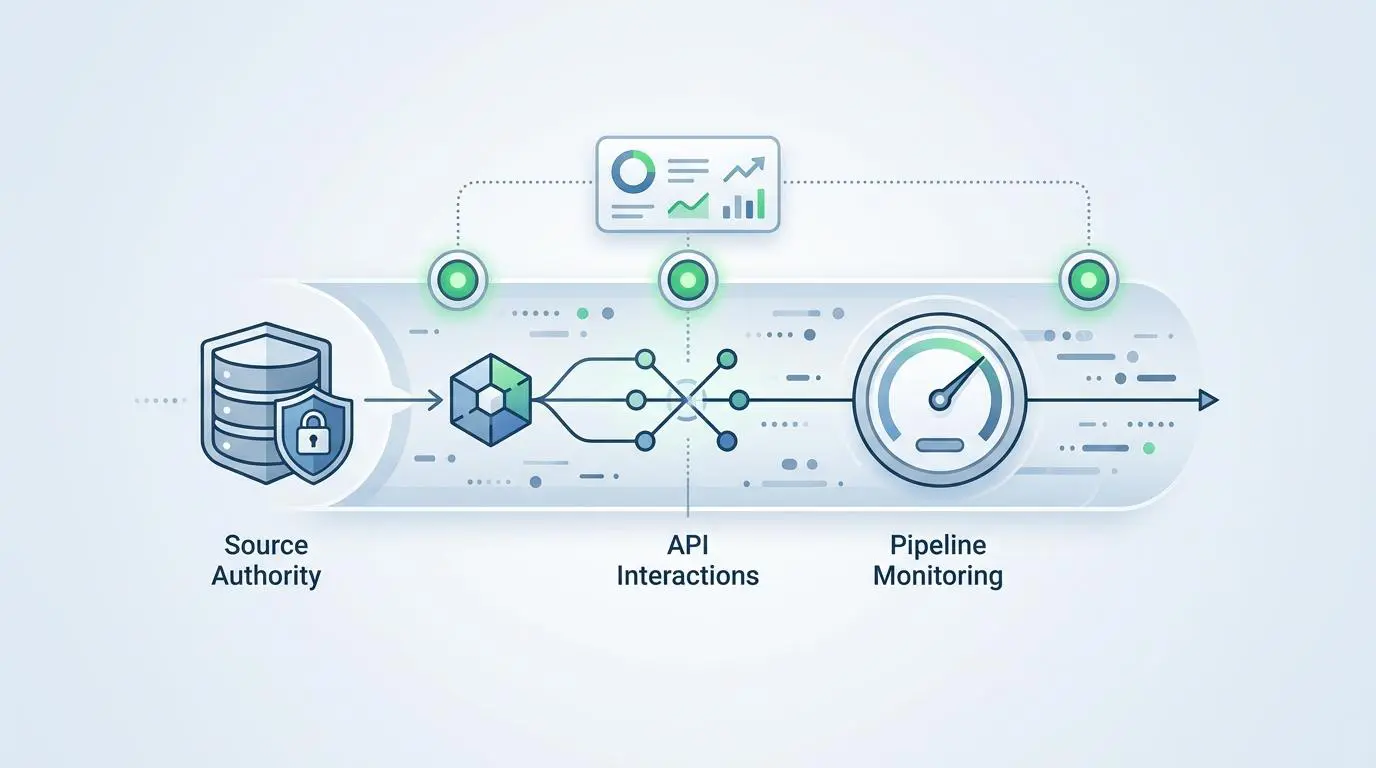
When an LLM builds an answer, it acts like a cautious academic writing a thesis. It heavily prefers citing established, high-trust platforms over your proprietary company blog. April 2026 data from Pressonify.ai shows ChatGPT citation weighting is massively skewed toward authoritative third-party sources.
Wikipedia captures up to 27% of citations, while trusted outlets like Reuters and the Financial Times dominate the remaining high-value slots. This dynamic creates a frustrating phenomenon known as indirect visibility. Your brand might be mentioned in the AI’s synthesized answer, but the outbound citation link directs the user to a news outlet instead of your sales funnel.
To solve this, modern Digital PR must evolve into API-driven monitoring of these specific source nodes. You can no longer rely solely on owned-site SEO to drive visibility. Brands must actively map the knowledge graphs of these third-party publishers.
By injecting your core messaging, unique statistics, and executive quotes into these trusted platforms, you force the AI to ingest your narrative. You effectively turn external authoritative sites into primary ingestion vectors for your brand.
Navigating the Dual-Bot Maze for AI Crawlers
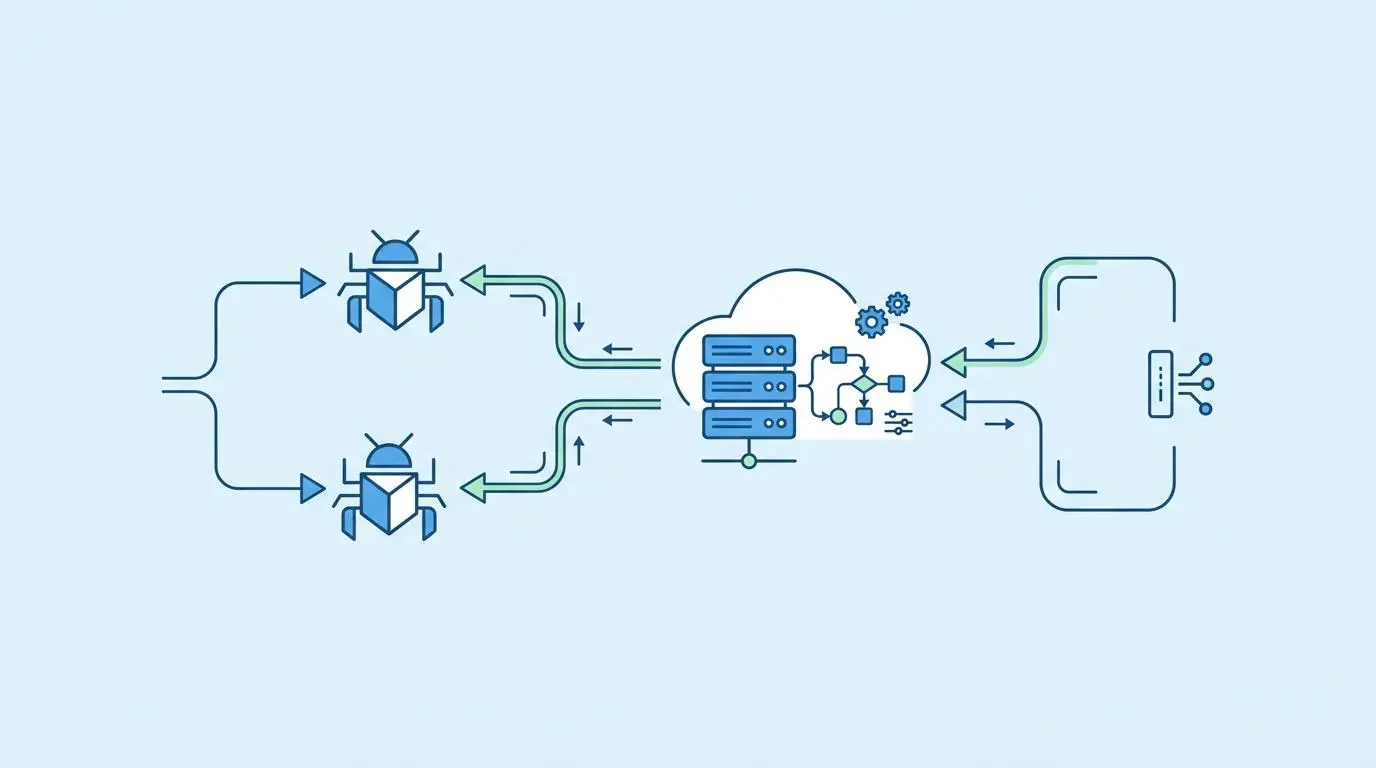
Managing crawler access used to be as simple as leaving the front door open for traditional search bots. Today, OpenAI utilizes a complex dual-bot architecture that requires surgical precision in your server configurations. GPTBot is deployed strictly for foundational model training, scraping data to build future intelligence.
In contrast, OAI-SearchBot handles real-time retrieval specifically for ChatGPT Search queries. Legacy bot management systems frequently conflate these two distinct crawlers. This confusion leads to catastrophic visibility blackouts where publishers accidentally block OAI-SearchBot.
Publishers often implement these blocks believing they are only protecting their intellectual property from training ingestion. They are completely unaware they are erasing themselves from real-time AI search results. You must separate these directives in your robots.txt to protect your data while maintaining active discoverability.
Furthermore, this discoverability relies heavily on traditional search infrastructure. Erlin AI research from April 2026 indicates that ChatGPT Search results share a 73% overlap with Bing’s index. This makes Bing Webmaster Tools your absolute primary technical gateway for ensuring OAI-SearchBot can find and retrieve your content efficiently.
Automating Brand Sentiment Across LLM Responses

Tracking what people say about your brand is no longer a human-scale task. An April 2026 industry benchmark reveals that 85% of brand mentions within ChatGPT sessions occur on properties you do not own. When an LLM reads dozens of mixed reviews across the web, it synthesizes them into a single, unified opinion.
This process creates a dangerous effect called sentiment drift. Nuanced customer feedback is often flattened into a lukewarm or slightly negative brand summary. Standard SEO tools are completely blind to this phenomenon, as they only track ranking positions rather than the emotional temperature of an AI’s generated response.
To combat this, visionary marketers are automating sentiment analysis using advanced API integrations. By utilizing OpenAI’s Moderation and Chat Completions APIs, teams can programmatically prompt the LLM to score brand sentiment across hundreds of simulated queries.
This automated workflow allows you to detect narrative drift before it damages your reputation. If the AI begins synthesizing a negative view based on outdated forum posts, your team can immediately deploy fresh, positive content to correct the model’s grounding data.
Anchoring Your Brand with Knowledge Graph Automation
ChatGPT’s recommendation engine is essentially a massive, high-speed game of connect-the-dots. In 2026, it relies heavily on expert industry rankings and authoritative list mentions to understand who you are and what you do. Without explicit entity resolution, the model struggles to connect your brand to the right concepts.
Think of a semantic cluster as a crowded networking event where everyone is wearing similar name tags. If you do not clearly define your identity, the AI experiences hallucinations. It might accidentally cross-contaminate your unique product features with those of your closest competitors.
High-performing GEO strategies solve this identity crisis by utilizing dynamic Schema.org injections. By explicitly linking your brand entities to established Wikidata and Google Knowledge Graph nodes, you provide the AI with an undeniable map of your brand.
This mathematical verification forces the LLM to recognize your proprietary features accurately. When the AI knows exactly where your entity sits within the global knowledge graph, it is far more likely to select your content for citation over a highly ambiguous competitor.
The Headless Commerce Revolution in AI Search
The landscape of generative search is evolving at breakneck speed. By 2027, ChatGPT Search is projected to transition from a retrieval-based citation model to a Direct Inventory Feed model. This shift will fundamentally change how transactional queries are resolved across the web.
Instead of citing a blog post about the best home appliances, the search engine will utilize real-time JSON and API integrations directly with retailers. This evolution will effectively transform the AI into a headless commerce agent, allowing users to complete purchases without ever visiting a traditional landing page.
Brands that fail to structure their data for seamless API ingestion will simply disappear from the transactional ecosystem. The future belongs to those who treat their website not as a collection of pages, but as a dynamic database ready to feed the world’s smartest algorithms.
Navigating the intersection of Generative Engine Optimization, AI Search architecture, and workflow automation requires a sharp strategy. To future-proof your brand’s visibility in LLMs and scale with precision, connect with Andres at Andres SEO Expert.
Frequently Asked Questions
What is Generative Engine Optimization (GEO)?
GEO is the practice of optimizing digital content to improve its selectability and citation frequency within Large Language Model (LLM) responses and AI search engines. Unlike traditional SEO, it focuses on entity authority and semantic relevance to bridge the retrieval-citation gap.
Why do AI engines only cite a small fraction of retrieved documents?
According to 2026 data, AI engines like ChatGPT act as selective editors, citing only about 15% of candidate documents. This retrieval bottleneck occurs because the system prioritizes high-trust source authority and specific entity resolution over general keyword relevance.
What is the difference between GPTBot and OAI-SearchBot?
GPTBot is used strictly for foundational model training and data ingestion, while OAI-SearchBot handles real-time retrieval specifically for ChatGPT Search queries. Failing to distinguish between these in robots.txt can lead to accidental visibility blackouts.
Why does AI-referred traffic convert better than standard organic search?
AI-referred traffic converts at an estimated 23 times the rate of organic search because the multi-turn conversational interface acts as a pre-qualification process. Users refine their intent through dialogue before clicking a citation link, ensuring high intent.
How does sentiment drift affect brand reputation in AI search?
Sentiment drift occurs when an LLM synthesizes numerous third-party mentions into a single, potentially flattened or negative, brand summary. Since 85% of brand mentions occur on non-owned properties, automated sentiment monitoring via API is essential to detect and correct narrative drift.
How do Knowledge Graphs improve AI content selection?
Knowledge Graphs provide mathematical verification of brand entities. By using Schema.org and linking to nodes like Wikidata, brands provide LLMs with a clear map of their identity, which forces more accurate recognition and selection for citations.