Executive Summary
- Facilitates secure, encrypted data transmission between merchant applications and financial processors via RESTful APIs.
- Enables stateless automation through webhook-driven event listeners for real-time order fulfillment and CRM synchronization.
- Reduces PCI DSS compliance overhead through tokenization and hosted payment fields, ensuring sensitive data never touches the merchant server.
What is Payment Gateway Integration?
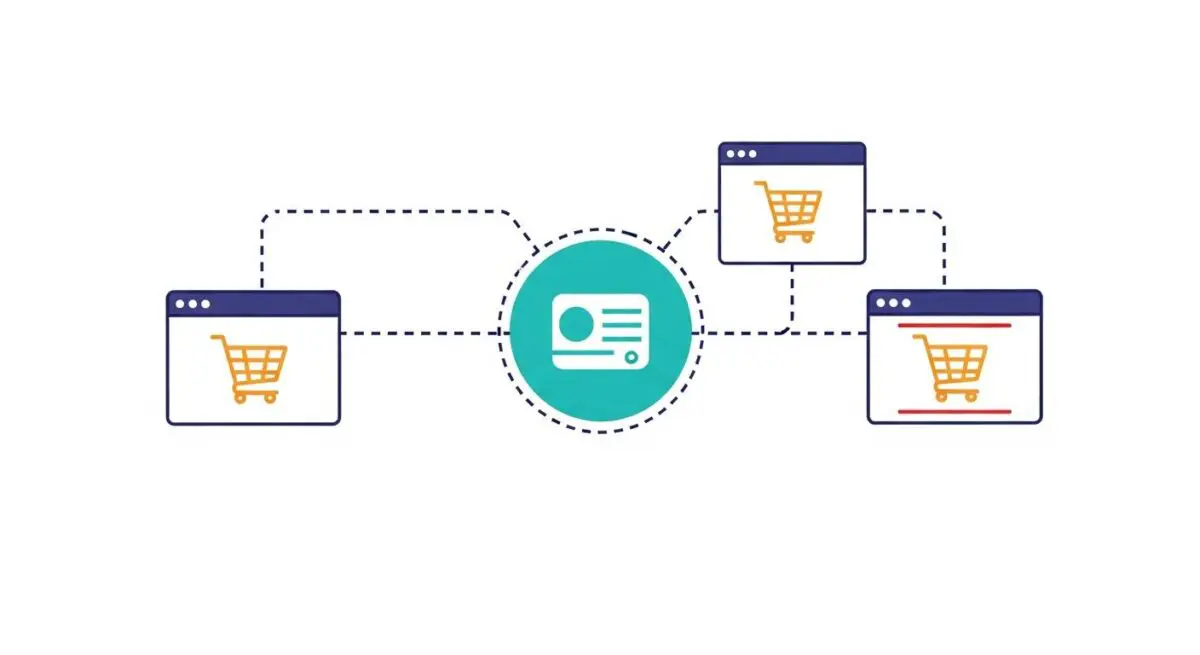
Payment Gateway Integration is the technical process of connecting a digital storefront or application to a third-party payment processor. This architectural bridge allows for the secure transmission of transaction data, utilizing Application Programming Interfaces (APIs) or Software Development Kits (SDKs) to authorize and settle payments. In the context of modern automation, this integration functions as a critical node in the data pipeline, converting user input into validated financial instructions that trigger downstream workflows.
At its core, the integration manages the handshake between the merchant’s front-end, the gateway’s server, and the issuing bank. It handles complex tasks such as encryption, tokenization, and 3D Secure (3DS) authentication. For AI-driven systems, a robust integration ensures that transaction states (e.g., succeeded, pending, failed) are communicated back to the application via asynchronous callbacks, allowing the system to execute logic without manual intervention.
The Real-World Analogy
Imagine a high-security courier service operating between a retail store and a central bank. When a customer presents a credit card, the courier (the Payment Gateway) takes the card details, places them in an armored, tamper-proof briefcase (encryption), and rushes to the bank. The bank verifies the funds and hands the courier a stamped approval or denial. The courier then returns to the store to deliver the verdict. In this scenario, the integration is the specialized loading dock and communication protocol the store uses to ensure the courier knows exactly where to go and how to report back the results instantly.
Why is Payment Gateway Integration Critical for Autonomous Workflows and AI Content Ops?
In the era of stateless automation, Payment Gateway Integration serves as the primary trigger for programmatic revenue cycles. When an AI-driven platform generates content or services on-demand, the payment event must be seamlessly coupled with the fulfillment engine. Through the use of webhooks, a successful payment payload can automatically trigger serverless functions that provision user access, update database records, or initiate AI-generated personalized onboarding sequences.
Furthermore, for Programmatic SEO and dynamic e-commerce, integration allows for the creation of automated checkout experiences that scale across thousands of landing pages. By leveraging API-first gateways, developers can implement idempotency keys to prevent duplicate transactions during automated retries, ensuring data integrity across distributed systems and high-concurrency environments.
Best Practices & Implementation
- Prioritize Tokenization: Utilize hosted fields or pre-built UI components to ensure sensitive Primary Account Number (PAN) data is exchanged for a non-sensitive token, significantly reducing PCI DSS compliance scope.
- Implement Idempotent Webhooks: Design webhook listeners to handle duplicate notifications by checking for unique transaction IDs, preventing redundant processing of the same order.
- Optimize for Asynchronous Processing: Use message queues (e.g., RabbitMQ or AWS SQS) to process post-payment logic, ensuring the user’s browser is not blocked while the system executes background automation tasks.
- Rigorous Error Handling: Map specific gateway error codes to user-friendly messages and automated recovery workflows, such as triggering a dunning sequence for failed subscription renewals.
Common Mistakes to Avoid
One frequent error is hardcoding API credentials within the client-side code or version control systems, which exposes the merchant to catastrophic security breaches. Another common failure is neglecting to implement webhook signature verification, leaving the system vulnerable to spoofed transaction notifications. Finally, many organizations fail to account for asynchronous race conditions, where the application assumes a payment is successful before receiving the final confirmation from the gateway.
Conclusion
Payment Gateway Integration is the foundational infrastructure for automated commerce, enabling secure, API-driven financial transactions that fuel autonomous business logic. Mastering its technical nuances is essential for scaling programmatic revenue and maintaining data integrity in AI-search optimized ecosystems.