Executive Summary
- Integration of event-driven triggers for real-time reward distribution and behavioral tracking.
- Utilization of stateless data pipelines to synchronize cross-platform user data and maintain state across distributed systems.
- Optimization of API payloads to reduce latency and ensure high-throughput processing in transactional environments.
What is Loyalty Program Automation?
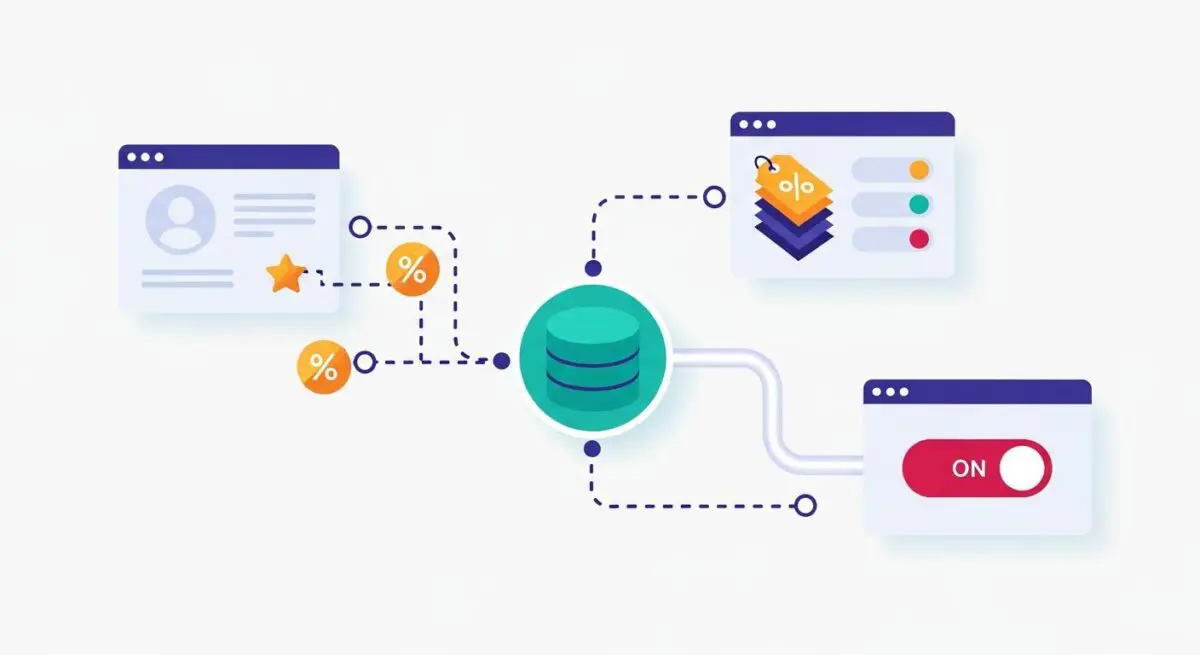
Loyalty Program Automation refers to the programmatic orchestration of customer retention strategies through integrated software systems, APIs, and event-driven logic. At its core, it involves the use of webhooks and middleware to monitor specific user actions—such as purchases, social engagement, or product milestones—and trigger predefined rewards or communications without manual intervention. This technical framework ensures that the loyalty lifecycle is managed by autonomous workflows that interact directly with a brand’s CRM and transactional databases.
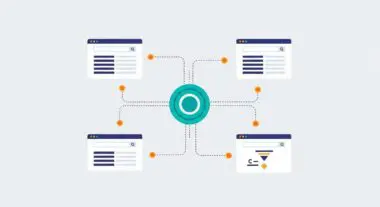
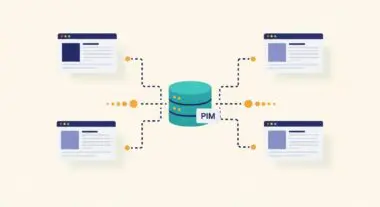
In an advanced automation context, this process moves beyond simple email triggers. It encompasses the synchronization of data across disparate platforms, ensuring that a user’s loyalty status is updated in real-time across mobile apps, web interfaces, and point-of-sale systems. By leveraging stateless architecture and JSON-based data exchanges, organizations can scale their retention efforts to handle millions of concurrent events while maintaining strict data integrity and audit trails.
The Real-World Analogy
Imagine a high-speed, automated toll road equipped with advanced sensors. Instead of a driver stopping to pay a human attendant or even tapping a card, the system uses an RFID tag to instantly recognize the vehicle, calculate the frequency of travel, and automatically apply a volume-based discount to the owner’s account in milliseconds. The driver never slows down, and the system requires no manual oversight to reward the frequent traveler. Loyalty Program Automation acts as those sensors and backend logic, identifying “frequent travelers” in your digital ecosystem and applying rewards instantly and invisibly.
Why is Loyalty Program Automation Critical for Autonomous Workflows and AI Content Ops?
For modern AI-driven enterprises, Loyalty Program Automation is essential for maintaining a single source of truth regarding customer behavior. In autonomous workflows, data must flow seamlessly between the commerce engine and the AI personalization layer. If loyalty data is siloed or manually updated, the AI cannot generate accurate, real-time content or offers, leading to a fragmented user experience. Furthermore, programmatic SEO and AI content operations rely on high-quality behavioral data to refine targeting parameters; automated loyalty systems provide this data through continuous, low-latency API streams.
Best Practices & Implementation
- Implement Idempotency: Ensure that your API endpoints for reward issuance are idempotent to prevent duplicate points or rewards from being granted in the event of network retries or webhook failures.
- Leverage Event-Driven Architecture: Use a message broker (like RabbitMQ or AWS SNS/SQS) to decouple the loyalty logic from the main transactional flow, ensuring that loyalty processing does not increase checkout latency.
- Optimize JSON Payloads: Minimize the data sent via webhooks to only essential identifiers and event types to reduce bandwidth and processing overhead across your automation stack.
- Utilize Secure Webhook Signatures: Always verify the authenticity of incoming data from third-party platforms using HMAC signatures to prevent fraudulent reward injections.
Common Mistakes to Avoid
One frequent error is relying on batch processing for loyalty updates, which creates a data lag that frustrates users expecting instant gratification. Another critical mistake is failing to implement robust error handling for API rate limits, which can lead to dropped events and inconsistent loyalty balances. Finally, many brands neglect to centralize their logic, leading to conflicting loyalty rules across different regional or platform-specific silos.
Conclusion
Loyalty Program Automation is the technical foundation for scalable, real-time customer retention in the AI era. By prioritizing API efficiency and event-driven logic, brands can build autonomous systems that drive long-term value with minimal manual overhead.