Executive Summary
- Integration of OCR and NLP for high-fidelity data extraction from unstructured procurement documents.
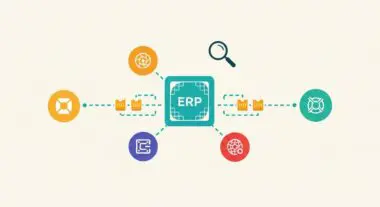
- Implementation of event-driven architectures to synchronize ERP systems with real-time inventory and budget APIs.
- Reduction of latency in the procurement lifecycle through automated validation and idempotent transaction processing.
What is Purchase Order Automation?
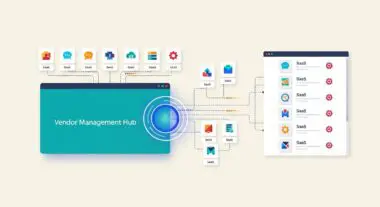
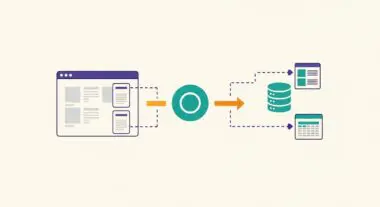
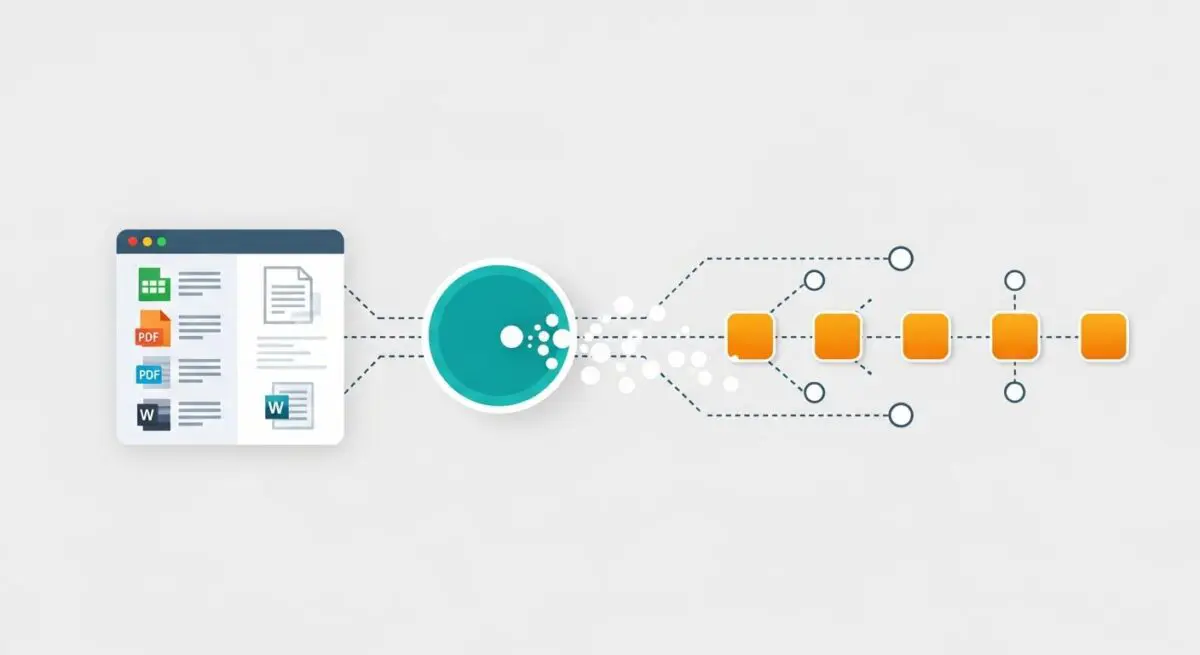
Purchase Order (PO) Automation is the systematic application of software logic and AI-driven workflows to manage the procurement lifecycle without manual intervention. At its core, it involves the programmatic generation, routing, and approval of purchase orders by connecting disparate systems—such as Enterprise Resource Planning (ERP) platforms, accounting software, and vendor databases—via RESTful APIs and webhooks. By leveraging Optical Character Recognition (OCR) and Large Language Models (LLMs), organizations can transform unstructured data from requisitions into structured JSON payloads for seamless ingestion.
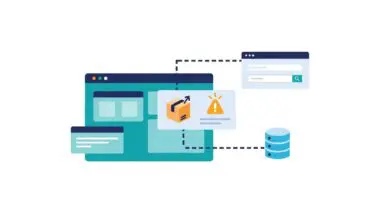
In the context of autonomous workflows, PO automation functions as a critical middleware layer. It ensures that data integrity is maintained across the supply chain by validating line items against predefined business rules, budget constraints, and inventory thresholds. This stateless approach allows for high-volume transaction processing while minimizing the risk of human error, duplicate payments, or compliance deviations.
The Real-World Analogy
Imagine an automated airport baggage handling system. In a manual world, every suitcase (purchase order) would be hand-checked, tagged by a person, and physically carried to a cart. With automation, the suitcase is placed on a conveyor belt where scanners (OCR/AI) read the destination tag, and mechanical gates (logic gates) automatically route it to the correct plane (vendor) based on real-time flight data (inventory/budget). The system ensures that no bag is lost, every bag goes to the right place, and the entire process happens at a speed no human crew could match.
Why is Purchase Order Automation Critical for Autonomous Workflows and AI Content Ops?
For organizations scaling AI Content Ops, PO automation is the backbone of resource procurement. Whether it is programmatically purchasing API credits for LLM processing, securing server instances for data pipelines, or managing high-volume freelance contracts, manual procurement creates a fatal bottleneck. Automated PO systems allow for just-in-time resource allocation, ensuring that autonomous agents have the necessary fuel to continue operations without human-triggered delays.
Furthermore, it enhances API payload efficiency by ensuring that only validated, sanitized data enters the financial ecosystem. This is vital for maintaining a serverless architecture where every function execution must be precise and cost-effective. By automating the validation of vendor endpoints and pricing tiers, brands can execute programmatic SEO and content strategies at a global scale while maintaining strict fiscal governance.
Best Practices & Implementation
- Implement Idempotency: Ensure that every API call for a purchase order includes a unique idempotency key to prevent duplicate transactions during network retries or server timeouts.
- Leverage Semantic Validation: Use LLMs to perform semantic checks on line items to ensure they align with historical procurement data and contract terms, going beyond simple regex matching.
- Utilize Webhook Listeners: Build robust webhook architectures to receive real-time status updates from vendors, allowing the automation engine to trigger downstream workflows immediately upon order fulfillment.
- Standardize Data Schemas: Enforce strict JSON schemas for all PO data to ensure compatibility between legacy ERP systems and modern AI-driven procurement tools.
Common Mistakes to Avoid
One frequent error is the reliance on hard-coded vendor IDs or pricing tables, which leads to brittle workflows that break when external variables change. Another common pitfall is failing to implement comprehensive error-handling and logging for API failures, which can result in silent procurement gaps. Finally, many brands neglect the security of their procurement endpoints, leaving sensitive financial data vulnerable to injection attacks or unauthorized access.
Conclusion
Purchase Order Automation is a foundational component of modern enterprise architecture, enabling the seamless flow of resources through API-driven procurement. By eliminating manual bottlenecks, it empowers organizations to scale autonomous workflows and AI-driven operations with precision and speed.